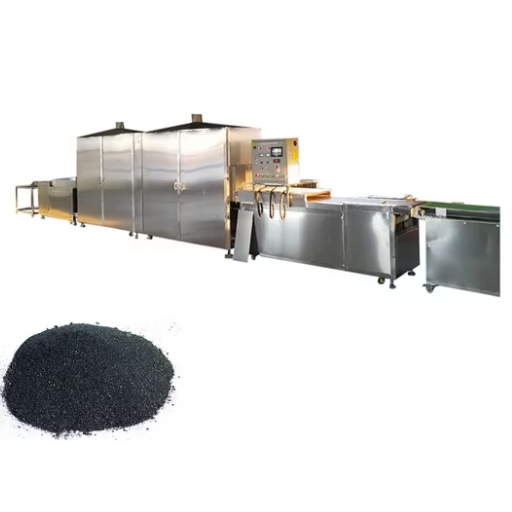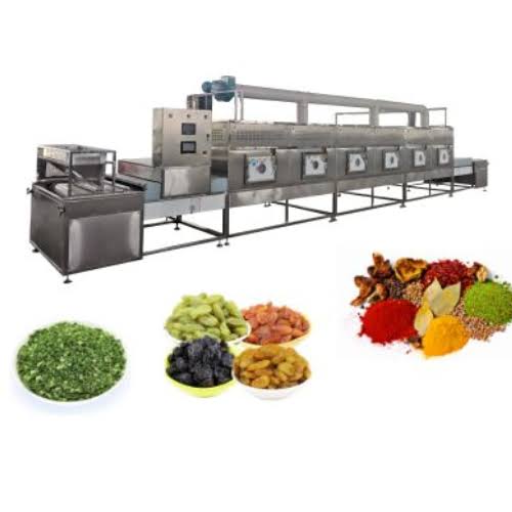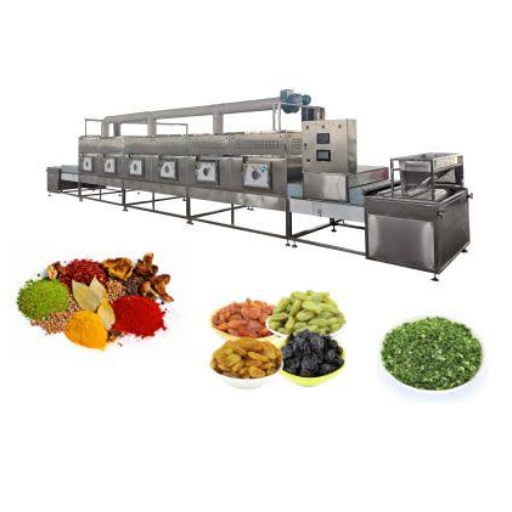
Microwave sterilization is faster and more energy-efficient than autoclave sterilization, but autoclaves remain the gold standard for dense products and spore destruction. The right choice depends on your product type, throughput goals, regulatory requirements, and total cost of ownership.
What if your sterilization line could cut cycle times by half while using 30–50% less energy? That is exactly what happened when a spice processor in Southeast Asia replaced a small steam retort with a continuous tunnel microwave sterilizer. Downtime dropped, color and volatile oils improved, and the facility reduced its water bill overnight. Yet across the hall, the same company’s canned-soup division kept its autoclave. Why? Because steam pressure still penetrated those thick containers more reliably than microwaves could.
This article compares microwave sterilization vs autoclave sterilization head-to-head for food manufacturers. You will learn how each method works, where each one wins, and how to choose the right equipment for your production line. We will keep the discussion practical, honest, and focused on real food processing outcomes.
Key Takeaways
- Microwave sterilization uses electromagnetic energy to heat food volumetrically, cutting cycle times by 50–70% and reducing energy use by 30–50% versus conventional steam methods.
- Autoclave sterilization relies on high-pressure saturated steam (121–134°C) and remains the most reliable choice for dense products, canned goods, and spore destruction.
- The microwave food processing equipment market is growing at roughly 6.8% CAGR and is projected to reach $3.2 billion by 2034.
- Choose microwave for spices, snacks, RTE meals, pet food, and other uniform, moisture-containing products where speed and quality retention matter.
- Choose autoclave/retort for canned foods, glass jars, viscous sauces, and any application where validated spore kill and deep penetration are non-negotiable.
What Is Microwave Sterilization?
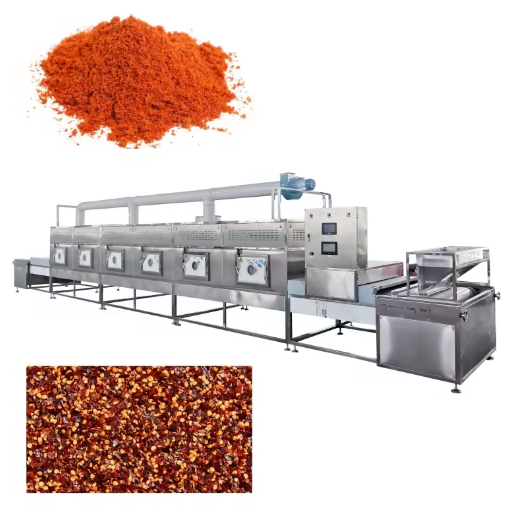
Microwave sterilization heats food using electromagnetic radiation, typically at 915 MHz or 2.45 GHz. Unlike conventional heating, which warms the outside of a product and waits for heat to move inward, microwave energy excites water molecules throughout the food. The resulting friction creates heat inside and outside the product at the same time. This is called volumetric heating.
In industrial systems, the process is often called Microwave-Assisted Thermal Sterilization (MATS) when it combines microwave energy with a pressurized hot water bath. The hot water surrounds the package while microwaves heat the contents rapidly. Because the product reaches target temperature faster and cools faster, it suffers less thermal damage.
How Microwave Sterilization Works in Practice
A typical continuous microwave sterilization line includes:
- A microwave tunnel or cavity that applies controlled electromagnetic energy
- A conveyor belt that moves packages through the heating zone at a set speed
- A temperature monitoring system to track cold spots and confirm lethality
- A cooling section that brings products down quickly after the hold phase
The exact settings depend on the product. Dried spices might need only a few minutes at lower moisture levels. Packaged ready-to-eat meals may need a MATS cycle at 90–121°C for 2–20 minutes under 1–3 bars of pressure. Power density, package geometry, and water activity all influence the final recipe.
Common Food Applications
Microwave sterilization works well for products that are relatively thin, uniform, or moisture-containing. Common applications include:
- Spices and seasonings: rapid microbial reduction without burning volatile oils
- Dried fruits, nuts, and snacks: even heating with better color and crunch retention
- Ready-to-eat meals in retort pouches: shorter cycles and improved texture
- Pet food and animal feed: continuous processing of kibble, treats, and powders
- Tea, herbs, and botanicals: gentle treatment that preserves aroma and active compounds
For processors looking to integrate drying and sterilization into one line, our microwave drying machine solutions offer a compact, energy-efficient pathway from raw material to packaged product.
What Is Autoclave Sterilization?
Autoclave sterilization, also called retort sterilization in food processing, uses high-pressure saturated steam to kill microorganisms. The combination of heat and moisture destroys proteins and disrupts cell membranes. When held long enough at the right temperature, the process also inactivates highly resistant bacterial spores.
A standard food autoclave cycle runs at 121°C (250°F) at 15 psi for 15–60 minutes, depending on product density and package size. Some systems run at 134°C for faster spore kill. The cycle includes heating, holding, and cooling phases, plus pressure come-up and pressure-release time.
How Autoclave Sterilization Works in Practice
A typical batch retort process includes:
- Loading: sealed cans, jars, or pouches are placed in a pressure vessel
- Come-up: steam raises temperature and pressure inside the vessel
- Hold: product stays at sterilization temperature for a validated time
- Cooling: cold water or air reduces temperature and pressure before unloading
Because steam penetrates deeply, autoclaves handle thick, dense, or viscous products that microwaves struggle to heat uniformly. The technology is also backed by decades of regulatory acceptance and validated protocols.
Common Food Applications
Autoclaves dominate in applications where complete sterility and long shelf life are essential:
- Canned foods: vegetables, soups, sauces, and ready meals in metal cans
- Glass jars: baby food, sauces, and preserves
- Retort pouches: military rations, curry meals, and shelf-stable proteins
- Dense, viscous products: stews, puddings, and thick sauces
- Medical and laboratory sterilization: instruments, glassware, and waste
If your facility already runs a canning or jar line, an autoclave or retort is likely the most straightforward path to compliance and shelf stability.
Microwave Sterilization vs Autoclave: Head-to-Head Comparison
The table below summarizes the main differences between the two methods for food processing.
| Factor | Microwave Sterilization | Autoclave / Retort |
|---|---|---|
| Heating method | Electromagnetic energy excites water molecules | High-pressure saturated steam |
| Typical temperature | 90–121°C, often 10–20°C lower than steam | 121–134°C |
| Cycle time | 3–5 minutes for many products; 50–70% faster | 15–60 minutes plus heat-up and cool-down |
| Energy use | 30–50% less than conventional steam | Higher; heats water, vessel, and product |
| Water use | Minimal in most systems | 20–50 gallons per cycle in many setups |
| Penetration | Limited; best for thin or uniform loads | Deep; handles dense and viscous products |
| Heating uniformity | Requires careful design to avoid cold spots | Generally uniform in dense loads |
| Food quality | Better color, flavor, and nutrient retention | More heat damage risk due to longer cycles |
| Spore kill | Effective with validation; less established | Gold standard; highly reliable |
| Capital cost | Often higher upfront | Often lower initial investment |
| Operating cost | Lower energy, water, and labor per cycle | Higher utility and cycle time costs |
| Validation | Per-product FDA filing for MATS | Well-established retort protocols |
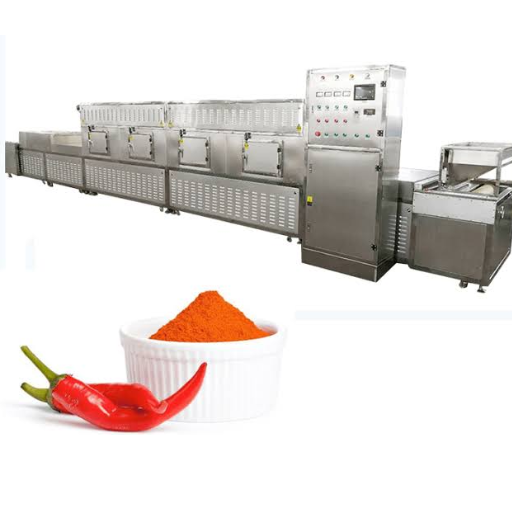
When Maria evaluated equipment for her company’s new line of turmeric and chili powders, the comparison above made the decision clear. Steam autoclaving darkened the powders and drove off the aromatic oils that justified her premium pricing. A tunnel microwave sterilizer preserved the bright color and flavor while running continuously. Her energy bill fell by roughly 35% in the first quarter.
Want to see how microwave sterilization could fit your product? Explore our industrial microwave oven systems and compare specifications for your application.
When to Choose Microwave Sterilization
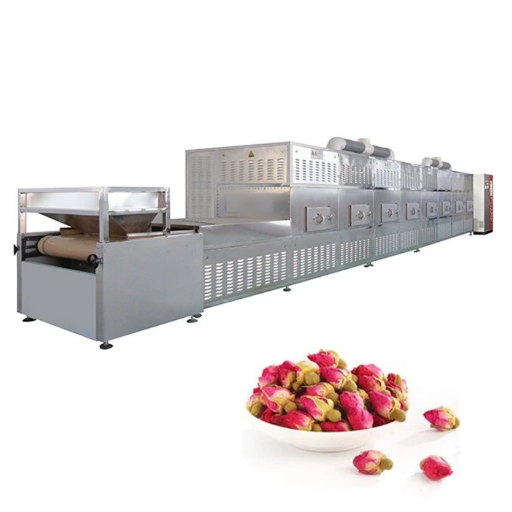
Microwave sterilization is the better fit when speed, efficiency, and product quality are your top priorities. It is especially attractive for continuous production lines where every minute of cycle time affects throughput.
Ideal Product Profiles
Consider microwave sterilization when your product matches one or more of these profiles:
- Low-moisture powders and granules: spices, seasonings, flour, protein powder
- Uniform particulate foods: nuts, seeds, dried fruit, snack mixes
- Packaged ready meals in flat pouches: rice bowls, pasta dishes, curries
- Pet food and treats: kibble, jerky, and extruded products
- Tea, herbs, and botanicals: leaves, flowers, and roots where aroma matters
Operational Advantages
The main reasons food manufacturers switch to microwave sterilization include:
- Faster throughput, shorter cycles mean more product per shift
- Lower energy bills, only the product is heated, not large volumes of water and metal
- Smaller footprint, tunnel systems can be more compact than batch retort rooms
- Better product quality, less heat damage preserves color, flavor, vitamins, and texture
- Reduced water use, important for sustainability goals and water-scarce regions
- Quick startup, minimal thermal inertia compared to heating a large pressure vessel
A snack producer in the Middle East found this combination hard to ignore. The company was running three batch retorts for flavored nut mixes. Each cycle took nearly an hour. After switching to a continuous microwave line, the same volume passed through in under 10 minutes. Labor costs dropped because operators no longer loaded and unloaded batch vessels, and customer complaints about scorched nuts disappeared.
Limitations to Consider
Microwave sterilization is not universal. Be realistic about these challenges:
- Cold spots can occur if the product, package, or load is uneven
- Limited penetration depth makes thick or dense products harder to sterilize uniformly
- Validation complexity requires temperature mapping and biological indicator studies
- Metal packaging cannot be used in standard microwave systems
- Higher upfront cost may stretch capital budgets
For the right product, these limitations are manageable. For the wrong product, they are deal-breakers.
When to Choose Autoclave Sterilization
Autoclave sterilization remains the safer, simpler choice for many traditional food products. If your customers, regulators, or retail buyers expect retort-processed shelf stability, an autoclave is usually the path of least resistance.
Ideal Product Profiles
Choose autoclave or retort sterilization when you produce:
- Canned foods: vegetables, beans, soups, and sauces in metal cans
- Glass-jarred products: baby food, pasta sauce, jams, and pickles
- Thick or viscous foods: puddings, custards, stews, and gravies
- Large-format pouches: family-size ready meals and institutional rations
- Products requiring documented spore kill: low-acid foods with long shelf-life requirements
Operational Advantages
Autoclaves continue to dominate for good reason:
- Proven spore destruction, steam under pressure reliably kills Clostridium botulinum spores
- Deep penetration, heat reaches the center of dense packages
- Regulatory maturity, validated protocols accepted worldwide under 21 CFR Part 113 and similar standards
- Lower capital cost, batch retorts often cost less upfront than microwave tunnels
- Packaging flexibility, works with cans, jars, and retort pouches
- Familiar maintenance, most plant engineers know how to service pressure vessels
Limitations to Consider
Autoclaves also have drawbacks:
- Longer cycle times reduce throughput
- High water and energy use increase operating costs
- Heat damage risk can dull flavors, soften textures, and reduce nutrient content
- Large footprint for batch retort rooms and supporting utilities
- Pressure vessel safety requires regular inspections and certified operators
A baby food manufacturer in Eastern Europe learned this balance firsthand. The company tested microwave sterilization for fruit purees and saw better vitamin retention. But for its thick meat-and-vegetable jars, the autoclave delivered the documented lethality its retail partners demanded. It kept both technologies, using each where it made sense.
Cost, Efficiency, and Sustainability
Choosing between microwave sterilization vs autoclave is not just about purchase price. The real question is total cost of ownership over the life of the equipment.
Energy and Water Savings
According to industry analysis, microwave sterilization can use 30–50% less energy than conventional steam sterilization. Autoclaves, by contrast, often consume 20–50 gallons of water per cycle just for steam, cooling, and pressure control. Over thousands of cycles per year, that difference shows up clearly in utility bills.
Microwave systems also convert electricity to microwave energy with roughly 70–80% efficiency. Because the energy goes directly into the product rather than heating a large metal vessel and water bath, less energy is wasted.
Total Cost of Ownership
Here is how the two methods typically compare over a 10-year horizon:
| Cost Category | Microwave Sterilization | Autoclave / Retort |
|---|---|---|
| Initial equipment | Higher | Lower |
| Installation | Moderate (electrical + ventilation) | Moderate to high (steam + water + pressure) |
| Energy per cycle | Lower | Higher |
| Water per cycle | Minimal | Significant |
| Labor per cycle | Lower (continuous) | Higher (batch loading) |
| Maintenance | Moderate (magnetrons, waveguides) | Moderate (pressure seals, valves) |
| Throughput per hour | Higher | Lower |
For high-volume, quality-sensitive products, the higher upfront cost of microwave equipment often pays back within 2–4 years through lower operating costs and higher output.
Sustainability Impact
Microwave sterilization aligns with modern sustainability goals. Less water use means lower wastewater treatment loads. Lower energy use reduces carbon emissions. Shorter cycles mean less product held in-process, which cuts waste from over-processing or burn-on.
A pet food processor in North America used this angle to win a sustainability certification. By replacing two batch retorts with a continuous microwave line, the facility cut water use by thousands of gallons per week and reduced its energy intensity per ton of finished product by roughly 40%.
Regulatory and Safety Considerations
No sterilization method can be chosen without considering regulation. Food safety authorities do not approve equipment; they approve processes.
FDA and USDA Acceptance
Microwave-Assisted Thermal Sterilization (MATS) has gained acceptance from the U. S. Food and Drug Administration for specific low-acid food processes. Notable examples include:
- Mashed potatoes, first FDA-accepted MATS process in 2009
- Salmon fillet in Alfredo sauce, accepted in 2010
- Chicken and dumplings, accepted in 2012
- Commercial MATS recipes at scale, including recent installations in India
For products containing more than 2% meat, poultry, or egg, developers have also received non-objection letters from the USDA Food Safety and Inspection Service.
However, each product and package combination requires its own process filing. Unlike retort, which has well-established calculation methods, MATS requires extensive validation documentation.
Validation Requirements
Whether you choose microwave or autoclave, you must demonstrate that your process achieves commercial sterility. Typical validation work includes:
- Temperature mapping to locate cold spots
- Time-temperature studies to calculate microbial lethality
- Biological indicator testing with organisms such as Clostridium sporogenes or Geobacillus stearothermophilus
- F₀ value documentation showing equivalent or sufficient lethal effect
- Process reproducibility across the expected operating range
Equipment Safety Standards
Microwave sterilization equipment must comply with radiation safety standards such as 21 CFR § 1030.10 and IEC 60335-2-90. Autoclaves must meet pressure vessel codes and undergo regular inspections. Both require trained operators and documented maintenance programs.
For a deeper look at how microwave technology fits into a complete production environment, see our overview of food production line equipment.
Conclusion
The debate over microwave sterilization vs autoclave is not about picking a winner. It is about matching the right technology to the right product.
Microwave sterilization leads on speed, energy efficiency, water savings, and product quality. It is ideal for spices, snacks, pet food, tea, herbs, and uniform packaged meals. Autoclave sterilization leads on reliability, deep penetration, spore destruction, and regulatory maturity. It remains the best choice for canned foods, glass jars, thick sauces, and any product where validated sterility is the top priority.
Many modern plants will use both. The spice line may run on microwave. The canning line may stay on retort. The goal is not to replace every autoclave. The goal is to place each investment where it delivers the best return.
At Shandong Loyal Industrial Co., Ltd., we design food processing machines that help manufacturers make these choices confidently. Whether you need a continuous microwave sterilization tunnel, a retort-compatible drying stage, or a fully integrated production line, our team can tailor a solution to your product and throughput targets.
Ready to optimize your sterilization line? Contact our team today for a free consultation and equipment recommendation based on your specific product, volume, and compliance requirements.