Custom food processing equipment typically costs between 150,000 and 150,000 and 1.5 million for a complete commercial production line. A single custom-built machine can start around 1,000,while a fully integrated turnkey line can exceed 1,000,while a fully integrated turnkey line can exceed 5 million. The final figure depends on your line type, capacity, automation level, and hygiene requirements.
Here’s the counterintuitive part: paying more upfront for custom equipment often costs less over a decade than buying standard. Most buyers fixate on the sticker price and ignore the hidden costs that quietly add up for years afterward.
You already know custom equipment is quoted, not listed. Every vendor asks you to “contact us for a quote,” which makes budgeting feel like guesswork. In this guide, we’ll change that. You’ll learn exactly how custom food processing equipment cost is built, what drives the price up or down, and how to budget so the total cost of ownership doesn’t blindside you.
Key Takeaways
- A complete custom food processing line runs 150,000 to 150,000 to 1.5 million, but year-one costs total 118–122% of the sticker price once installation, shipping, and spares are included.
- Custom machinery costs 30–75% more than standard upfront, yet buyers who optimize for total cost of ownership report roughly 40% higher five-year ROI.
- The purchase price is only 35–45% of the 10-year cost. Energy, labor, maintenance, and downtime make up the rest.
- Four cost buckets build every custom quote: engineering, fabrication, controls, and commissioning.
- Choosing based on lifetime cost, not sticker price, is the single biggest lever for controlling your budget.
How Much Does Custom Food Processing Equipment Cost?
Custom food processing equipment cost spans an enormous range because no two builds are identical. That said, most buyers can anchor on a few reliable bands by line type.
Here are typical custom capital expenditure (CapEx) ranges before freight and installation, based on 2026 industry pricing data.
| Production Line Type | Custom CapEx Range | Typical Lead Time |
|---|---|---|
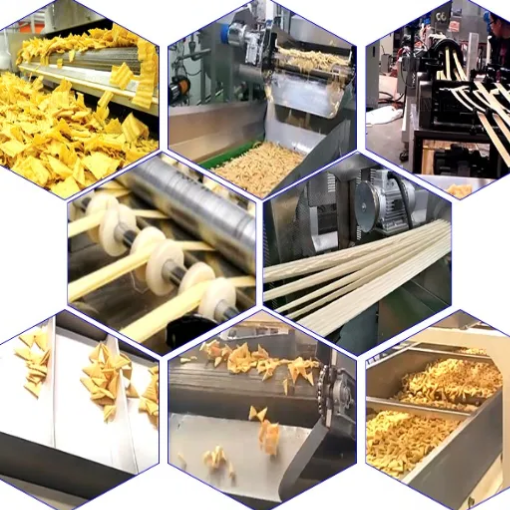
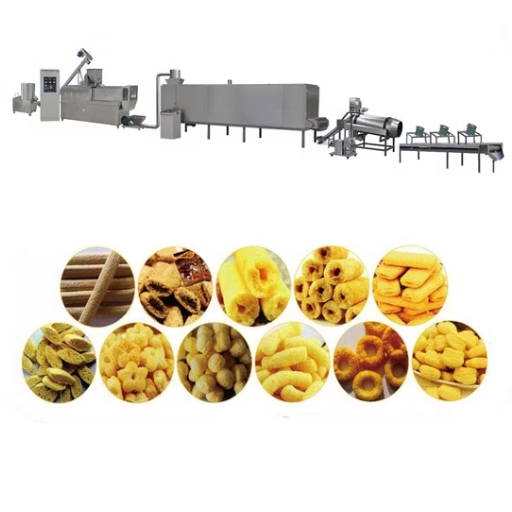
| Snack extrusion (corn puffs, pellets) | 180,000–180,000–1.2M | 18–26 weeks |
| Pasta and macaroni production | 250,000–250,000–2M | 22–32 weeks |
| Protein and cereal bars | 150,000–150,000–900,000 | 16–24 weeks |
| Bread crumbs (panko) | 120,000–120,000–600,000 | 14–22 weeks |
| Biscuit production (full line) | 300,000–300,000–2.5M | 24–36 weeks |
For smaller operations, the picture is more modest. A starter semi-automatic snack food production line can run 25,000to25,000to50,000. A mid-range modular automated line lands between 60,000and60,000and120,000. Compact fully automated lines start around 130,000 and climb to 130,000 and climb to 250,000. Add 4 to 12 weeks for shipping depending on origin and destination.
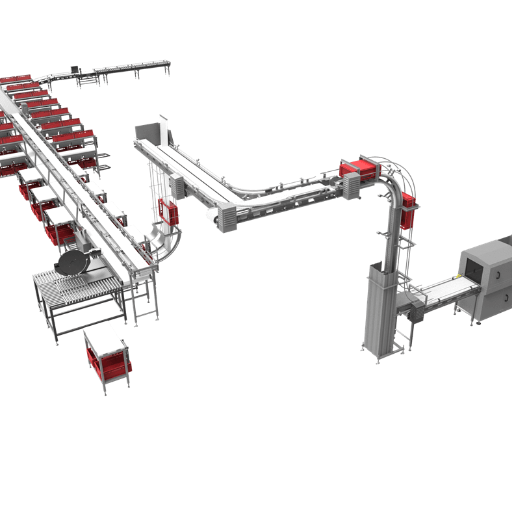
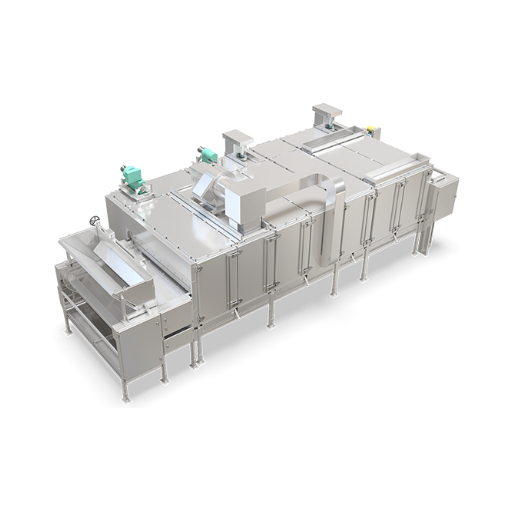
A single custom machine, like a dedicated extruder or dryer, can cost as little as $1,000 for basic equipment. But once you integrate conveyors, weighers, controls, and packaging into a complete line, the total climbs quickly. That’s why the word “custom” matters so much. You’re not buying a catalog item. You’re commissioning a system designed around your product, your throughput, and your plant.
The market behind these figures is growing fast. Mordor Intelligence projects the food processing and handling equipment market to expand from 133billionin2026tonearly133billionin2026tonearly180 billion by 2031, a 6.2% annual growth rate. IndexBox tracks similar demand trends across regions. That growth means more vendors, more quotes, and more variance in what custom food processing equipment actually costs.
Explore your options: See how our food processing machines range from single units to complete turnkey lines.
Why Custom Equipment Costs More Than Standard
The customization premium is the first thing buyers notice, and it’s real. Custom food machinery generally costs 30–75% more than the closest standard equivalent at purchase.
Why? Because custom engineering replaces a catalog price with a project price. Standard equipment is amortized across many customers. Custom equipment is built once, for you, and every design hour, material, and test lands on your invoice.
Understanding the four cost buckets helps you read any quote with confidence.
The Four Cost Components of a Custom Build
Most custom manufacturers build pricing from four components, with rough splits you can ask to see:
- Engineering (10–15%): Process design, 3D modeling, and layout work specific to your feedstock and plant.
- Fabricated mechanical equipment (50–60%): The stainless steel frames, drums, dryers, extruders, and conveyors themselves.
- Controls and electrical systems (15–25%): PLCs, HMIs, servo drives, sensors, and wiring.
- Commissioning labor (5–10%): Installation, testing, and startup at your facility.
Here’s a real-world example of how this plays out.
When Marcus launched a corn puff brand in March 2025, he priced a standard extruder at 90,000.Hiscustomline,sizedforhisexactthroughputandplantlayout,cameinat90,000.Hiscustomline,sizedforhisexactthroughputandplantlayout,cameinat140,000, roughly 55% more. Marcus nearly walked away. Six months later, the standard line would have needed three extra operators and produced 18% more scrap. His custom build paid back the difference in under a year on labor and waste alone.
The lesson: don’t compare the sticker price of custom against standard. Compare what each costs to run.
What Drives the Price of Custom Food Processing Equipment
Several factors move the number on your quote. Knowing them helps you decide where to spend and where to save.
Production Speed and Capacity
Throughput, measured in kilograms per hour, is the single largest cost driver. A 60 pack-per-minute machine and a 120 pack-per-minute machine can look identical on the outside. Inside, the faster machine needs stronger mechanical structures and better servo systems. More capacity means more steel, more power, and more controls.
Automation Level
Automation is where quotes balloon. Adding multihead weighers, conveyors, metal detectors, checkweighers, and cartoning systems can add 30,000to30,000to100,000 on a medium-scale line. Full servo systems add precision but also add cost. Decide early whether a human can do a task reliably, because every automated step is a line item. Industry publications like Food Processing Magazine consistently rank automation as the fastest-growing cost driver in new production lines.
Materials and Hygiene Requirements
Food-contact surfaces in SUS304 or SUS316 stainless steel cost 30–50% more than carbon steel. Meat, dairy, and frozen food machines cost more still, because they need waterproof electrical designs and full washdown capability. If your product requires HACCP or FSSC 22000 certification, budget accordingly. Our industrial food processing equipment is engineered for these hygiene standards from the start.
Electrical Components
Domestic-brand components are cheaper. European brands like Siemens and Schneider add cost but also add reliability. The choice is a lifetime-cost decision, not just a purchase decision, which we’ll revisit shortly.
Functional Extensions
Metal detection, weight feedback, date coding, and seal quality inspection each add roughly 1,500to1,500to7,500 depending on the machine. These are small individually but stack quickly across a line.
Hidden Costs Beyond the Sticker Price
This is where most budgets break. The equipment price is only the beginning.
A reliable rule of thumb: year-one total cost runs 118–122% of the equipment sticker price after installation, training, and spare parts.
Here’s what to budget for beyond the quoted machine cost:
- Installation, commissioning, and training: 8–12% of equipment value, up to 15% or more for complex lines.
- Shipping, customs, and insurance: International freight runs 5,000to5,000to50,000 for a full line. Customs duties and import taxes add another 5–15%.
- Site preparation and utility upgrades: Power, water, steam, compressed air, and drainage upgrades can reach 10–15% of the total project.
- Initial spare parts and tooling: Budget 3–5% of equipment value.
- Regulatory certification and audits: Plan 5–10% for HACCP, ISO 22000, FSSC 22000, SQF, or BRC.
- First-year consumables and maintenance: Annual maintenance typically runs 3–6% of equipment value.
- Downtime and ramp-up losses: Build a 10–15% contingency into the first-year operating budget.
The fix is simple: budget the hidden costs first, then decide what you can afford in equipment.
Total Cost of Ownership: The Real Cost of Custom Food Processing Equipment
Here’s the number that changes everything: purchase price is only 35–45% of the 10-year cost. Over a decade, energy, labor, maintenance, downtime, and yield loss often exceed the original invoice.
This is where custom equipment earns back its premium. A tailored machine fits your process, so it wastes less energy, needs fewer operators, and produces less scrap. Unplanned downtime alone costs 5,000to5,000to10,000 per hour in a mid-sized plant. A line that runs 1% more reliably can save tens of thousands a year.
How Energy Efficiency Lowers TCO
Energy can consume up to 45% of a machine’s lifetime cost, so efficiency is not a nice-to-have. It’s the biggest controllable expense.
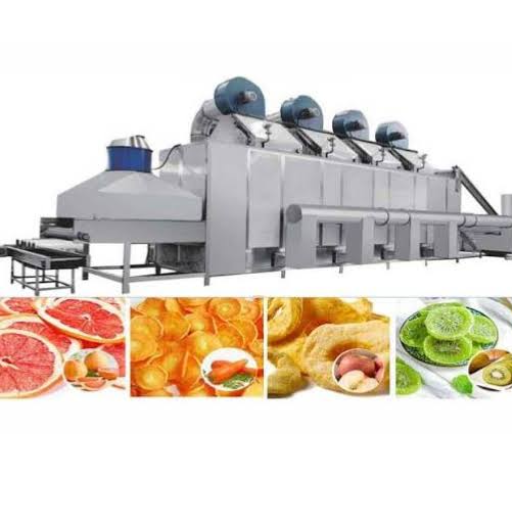
Take drying. Traditional hot-air drying is slow and energy-hungry. A microwave drying machine heats the product directly, cutting drying time and energy use while preserving quality. That efficiency shows up in your operating costs for years, not just months.
This is exactly why Shandong Loyal Industrial Co., Ltd. builds custom food processing solutions around energy efficiency. With over 650 global customers, $90 million in annual sales, and a reputation for quality since 2005, we design lines that cost less to run, not just less to buy. As a standing director of the China Food and Drying Equipment Industry Association, we’re accountable to the standards we set.
Ready to see the difference? Request a custom quote and we’ll map the total cost of ownership for your specific line.
New vs. Used Food Processing Equipment
Used or refurbished equipment can save 30–50% versus new. For simple, durable machines like tanks, conveyors, and standard mixers, that’s a smart play. Used equipment also works for temporary capacity boosts or non-critical applications.
But the savings come with real risks: outdated controls, missing documentation, sanitation issues, and parts availability problems. A refurbished extruder at 50% less than new might consume 20% more energy and need twice as many repairs. Over ten years, its total cost of ownership can match a new machine, while leaving you with more downtime and more headaches.
If you go used, inspect wear parts, electrical systems, and food-safety compliance carefully. For anything that touches your core production or your food-safety certification, new custom equipment is usually the safer lifetime bet.
How to Budget and Get an Accurate Quote
An accurate budget starts with the right process. Here’s a simple framework.
- Define throughput and product first. Capacity in kg/h drives everything else.
- Ask for the four cost buckets. A transparent vendor will break out engineering, fabrication, controls, and commissioning.
- Get the hidden costs in writing. Installation, shipping, spares, and certification should be line items, not surprises.
- Negotiate payment milestones. A fair structure is 30% on purchase order, 30% on engineering approval, 30% on factory acceptance testing, and 10% on site acceptance testing. Never pay 100% upfront.
- Vet the vendor. Third-party audits, a factory acceptance test, and a contract clause for on-site senior engineer support protect your investment.
One buyer saved roughly $550,000 in CapEx by choosing a Chinese custom manufacturer over a Spanish OEM after careful vetting. The difference wasn’t quality. It was asking the right questions before signing.
For a deeper look at selecting equipment, see our food production line equipment guide.
Frequently Asked Questions
How much does custom food processing equipment cost?
Custom food processing equipment typically costs 150,000to150,000to1.5 million for a complete commercial line, depending on line type and capacity. A single custom machine can cost as little as 1,000,and a fully integrated turnkey line can exceed 1,000,and afully integrated turnkey line can exceed 5 million.
Why is custom food processing equipment more expensive?
Custom equipment costs 30–75% more than standard because it’s engineered for your specific product, throughput, and plant layout. The premium covers engineering, custom fabrication, controls, and commissioning, all built once rather than amortized across many customers.
What factors affect food processing equipment cost?
The main factors are production speed and capacity, automation level, material and hygiene requirements, electrical component brands, and functional extensions like metal detection and checkweighing.
Is it cheaper to buy used food processing equipment?
Used equipment can save 30–50% upfront, but higher energy use, more repairs, and compliance risks can erase those savings over a decade. Used is best for simple, non-critical machines; new custom equipment is usually safer for core production.
Conclusion
Custom food processing equipment cost is not a single number. It’s a range built from your line type, capacity, automation, and hygiene needs, plus a layer of hidden costs most buyers never see coming.
Remember these five points: a complete line runs 150,000to150,000to1.5 million; year-one costs hit 118–122% of the sticker price; the purchase price is only 35–45% of the 10-year cost; custom costs 30–75% more upfront but can deliver 40% higher five-year ROI; and energy efficiency is the biggest lifetime lever.
Don’t let the sticker price make the decision for you. Budget the hidden costs, compare lifetime cost of ownership, and choose a partner who builds for efficiency. Shandong Loyal Industrial Co., Ltd. has helped over 650 food manufacturers worldwide do exactly that.
Contact us today to learn how we can design custom food processing equipment that costs less to own, not just less to buy.