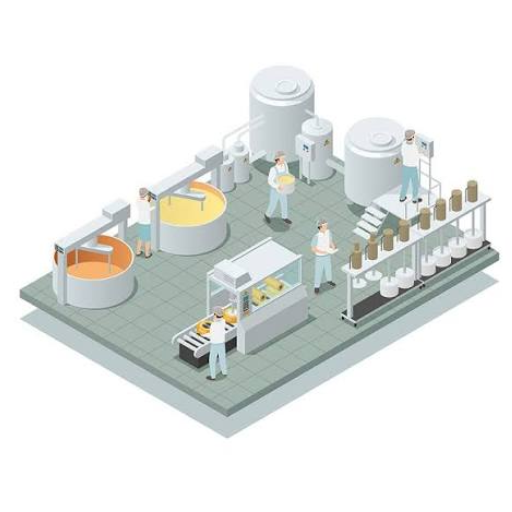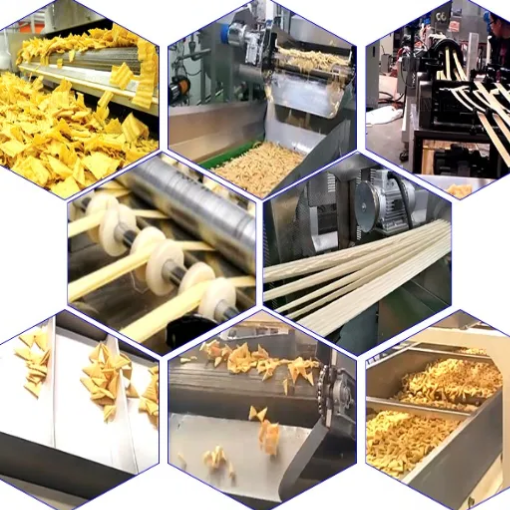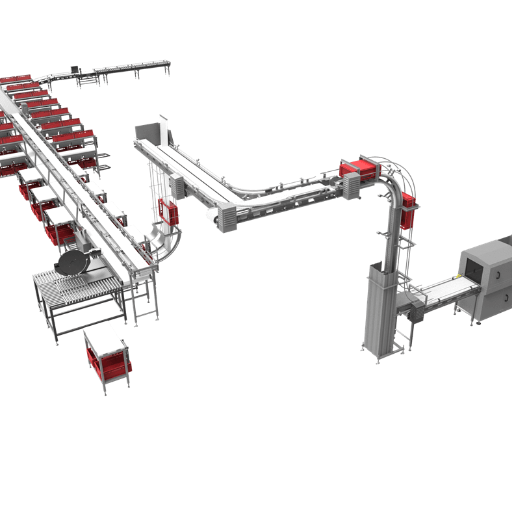
Integrating custom food processing equipment means designing and installing machinery around your specific product, throughput, and facility instead of forcing your operation to fit a standard machine. Done well, it removes the compromises that quietly cap your output. Done poorly, it becomes an expensive lesson in what not to skip.
Most manufacturers assume custom equipment means paying a premium for a luxury they cannot justify. That assumption is usually backwards. The right custom line frequently costs less to own than an off-the-shelf machine you have to fight every single shift.
We understand the hesitation. Custom machinery is a bigger decision than buying from a catalog, and the risks feel real: longer lead times, unfamiliar engineering, and the fear of paying more for something you cannot return. This guide gives you a repeatable framework to plan, evaluate, and commission custom equipment with confidence, so you get the output you were promised without the surprises.
Here is what we will cover: how to define your requirements before you talk to a supplier, how to tell a real engineering partner from a reseller, the step-by-step integration process, how to retrofit existing lines, and how to make sure your investment pays off over the long term.
Key Takeaways
- Custom equipment is not automatically more expensive. A configure-to-order build can cut capital cost by 30 to 40 percent versus a fully bespoke machine.
- The requirements you define up front, not the machinery itself, decide whether integration succeeds.
- A genuine manufacturer will show you recent similar projects, in-house engineering, and documented certifications, not just a brochure.
- The integration process follows a clear sequence: design, Factory Acceptance Test, installation, Site Acceptance Test, and commissioning.
- Buyers who choose equipment on total cost of ownership rather than purchase price report roughly 40 percent higher five-year ROI.
What Is Custom Food Processing Equipment?
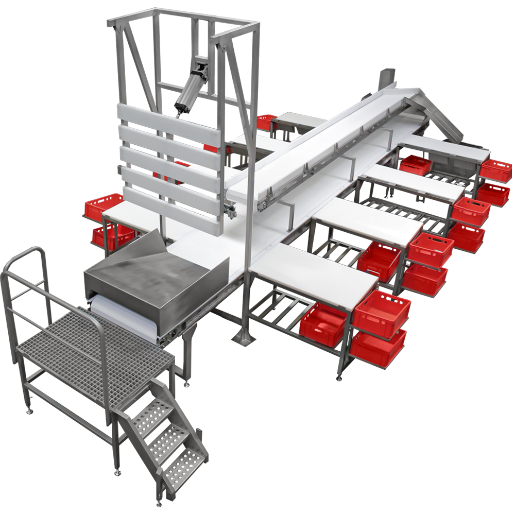
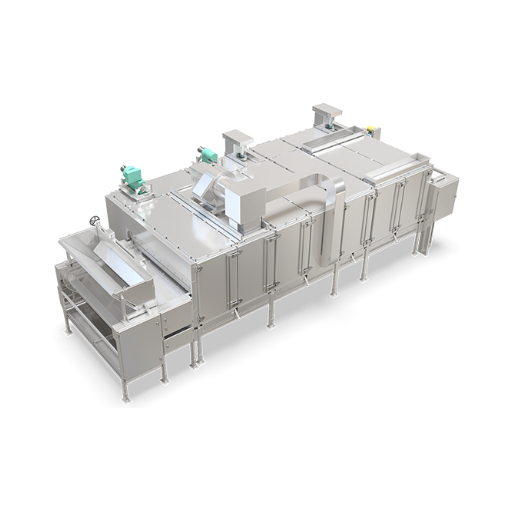
Custom food processing equipment is machinery engineered to match a specific product, production volume, and facility layout. It differs from a standard machine, which is built to fixed specifications and sold as-is. Where a standard extruder or drying line works within set parameters, custom equipment is adapted to yours.
For a food manufacturer, that adaptation might mean a wider belt, a different heating method, a taller discharge height, or controls that speak to an existing production line. The goal is always the same: make the machine fit the process, rather than changing the process to fit the machine.
Custom vs. Standard vs. Configure-to-Order
It helps to separate three approaches before you spend anything.
- Standard equipment is catalog machinery built in fixed sizes and capacities. It is fastest to buy and cheapest up front, but it forces your operation to adapt.
- Fully custom equipment is designed from a blank sheet for one customer. It offers the best fit but carries the longest lead time and highest engineering cost.
- Configure-to-order (CTO) sits in the middle. You start from a proven base model and select modular options for heating, automation, materials, and layout.
CTO is worth your attention because it often delivers most of the benefit of custom at a fraction of the cost. According to Blentech, a configure-to-order build can save 30 to 40 percent on capital cost versus a fully custom machine while also shortening lead times.
When Custom Equipment Is Worth It
Custom integration makes the most sense when a standard machine cannot meet your real requirements. Those triggers include unusual product shapes, strict hygiene standards, a cramped or oddly shaped facility, a target throughput no catalog model can hit, or the need to connect with legacy equipment.
If a standard machine does the job, buy it. Custom equipment earns its cost when it removes a real constraint. The key is being honest about which situation you are in before you start the conversation.
Not sure whether you need custom or configure-to-order? Our engineers can review your product and facility requirements and recommend the shortest path. Talk to a Shandong Loyal engineer today.
How to Define Your Requirements Before Contacting a Manufacturer
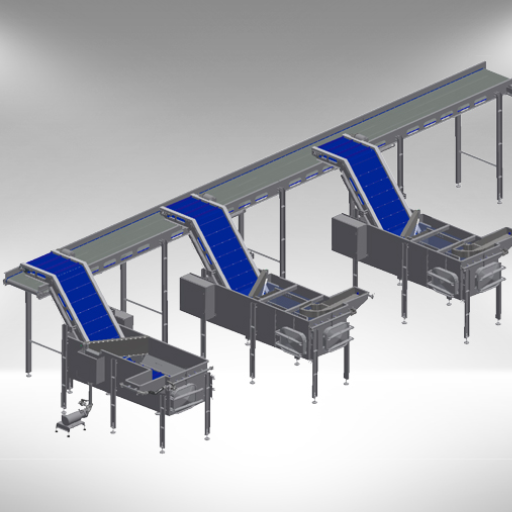
The single biggest mistake in custom integration is under-specifying. A manufacturer can only build to what you tell them, and every gap in your brief becomes a guess on their side. Guesses become change orders. Change orders become delays.
Take Maria, a snack producer in Mexico. She sent a one-line inquiry for a “puff snack line” without mentioning her ceiling height. The first design that came back was too tall for her floor by half a meter. The redesign cost her three weeks and a revised quotation. A single line about her facility would have prevented all of it.
Your requirements document, often called a request for quotation or RFQ, should answer the questions below before you contact anyone.
Product, Raw Materials, and Throughput
Start with what you make and how fast you need to make it. Specify the raw material behavior, because it drives machine configuration. List the finished product dimensions, moisture, texture, and density. State your required output per hour or per shift, plus any future expansion margin you want to protect.
Vague output targets are a common failure point. “As fast as possible” is not a specification. A number like “800 kilograms per hour with headroom for 20 percent growth” is.
Facility, Utilities, and Layout Constraints
Describe the physical space. Include ceiling height, floor load capacity, access doors, drainage, and any columns or obstructions. List the utilities available: voltage and frequency, steam, gas, water, and compressed air.
These details decide whether a machine fits, powers up, and can be cleaned. They are also the details most often left out, as Maria learned the hard way.
Hygiene, Compliance, and Destination Market
State your cleaning method, allergen handling, and changeover requirements. Name your destination market, because it drives compliance. A line shipping to Europe or North America has different electrical and machinery standards than one serving a local market.
Specify food-contact materials up front. Ask for SUS304 or SUS316L stainless steel in contact zones, and confirm the ingress protection ratings for wet or washdown areas. These are not details to negotiate later; they are the baseline.
How to Evaluate a Custom Food Machinery Manufacturer
Not every company that calls itself a manufacturer actually engineers its own equipment. Some are resellers or assembly workshops that subcontract the hard work. The difference shows up the moment something needs to change.
Engineering Depth and In-House R&D
A real partner owns its engineering. Ask who does the design work and whether they use in-house CAD and simulation. When engineering is subcontracted, change orders can take three times as long, because every revision bounces between companies.
Request detailed system schematics early. A manufacturer that can show you a control architecture and a process flow diagram before you sign is one that actually understands the machine it is selling.
Materials, Sanitary Design, and Certifications
Ask where 304 versus 316 stainless steel belongs on the line. A supplier who cannot answer that quickly is improvising. Sanitary welds should be smooth and polished to prevent bacterial dead zones.
Verify certifications rather than taking them on faith. ISO 9001 quality management is a reasonable baseline. For export, confirm CE marking and food-contact compliance. Ask for a sample certificate from a recent project and check the certificate number, issuer, and scope.
Proven Experience in Your Food Category
The strongest signal is recent, similar work. Ask whether the manufacturer has built lines in the last 24 months for products like yours, whether snacks, pasta, pet food, or baby food. Request photos, videos, and client references. A vague portfolio is a red flag; a supplier with proven experience in your category will anticipate installation and after-sales issues before they happen.
Shandong Loyal has manufactured food processing equipment since 2005, serving more than 650 customers worldwide and powering $90 million in annual sales. That track record across snack, pasta, rice, pet food, and baby food lines is exactly the kind of evidence you should look for from any supplier.
See how we approach custom engineering. Explore our food processing machines and the production lines we have built for manufacturers across the globe.
The Custom Equipment Integration Process, Step by Step
Integration is not a single event. It is a sequence of stages, each with its own checkpoint. Understanding the process helps you know what to demand at every step.
- Design and engineering. The manufacturer translates your requirements into drawings, a process flow, and a control architecture.
- Factory Acceptance Test (FAT). The machine is run under simulated load at the factory before it ships.
- Installation. The equipment is placed, leveled, and connected to utilities and any existing line.
- Site Acceptance Test (SAT). The machine is run in your facility against the guaranteed throughput.
- Commissioning and optimization. Production ramps up, operators are trained, and parameters are tuned.
- After-sales support. Spare parts, remote help, and maintenance keep the line running.
This phased approach mirrors how established integrators such as Key Technology structure their own line-integration projects, moving from definition through design, installation, and optimization.
Factory Acceptance Testing: What to Verify
The FAT is your best chance to catch problems while the machine is still easy to fix. Attend it in person or by video. Verify surface finish and welds, run the machine under load, test the emergency stops and safety interlocks, and confirm the voltage and frequency match your destination country.
Get remediation terms in writing for what happens at SAT if the line misses its guaranteed throughput. “We will work with you” is not a contractual clause.
Installation, Commissioning, and Site Acceptance
Installation is where layout surprises surface. Plan for access, utilities, and enough clearance. During SAT, test every active product format, not just your main SKU. Train operators on changeovers, because a machine only performs as well as the people running it.
Retrofitting Custom Equipment into an Existing Production Line
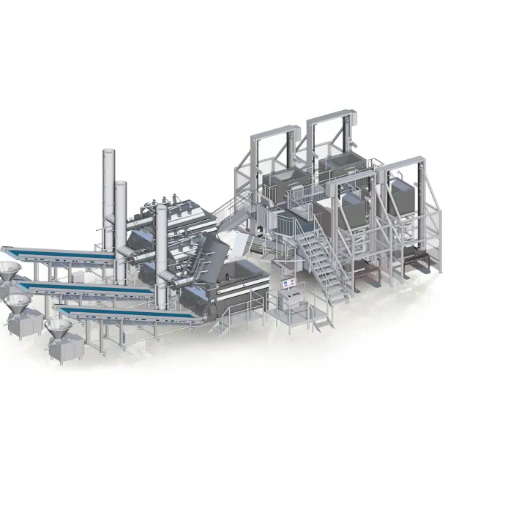
Adding new equipment to a running line is harder than starting fresh. You are not building a new system; you are connecting to an old one that was never designed to change.
Common Legacy Integration Challenges
Older machines often use proprietary control software and closed communication protocols that do not talk to modern systems. Physical space is usually tighter than the drawings suggest, after years of added platforms and cable trays. And food facilities rarely have the downtime to spare, so every retrofit has to fit inside a narrow sanitation window.
When Raj, a biscuit manufacturer in India, tried to add a new oven to his existing line, the biggest problem was not the oven. It was the 20-year-old conveyor controller upstream that could not share speed data. The solution was a small gateway that translated the signals, letting the old conveyor and new oven run in sync without a full rebuild.
Phased Retrofit vs. Full Replacement
Sometimes integration is the answer; sometimes replacement is cheaper. A useful rule of thumb from Baking Business is that if upgrading costs exceed 40 to 50 percent of a new unit, the equipment may be too old to integrate economically.
For everything else, a phased approach works best. Start with one line or one quality checkpoint. Use gateways and middleware that sit alongside legacy equipment without reprogramming it. Validate the result before you scale. This delivers measurable wins, like connecting oven temperature or packaging output to your reporting system, without betting the whole plant on one big change.
Cost, Lead Time, and Total Cost of Ownership
Custom equipment is priced on engineering, mechanicals, controls, and commissioning, and it takes time to build. Understanding the range helps you plan realistically.
Typical Capital Cost and Lead Time by Line Type
| Line Type | Custom CapEx Range | Typical Lead Time |
|---|---|---|
| Snack extrusion | 180Kto180Kto1.2M | 18 to 26 weeks |
| Pasta or macaroni | 250Kto250Kto2M | 22 to 32 weeks |
| Protein or cereal bars | 150Kto150Kto900K | 16 to 24 weeks |
| Biscuit full line | 300Kto300Kto2.5M | 24 to 36 weeks |
These figures exclude ocean freight, which can add another 4 to 12 weeks for international delivery.
Why Total Cost of Ownership Beats Purchase Price
Price is a moment; ownership is years. Industry research cited across buyer guides indicates that manufacturers who select equipment on total cost of ownership rather than purchase price report about 40 percent higher five-year ROI and 30 percent fewer operational disruptions.
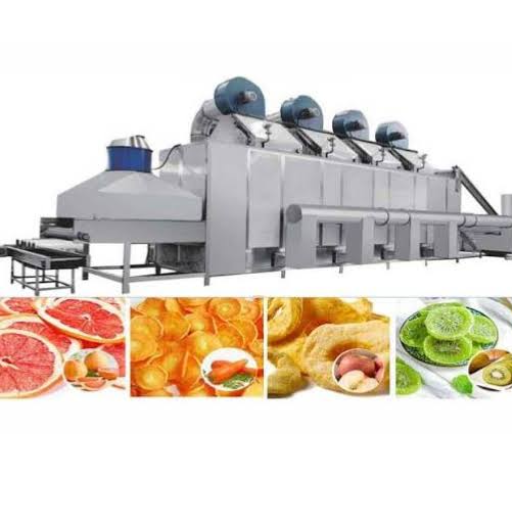
Total cost includes energy consumption, spare parts, downtime, maintenance labor, and changeover time. An energy-efficient machine that costs 10 percent more up front can pay that back many times over if it runs three shifts a day. Our own microwave drying machine, for example, is engineered to reduce energy consumption while preserving product quality.
After-Sales Support, Spare Parts, and Risk Mitigation
The contract is where most of your risk protection lives. Pay attention before you sign, because after-sales support is where cheap suppliers quietly disappear.
Staged Payment Terms and IP Protection
A reasonable payment structure is 30 percent on order, 30 percent on engineering approval, 30 percent at FAT, and 10 percent at SAT. Refuse any demand for full payment before production begins. For international sourcing, use secure payment methods and require third-party inspection before shipment.
Sign a non-disclosure agreement covering your recipe and process IP before engineering starts. A supplier that refuses an NDA is not someone you want handling your formulas.
Warranty, Training, and Remote Support
Confirm in writing what the warranty covers, when it starts, and what it excludes. Ask how quickly routine wear parts can ship, and whether remote support is available. On-site installation and operator training matter more than most buyers realize, because a well-trained crew keeps the line running through the first months.
Shandong Loyal supports enterprise customers with on-site installation, operator training, and ongoing maintenance, backed by the reliability of a manufacturer that has served global food producers for two decades.
Frequently Asked Questions
How much does custom food processing equipment cost?
It depends on the line type, but custom snack extrusion typically runs 180,000to180,000to1.2 million, pasta 250,000to250,000to2 million, and biscuit lines 300,000to300,000to2.5 million, excluding freight. Configure-to-order can lower these figures significantly.
How long does it take to build a custom food production line?
Lead times usually range from 16 to 36 weeks depending on complexity, plus 4 to 12 weeks of ocean freight for international delivery.
Can food processing machines be customized for my factory layout?
Yes. Custom machines are adapted to your ceiling height, floor load, access, utilities, and hygiene requirements. Providing accurate facility details up front is what makes this possible.
How do I choose a custom food machinery manufacturer?
Look for in-house engineering, recent similar projects, documented certifications, and a willingness to let you attend Factory Acceptance Testing. Avoid suppliers with vague portfolios or demands for full payment upfront.
Is custom food processing equipment more expensive to own?
Not necessarily. Because it fits your process, custom equipment can reduce energy, downtime, and changeover costs. Buyers who choose on total cost of ownership report roughly 40 percent higher five-year ROI.
Conclusion
Integrating custom food processing equipment is a decision about fit, not just cost. The manufacturers who do it well treat their equipment supplier as a technical partner, not a vendor. They specify their requirements precisely, verify engineering depth and certifications, follow a disciplined integration sequence, and buy on total cost of ownership.
The steps are simple enough to remember: define your requirements in writing, choose a manufacturer with proven experience in your category, test before you ship, and protect yourself in the contract. Skip any one of these and you risk the same costly surprises that make custom equipment look risky.
That risk is real, but it is manageable, and the payoff is real too: a production line that fits your product, your facility, and your growth plan instead of holding them back.
Ready to build a line around your process, not the other way around? Contact Shandong Loyal Industrial to discuss your requirements, or explore our industrial food processing equipment and food production line equipment to see what is possible.