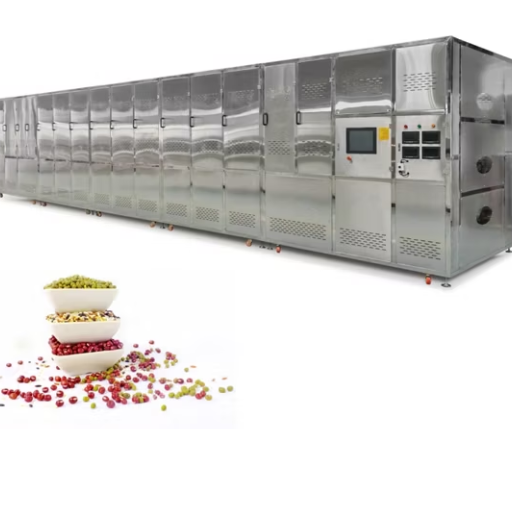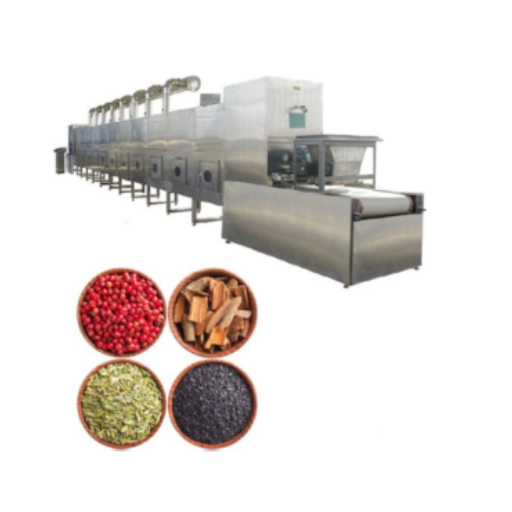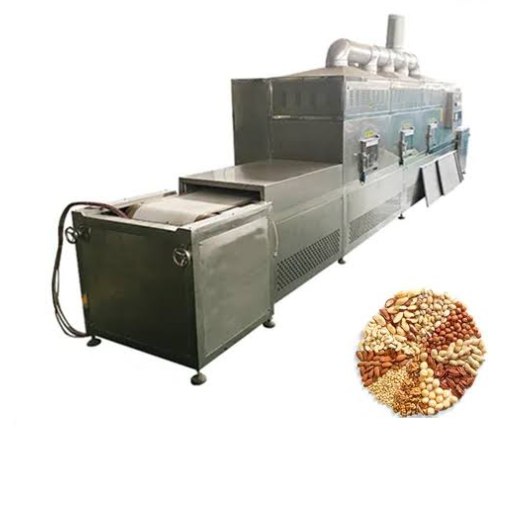
Microwave sterilization machine maintenance is a scheduled program of cleaning, inspection, calibration, and component replacement that keeps industrial microwave sterilizers safe, efficient, and audit-ready. This guide focuses on sterilizer PM, but it sits within the broader family of industrial microwave drying and sterilization systems that food plants rely on for safe, high-throughput processing. A well-run preventive maintenance (PM) program can extend equipment life to 10–15 years and cut reactive repair costs by up to 75%.
Last October, Marcus, a maintenance manager at a Midwest spice plant, walked into his Monday morning shift to find his tunnel microwave sterilizer down. The magnetron had failed overnight. By the time emergency parts arrived and a technician installed the replacement, the line had been idle for 31 hours. The lost production, rush shipping, and quarantined batch cost the plant just over $87,000. The root cause? A clogged cooling fan and a magnetron that had already passed 6,200 operating hours without replacement.
If you run a food processing plant, you already know reactive maintenance is expensive. You also know that FSMA auditors and third-party certification bodies increasingly want proof that your equipment is maintained, calibrated, and validated. This guide gives you a practical microwave sterilization equipment maintenance schedule. It explains which components wear out and when, and shows you how to document everything so your next audit runs smoothly.
Key Takeaways
- A microwave sterilization machine maintenance program covers daily cleaning, weekly inspections, monthly leakage testing and calibration, quarterly filter and seal checks, and annual OEM validation.
- Magnetrons typically last 5,000–8,000 hours and should be replaced proactively at 5,000–6,000 hours to avoid unplanned downtime.
- Food and beverage manufacturing downtime costs 20,000–20,000–100,000 per hour, while preventive maintenance programs in food processing deliver a 3:1 to 5:1 ROI.
- FDA 21 CFR 1030.10 sets the microwave leakage limit at ≤5 mW/cm² at 5 cm; monthly leakage testing is standard practice for industrial units.
- FSMA 21 CFR Part 117 requires maintenance records to be retained for at least two years as part of preventive controls and CGMP documentation.
Want a ready-to-use checklist? Contact our team for a free microwave sterilizer maintenance checklist and a tailored PM schedule for your operation.
Why Microwave Sterilization Machine Maintenance Prevents Costly Downtime

Industrial microwave sterilizers use high-frequency electromagnetic energy, usually at 915 MHz or 2.45 GHz, to heat product volumetrically and inactivate pathogens. The technology is faster and more energy-efficient than retort or autoclave sterilization, but it depends on precision components that degrade over time.
The most expensive single consumable in a microwave sterilizer is the magnetron. When a magnetron fails unexpectedly, it does not just stop production. It can force you to quarantine product made since the last verified cycle, pay expedited freight for a replacement, and bring in an outside technician. A single failure can easily cost more than a full year of preventive maintenance.
According to Info2Soft’s 2026 unplanned downtime analysis, unplanned breakdowns cost 3–5 times more than planned maintenance. Catastrophic failures can cost 10 times more. In food and beverage specifically, Food Industry Executive reported in 2026 that per-plant downtime costs have doubled since 2019 and now exceed 10millionperyearformanyFMCGfacilities.Hourlylossescommonlyrangefrom10millionperyearformanyFMCGfacilities.Hourlylossescommonlyrangefrom20,000 to $100,000.
However, poor maintenance also affects food safety. Worn door seals, misaligned conveyor belts, or drifting temperature sensors can create cold spots or leakage paths that reduce microbial kill efficacy. That raises the risk of a recall, a customer complaint, or an FSMA audit finding. A documented PM program protects both your uptime and your brand.
Looking for equipment built for reliability from day one? Explore our industrial food processing machines to see how Loyal designs industrial microwave systems for long service life.
Understanding the Critical Components of a Microwave Sterilizer
Before building a maintenance schedule, it helps to know which parts of a microwave sterilizer need the most attention. Each component has a different failure mode and replacement cycle.
Magnetron and Microwave Generator
The magnetron converts electrical energy into microwave radiation. It is the heart of the system and the most common failure point. Magnetrons run hot, and their output degrades gradually. Running the sterilizer with an empty chamber, blocked cooling airflow, or low water flow can accelerate failure dramatically. Proactive replacement at 5,000–6,000 hours is the single best way to avoid emergency downtime.
Waveguide and Mode Stirrer
The waveguide channels microwave energy from the magnetron into the sterilization chamber. The mode stirrer distributes that energy to reduce hot and cold spots. Food residue on waveguide windows can absorb microwaves, overheat, and cause arcing. A failed mode stirrer leads to uneven heating and inconsistent microbial kill.
Conveyor Belt, Rollers, and Bearings
Continuous tunnel sterilizers move product on a conveyor belt. Belt tracking, roller condition, and bearing lubrication all affect throughput and product uniformity. Abrasive products like spices or grains wear belts faster than liquid or paste products.
Door Seals, Gaskets, and Interlocks
Door seals prevent microwave leakage. Over time, gaskets harden, crack, or compress. Safety interlocks must stop microwave generation immediately if a door opens. Never operate a sterilizer with a damaged seal or bypassed interlock.
Cooling System
Magnetrons and transformers generate significant heat. Air-cooled systems use fans and heat sinks; water-cooled systems use a closed loop. Blocked filters, low coolant flow, or dust buildup are common causes of overheating.
Temperature Sensors and Controls
PLC/HMI systems monitor power, temperature, belt speed, and cycle time. Sensors drift over time and need periodic calibration against a certified reference. Erratic readings usually mean sensor drift, loose wiring, or electromagnetic interference.
Daily Microwave Sterilization Machine Maintenance Tasks for Operators
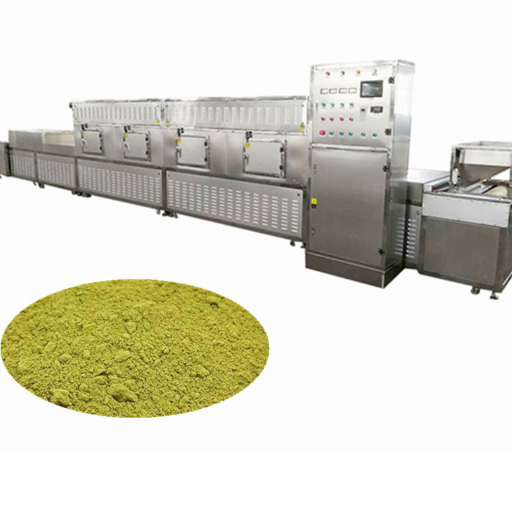
Daily tasks are short but essential. They prevent the residue buildup and seal damage that cause most avoidable failures. Assign them to operators and verify completion with a sign-off log.
- Clean product-contact surfaces. Wipe the conveyor belt, chamber walls, waveguide windows, and door seals with a food-safe, non-abrasive cleaner. Avoid chlorinated chemicals and metal scrubbers that can damage waveguide surfaces.
- Inspect the door gasket. Look for cracks, hardening, deformation, or embedded debris. Check that the door closes evenly and that latches engage fully.
- Test safety interlocks. Confirm that opening a door or access panel stops microwave generation immediately.
- Perform a pre-startup visual check. Look for foreign objects in the chamber, damaged cables, loose panels, or abnormal odors from previous cycles.
- Record cycle parameters. Log time, power, temperature, and belt speed for each production run.
Daily cleaning prevents about 80% of arcing and hot-spot problems. It also keeps your waveguide windows clear so energy reaches the product instead of being absorbed by residue.
Pro tip: Keep a laminated daily checklist at each sterilizer station. Operators are more likely to complete every step when the checklist is visible and easy to sign.
Weekly Maintenance Tasks: Technician Level
Weekly tasks go deeper. They catch developing problems before they become failures.
- Deep clean the conveyor system. Remove the belt if the design allows, and clean the underside, rollers, and frame. Flush drain lines and remove debris from catch trays.
- Clean air intake and exhaust filters. Restricted airflow reduces magnetron cooling efficiency and raises operating temperatures.
- Inspect waveguide covers and windows. Look for discoloration, burn marks, food deposits, or arcing damage. Replace damaged covers promptly.
- Verify magnetron cooling. For air-cooled units, confirm fan operation and clear heat sinks. For water-cooled units, check flow rate, temperature, and coolant level.
- Check conveyor belt tracking. A misaligned belt causes uneven product exposure, premature wear, and spilled product.
- Inspect bearings and rollers. Listen for noise, binding, or vibration. Lubricate per the manufacturer’s schedule.
A technician should complete these tasks during a planned weekly window, not during changeover. Rushing weekly maintenance usually means missed signs of wear.
Monthly Microwave Sterilization Machine Maintenance and Leakage Testing
Monthly work requires a trained technician with the right instruments. This is where safety and compliance documentation become critical.
- Perform microwave leakage testing. Use a calibrated microwave leakage detector to scan door seals, waveguide interfaces, viewing ports, and access panels. The FDA equipment standard sets a limit of ≤5 mW/cm² at 5 cm from any surface. Many plants set an internal action limit of half that value. Record the readings and watch for upward trends.
- Lubricate bearings. Use only food-grade grease approved by the equipment manufacturer.
- Torque electrical connections. Check power terminals, grounding points, and control panel connections for discoloration or heat damage.
- Calibrate temperature sensors. Compare sensor readings against a certified reference thermometer. Document deviation and adjustment.
- Verify delivered power. If you have a power meter, confirm that output matches the setpoint. Gradual decline often signals magnetron aging.
- Inspect magnetrons and mode stirrers. Look for physical damage, loose mounts, or abnormal discoloration.
For example, when Priya took over as QA manager at a ready-meal facility, she found that monthly leakage tests had been skipped for four months. The first test she ran showed a reading of 4.8 mW/cm² at the lower door seal, just under the FDA limit. A gasket replacement brought it back to 0.3 mW/cm². Her proactive catch prevented a potential safety issue and gave her clean records for the next audit.
Quarterly and Annual Maintenance: Qualified Technician or OEM
Some tasks require specialized training, test equipment, or access to high-voltage compartments. Capacitors in microwave power supplies can retain lethal charge even after power-down, so lockout/tagout and qualified personnel are non-negotiable.
Quarterly Tasks
- Replace air and exhaust filters, even if they do not look clogged.
- Perform a comprehensive seal and gasket evaluation.
- Deep clean the sterilization chamber with manufacturer-approved agents.
- Inspect high-voltage components for stress, corrosion, or heat damage.
- Review the previous quarter’s maintenance logs for recurring issues.
Annual Tasks
- Conduct full system validation and calibration by the OEM or a certified technician.
- Map power output across the chamber to confirm uniformity.
- Replace critical wear items proactively, including magnetrons at 5,000–6,000 hours, door gaskets, and worn bearings.
- Update PLC/HMI firmware and back up control programs.
- Perform a comprehensive electrical safety inspection, including grounding integrity and insulation resistance.
Annual validation is also a good time to review your microbial validation data. If log reductions have trended downward, it may indicate a hidden hardware issue rather than a process problem.
Component Replacement Schedule and Costs
Planning replacements in advance helps you control both budget and downtime. Here are typical intervals and cost ranges for a mid-sized industrial microwave sterilizer.
| Component | Typical Lifespan | Replacement Interval | Estimated Cost |
|---|---|---|---|
| Magnetron | 5,000–8,000 hours | Every 12–18 months, or proactively at 5,000–6,000 hours | 800–800–2,000 |
| Conveyor belt | 2–4 years | When wear, fraying, or tracking issues appear | 500–500–1,500 |
| Door gaskets and seals | ~2 years | Annually or per inspection | 100–100–300 |
| Mode stirrer bearings | ~2 years | Every 2 years | 50–50–150 |
| Temperature sensors | 5+ years | When drift exceeds tolerance | 200–200–500 |
| PLC and HMI system | 10+ years | When obsolete or failing | 2,000–2,000–5,000 |
These figures are guidelines. Actual life depends on product abrasiveness, run hours, cooling quality, and operator care. Plants that run multiple shifts per day will see shorter intervals than single-shift operations. Budgeting for magnetron replacement microwave sterilizer costs ahead of time helps you avoid emergency purchases and production delays.
Need help forecasting your maintenance budget? Contact our engineers for a customized component replacement schedule based on your production volume and product mix.
Troubleshooting Common Microwave Sterilizer Problems
Even with good PM, issues can arise. Use this table to diagnose symptoms quickly.
| Symptom | Likely Cause | Recommended Action |
|---|---|---|
| Reduced sterilization power | Magnetron aging or low emission | Test output under load; replace magnetron if below spec |
| Arcing or sparking in chamber | Food residue, cracked waveguide, or burnt antenna cap | Power down, clean thoroughly, inspect waveguide |
| Uneven product heating | Belt misalignment, failed mode stirrer, or wrong frequency | Check tracking, stirrer rotation, and frequency selection |
| Magnetron overheating | Blocked cooling, low water flow, or empty chamber operation | Verify airflow or coolant flow; never run without product load |
| Erratic temperature readings | Sensor drift, loose connections, or EMI | Calibrate sensors; check wiring shielding |
| Door seal leakage | Worn gasket, misaligned door, or damaged latch | Replace gasket; adjust hinges and latches |
| Conveyor belt slipping | Low tension, worn drive roller, or residue | Adjust tension; clean or replace rollers |
| Loud humming with no heat | Internal magnetron short or severe arcing | Power down; test magnetron resistance; replace if shorted |
If you see repeated failures in the same component, look upstream. A magnetron that fails every few months is usually a symptom of poor cooling, dirty waveguides, or frequent empty-chamber operation.
FSMA Compliance and Maintenance Documentation
Under FSMA 21 CFR Part 117, maintenance is not a standalone rule, but it supports several requirements. Equipment must be kept in good repair under Current Good Manufacturing Practices (CGMPs). Preventive controls for process, allergen, sanitation, and supply-chain hazards all depend on properly maintained equipment.
A strong documentation system should include:
- Cleaning logs: Date, time, operator, areas cleaned, and any observations.
- Inspection records: Daily, weekly, and monthly checklists with sign-offs.
- Calibration certificates: Reference standards used, deviation found, and adjustments made.
- Leakage test reports: Test locations, readings, instrument calibration date, and technician signature.
- Component replacement records: Part numbers, serial numbers, run hours at replacement, and technician name.
- Corrective action logs: What failed, why, and what was done to prevent recurrence.
FSMA requires these records to be retained for at least two years. Many plants keep them longer for liability and warranty reasons. A computerized maintenance management system (CMMS) makes retrieval during an audit far faster than paper files.
Building a Maintenance ROI Case
Preventive maintenance is not a cost center. It is an investment in uptime, safety, and asset life. According to Oxmaint’s food manufacturing maintenance guide, effective maintenance programs in food processing typically deliver a 3:1 to 5:1 ROI.
Here is a simple way to frame the business case:
- Annual PM cost: 8–12% of equipment purchase price
- Reactive repair cost: 3–5 times higher than planned maintenance
- Downtime cost: 20,000–20,000–100,000 per hour in food and beverage
- Magnetron replacement cost: 800–800–2,000 if planned; significantly more if emergency
For a 100,000microwavesterilizer,a10100,000microwavesterilizer,a1010,000. One avoided 12-hour downtime event at $50,000 per hour pays for five years of maintenance. That does not include the avoided costs of quarantined product, rush freight, or customer penalties.
In addition, a CMMS can strengthen the case further. Digital work orders, automated reminders, and audit-ready reports reduce administrative time and help technicians focus on value-added work rather than paperwork.
Want to extend the life of your existing line? Learn how our industrial microwave oven systems combine reliable design with global after-sales support.
Frequently Asked Questions About Microwave Sterilization Machine Maintenance
How often should a magnetron be replaced in a microwave sterilizer?
Magnetrons typically last 5,000–8,000 operating hours. For high-use food plants, proactive magnetron replacement microwave sterilizer maintenance recommends replacing them at 5,000–6,000 hours. Waiting for complete failure usually results in 24–48 hours of unplanned downtime.
What is the FDA microwave leakage limit for industrial sterilizers?
FDA 21 CFR 1030.10 sets the equipment leakage limit at ≤5 mW/cm² measured 5 cm from any surface. Many plants set an internal action limit of half that value and test monthly with a calibrated leakage detector.
How long do microwave sterilization maintenance records need to be kept for FSMA?
FSMA 21 CFR Part 117 requires maintenance and monitoring records to be retained for at least two years. Many companies keep them longer for warranty claims, liability protection, and customer audits.
What is the ROI of preventive maintenance for food processing equipment?
Effective preventive maintenance programs in food processing typically deliver a 3:1 to 5:1 ROI. Because unplanned breakdowns cost 3–5 times more than planned maintenance, even one avoided downtime event can pay for years of PM.
What is the difference between daily and weekly microwave sterilizer maintenance?
Daily maintenance focuses on cleaning, seal inspection, interlock testing, and cycle logging. Weekly maintenance goes deeper with filter cleaning, waveguide inspection, cooling verification, and conveyor belt tracking. Both are essential, but weekly tasks require more time and a technician’s eye.
Conclusion
Microwave sterilization machine maintenance is not complicated, but it must be consistent. The plants that get the best uptime and longest equipment life follow a clear schedule: daily cleaning, weekly inspections, monthly testing and calibration, quarterly deep checks, and annual OEM validation. They also keep detailed records that satisfy FSMA auditors and help them spot trends before they become failures.
The cost of skipping PM is real. A single magnetron failure during peak season can erase the savings of months of skipped maintenance. By contrast, a 3:1 to 5:1 ROI on preventive maintenance is common in food processing.
Therefore, start with the basics. Make sure your operators understand daily cleaning and seal inspection. Train a technician to do weekly and monthly checks. Schedule annual validation with your OEM or a certified service partner. And keep records for every task.
Ready to protect your line? Contact Shandong Loyal Industrial today for a free microwave sterilization machine maintenance checklist, a tailored PM schedule, or OEM maintenance support for your microwave sterilization machine. Our team serves food manufacturers worldwide with reliable equipment, spare parts, and engineering expertise you can count on.