Modified starch applications span seven major sectors: food and beverage, paper and packaging, textiles, oil and gas drilling, construction, pharmaceuticals, and biodegradable packaging. The global modified starch market is expected to reach approximately USD 9.8 billion in 2026.
That single ingredient in your salad dressing, the corrugated box protecting your last delivery, and the tablet coating in your medicine cabinet likely share one common source: modified starch. Yet most B2B buyers still struggle to match the right starch modification to the right end-use requirement.
You already know that starches behave differently under heat, pressure, and freezing. In this guide, you’ll learn which modified starch grades serve which industries. You’ll also see how production-line design must adapt to manufacture them at scale. We’ll also show how Shandong Loyal’s extrusion, drying, and automation expertise supports common modified starch uses.
Key Takeaways
- Food and beverage accounts for 55–62% of modified starch demand, with thickening, stabilization, and texture control as the leading functions
- Cationic starch dominates paper wet-end applications, while oxidized starch excels in surface sizing and coatings
- Pregelatinized starch is the go-to choice for instant foods, cold-water swelling, and oil-drilling fluid-loss control
- Emerging applications in biodegradable packaging, pharmaceuticals, and biofuels are growing faster than commodity food-grade starch
- The right modified starch application depends on matching modification type, raw material source, and production equipment to end-use specifications
What Is Modified Starch and Why Is It Modified?
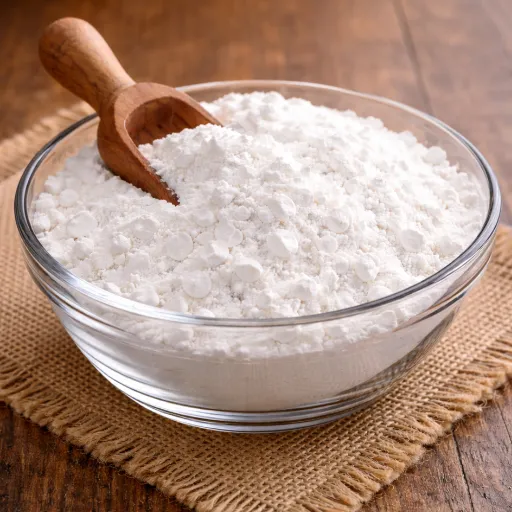
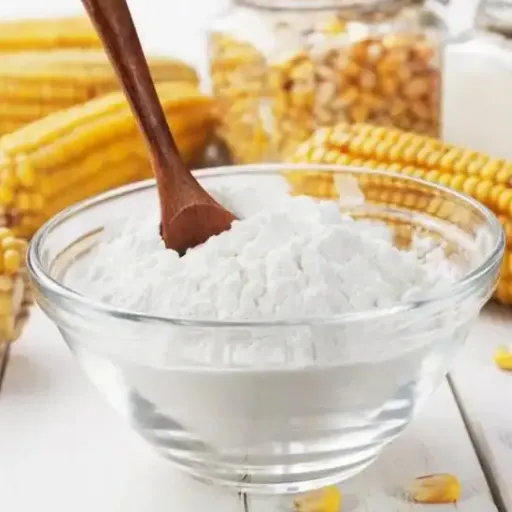
Modified starch is native starch from corn, cassava, potato, wheat, or rice that has been physically, chemically, or enzymatically treated to improve its functional properties. Native starch thickens when heated and gels when cooled, but it breaks down under acid, heat, shear, or freezing. Modification overcomes these limits.
According to the FAO, modified starches are produced to enhance characteristics such as solubility, viscosity, stability, texture, adhesion, and freeze-thaw resistance. The result is a versatile ingredient that industrial buyers can specify by function rather than by source alone.
The main modification routes include:
- Physical modification: pregelatinization, extrusion, heat-moisture treatment
- Chemical modification: cross-linking, acetylation, oxidation, cationization, etherification
- Enzymatic modification: hydrolysis or conversion with enzymes for specific viscosity or sweetness profiles
For a deeper explanation of reaction chemistry, see our guide to chemical modification of starch.
| Modification Type | Key Property | Common Applications |
|---|---|---|
| Pregelatinized starch | Cold-water swelling | Instant foods, drilling fluids, pharmaceutical binders |
| Cross-linked starch | Heat, acid, and shear stability | Canned soups, sauces, dressings, frozen meals |
| Oxidized starch | Clear films, low viscosity | Paper sizing, confectionery coatings, adhesives |
| Cationic starch | Positive charge, fiber bonding | Paper wet-end retention and strength |
| Acetylated starch | Freeze-thaw stability | Frozen foods, dairy desserts, ready meals |
| Hydroxypropylated starch | Moisture retention | Bakery, processed meats, meat alternatives |
Each route creates a starch grade suited to different modified starch applications. For example, cross-linked starch resists breakdown in acidic salad dressings, while oxidized starch forms clear films ideal for paper coatings.
Food and Beverage Applications
Food and beverage remains the largest end-use segment for modified starch applications, accounting for roughly 55–62% of total demand. Within modified starch in food industry use, thickening represents about 34.6% of functional use, followed by stabilization, binding, and texture modification. These modified starch uses in the food industry cover everything from shelf-stable sauces to gluten-free baked goods.
Sauces, Soups, and Dressings
Cross-linked and acetylated starches are the workhorses of the sauces category. They maintain viscosity during retort processing, resist acid breakdown in tomato-based products, and prevent syneresis during refrigerated storage.
Maria, a sauce manufacturer in São Paulo, switched from native corn starch to a cross-linked waxy maize starch for her béchamel line. Before the switch, her products separated after two freeze-thaw cycles. After the switch, shelf stability improved from 6 months to 12 months, and customer complaints dropped by 40%.
Dairy and Desserts
Hydroxypropylated and pregelatinized starches deliver creamy mouthfeel in yogurt, pudding, ice cream, and custard. They prevent water weeping, improve freeze-thaw stability, and can replace fat while maintaining indulgent texture.
Bakery Products
Oxidized and pregelatinized starches improve breadcrumb softness, delay staling, and extend shelf life in packaged bread and cakes. In gluten-free formulations, modified tapioca and potato starches help replace the elastic structure lost when wheat is removed.
Processed Meats and Meat Alternatives
Modified potato and tapioca starches bind water and fat in sausages, deli meats, nuggets, and plant-based burgers. The result is a juicier texture, better sliceability, and reduced cook loss.
Confectionery
Oxidized and acid-thinned starches provide clarity, gloss, and film-forming properties in jelly candies, marshmallows, and pan coatings. They also control chewiness and prevent sugar crystallization.
Snacks, Cereals, and Instant Foods
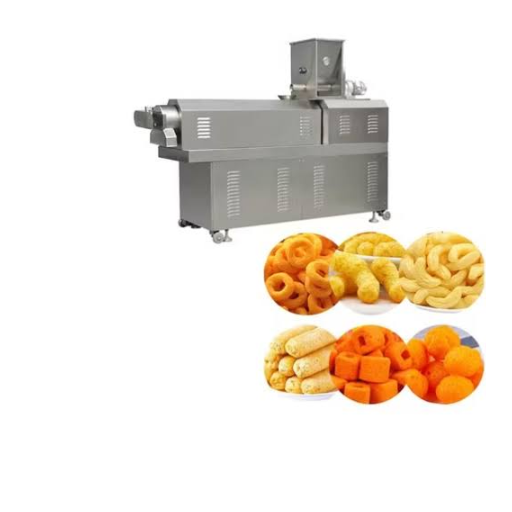
Pregelatinized and extruded starches provide cold-water swelling for instant puddings, cup noodles, and baby cereals. These pregelatinized starch applications rely on starch that has already been cooked and dried, so it thickens without heat. They also support expansion and crispness in extruded snacks produced on a twin-screw extruder for starch modification. This makes modified starch a useful ingredient in puff snack production lines.
If you are exploring snack production, our food processing machines cover everything from extrusion to packaging.
Ready to produce starch-enhanced foods at scale? Explore our food processing machinery →
Paper and Packaging Applications
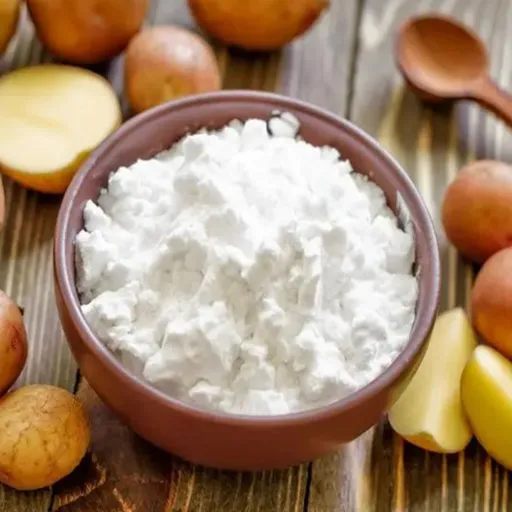
The paper industry is the second-largest consumer of modified starch applications. Cationic and oxidized starches perform different but complementary roles in papermaking.
Wet-End Additives
Cationic starch carries a positive charge that attracts it to negatively charged cellulose fibers and fillers. These cationic starch uses improve retention, drainage, and paper strength. Mill operators typically see better burst, tensile, and folding resistance after adding cationic starch to the wet end.
At a paper mill in Vietnam, the production team added cationic starch to their wet-end system. Retention improved by 18%, drainage speed increased by 12%, and the mill reduced fresh fiber usage by 7% within the first quarter.
Surface Sizing and Coating
Oxidized starch applications are common in surface sizing because this starch forms clear, low-viscosity films. It improves printability, smoothness, gloss, and ink holdout on paper and board.
Corrugated Board Adhesives
Starch-based adhesives bond the fluted medium to the linerboard in corrugated packaging. Modified starches control viscosity, set speed, and bonding strength, which is critical for high-speed corrugators.
Textile Industry Applications
Textile manufacturers use modified starch applications mainly for warp sizing. Oxidized and modified starches coat yarn to protect it from abrasion during weaving.
Warp Sizing
Sized yarn breaks less often on high-speed looms. Oxidized starch is popular because it produces a flexible, soluble film that removes easily during desizing. Modified starches also reduce dusting and improve weaving efficiency.
Finishing and Printing
Starch derivatives add stiffness, body, and smoothness to fabrics. In textile printing, they act as thickeners for dye pastes, ensuring sharp patterns and consistent color yield.
Oil and Gas Applications
Modified starch applications in oil and gas focus on drilling fluids, completion fluids, and cementing operations. Pregelatinized starch is the most common grade in this sector.
Drilling Fluids
Pregelatinized starch acts as a fluid-loss control agent in water-based drilling muds. It forms a thin, low-permeability filter cake on the borehole wall, reducing fluid invasion into formations. Many drilling-fluid starches must remain stable above 120°C in downhole conditions.
James, a drilling-fluid supplier in Texas, reformulated his water-based mud with a thermally stable pregelatinized starch. Fluid-loss values dropped by 35% at 150°C, and his customer reduced non-productive time during a high-temperature well completion.
Well Completion and Cementing
Modified starches control viscosity and filtration in completion and cementing fluids. They help maintain suspension of solids and prevent fluid loss into the formation.
Construction and Adhesives Applications
Construction is a growing outlet for modified starch applications, especially in developing markets where cost-effective, bio-based binders are in demand.
Mortar, Putty, and Gypsum Products
Modified starches improve workability, water retention, and adhesion in tile adhesives, wall putty, gypsum plaster, and mortar. They extend open time and reduce cracking during curing.
Corrugated and Paperboard Adhesives
Beyond corrugated board, starch adhesives are used in carton sealing, lamination, and tube winding. Oxidized and borated starches adjust viscosity and tack for different line speeds.
Pharmaceutical and Personal Care Applications
Pharmaceutical and personal care represent smaller but higher-margin modified starch applications. These sectors demand consistent quality, documentation, and often pharmaceutical-grade certification.
Pharmaceutical Excipients
Pregelatinized starch is widely used as a tablet binder, disintegrant, filler, and diluent. It improves compressibility and helps tablets break down in the digestive tract. Modified starches also appear in capsule formulations and controlled-release drug delivery systems.
Cosmetics and Personal Care
In lotions, creams, and powders, modified starches act as thickeners, absorbents, and film formers. They can replace synthetic polymers in clean-label cosmetic formulations.
Emerging Applications
Several new modified starch applications are growing faster than traditional food-grade commodity starch. These markets often reward specialty grades with higher margins.
Biodegradable Packaging
Starch-based films and blends are being developed as alternatives to petroleum-based plastics. Thermoplastic starch and modified starch composites can be used in shopping bags, food trays, and agricultural mulch films.
Animal Feed
Modified starches serve as pellet binders and energy sources in aquaculture, poultry, and livestock feed. They improve pellet durability and reduce feed waste.
Biofuels and Industrial Bioprocessing
Modified starches can be enzymatically converted into fermentable sugars for ethanol production. They also serve as raw materials for specialty chemicals and biodegradable adhesives.
Modified Starch Applications at a Glance
| Industry | Common Starch Types | Main Functions |
|---|---|---|
| Food & beverage | Cross-linked, acetylated, pregelatinized | Thickening, stabilization, texture, shelf life |
| Paper & packaging | Cationic, oxidized | Fiber bonding, surface sizing, adhesives |
| Textiles | Oxidized | Warp sizing, finishing, printing thickeners |
| Oil & gas | Pregelatinized | Fluid-loss control, filtration control |
| Construction | Oxidized, modified | Binding, water retention, workability |
| Pharmaceuticals | Pregelatinized | Tablet binder, disintegrant, filler |
| Sustainable packaging | Thermoplastic starch, starch blends | Biodegradable films, trays, coatings |
How Modified Starch Applications Drive Production-Line Design
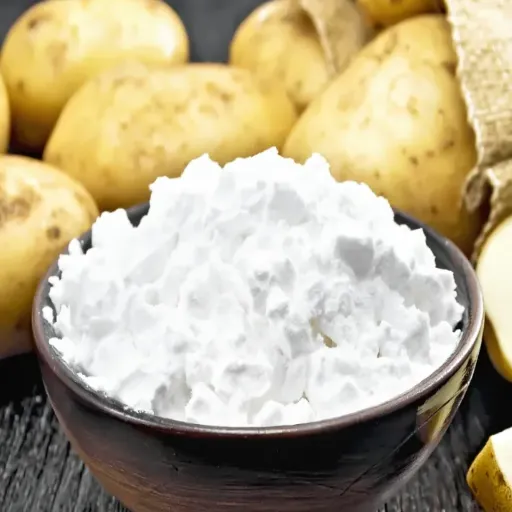
The end use of modified starch directly determines the production equipment, process parameters, and quality standards required. A line optimized for food-grade pregelatinized starch differs from one producing cationic starch for paper mills.
Food-Grade vs. Industrial-Grade Requirements
Food-grade modified starch requires stainless-steel contact surfaces, sanitary design, and compliance with FDA, EFSA, or local food safety regulations. Industrial grades for paper or construction may prioritize throughput and cost over sanitary features. Loyal’s industrial food processing equipment is built for both sanitary and high-throughput starch applications.
Drying and Milling Specifications by Application
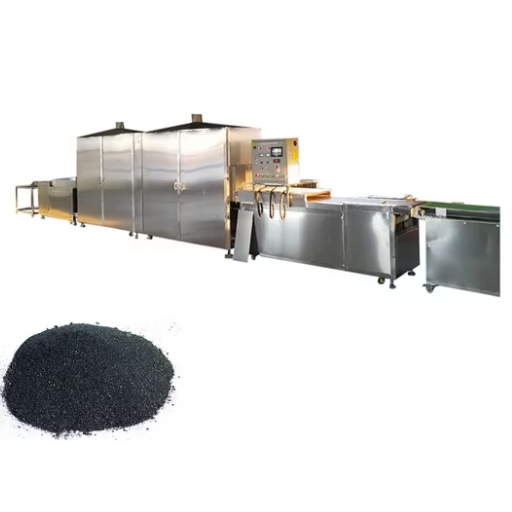
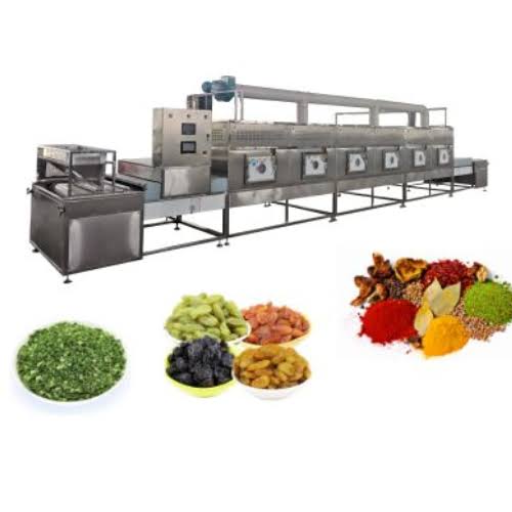
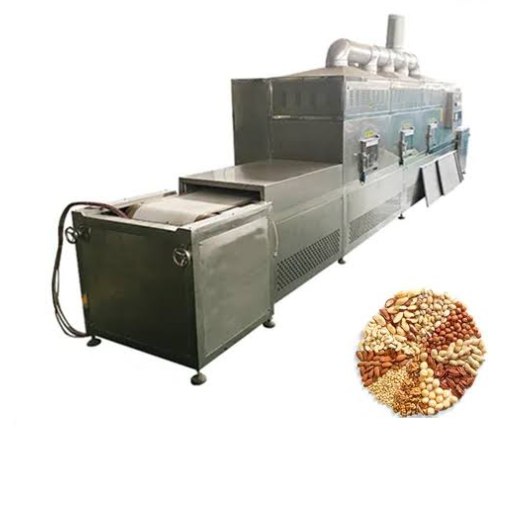
Instant-food starches require precise moisture content and particle size for quick hydration. Paper-grade starches may need lower viscosity and higher solubility. Drying method matters: fluidized bed dryers, spray dryers, belt dryers, and industrial microwave drying solutions each suit different starch grades and capacities. For a full dryer selection guide, see our article on starch drying equipment.
Quality Control and Certification Needs
Each application carries its own quality tests. Food starches are tested for viscosity, gel strength, moisture, and microbial limits. Paper starches are tested for cationic charge density, solubility, and film strength. Pharmaceutical starches require excipient-grade documentation and validation.
For a deeper look at how starch is transformed from raw material to finished grade, see our guide to the step-by-step modified starch manufacturing process.
Need a production line tailored to your target application? Request a modified starch production line quote →
FAQ
What is modified starch used for?
Modified starch is used as a thickener, stabilizer, binder, gelling agent, emulsifier, film former, and texture modifier. Common modified starch applications include food, paper, textile, oil drilling, construction, pharmaceutical, and packaging products.
What foods contain modified starch?
Common foods include canned soups, sauces, gravies, salad dressings, yogurt, ice cream, puddings, bread, cakes, gluten-free baked goods, sausages, instant noodles, confectionery, and snack foods.
What industries use modified starch?
The main industries are food and beverage, paper and packaging, textiles, oil and gas, construction, pharmaceuticals, and personal care. Emerging sectors include biodegradable packaging and animal feed.
Is modified food starch safe?
Yes. Modified food starch is generally recognized as safe by regulatory agencies such as the FDA and EFSA when produced according to approved processes and used within specified limits.
Which modified starch is best for paper manufacturing?
Cationic starch is best for wet-end retention and strength, while oxidized starch is preferred for surface sizing and coatings. The choice depends on the specific paper grade and machine conditions.
Conclusion
Modified starch applications touch nearly every manufacturing sector, from the food on store shelves to the drilling fluids used miles underground. Understanding which modification type fits which industry is the first step toward producing or sourcing the right grade at the right specification.
The biggest opportunity today lies in matching application requirements to production capability. Food manufacturers need clean-label, heat-stable starches. Paper mills need cationic and oxidized grades with precise charge and film properties.
Oilfield service companies need thermally stable pregelatinized starches. Emerging markets like biodegradable packaging demand specialty grades with tailored processing parameters.
At Shandong Loyal, we design complete modified starch production line solutions that align extrusion, drying, and quality control with your target application. Whether you are entering the food, paper, or industrial starch market, our engineering team can help you select the right configuration, capacity, and certification path.
Contact us today to discuss your modified starch application and request a tailored equipment proposal.