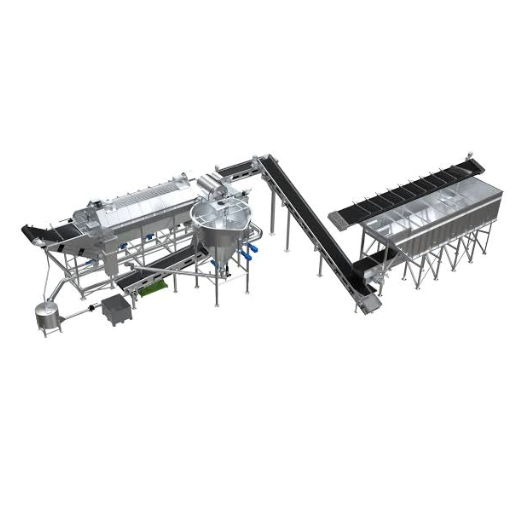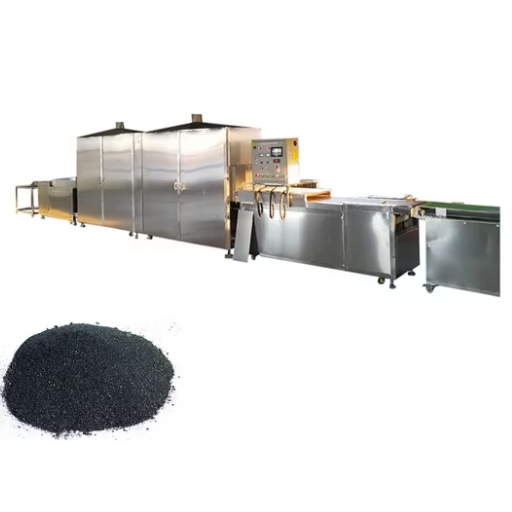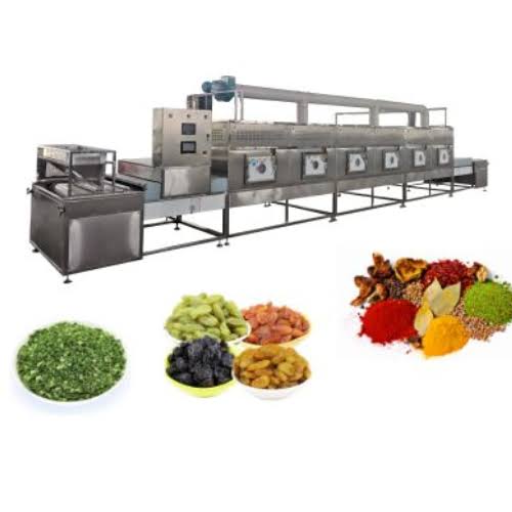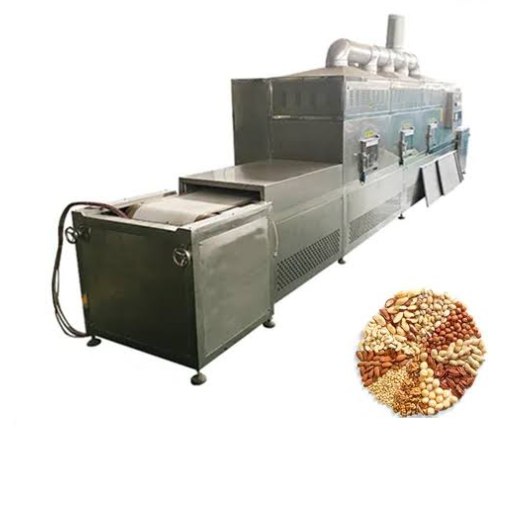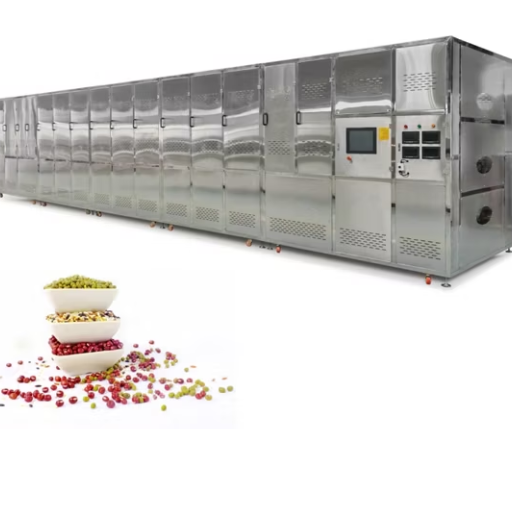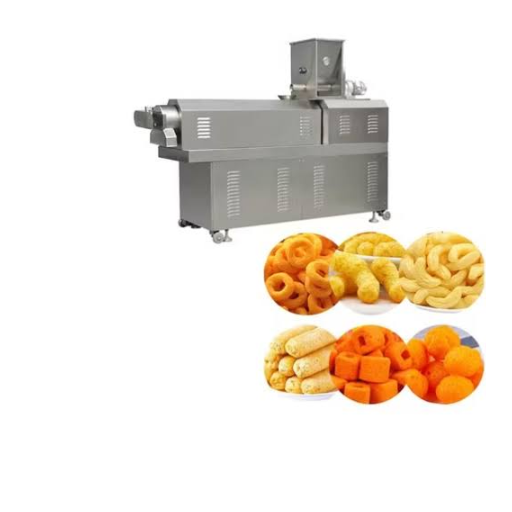
Custom food processing equipment is the better choice when your recipe, layout, or compliance needs cannot be met by a standard machine; off-the-shelf equipment wins when you need proven technology, fast delivery, and low upfront cost. Most successful food manufacturers use a mix of both, matching the right machine to each stage of production.
That single decision, custom or standard, can shape your output, your budget, and your ability to scale for the next decade. Yet many buyers treat it as a simple price comparison and end up paying far more in hidden costs.
In this guide, you’ll learn exactly how custom and off-the-shelf food processing equipment differ, when each option makes sense, and how to calculate the true cost of ownership. We’ll also walk through a practical decision framework you can use today, whether you are launching a new snack line or upgrading an existing plant.
Key Takeaways
- Off-the-shelf equipment costs less upfront and ships faster, but it can force expensive workarounds when your product or process is unique.
- Custom food processing equipment matches your exact recipe, layout, and compliance needs, often delivering lower total cost of ownership at high volumes.
- A modular middle ground lets you start with a standard core machine and add custom components later as demand grows.
- The break-even point for custom machinery usually appears through reduced waste, faster changeovers, and lower downtime, not just the purchase price.
- Shandong Loyal Industrial Co., Ltd. designs both standard and tailored food processing machines for snack, pet food, pasta, and nutrition producers worldwide.
What Is Off-the-Shelf Food Processing Equipment?
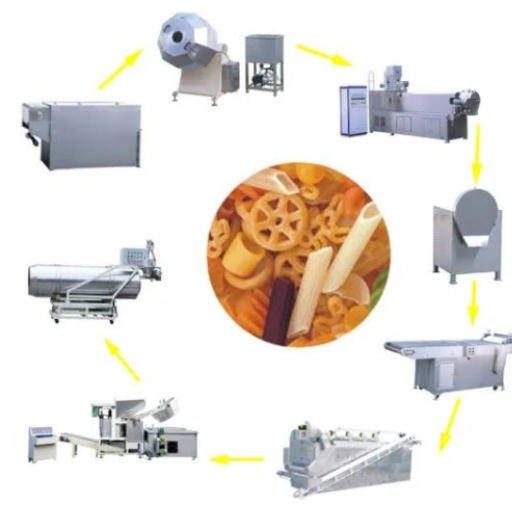
Off-the-shelf food processing equipment is machinery that a manufacturer builds to a standard design and sells to many customers. Think of industrial mixers, extruders, fryers, conveyors, and packaging machines that arrive with fixed specifications, standard controls, and a catalog model number.
Typical advantages
- Lower purchase price. Mass production spreads engineering costs across many units.
- Faster delivery. A stocked machine can ship in days or weeks instead of months.
- Proven design. Thousands of operating hours in the field reduce technical risk.
- Easier spare parts. Standard components are usually available from multiple suppliers.
- Simple financing. Lenders and leasing companies understand standard asset values.
For common processes, blending flour and water, frying potato chips, drying pasta, or filling standard packages, off-the-shelf equipment often performs beautifully. If your product matches the machine’s design intent, you get reliable output without reinventing the wheel.
Where standard equipment falls short
Problems appear when your product, facility, or process deviates from the catalog assumptions. A standard extruder may struggle with a high-fiber recipe. A fixed-width conveyor may not fit your cleanroom layout. A generic control system may not talk to your existing SCADA network.
Those mismatches create workarounds. Operators spend time adjusting recipes by hand. Maintenance teams fabricate custom brackets. Quality staff reject more product.
Each workaround adds labor, waste, and risk. Over five years, the “cheaper” machine can easily become the more expensive one.
What Is Custom Food Processing Equipment?
Custom food processing equipment is engineered and built to meet a specific set of requirements. The process usually starts with a detailed discovery phase: product samples, target throughput, facility drawings, hygiene standards, and integration points. Engineers then design dies, molds, cutters, control recipes, frames, and automation sequences around those inputs.
How custom equipment is engineered
- Requirement gathering, product characteristics, capacity targets, utility limits, and compliance standards.
- Concept design, layout, material flow, and critical machine components.
- Detailed engineering, mechanical, electrical, and software design, often with 3D modeling.
- Fabrication, stainless-steel construction, precision machining, and assembly.
- Factory acceptance testing, running product samples to verify performance before shipment.
- Installation and commissioning, integration with your line, operator training, and handover.
Examples of customizations
- Recipe-specific dies and molds for unique snack shapes or pet food kibble.
- Custom cutter configurations for biscuits, cereal bars, or pasta.
- Control recipes and PLC programming tailored to your exact thermal profile.
- Line integration so the new machine communicates with your existing conveyors and packaging systems.
- Hygienic design modifications for allergen control, clean-in-place systems, or FDA/USDA compliance.
When a process is central to your competitive advantage, custom equipment protects that advantage. Your machine becomes an asset that is hard for competitors to copy.
Custom vs Off-the-Shelf Food Processing Equipment: Key Differences
| Factor | Off-the-Shelf Equipment | Custom Food Processing Equipment |
|---|---|---|
| Upfront cost | Lower | Higher |
| Delivery time | Days to weeks | Weeks to months |
| Design flexibility | Limited to catalog options | Engineered to your specs |
| Integration with existing line | May require adapters or workarounds | Designed to fit your layout and controls |
| Product match | Best for standard recipes | Best for unique or proprietary products |
| Changeover speed | Fixed; may be slower for SKU variety | Can be optimized for rapid changeovers |
| Maintenance and parts | Standard parts widely available | Some parts custom; supplier support critical |
| Total cost of ownership | Can rise due to waste and downtime | Often lower at scale through efficiency gains |
| Scalability | Upgrade by buying additional units | Can be designed for modular expansion |
This table is the fastest way to see the trade-off. Off-the-shelf equipment lowers your entry cost. Custom food processing equipment lowers your lifetime cost when the process matters.
When Off-the-Shelf Equipment Makes Sense
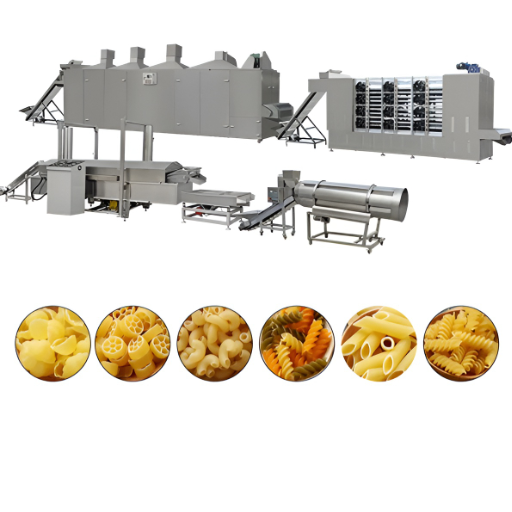
Standard machinery is often the right call. Consider it when:
- Your product uses a common process that many manufacturers share.
- Your volumes are low to moderate and do not justify custom engineering.
- Your budget is tight and you need to preserve cash for other priorities.
- You need fast delivery to meet a launch deadline or replace a broken machine.
- Your team has the technical skill to adapt a standard machine in-house.
- You want to test a market before committing to a full custom line.
Mini-story: When Priya launched a small bakery in Pune, she bought a standard biscuit depositor. It handled basic cookies well, cost half what a custom line would, and arrived in three weeks. Within eight months, demand for gluten-free sandwich biscuits outpaced the machine’s fixed nozzles. Priya’s story shows the limits of off-the-shelf equipment: it carried her through launch, but it could not grow with her product innovation.
For startups, pilot plants, and commodity products, off-the-shelf equipment is usually the smart first step. It gets you into production quickly and lets you learn what you actually need before you invest in customization.
When to Invest in Custom Food Processing Equipment
Custom engineering becomes the better choice when standard assumptions break down. Ask for custom food processing equipment when:
- Your recipe or product shape is unique and cannot run reliably on a catalog machine.
- You operate at high volume, where even small efficiency gains create large savings.
- Your facility layout has tight clearances, low ceilings, or unusual utility constraints.
- You face strict hygiene, allergen, or regulatory requirements that standard machines do not meet.
- You run frequent product changeovers and need fast, repeatable setup.
- You want the machine to integrate tightly with upstream and downstream equipment.
- Your product is the core differentiator in your market.
Mini-story: In 2024, a pet food producer in Brazil named Carlos wanted to launch a line of heart-shaped kibble for small breeds. Standard extruders could not form the shape without crumbling, and the thermal profile was too aggressive for the protein blend. A custom extruder with a specially designed die and gentler screw configuration cut waste from 18% to 4% and let Carlos enter a premium niche his competitors could not serve.
That is the power of custom food processing equipment. It turns a process limitation into a market opportunity.
Cost Comparison: Upfront Investment vs Long-Term ROI
The most common mistake buyers make is comparing only the invoice price. The real comparison is total cost of ownership over the machine’s life.
Upfront costs
- Off-the-shelf equipment typically has a lower purchase price and minimal engineering fees.
- Custom food processing equipment carries higher design, tooling, and fabrication costs. According to a 2026 equipment pricing guide, customizations such as recipe-specific dies, molds, cutters, and control recipes can add 5,000to5,000to50,000 or more to a project (loyalfoodmachines.com).
Long-term costs
- Waste and yield. A machine that matches your product reduces rejected product and reclaim.
- Downtime. Better integration and fewer workarounds mean fewer unplanned stops.
- Labor. Automated changeovers and precise controls reduce manual intervention.
- Energy. Custom thermal and mechanical designs can lower utility bills.
- Maintenance. Standard parts are cheaper, but custom machines often fail less often when designed for the actual load.
Calculating break-even
Estimate the annual savings from waste reduction, labor efficiency, and energy use. Divide the custom premium by those savings. If the payback period is within your planning horizon, often two to four years for high-volume lines, custom equipment is usually the financially sound choice.
Want to see how a tailored line could affect your numbers? Contact us for a custom ROI estimate based on your product and capacity targets.
The Modular Middle Ground
You do not have to choose all-or-nothing. Many food manufacturers start with a modular platform: a standard core machine plus optional custom modules.
For example, a snack producer might buy a standard twin-screw extruder and add a custom die assembly and flavoring drum. A pasta manufacturer might start with a standard sheeting line and later add a custom cutting module. This approach:
- Reduces initial capital outlay.
- Proves the process before full customization.
- Allows upgrades without replacing the entire line.
- Preserves spare-part commonality for core components.
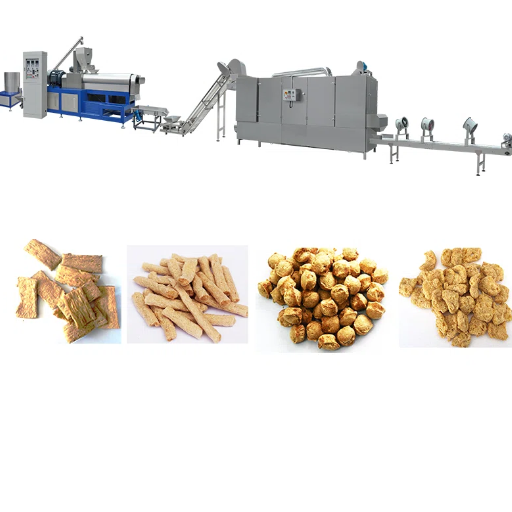
At Shandong Loyal Industrial Co., Ltd., we often recommend this path for growing companies. A snack food production line can begin with proven extrusion technology and expand with dies, cutters, and dryers configured for your exact recipe.
How to Choose: A 7-Point Decision Framework
Use this checklist when you are evaluating custom food processing equipment vs off-the-shelf options:
- Product uniqueness, How different is your recipe or shape from standard industry products?
- Production volume, Will high throughput justify a larger upfront investment?
- Budget and financing, Can you absorb the custom premium, or do you need the lowest entry cost?
- Timeline, How quickly must the line be running?
- Integration needs, Will the machine need to connect with existing conveyors, controls, or packaging?
- Compliance and food safety, Do you need special materials, cleanability, or certifications?
- Future growth, Do you expect SKU expansion, capacity increases, or new markets?
If you answer “yes” to four or more of the first six questions, custom equipment deserves serious consideration. If budget and timeline dominate, start with a standard or modular solution.
See Custom Food Processing Equipment in Action
A short factory tour or product demonstration helps buyers understand how custom tooling, line integration, and control systems work together. If you do not have your own video yet, this is an ideal place to embed one.
How Shandong Loyal Industrial Co., Ltd. Supports Both Paths
Whether you need a proven standard machine or a fully tailored solution, the right partner makes the difference. Shandong Loyal Industrial Co., Ltd. designs and manufactures industrial food processing equipment for snack, pet food, pasta, instant noodle, cereal, and nutrition producers around the world.
What we offer
- Standard production lines for common products and fast deployment.
- Custom food processing solutions engineered around your recipe, capacity, and facility.
- Modular upgrades that let you start simple and scale without replacing equipment.
- Energy-efficient technology, including advanced microwave drying machine systems.
- Global after-sales support, installation, training, and spare parts.
Mini-story: A rice cracker manufacturer in Southeast Asia came to us with a tight floor plan and a target output that no catalog machine could hit. We started with a standard extrusion platform and added a custom cooling conveyor, a smaller footprint dryer, and a PLC recipe library. The line reached target capacity on the first production run and saved enough floor space for a future packaging station.
That is the balance we aim for: the reliability of a proven platform with the precision of custom engineering where it matters.
Market Context: Why Customization Is Growing
The global food processing equipment market is projected to reach roughly 59billionto59billionto68 billion in 2026, growing at 4% to 6% annually (Grand View Research). Two forces are pushing demand toward customization:
- Product proliferation. Consumers want more flavors, formats, and functional ingredients. Standard lines struggle with rapid SKU change.
- Automation and traceability. Manufacturers need equipment that connects to MES and ERP systems, which often requires custom controls and sensors.
The custom automation equipment market alone is estimated at roughly $5.35 billion in 2026, growing near 7% per year. Food producers who invest in tailored machinery now are positioning themselves ahead of that curve.
Conclusion: Match the Machine to the Mission
Choosing between custom food processing equipment and off-the-shelf machinery is not about which option is “better.” It is about which option matches your mission.
If you need fast, affordable, proven technology for a standard product, off-the-shelf equipment is hard to beat. If your product, process, or growth plan demands precision, integration, and scalability, custom food processing equipment is usually worth the premium.
The smartest buyers often take a hybrid approach: standard where it does not matter, custom where it does. That strategy controls risk, preserves capital, and still captures the competitive advantages of tailored engineering.
At Shandong Loyal Industrial Co., Ltd., we help food manufacturers find that balance every day. From standard food production line equipment to fully custom installations, we design solutions that fit your product, your facility, and your goals.
Ready to choose the right equipment for your production line? Request a quote or explore our custom food processing solutions today.