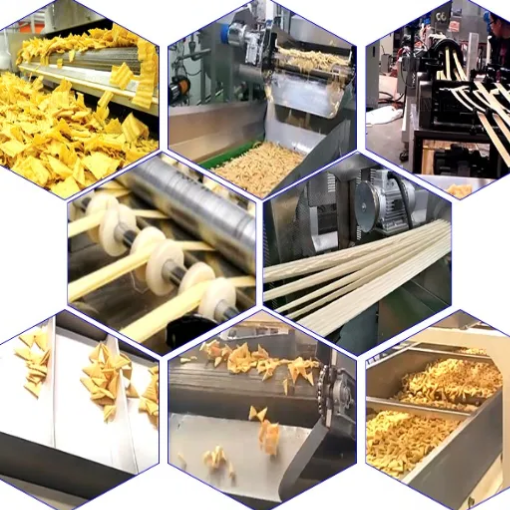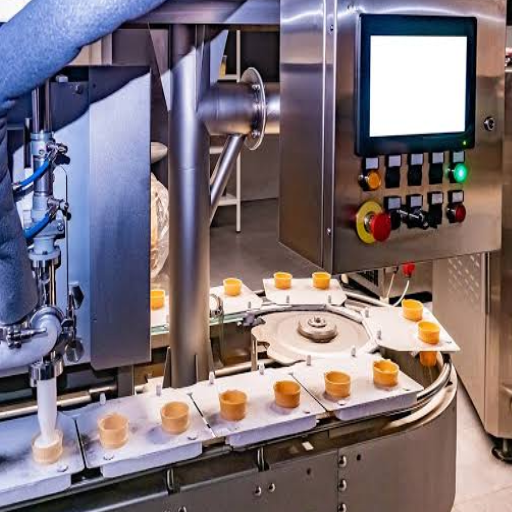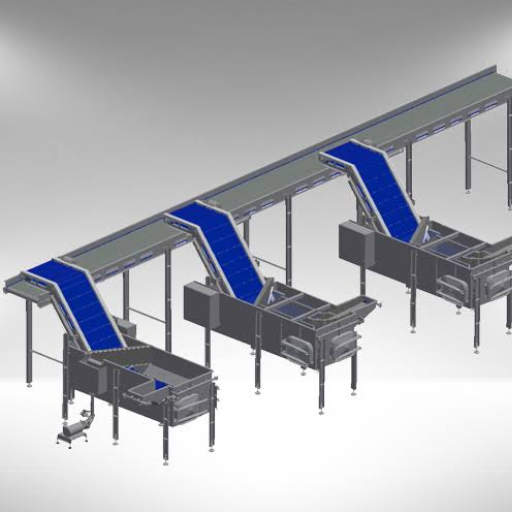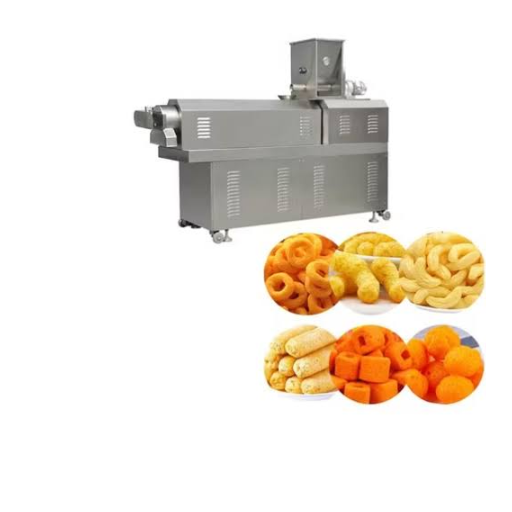
The corn flakes manufacturing process transforms raw maize into the crispy, ready-to-eat flakes that fill breakfast bowls worldwide. Most modern factories use either a traditional cook-and-flake method or a faster twin-screw extrusion process, followed by drying, flaking, toasting, cooling, and packaging. Both routes share the same goal: a uniform, golden flake with a long shelf life and consistent crunch.
That simple bowl of cereal hides decades of food engineering. Every flake depends on precise moisture control, the right roller pressure, and toasting temperatures that turn starchy dough into a crisp, market-ready product. Get one step wrong, and you end up with soggy, broken, or off-color flakes that no consumer wants to buy.
In this guide, you’ll learn the corn flakes manufacturing process step by step. We’ll compare traditional and extrusion methods. We’ll break down the equipment you need. We’ll also show you how to control quality from raw maize to final carton. Whether you’re planning a new cereal line or optimizing an existing one, you’ll get practical, factory-floor insights you can use today.
Key Takeaways
- The corn flakes manufacturing process follows eight core steps: cleaning, conditioning, cooking or extrusion, cooling, flaking, drying/toasting, coating, and packaging.
- Modern extrusion lines are faster and more flexible, while traditional cook-and-flake lines often deliver a brighter, heritage-style flake texture.
- Final moisture must drop to 2–3% for shelf-stable crispiness; even small deviations cause sogginess or breakage.
- A complete corn flakes production line typically ranges from 100 kg/h to over 1,000 kg/h, with costs from roughly 20,000to20,000to1,000,000+ depending on capacity and automation.
- Global corn flakes demand is growing at a 12.9% CAGR, driven by urbanization, convenience trends, and fortification in emerging markets.
What Is the Corn Flakes Manufacturing Process? (How Corn Flakes Are Made)
Corn flakes manufacturing turns corn, also called maize, into thin, toasted cereal flakes. First, heat softens the corn starch. Then rollers press the cooked corn into flat flakes. Next, high-heat toasting removes moisture and creates a golden color. Finally, the plant packages the flakes for stores.
Factories generally follow one of two production philosophies:
- Traditional process: Whole or gritted corn is pressure-cooked, dried, tempered, flaked, and toasted.
- Extrusion process: Corn flour or grits is mixed, cooked in a twin-screw extruder, shaped into pellets, flaked, and toasted.
Both methods work the same way at the core. Heat and pressure soften the corn starch. Flaking rollers press the cooked corn into thin sheets. Final toasting drives off remaining water. It also triggers the Maillard reaction. That reaction gives corn flakes their golden color and toasted flavor.
The video below shows a typical extrusion-based factory workflow:
Recommended video: How Corn Flakes Are Made – Factory Process. Replace VIDEO_ID_PLACEHOLDER with your preferred video ID.
Raw Materials: The Foundation of Quality Corn Flakes
Great corn flakes start with the right raw materials. The choice of corn, additives, and water quality directly affects flake texture, color, taste, and shelf life.
Types of Corn and Corn Grits Used
Most manufacturers use yellow dent corn or specially milled flaking grits. Dent Corn contains a lot of starch. That starch softens well during cooking or extrusion. White corn can be used for specialty products. However, yellow corn is the global standard because of its color and wide availability.
In the traditional process, whole kernels are cleaned and conditioned before cooking. In extrusion lines, the starting material is usually degermed corn flour or corn grits with a controlled particle size. Finer flour cooks more uniformly in an extruder, while grits give a slightly coarser, more rustic texture.
Essential Additives
A basic corn flake recipe includes:
- Water — adjusts dough moisture for proper cooking and extrusion.
- Sugar or malt syrup — adds sweetness and helps browning during toasting.
- Salt — enhances flavor.
- Malt flavoring — provides the classic corn flake aroma.
- Vitamins and minerals — iron, B vitamins, folic acid, and zinc are commonly added for fortification.
- Oil or emulsifiers — used in some coated or flavored varieties.
Recipe control is critical. Too much sugar causes excessive browning. Too little salt makes the product taste flat. Extrusion gives manufacturers more flexibility because additives distribute evenly in the dough before cooking.
Raw Material Quality Standards
Incoming corn must be free of mold, stones, metal fragments, and foreign grains. Most plants use vibrating screens, destoners, and magnetic separators during intake. Moisture content of raw corn is typically 12–14% before processing begins. Higher moisture can cause storage issues and inconsistent cooking.
Want to see how the right production line turns these raw materials into finished cereal? Explore our complete corn flakes production line designed for consistent output from 100 kg/h to 1,000 kg/h.
Traditional vs. Extrusion: Two Production Paths
Choosing between traditional flaking and extrusion is one of the most important decisions in corn flakes manufacturing. Each path has different equipment, costs, output characteristics, and ideal use cases.
Traditional Cook-and-Flake Process
The traditional method starts with whole corn grits. The grits are mixed with water, sugar, salt, and malt, then cooked in large steam-pressure cookers for 30–60 minutes. The cooked grits are dried to about 21% moisture, then tempered for several hours so moisture distributes evenly.
After tempering, the grits pass through heavy flaking rollers. The flakes are then toasted in rotary or fluidized-bed ovens until moisture falls below 5%, and often down to 2–3%.
Advantages:
- Produces the classic corn flake “bloom” and texture.
- Preferred for premium or heritage-style cereals.
- Lower shear preserves a brighter, more attractive appearance.
Disadvantages:
- Longer batch times and more labor.
- Less flexible for shape or recipe changes.
- Requires more floor space for cookers and tempering bins.
Modern Twin-Screw Extrusion Process
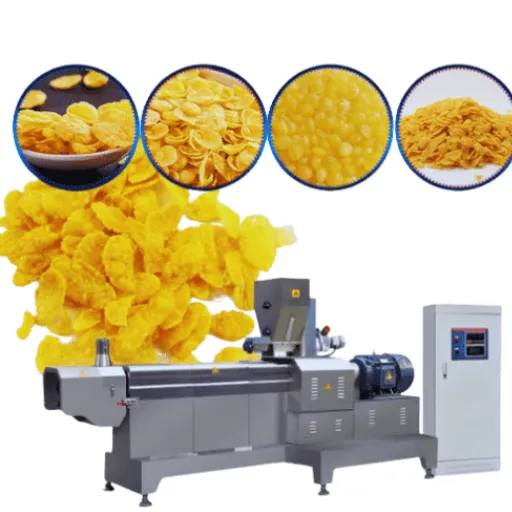
The extrusion corn flakes process starts with corn flour or fine grits. The mixture goes into a twin-screw extruder. Inside, heat, pressure, and shear cook the starch in a steady flow. The cooked dough pushes through a die. A cutter slices it into pellets. The pellets cool slightly before flaking.
Extrusion combines mixing, cooking, and shaping into one step. This reduces total processing time and makes it easier to switch between flake shapes, sizes, and recipes.
Advantages:
- Continuous, highly automated production.
- Faster recipe and shape changes.
- Better incorporation of additives, vitamins, and proteins.
- Typically smaller footprint and lower labor cost.
Disadvantages:
- Higher initial equipment investment.
- Higher mechanical shear can dull flake color unless process parameters are carefully controlled.
- More complex maintenance for screws, barrels, and dies.
Side-by-Side Comparison
| Factor | Traditional Cook-and-Flake | Twin-Screw Extrusion |
|---|---|---|
| Raw material | Whole corn grits | Corn flour or fine grits |
| Cooking method | Steam-pressure cookers | Extruder heat/shear |
| Cycle time | Longer (batch + tempering) | Shorter (continuous) |
| Texture | Classic, varied bloom | Uniform, controlled crisp |
| Recipe flexibility | Limited | High |
| Labor requirement | Higher | Lower |
| Best for | Premium/heritage brands | High-volume, flexible lines |
Which Process Is Right for Your Plant?
Choose the traditional route if your brand depends on a classic flake appearance and texture, or if you serve a niche market that values heritage production. Choose extrusion if you need high throughput, recipe flexibility, and automated operation.
Many of our customers at Shandong Loyal Industrial Co., Ltd. start with extrusion because it scales smoothly from 100 kg/h pilot lines to 1,000 kg/h industrial systems. Our engineers can help you match the process to your product goals and budget.
Step-by-Step Corn Flakes Manufacturing Process
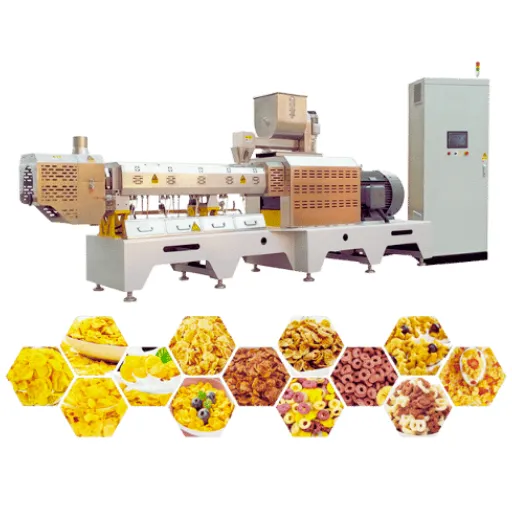
Whether you use traditional or extrusion equipment, the overall corn flakes manufacturing process follows a clear sequence. Here is the standard factory workflow.
Quick Overview: 8 Steps
- Selection and cleaning — remove impurities from raw maize.
- Conditioning or mixing — adjust moisture and blend ingredients.
- Cooking or extrusion — soften starch and form the base.
- Cooling and conveying — prepare the cooked material for flaking.
- Flaking — press into thin flakes.
- Drying and toasting — remove moisture and create crunch.
- Coating and flavoring — add sugar, vitamins, or other flavors.
- Cooling and packaging — pack for shelf-stable distribution.
Step 1 — Selection and Cleaning of Maize
Raw corn enters the plant through intake conveyors. It passes through vibrating screens to remove dust and chaff, destoners to remove rocks, and magnetic separators to remove metal fragments. Clean corn is then weighed and stored in silos before processing.
Step 2 — Conditioning or Mixing
In traditional plants, corn grits are mixed with water and steam to reach the right moisture level for cooking. In extrusion plants, corn flour is blended with water, sugar, salt, malt, and other ingredients in a flour mixer. The goal is a uniform dough or slurry with controlled moisture, usually 12–15% before extrusion.
Step 3 — Cooking or Extrusion
Traditional lines pressure-cook the conditioned grits for 30–60 minutes. The heat gelatinizes starch, turning hard grits into a soft, workable mass.
Extrusion lines feed the mixed dough into a twin-screw extruder. Inside the barrel, friction and controlled heat raise the temperature enough to cook and gelatinize the starch. The extruder shapes the dough into continuous strands or pellets, which a cutter slices to size. The same extrusion principle powers our puff snacks processing line, letting plants produce multiple snack formats on similar equipment.
Step 4 — Cooling and Conveying
Hot cooked grits or extruded pellets must cool before flaking. Air conveyors or cooling conveyors reduce temperature and remove surface moisture. Cooling prevents the flakes from sticking to the rollers and helps them hold their shape.
Step 5 — Flaking
The cooked material passes between two large, water-cooled steel rollers. These rollers rotate in opposite directions at high pressure, pressing the grits or pellets into thin flakes. Roller gap, speed, and pressure determine flake thickness, which typically ranges from 0.5 mm to 1.2 mm.
This is where consistency matters most. Uneven roller pressure produces thick, chewy spots or paper-thin fragments that break during packaging.
Step 6 — Drying and Toasting
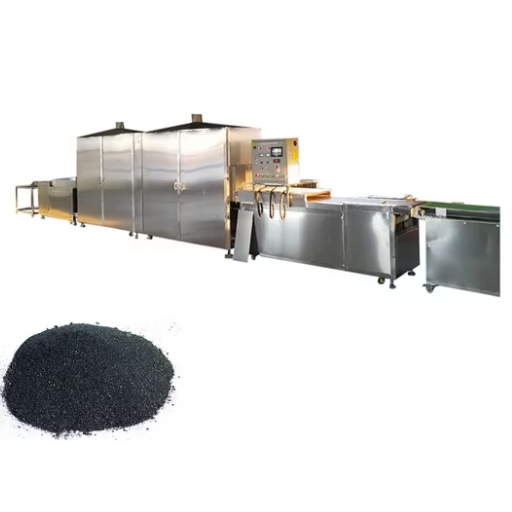
Fresh flakes enter a multi-layer dryer or hot-air oven. First, pre-drying reduces moisture to about 10–12%. Then the flakes move into a high-temperature toaster operating between 200°C and 320°C for 1–2 minutes. The intense heat puffs the flakes, develops the golden color, and drives final moisture down to 2–3%. For energy-efficient drying across other product categories, see our microwave drying machine solutions.
That low moisture level is what gives corn flakes their signature crunch and long shelf life.
Step 7 — Coating, Flavoring, and Fortification
Plain corn flakes go straight to cooling. Flavored varieties pass through a coating drum where sugar syrup, honey, chocolate, malt, or oil is sprayed evenly. Vitamins and minerals may also be applied at this stage. A short second drying pass sets the coating and removes added moisture. Coating technology similar to this is also used in our cereal bar production line for binding grains and flavor layers.
Step 8 — Final Drying, Cooling, and Packaging
Finished flakes are cooled to room temperature on a cooling conveyor. Cooling prevents condensation inside the package, which would make the product soggy. Finally, automated weighers fill boxes or laminated pouches, often with nitrogen flushing to extend shelf life. Sealed packages are labeled, coded, and cartoned for distribution.
If you’re planning a new cereal line, our snack food production line systems use the same extrusion principles and can complement your corn flakes operation with puffed snacks or cereal bars.
Key Equipment in a Modern Corn Flakes Production Line
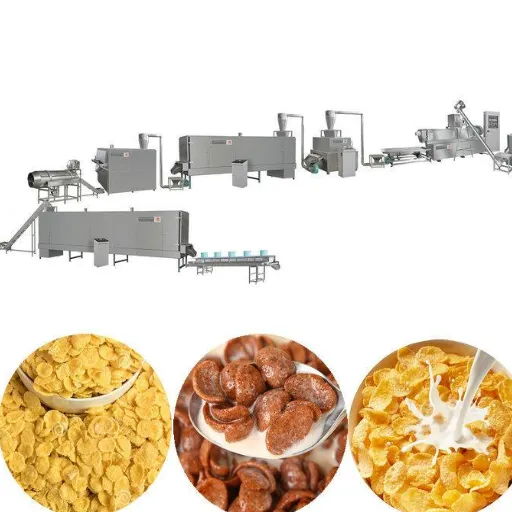
A complete corn flakes production line is an integrated system of specialized machines. Each unit plays a specific role in consistency, efficiency, and food safety. The right corn flakes manufacturing equipment depends on your capacity, recipe, and budget.
Mixers and Conditioners
Flour mixers blend dry and wet ingredients into a uniform dough. Conditioners add steam and water to grits in traditional lines. Precise control here prevents clumping and ensures even cooking later.
Twin-Screw Extruders vs. Pressure Cookers
Twin-screw extruders are the heart of modern lines. They cook, knead, and shape the dough under controlled heat and pressure. Their two interlocking screws mix better and transfer heat more evenly than single-screw machines. That makes them ideal for complex recipes and fortified cereals.
Pressure cookers are used in traditional lines. They cook grits in batches using steam, requiring more time and labor but producing the classic flake texture.
Flaking Mills / Flake Pressers
Flaking mills use two counter-rotating rollers to compress cooked material into flakes. Hydraulic or pneumatic systems control roller gap and pressure. High-quality flaking mills allow gap adjustment down to 0.1–0.15 mm for precise thickness control.
Dryers, Ovens, and Toasters
Belt dryers remove surface moisture before toasting. Hot-air toasters or rotary drum ovens finish the flakes at high temperature. Gas, electric, or steam heating options are available depending on local energy costs.
Coating and Flavoring Systems
Coating drums rotate flakes while sugar syrup, oil, or flavoring is sprayed. Uniform coverage prevents clumping and ensures consistent taste. Some systems include separate sugar sprayers and oil misting nozzles.
Cooling Conveyors and Packaging Machines
Cooling conveyors bring flakes to packing temperature. Packaging machines use vertical form-fill-seal technology, multi-head weighers, and nitrogen flushing to protect product freshness. Metal detectors and checkweighers are usually installed before final sealing.
Typical Production Capacities and Power Ranges
| Capacity | Power Range | Typical Footprint | Approximate Investment |
|---|---|---|---|
| 100–150 kg/h | 30–90 kW | ~200 m² | 20,000–20,000–50,000 |
| 200–300 kg/h | 37–120 kW | ~250 m² | 50,000–50,000–80,000 |
| 300–500 kg/h | 75–140 kW | ~300 m² | 80,000–80,000–150,000 |
| 800–1,000 kg/h | 105–190 kW | ~400+ m² | 150,000–150,000–1,000,000+ |
These figures vary by supplier, automation level, and included scope. Turnkey lines with installation and training sit at the higher end of each range.
Quality Control, Safety, and Certifications
Consistent quality separates successful corn flakes manufacturers from commodity producers. Every stage of the line needs monitoring.
Critical Control Points
Factory labs and inline sensors check:
- Moisture content — incoming corn, after cooking, after drying, and final product.
- Flake thickness — measured with calipers or laser sensors.
- Color — visual or camera-based inspection for uniform golden browning.
- Texture and breakage — tested by sample crushing and bowl-life tests.
- Weight — checkweighers ensure package fill accuracy.
- Metal and foreign objects — X-ray or metal detectors before packaging.
Common Defects and Troubleshooting
| Defect | Likely Cause | Fix |
|---|---|---|
| Soggy flakes | Final moisture too high | Increase toaster temperature or dwell time |
| Burnt or dark flakes | Toaster temperature too high or sugar too high | Lower heat or adjust recipe |
| Broken flakes | Roller pressure too high or moisture too low | Reduce pressure or increase conditioning moisture |
| Uneven color | Uneven coating or hot spots in oven | Adjust spray pattern or airflow |
| Off-flavor | Stale raw materials or contamination | Improve intake testing and cleaning |
Maria Hernandez took over a cereal plant in Guadalajara in 2024. Her first challenge was soggy flakes. The final moisture had crept up to 5.5%. The toaster temperature was set too low for the faster line speed. Her team raised the toaster by 15°C. They also added inline moisture sensors. Within two weeks, breakage dropped by 18%. Customer complaints fell by half. The fix was simple, but only because they had data to find it.
Certifications for Corn Flakes Manufacturing
Food safety certifications vary by market, but common standards include:
- HACCP — Hazard Analysis Critical Control Points.
- ISO 22000 — Food safety management systems.
- GMP — Good Manufacturing Practices.
- FSSAI — Required for sales in India.
- CE marking — Required for equipment sold in the European Economic Area.
- FDA registration — Needed for U.S. food facilities.
Equipment built from food-grade SUS304 stainless steel makes cleaning and sanitation easier, helping plants pass audits and maintain product safety.
Market Outlook and Investment Considerations
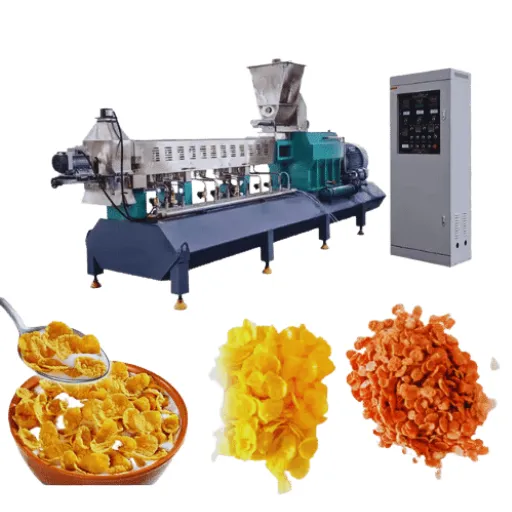
Corn flakes manufacturing is more than a technical process. It is also a business decision shaped by market demand, capital investment, and operational efficiency. Understanding the breakfast cereal production process helps manufacturers plan lines that match real market needs.
Global Market Size and Growth Drivers
According to Data Insights Reports, the global corn flakes market was valued at approximately USD 2.01 billion in 2024 and is projected to grow at a 12.9% CAGR through 2034. The broader breakfast cereal market is also expanding, with Next Move Strategy Consulting estimating global value at USD 67.04 billion in 2025.
Growth is strongest in Asia-Pacific, where urbanization and changing diets are increasing demand for convenient, ready-to-eat breakfasts. Fortified cereals are particularly important in emerging markets where micronutrient deficiencies remain a public health concern.
Equipment Investment and ROI Factors
Total project cost depends on:
- Capacity target — kg/h or metric tons per year.
- Automation level — semi-automatic vs. fully automatic PLC control.
- Material quality — food-grade stainless steel vs. lower-grade alternatives.
- Customization — recipe flexibility, gluten-free options, fortified products.
- Scope — equipment only vs. turnkey installation with training.
A small 100–150 kg/h line can start around 20,000–20,000–50,000. A large industrial line with full automation can exceed $1,000,000. Most manufacturers reach break-even within 2–4 years depending on local raw material costs, labor, and distribution reach.
Sustainability and Waste Management
Modern plants are under pressure to reduce water and energy use. Common improvements include:
- Heat recovery systems that reuse waste heat from ovens.
- Water recycling in cleaning and conditioning stages.
- Biodegradable or recyclable packaging to meet retailer requirements.
- Byproduct utilization — broken flakes and corn husks can become animal feed or biomass fuel.
Ahmed Okonkwo runs a mid-size extrusion plant in Lagos. In 2025, he installed a heat exchanger that captured waste heat from his toaster and pre-heated incoming air for the dryer. The upgrade cut his gas bill by 14% in the first year and paid for itself in 18 months. Small efficiency gains compound quickly in high-volume cereal production.
For manufacturers evaluating full-line investments, our industrial food processing equipment portfolio includes energy-efficient dryers, extruders, and toasters designed to lower operating costs.
Frequently Asked Questions
How are corn flakes made from maize?
Maize is cleaned, conditioned with water or steam, cooked or extruded, flaked between rollers, toasted to remove moisture, and then packaged. The gelatinization process helps in producing the crispness of the cornflake.
What is the first step in corn flakes manufacturing?
The first step is cleaning and grading the raw maize. Removing stones, dust, metal, and foreign grains protects downstream equipment and ensures food safety.
Why is moisture control important in corn flakes production?
Moisture control affects texture, shelf life, and breakage. Final product moisture should be 2–3%. Higher moisture causes sogginess and microbial risk. Low water content makes the flakes crispy and fragile.
What is the role of extrusion in corn flakes manufacturing?
Extrusion cooks and shapes corn dough in one continuous step. It replaces batch pressure cookers, speeds up production, and allows easier recipe and shape changes.
What machines are used in a corn flakes production line?
Key machines include cleaners, mixers, extruders or cookers, flaking mills, dryers, toasters, coating drums, cooling conveyors, and packaging machines.
How long do corn flakes last after manufacturing?
Properly packaged corn flakes with moisture below 3% can remain shelf-stable for 6–12 months or longer, especially when packed in nitrogen-flushed, moisture-proof materials.
Is corn flakes manufacturing profitable?
Yes, corn flakes manufacturing can be profitable due to strong global demand, widely available raw materials, and scalable production lines. Profitability depends on capacity utilization, raw material costs, distribution, and brand positioning.
Conclusion
The corn flakes manufacturing process combines food science, mechanical engineering, and strict quality control. From raw maize cleaning to final packaging, every step must work in harmony to produce a crisp, golden, shelf-stable cereal.
Modern manufacturers face a clear choice. Traditional cook-and-flake lines deliver heritage texture and appearance. Twin-screw extrusion lines offer speed, flexibility, and automation. The right option depends on your product vision, capacity needs, and budget.
Success comes down to the details: clean raw materials, precise moisture control, uniform flaking, and reliable toasting. Plants that master these variables produce corn flakes that stand out on crowded retail shelves.
At Shandong Loyal Industrial Co., Ltd., we design food processing machines and complete production lines that help manufacturers worldwide turn grain into profitable packaged goods. Whether you need a 100 kg/h pilot line or a 1,000 kg/h industrial system, our engineers can tailor a solution to your recipe, space, and budget.
Ready to start your corn flakes project? Contact our team today for a free consultation and production line quote. Let’s build a cereal line that delivers consistent quality from the first flake to the last.