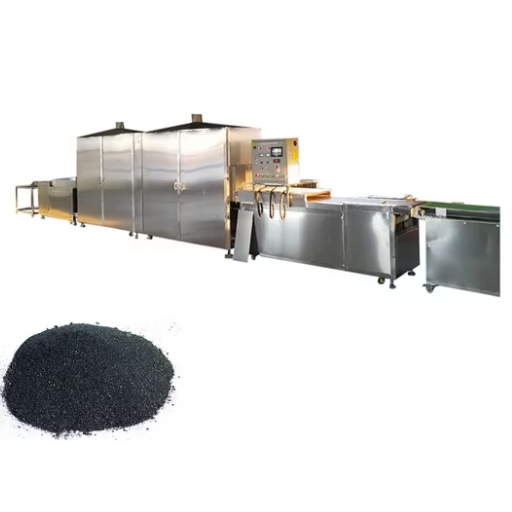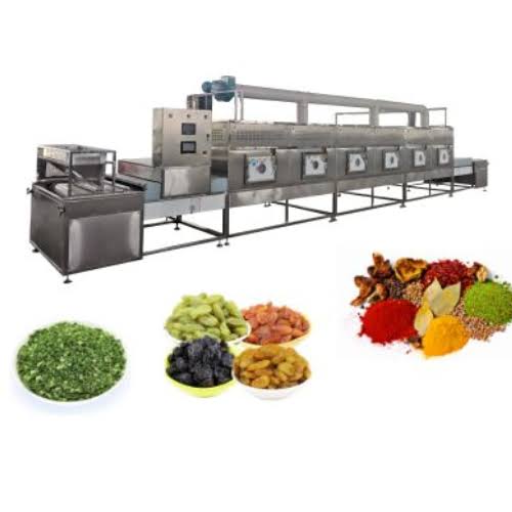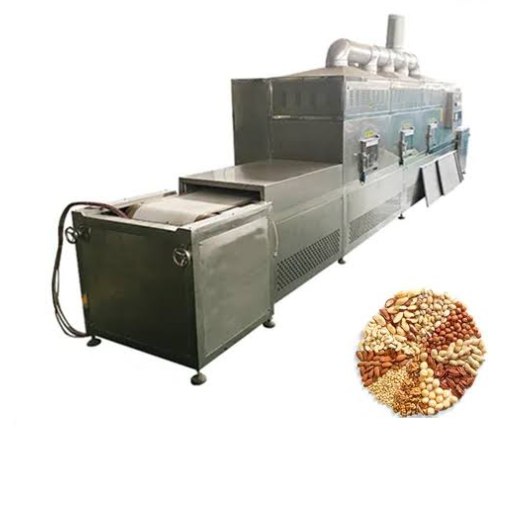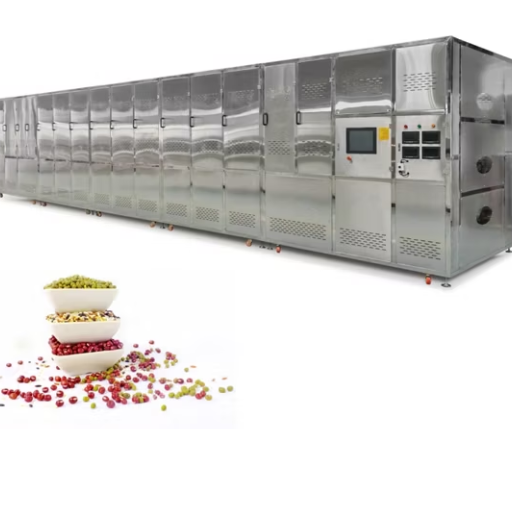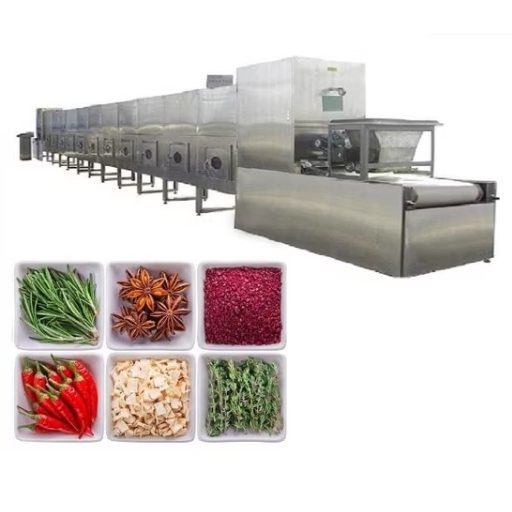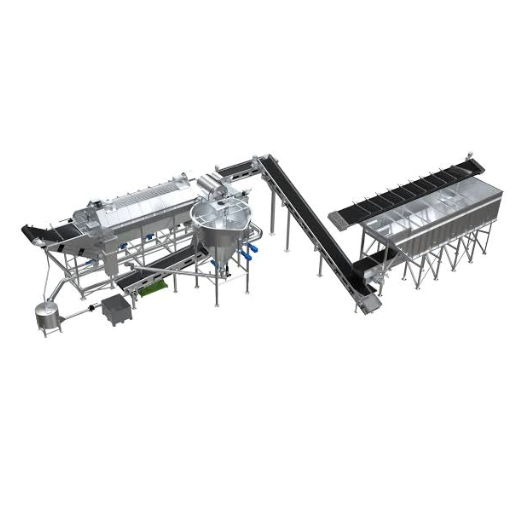
Custom food processing solutions are equipment, production lines, and integrated systems engineered to match a specific manufacturer’s product, facility layout, throughput goals, and food safety requirements. Unlike off-the-shelf machinery, these solutions are designed around your recipe, your floor plan, and your growth plans.
Here is a surprising statistic: the global food processing machinery market is projected to grow from 64.81billionin2025to64.81billionin2025to87.14 billion by 2030, according to The Business Research Company. A major driver behind that growth is demand for flexible, tailored equipment that helps manufacturers respond faster to changing consumer tastes and stricter regulations.
If you have ever forced a product to fit a machine that was not built for it, you already know the pain. Standard equipment can waste floor space, create bottlenecks, and limit the recipes you can run profitably. In this guide, you will learn exactly what custom food processing solutions include, how the design process works, the benefits they deliver, and how to choose a partner that can turn your production goals into reality.
Key Takeaways
- Custom food processing solutions are engineered around your product, facility, and growth plans rather than forcing your operation to fit a generic machine.
- The design process moves from needs assessment and concept engineering through fabrication, installation, commissioning, and ongoing support.
- Benefits include higher throughput, better consistency, reduced waste, easier compliance, and lower total cost of ownership over the equipment lifecycle.
- Custom equipment makes the most sense when you produce specialty or multi-recipe products, have limited or awkward floor space, or plan to scale output quickly.
- The best partners combine engineering expertise, food-grade certifications, pilot testing capabilities, and responsive global after-sales support.
What Are Custom Food Processing Solutions?
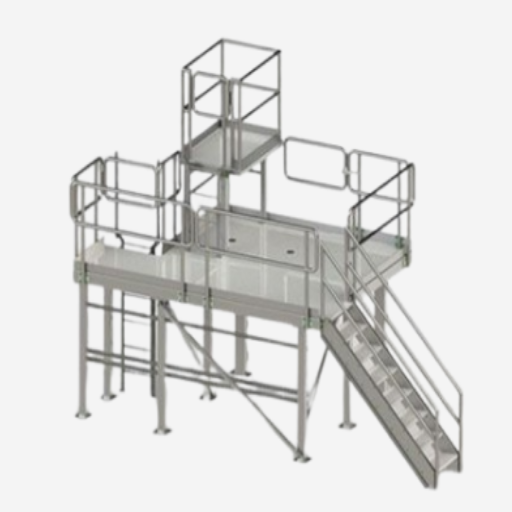
Custom food processing solutions are purpose-built equipment and production lines that handle the stages of food manufacturing in a way that matches your exact requirements. In other words, they are tailored food processing solutions built around your recipe, throughput, and facility constraints rather than around a supplier’s standard catalog. Those stages can include conveying, washing, peeling, cutting, mixing, coating, cooking, drying, cooling, freezing, packaging, inspection, and quality control.
The customization can be as simple as a machine with adjusted dimensions and controls, or as complex as a complete turnkey line that links multiple processes into one continuous workflow. Materials, finishes, motors, sensors, software, and safety systems are all selected for your product and operating environment.
There are three common levels of customization:
- Semi-custom configurations start with a proven machine platform and modify features such as conveyor length, hopper size, tooling, or control recipes.
- OEM food processing equipment involves a manufacturer building equipment to your specifications under your brand or technical requirements.
- Fully custom engineering designs every element of the line from scratch for a unique product, facility layout, or production goal.
When Maria opened a small snack factory in Southeast Asia, she bought a standard extruder because it was available quickly. Within eight months, she realized the machine could not handle the higher oil content of her regional recipe. Product consistency suffered, waste climbed to 12%, and she was spending three hours per shift on manual rework. A custom extrusion and drying line designed for her specific dough profile cut waste to 4% and doubled her hourly output.
How the Custom Food Processing Equipment Process Works
A successful custom project follows a clear path from first conversation to full production. Understanding this food processing line customization process helps you set realistic timelines, ask better questions, and avoid costly surprises.
Step 1: Needs Assessment
Engineers review your product characteristics, target throughput, facility dimensions, utility availability, hygiene requirements, budget, and existing equipment. The more detail you share at this stage, the better the final design will match your reality.
Step 2: Concept Design and Engineering
The supplier creates layout drawings, process flow diagrams, and equipment specifications. This is where you confirm choices such as batch versus continuous operation, automation level, and integration points with your current line.
Step 3: Equipment Selection and Layout Optimization
Individual machines are selected or designed to work together. The layout is optimized for product flow, operator access, cleaning, and future expansion. Food production line equipment choices at this stage determine how smoothly the entire system runs.
Step 4: Fabrication, Assembly, and Quality Control
Equipment is built using food-grade materials such as SUS304 stainless steel, then assembled and tested before shipment. Quality checks verify welding, surface finishes, tolerances, and electrical safety.
Step 5: Installation, Commissioning, and Training
The line is installed, powered, and calibrated in your facility. Operators are trained on startup, shutdown, changeover, cleaning, and basic troubleshooting.
Step 6: Ongoing Support and Upgrades
A reliable partner provides spare parts, technical support, remote diagnostics, and upgrade paths as your product mix or volume changes.
Want to see how this process applies to your product? Contact our engineering team for a free needs assessment and layout proposal.
Custom vs Standard Food Processing Equipment
Not every manufacturer needs a fully custom line. The right choice depends on your product, volume, facility, and growth plans.
| Factor | Standard Equipment | Custom Food Processing Solutions |
|---|---|---|
| Upfront cost | Lower initial investment | Higher initial investment |
| Lead time | Faster delivery | Longer design and build cycle |
| Flexibility | Limited to standard designs | Engineered for your exact needs |
| Product fit | Best for common, high-volume items | Best for unique or multi-recipe products |
| Scalability | May require replacement | Easier to expand or reconfigure |
| Maintenance | Widely available parts | Parts tailored to your design |
| Total cost of ownership | Can be higher long-term due to inefficiency | Often lower long-term due to better fit |
Standard equipment works well when you produce a commodity product with stable demand and plenty of floor space. Custom solutions become the smarter choice when your recipe, layout, or growth trajectory does not match what is on the catalog page.
For example, a biscuit manufacturer running one signature product at high volume may do perfectly well with a standard food processing machine. A startup launching five regional snack varieties in a rented facility with low ceilings probably needs a tailored line.
Key Benefits of Custom Food Processing Solutions
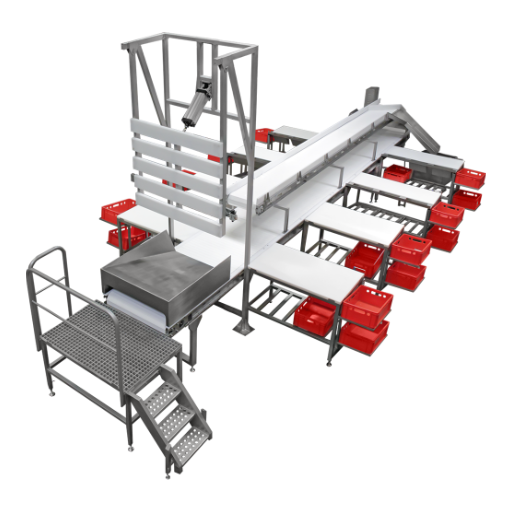
Investing in tailored equipment delivers advantages that go well beyond having a machine that fits the room.
Improved Efficiency and Throughput
Custom lines are designed to eliminate unnecessary handling, reduce transfer distances, and match machine speed to your target output. GWI{:target=”_blank” rel=”noopener noreferrer”} notes that well-designed custom processing lines can raise production speeds while reducing manual labor and downtime.
Better Product Consistency and Quality
When equipment is calibrated for your specific recipe, you get more uniform size, texture, moisture, and flavor. Sensors and automated controls maintain tight tolerances batch after batch.
Reduced Waste and Operating Costs
Accurate dosing, precise cutting, and optimized cooking or drying parameters reduce ingredient loss and energy use. High-efficiency lines are specifically engineered to maximize output while minimizing waste and utility consumption.
Flexibility for Multiple Products
Modular custom designs let you switch between recipes, shapes, or package sizes with shorter changeover times. This is especially valuable when consumer demand shifts toward variety and personalized nutrition.
Seamless Integration with Existing Lines
Custom equipment can be built to connect with your current machines, controls, and utilities. This reduces installation disruption and protects your existing investment.
Enhanced Food Safety and Compliance
Equipment can be designed to meet HACCP, ISO 22000, FDA, CE, and other standards relevant to your market. Smooth surfaces, sanitary welds, and clean-in-place systems reduce contamination risk.
Scalability for Future Growth
A custom line can be designed in phases. You might start with core equipment and add modules such as automated packaging, inspection, or seasoning as demand grows.
Long-Term Total Cost of Ownership Savings
Although the initial price is higher, the combination of higher throughput, lower waste, reduced downtime, and longer equipment life often produces a faster payback than repeatedly modifying standard machines.
Common Applications and Industries
Custom food processing solutions appear across nearly every segment of the food industry.
Snack Foods and Extruded Products
Puffed snacks, chips, and extruded cereals often need custom extruder dies, seasoning drums, and drying profiles. A snack food production line can be configured for different shapes, flavors, and output rates.
Grain, Cereal, and Bakery Products
Bakeries and cereal manufacturers benefit from custom mixing, forming, baking, and cooling systems that match their dough characteristics and packaging formats.
Meat, Poultry, and Seafood Processing
Custom lines handle portioning, marinating, tumbling, smoking, cooking, and freezing with strict hygiene controls.
Fruits, Vegetables, and Dried Foods
Washing, peeling, slicing, drying, and packaging systems are often tailored to the specific crop, moisture target, and shelf-life requirements. Microwave drying technology can be integrated for gentle, energy-efficient dehydration.
Spices, Seasonings, and Powdered Ingredients
Custom grinding, blending, sieving, and sterilization systems preserve volatile aromas while meeting microbiology standards.
Ready Meals and Prepared Foods
Portioning, cooking, chilling, and packaging lines are designed around recipe variety, package types, and throughput targets.
Pet Food and Animal Feed
Extruded kibble, treats, and aquatic feed benefit from custom die shapes, drying profiles, and coating systems.
What to Look for in a Custom Food Processing Partner
Choosing the right supplier is as important as choosing the right equipment. Here are the factors that separate a reliable partner from a simple vendor.
Engineering depth. Look for a team that asks detailed questions about your product, facility, and goals before proposing equipment.
Manufacturing experience. A partner with its own fabrication facility controls quality, lead times, and design changes more effectively than one that outsources everything.
Food-grade materials and certifications. Confirm use of SUS304 or SUS316 stainless steel, sanitary welds, and compliance with CE, FDA, ISO, or other standards required by your market.
Pilot testing capabilities. The ability to run trial batches before full production reduces risk and helps refine recipes and settings.
Integration expertise. Your partner should understand how the new equipment will connect with your existing industrial food processing equipment and controls.
After-sales support. Spare parts availability, remote diagnostics, installation supervision, and operator training all affect your long-term success.
Global delivery experience. If you export products or source equipment internationally, choose a partner familiar with export packaging, documentation, and regional standards.
Buyer Checklist
- Product specifications and target throughput documented
- Facility layout and utility constraints shared
- Hygiene and regulatory requirements confirmed
- Integration with existing equipment mapped
- Pilot testing or sample run included
- Training, manuals, and spare parts plan agreed
- Warranty and support terms clearly defined
Ready to evaluate your project? Request a tailored quote and we will help you build a checklist matched to your operation.
Cost, ROI, and Payback Considerations
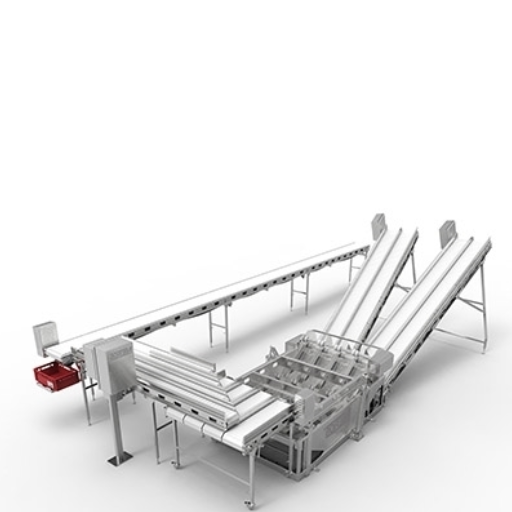
Custom food processing equipment typically costs more upfront than standard machinery, but the financial picture changes when you look at the full lifecycle.
Factors That Influence Cost
- Complexity of the process
- Number of machines and integration points
- Level of automation and controls
- Materials and finish requirements
- Certifications and documentation
- Shipping, installation, and training
Typical Budget Ranges
Small single-machine customizations may start in the low tens of thousands of dollars. Full turnkey lines for medium facilities often range from 100,000to100,000to500,000. Large, highly automated installations can exceed $1 million.
Efficiency Gains and Waste Reduction
Custom lines commonly reduce waste by 3-8 percentage points and improve throughput by 15-30% compared to poorly matched standard equipment. Those improvements compound quickly in high-volume operations.
Estimated Payback Period
Many manufacturers recover their investment in 18 to 36 months through a combination of higher output, lower scrap, reduced labor, and fewer unplanned shutdowns.
When the team at Acme Foods replaced three mismatched standard machines with one integrated custom line, their output per shift rose 22%. Scrap fell from 9% to 4%. Energy use per kilogram dropped 12%. The project paid for itself in 28 months, and the line is now running a second product variant that was not possible before.
Frequently Asked Questions
What are custom food processing solutions?
Custom food processing solutions are equipment, production lines, and systems engineered to meet a specific manufacturer’s product, facility, throughput, and compliance requirements rather than being bought off the shelf.
How long does it take to build a custom food processing line?
A simple customization may take 8-12 weeks. A full turnkey line typically requires 16-32 weeks, depending on complexity, material availability, and factory testing requirements.
Are custom solutions only for large manufacturers?
No. Small and mid-sized manufacturers often benefit the most because they have limited floor space, unique recipes, or plans to scale. Modular custom designs let smaller operations start with core equipment and expand later.
What certifications should custom food processing equipment meet?
Common certifications include CE for Europe, FDA compliance for the United States, ISO 22000 for food safety management, and HACCP principles. Requirements vary by product and destination market.
How do I know if custom or standard equipment is right for me?
Standard equipment works when you have common products, stable demand, and standard facility dimensions. Custom solutions are better when you have specialty products, tight spaces, multi-recipe production, or aggressive growth targets.
What is the difference between OEM and fully custom equipment?
OEM food processing equipment is built to your specifications but may use a supplier’s existing platform. Fully custom engineering designs every element from scratch for a unique product or layout.
Can custom food processing solutions be expanded later?
Yes. Many manufacturers choose modular designs that start with core equipment and add automation, packaging, inspection, or seasoning modules as demand grows.
Which industries use custom food processing equipment the most?
Snack foods, bakery and cereal, meat and seafood, fruits and vegetables, spices, ready meals, and pet food are all common users of custom processing lines.
How do custom solutions improve food safety?
Custom equipment can be designed with sanitary welds, smooth surfaces, clean-in-place systems, and controls that meet HACCP, ISO 22000, FDA, or CE standards for your market.
Conclusion
Custom food processing solutions give food manufacturers a practical way to match equipment to product, facility, and business goals. The result is often higher throughput, more consistent quality, less waste, easier compliance, and lower total cost of ownership over time.
The key is to treat customization as a partnership, not just a purchase. Start with a clear needs assessment, choose a supplier with strong engineering and global support, and plan for training and upgrades as your operation grows.
If you are ready to explore how a tailored line could transform your production, contact Shandong Loyal Industrial today. Our engineering team will review your product, layout, and targets, then recommend a custom food processing solution designed for your success.