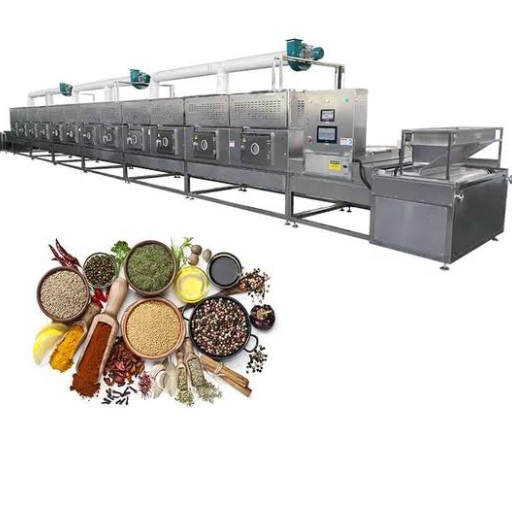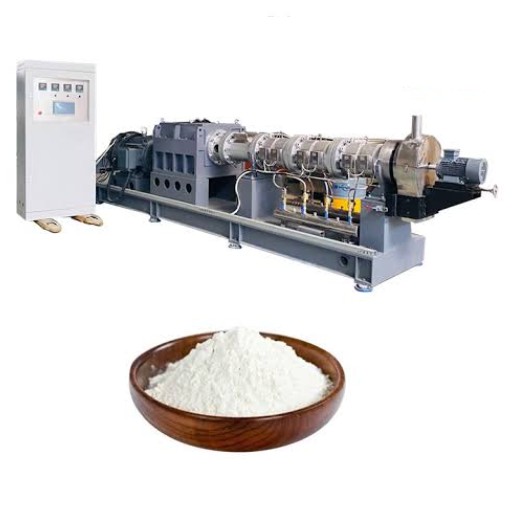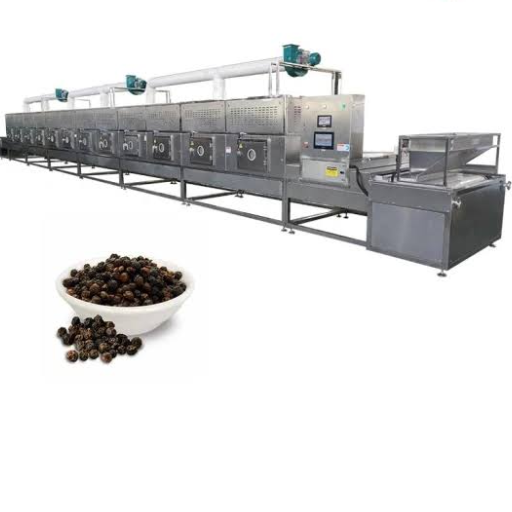
A microwave sterilization machine for food uses electromagnetic energy to heat products volumetrically, killing pathogens in minutes while preserving flavor, color, and nutrients better than conventional retort sterilization. For food manufacturers facing tighter safety standards, rising energy bills, and shorter product lifecycles, this technology offers a faster, cleaner alternative to steam-based methods.
But not every food product suits microwave sterilization. Metal packaging, very dense low-moisture foods, and certain canned goods still need traditional retort systems. In this guide, you will learn exactly how a microwave sterilization machine for food works, which applications it handles best, what it costs, and how to choose a system that fits your production line.
At Shandong Loyal Industrial Co., Ltd., we design and export microwave drying machine and sterilization systems for food processors worldwide. The recommendations below come from years of field experience, current market data, and published research.
Key Takeaways
- A microwave sterilization machine for food kills microbes through volumetric dielectric heating, often in 3-5 minutes instead of 30-60 minutes for retort.
- It cuts energy use by 30-50% and water use by more than 90% compared with steam sterilization, according to equipment studies and retort energy-balance research.
- Ideal applications include spices, tea and herbs, nuts and grains, prepared meals, pet food, and powdered nutritional products.
- Microwave-Assisted Thermal Sterilization (MATS) is FDA-accepted for shelf-stable packaged foods and is now used in commercial ready-meal production.
- Most continuous operations recover the equipment investment in 18-26 months through energy, water, labor, and yield savings.
What Is a Microwave Sterilization Machine for Food?
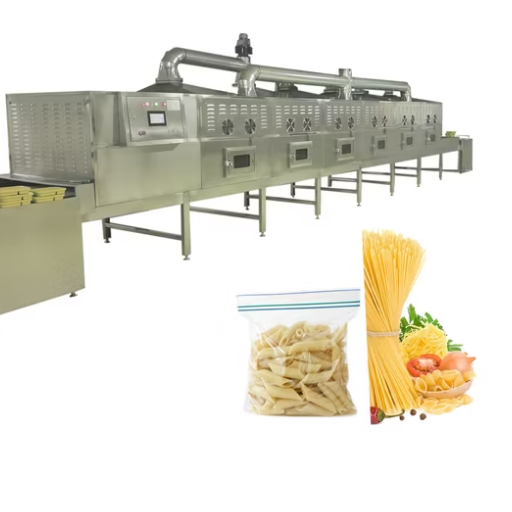
A microwave sterilization machine for food is industrial equipment that uses microwave radiation, usually at 915 MHz or 2.45 GHz, to raise the temperature of food products quickly and uniformly. The goal is to reduce or eliminate spoilage microorganisms, pathogens, and enzymes while keeping the product as close to its fresh state as possible.
Unlike a home microwave, industrial units are built for continuous production. They include stainless-steel tunnels or batch chambers, conveyor belts, magnetrons, waveguides, and programmable logic controllers (PLCs) that manage power, belt speed, temperature, and cooling.
The core advantage is volumetric heating. Microwaves penetrate the food and agitate polar molecules, mainly water. This creates friction heat inside the product rather than transferring heat from the outside in. The result is faster temperature rise, fewer cold spots, and less thermal damage to heat-sensitive ingredients.
Common formats include:
- Continuous tunnel systems for high-volume lines such as spices, snacks, and grains.
- Batch cabinet systems for R&D, pilot runs, or small-lot premium products.
- Vacuum microwave dryers/sterilizers for heat-sensitive items like botanicals and nutraceuticals.
If you are already using industrial microwave oven technology for drying, adding sterilization capability is often a straightforward upgrade.
Want to see how your product responds to microwave sterilization? Contact our team for a free sample test and process review.
How Microwave Sterilization Works for Food
The process can be broken into four stages:
- Loading and spacing. Food is spread in a thin, even layer on a conveyor belt or placed in a batch tray. Uniform loading prevents hot and cold zones.
- Microwave exposure. Magnetrons generate electromagnetic waves that pass through waveguides into the treatment chamber. The waves penetrate the food and heat it from the inside out.
- Temperature holding. A PLC monitors temperature through fiber-optic or infrared sensors and adjusts power to hold the target temperature long enough to achieve the required microbial kill.
- Cooling and packaging. The product exits the heating zone and moves to controlled cooling before final packaging in a clean environment.
The microbial kill comes mainly from the thermal effect: proteins denature and cell membranes break down as temperature rises. Some researchers also describe a non-thermal effect in which the microwave field disrupts microbial metabolism, though the scientific consensus is that heat does the heavy lifting.
When Chen took over quality control at a Sichuan chili-powder plant in 2024, his export customers were rejecting batches over elevated mold counts. Steam sterilization darkened the powder and dulled the heat. After switching to a continuous tunnel microwave sterilization machine for food, Chen cut his sterilization cycle from 45 minutes to under 4 minutes, kept the bright red color, and passed every import microbiology test for the next 12 months.
Microwave-Assisted Thermal Sterilization (MATS) Explained
Microwave-Assisted Thermal Sterilization, or MATS, is a specialized process developed at Washington State University and commercialized by 915 Labs. It combines 915 MHz microwave energy with a pressurized hot-water bath to sterilize pre-packaged foods rapidly and gently.
Why does this matter for food manufacturers? Traditional retort sterilizes packaged meals by heating from the outside in, which can take 30-60 minutes and overcook the edges while the center catches up. MATS heats the package volumetrically, so the product reaches sterilization temperature in a fraction of the time and cools quickly afterward.
The U.S. Food and Drug Administration accepted the first MATS-processed foods on this timeline:
- 2009, Mashed potatoes (homogeneous food)
- 2010, Salmon fillet in Alfredo sauce (non-homogeneous food)
- 2012, Chicken and dumplings and other meat-containing products
Today, MATS is used for shelf-stable ready meals, military rations, airline meals, and clean-label packaged foods that need long shelf life without heavy preservatives. You can read more about the regulatory background in this Packaging360 overview of MATS technology.
Microwave Sterilization vs Traditional Food Sterilization Methods
Choosing between microwave sterilization and conventional methods depends on product type, packaging, volume, and quality goals. The table below summarizes the main trade-offs.
| Factor | Microwave Sterilization | Retort / Steam Sterilization | Autoclave |
|---|---|---|---|
| Heating method | Volumetric, inside-out | Conduction/convection, outside-in | Steam under pressure |
| Typical cycle time | 3-5 minutes | 30-60 minutes | 30-120 minutes |
| Energy use | 30-50% lower | Higher | Higher |
| Water use | Minimal | 20-50 gallons per cycle | High |
| Nutrient/color retention | Better | More thermal damage | More thermal damage |
| Best for | Powders, spices, grains, packaged meals, pet food | Canned low-acid foods, metal packaging | Lab, medical, small-batch |
| Packaging limits | No metal or foil | Metal cans and retort pouches OK | Sealed metal/glass OK |
Speed data supports the advantage. One industry analysis found that microwave sterilization can heat food 2.37-3.20 times faster than retort, with processing-time reductions up to 72.45% (eBeam Machine). Energy-balance research on vertical steam retorts also shows that only about 44% of input energy goes into the food; the rest is lost to walls, venting, and heating the equipment itself.
Maria runs a California almond roasting operation. For years, she used a hot-air roaster followed by a separate pasteurization step. The two-stage process took over an hour and produced uneven color. After installing a continuous microwave sterilization machine for food, Maria reduced her total process time to under 10 minutes, achieved a consistent 5-log Salmonella reduction, and lowered her peroxide values enough to extend shelf life by four months.
Ready to compare running costs for your current sterilization line? Request a free energy comparison from our engineering team.
Top Food Applications for Microwave Sterilization Machines
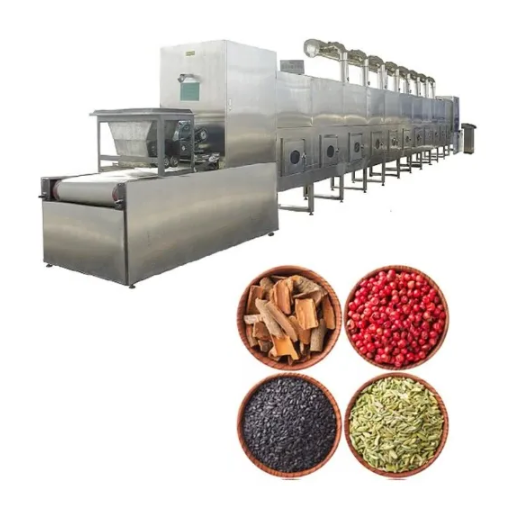
The versatility of microwave sterilization equipment makes it suitable for many food categories. Below are the most common applications and the machine configurations that usually fit best.
Spices, Seasonings, and Powdered Foods
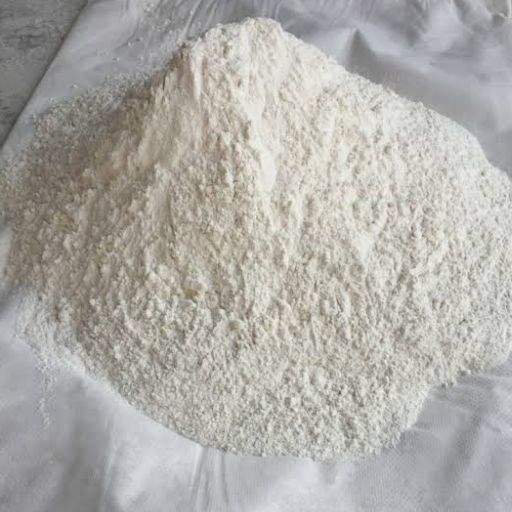
Chili powder, cumin, garlic powder, and spice blends are ideal candidates. Microwave sterilization kills mold, yeast, and bacteria without the high moisture of steam, so powders stay free-flowing and retain volatile oils that carry aroma and flavor.
Tea, Herbs, and Botanicals
Green tea, black tea, herbal infusions, and medicinal botanicals benefit from the short heating time. Microwave fixation can deactivate enzymes that cause browning, while sterilization reduces microbial loads for export markets.
Nuts, Grains, and Seeds
Almonds, sesame seeds, sunflower seeds, and grain flours need pathogen reduction without soaking or roasting. A continuous tunnel microwave sterilization machine for food delivers even heating and preserves crunch and natural oils.
Prepared Meals and Packaged Foods
Shelf-stable rice dishes, pasta meals, and sauces in microwave-compatible packaging can use MATS or conventional microwave sterilization. The short cycle keeps textures closer to freshly prepared food.
Pet Food and Animal Feed
Dry kibble, treats, insects such as black soldier fly larvae, and fishmeal can be sterilized while preserving protein quality and palatability. This is especially important for premium pet food brands that market nutrient density.
Liquid Foods and Nutritional Supplements
Fruit juices, protein powders, baby-food ingredients, and nutraceutical blends can be pasteurized or sterilized using microwave systems designed for liquids or powders. Low-temperature options help protect probiotics and vitamins.
No matter which category you produce, the right system depends on matching your product to the right food production line equipment. Our engineers can help you integrate sterilization with drying, cooling, and packaging in one continuous line.
Key Technical Parameters Food Manufacturers Should Evaluate
Before you request a quote, review these technical parameters. They determine whether a microwave sterilization machine for food will meet your safety, quality, and throughput targets.
- Microwave frequency. 2.45 GHz is common and cost-effective for thin-layer products. 915 MHz penetrates deeper and works better for thick packages or bulk products.
- Power output. Measured in kilowatts, power must match your throughput. A 20 kW unit might handle 100-200 kg/h, while a 200 kW line can process 1,000-2,000 kg/h.
- Temperature control. Look for fiber-optic sensors and PLC feedback loops. Accuracy of ±0.3°C is typical in well-designed systems.
- Heating uniformity. Mode stirrers, multiple magnetrons, and adjustable power zones reduce cold spots.
- Conveyor speed and bed depth. Thin, even layers heat more uniformly. Belt speed should be adjustable to match different products.
- Construction material. Food-grade SUS304 stainless steel resists corrosion and meets FDA and CE requirements.
- Leakage limits. IEC standards require microwave leakage below 1 mW/cm² at 5 cm from the equipment surface.
- Validation support. A reputable supplier provides temperature-mapping studies and guidance on biological indicators such as Geobacillus stearothermophilus.
NASAN publishes a detailed guide on these parameters in its 7 technical parameters for industrial microwave sterilization machine selection.
How Much Does a Microwave Sterilization Machine for Food Cost?
Pricing depends on power, configuration, automation level, and application design. Based on 2026 market data, here are typical ranges:
| Equipment type | Power | Throughput | Price range (USD) |
|---|---|---|---|
| Small batch / cabinet | 6-20 kW | 50-500 kg/cycle | 5,000−5,000−15,000 |
| Mid-range tunnel | 20-60 kW | 200-800 kg/h | 15,000−15,000−50,000 |
| Large industrial line | 80-150 kW | 800-2,000 kg/h | 50,000−50,000−120,000 |
| Heavy-duty / custom | 200-300+ kW | 2,000+ kg/h | 120,000−120,000−250,000+ |
The purchase price is only part of the story. Budget for these hidden costs:
- Shipping and customs clearance
- Foundation, ventilation, and electrical installation
- Magnetron replacement every 8,000-10,000 hours
- Validation studies and biological indicator testing
- Operator training and spare-parts inventory
Total cost of ownership usually favors microwave systems over retorts for continuous operations. Energy savings of 30-50%, water savings above 90%, faster throughput, and better yield add up. Most food processors recover the investment in 18-26 months.
Patel manages operations at a ready-meal facility in Mumbai. In 2023, he replaced two aging steam retorts with a single continuous microwave sterilization machine for food. The upfront cost was higher, but his water bill dropped by 92%, energy use fell by 38%, and he eliminated a full shift of labor. By month 22, the project had paid for itself.
To explore how a system fits your budget, visit our food processing machines overview or contact us for a tailored quote.
How to Choose the Right Microwave Sterilization Machine for Your Operation
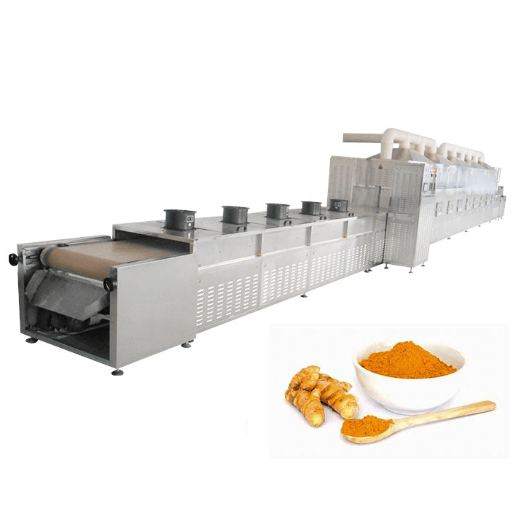
Use this checklist to narrow your options and avoid common buyer mistakes:
- Define your product. Note moisture content, density, particle size, and packaging format. High-moisture foods heat faster than dry powders.
- Set throughput targets. Size the machine for current output plus 15-25% headroom for growth.
- Choose the configuration. Continuous tunnels suit high-volume single-SKU lines. Batch cabinets work for R&D or multi-SKU operations.
- Match frequency to product. Use 2.45 GHz for thin layers and 915 MHz for thick packages.
- Verify certifications. Look for CE, FDA food-contact compliance, ISO 9001, and HACCP support.
- Demand pilot testing. A supplier should process your actual samples and provide temperature maps and microbial validation data.
- Evaluate support. Ask about spare-parts availability, remote diagnostics, installation, training, and warranty terms.
A microwave sterilization machine for food is not an off-the-shelf purchase. The best results come from matching the equipment to your specific product and production goals.
Common Challenges in Food Microwave Sterilization and How to Solve Them
Even well-designed systems face challenges. Here is how to handle the most common ones.
Uneven heating and cold spots. Cold spots occur when product layers are too thick or loading is inconsistent. Solve this by controlling bed depth, using mode stirrers, and validating with temperature-mapping studies.
Packaging compatibility. Metal and aluminum foil reflect microwaves and can damage equipment. Use microwave-safe materials such as PP, PE, PET, or glass, and ensure seals withstand internal pressure during heating.
High upfront capital cost. The initial investment can exceed that of a small steam retort. Offset this by calculating five-year total cost of ownership, including energy, water, labor, and yield improvements.
Magnetron maintenance. Magnetrons wear out over time. Build a preventive maintenance schedule and keep replacement units in stock to avoid unplanned downtime.
Frequently Asked Questions
What is a microwave sterilization machine for food?
A microwave sterilization machine for food is industrial equipment that uses microwave energy to heat food volumetrically, killing microorganisms while preserving quality. It is used for spices, grains, packaged meals, pet food, and more.
Is microwave sterilization safe for food?
Yes, when validated properly. Microwave sterilization can achieve 5-log reductions for pasteurization and 12-log/F0 ≥ 12 reductions for commercial sterilization. FDA-accepted MATS systems are already used for shelf-stable packaged foods.
How long does microwave sterilization take?
Industrial microwave sterilization typically takes 3-5 minutes, compared with 30-60 minutes for conventional retort sterilization.
What foods cannot be sterilized with microwaves?
Products in metal packaging, hermetically sealed retort pouches meant for traditional canning, and very low-moisture dense blocks may not heat evenly enough for reliable sterilization.
How much does a microwave sterilization machine cost?
Small batch units start around 5,000.Mid−rangetunnelsrangefrom5,000.Mid−rangetunnelsrangefrom15,000 to 50,000.Largeindustriallinescancost50,000.Largeindustriallinescancost50,000 to $250,000 or more depending on power and customization.
Conclusion
A microwave sterilization machine for food gives manufacturers a practical way to improve safety, cut operating costs, and deliver better-tasting products. The technology is especially strong for spices, tea, nuts, grains, prepared meals, pet food, and powders where speed and quality matter.
Before you invest, match the equipment to your product, packaging, and throughput. Look beyond the purchase price and model the full five-year cost. And always run pilot tests with your actual product to confirm microbial efficacy and sensory quality.
At Shandong Loyal Industrial Co., Ltd., we help food processors design, install, and validate microwave sterilization systems for markets around the world. Contact us today for a free sample test, energy comparison, and tailored quotation.