The modified starch manufacturing process turns native starch into a functional ingredient through physical, chemical, or enzymatic treatment. In most industrial plants, that means selecting a starch source, mixing it with water and additives, applying a controlled modification reaction, then drying, milling, and packaging the finished product.
Global demand for modified starch now exceeds 9.8billionannuallyandisheadingtoward9.8billionannuallyandisheadingtoward14.2 billion by 2036, according to Future Market Insights. Yet many manufacturers still struggle with the same practical question: what actually happens inside the process, and which parameters control the final product? Supplier brochures show machines. Academic papers show molecular diagrams. Neither gives plant operators the step-by-step roadmap they need to produce consistent, high-quality modified starch at scale.
In this guide, you will walk through the complete modified starch manufacturing process, from raw material preparation to final packaging. You will learn how physical, chemical, and enzymatic modification work, what reaction conditions matter, where quality control fits, and how to troubleshoot common production problems. Whether you are designing a new line or optimizing an existing one, this article gives you the process knowledge to make better decisions.
Key Takeaways
- The modified starch manufacturing process always follows the same sequence: pretreatment, modification reaction, purification, drying, milling, and packaging.
- Physical modification uses heat, moisture, and shear, usually in a twin-screw extruder at 120–180°C.
- Chemical modification adds reagents such as sodium hypochlorite, acetic anhydride, or phosphates under controlled pH and temperature.
- Enzymatic modification uses alpha-amylase or similar enzymes at 50–70°C to partially hydrolyze starch chains.
- Finished modified starch is typically dried to 8–12% moisture and milled to a uniform particle size before packaging.
What Is Modified Starch and Why Modify It?
Modified starch is native starch that has been intentionally changed to improve its performance. Native starch works well in some applications, but it has clear limits. It swells and thickens only in hot water. It becomes rubbery and cloudy when cooled, a problem called retrogradation. It breaks down under acid, heat, or mechanical shear. It also has low solubility in cold water.
Modification solves these problems by altering the structure of starch granules or molecules. The result is an ingredient with predictable viscosity, better freeze-thaw stability, improved heat resistance, or cold-water solubility.
Industries use modified starch for very different reasons:
- Food manufacturers need thickeners that survive retort sterilization and freezing.
- Paper mills need starches that bind to fibers and improve strength.
- Textile producers need sizing agents that coat yarn without dusting.
- Oil drilling operators need fluid-loss controllers that work in salty, high-temperature mud.
- Pharmaceutical companies need excipients that disintegrate tablets at the right speed.
Each application demands a specific modification method. That is why understanding the modified starch manufacturing process matters before you select equipment or build a plant.
Maria Santos runs a sauce manufacturing business in São Paulo. Her customers wanted a ready-to-use white sauce that stayed smooth after freezing and thawing. Native corn starch thickened the sauce beautifully when hot, but after one freeze-thaw cycle it turned rubbery and weeping. After switching to an acetylated and cross-linked modified starch, her sauce retained its creamy texture through three freeze-thaw cycles. Within eight months, she supplied two new retail chains because the product finally met their quality standards.
The Three Main Starch Modification Methods
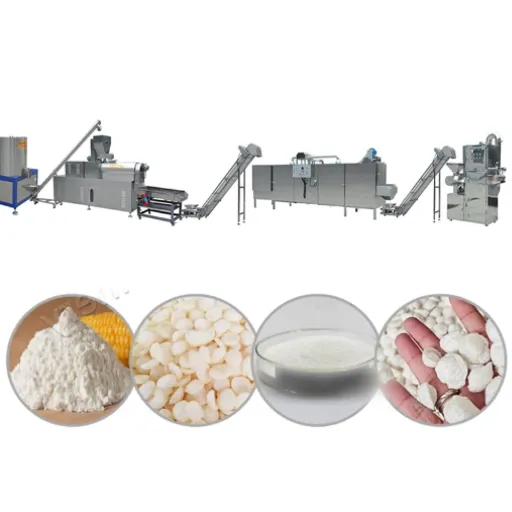
Every modified starch manufacturing process belongs to one of three main starch modification methods. Some plants also combine two or more methods, called composite modification.
Physical Modification
Physical modification changes starch without adding chemicals. The most common approach is heat-moisture treatment or extrusion cooking. In extrusion, starch is heated under pressure and shear inside a twin-screw extruder. The starch gelatinizes, loses its crystalline structure, and often expands when it exits the die.
Physical modification is popular because it is clean-label friendly, continuous, and avoids chemical handling. It is the standard method for producing pre-gelatinized starch used in instant foods, oil drilling fluids, and adhesives.
Chemical Modification
Chemical modification introduces new functional groups or crosslinks into the starch molecule. Common reactions include:
- Oxidation with sodium hypochlorite or hydrogen peroxide
- Esterification with acetic anhydride or octenyl succinic anhydride
- Etherification with propylene oxide or monochloroacetic acid
- Cationization with quaternary ammonium compounds
- Cross-linking with phosphorus oxychloride, sodium trimetaphosphate, or adipic acid
Chemical modification gives precise control over viscosity, stability, and charge. It is essential for specialty starches used in paper, textiles, and high-performance food systems. However, it also requires wastewater handling, reagent safety protocols, and residue testing.
Enzymatic Modification
Enzymatic modification uses enzymes such as alpha-amylase, beta-amylase, glucoamylase, or pullulanase to break specific bonds in starch. This creates dextrins, maltodextrins, glucose syrups, or reduced-viscosity starches. The process is highly specific and runs under mild temperature and pH conditions.
Enzymatic lines are common in facilities that already produce starch derivatives or syrups. They require precise enzyme dosing and quick inactivation to stop the reaction at the right conversion level.
Composite Modification
Some products need more than one modification. For example, a starch might be cross-linked to resist heat and shear, then acetylated to improve freeze-thaw stability. Composite methods demand flexible equipment and tight process control but can create starches with superior functionality.
| Modification Method | How It Works | Common Products | Key Equipment |
|---|---|---|---|
| Physical | Heat, moisture, shear | Pre-gelatinized starch, extruded starch | Twin-screw extruder, dryer, mill |
| Chemical | Reagents alter starch molecules | Oxidized, cationic, acetylated, cross-linked starch | Reactor, washer, dryer, mill |
| Enzymatic | Enzymes break starch bonds | Dextrins, maltodextrins, thin-boiling starch | Reaction tank, enzyme dosing, dryer |
| Composite | Two or more methods combined | Cross-linked acetylated starch, oxidized cross-linked starch | Multi-stage reactor or extruder |
Step-by-Step Modified Starch Manufacturing Process
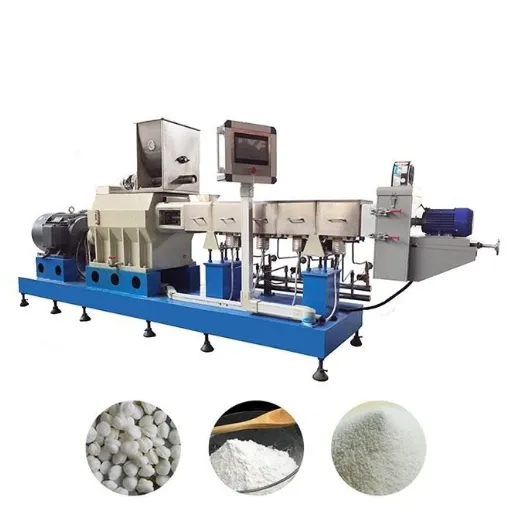
Most modified starch manufacturing processes follow the same six-stage sequence. The exact conditions inside each stage depend on the modification method and target product.
Step 1: Raw Material Selection and Preparation
The process starts with native starch powder. The main commercial sources are corn, cassava, potato, and wheat. Corn starch dominates the market with roughly 46% share, but cassava and potato starches are preferred for clear gels and freeze-thaw stability.
Before modification, the starch is screened to remove fibers, sand, metal particles, and other impurities. Some chemical processes also require the starch to be washed and dewatered to a consistent moisture content, often 10–15%.
Consistent raw material quality matters. Starch from different botanical sources has different amylose and amylopectin ratios, granule sizes, and gelatinization temperatures. Those differences affect how the starch responds to modification.
Step 2: Mixing and Preconditioning
The prepared starch is mixed with water and any required additives. The target moisture content depends on the modification route:
- Extrusion: 18–35% moisture for most pre-gelatinized starches
- Chemical slurry reaction: 30–40% solids in water
- Enzymatic conversion: 20–30% starch suspension
Uniform mixing is critical. Wet spots or dry lumps lead to uneven reaction, poor viscosity control, and off-spec product. In continuous extrusion lines, a pre-conditioner hydrates the starch before it enters the extruder barrel.
CTA: Want to see how the right preconditioning affects extrusion output? Explore our full range of food processing machines designed for consistent mixing and feeding.
Step 3: Modification Reaction
This is the core of the modified starch manufacturing process. The starch enters the modification stage, where its structure is changed.
Physical Modification Reaction
In a twin-screw extruder, starch is subjected to:
- Temperature: 120–180°C in the cooking zones
- Moisture: 18–35%, controlled by preconditioning
- Shear: controlled by screw speed, profile, and die design
- Pressure: 2–10 MPa at the die
The combination of heat, moisture, and shear gelatinizes the starch. When the product exits the die, pressure drops suddenly, causing flash evaporation and expansion. The extrudate is then cooled and dried.
Research published by Texas A&M shows that extrusion at 65–120°C and 30–70 bar can also produce starch films and biodegradable packaging materials, expanding the range of physical modification beyond food ingredients.
Chemical Modification Reaction
In a chemical process, starch slurry reacts with a reagent under controlled conditions. Here are typical parameters for common reactions:
| Product Type | Reagent | Temperature | pH | Reaction Time |
|---|---|---|---|---|
| Oxidized starch | Sodium hypochlorite | 20–40°C | 8–10 | 1–3 hours |
| Acetylated starch | Acetic anhydride | 25–35°C | 7.5–9.5 | 30–60 minutes |
| Cationic starch | Quaternary ammonium salt | 40–50°C | 10–11 | 2–4 hours |
| Carboxymethyl starch | Monochloroacetic acid + NaOH | 50–80°C | 8–12 | 2–4 hours |
| Cross-linked starch | Sodium trimetaphosphate | 35–50°C | 10–11 | 1–2 hours |
The degree of substitution or cross-linking determines the final properties. Small changes in temperature, pH, or reagent dosage can shift viscosity, gel strength, or stability significantly. That is why chemical lines use automated pH and temperature control with data logging.
Raj Patel, operations director at a mid-sized ingredient company near Mumbai, noticed that every third batch of oxidized starch had a slightly higher viscosity than the specification allowed. After checking the reactor logs, his team found that the cooling water valve was sticking, letting the temperature drift above 40°C during the summer months. Once they recalibrated the valve and added a temperature alarm, batch consistency improved and customer complaints dropped by 80%.
Enzymatic Modification Reaction
Enzymatic modification typically runs as follows:
- Prepare a 20–30% starch suspension.
- Adjust pH to 5–7 and add calcium chloride if needed for enzyme stability.
- Add enzyme, usually alpha-amylase at 0.1–0.5% by weight.
- Heat to 50–70°C and hold for the required conversion time.
- Inactivate the enzyme by heating to 80–90°C.
- Adjust pH and filter or centrifuge the product.
The target is usually a specific dextrose equivalent or viscosity. Because enzyme activity is sensitive to temperature and pH, even small deviations can over-convert or under-convert the starch.
Step 4: Neutralization and Purification
After chemical modification, the starch slurry must be neutralized and purified. Acids or alkalis bring the pH into the 6–7 range. Then the starch is washed, filtered, or centrifuged to remove salts, unreacted reagents, and by-products.
Purification is especially important for food-grade and pharmaceutical-grade starches. Residual reagents must stay below regulatory limits set by authorities such as the FDA, EU, and FAO. For example, the FAO monograph on modified starches specifies purity requirements and analytical methods for chemically modified food starches.
Physical modification usually skips neutralization but may include a cooling or conveying step to stabilize the product before drying.
Step 5: Drying
Drying reduces moisture to a stable level, typically 8–12%. The choice of dryer depends on the product form and heat sensitivity:
- Belt dryers: common for extruded modified starch; continuous and adjustable
- Fluidized bed dryers: fast and uniform for fine particles
- Drum dryers: used for pre-gelatinized starch pastes
- Spray dryers: used for slurries from chemical or enzymatic modification
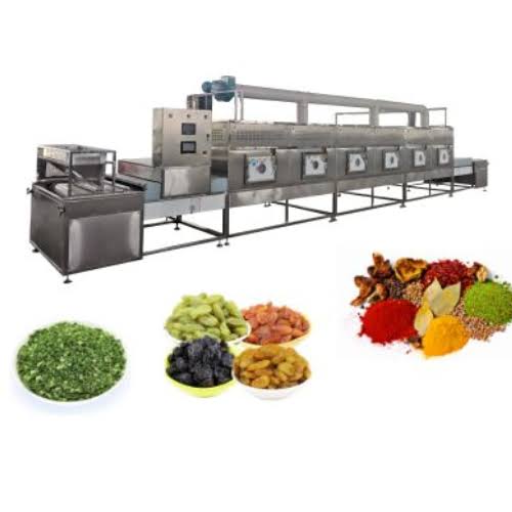
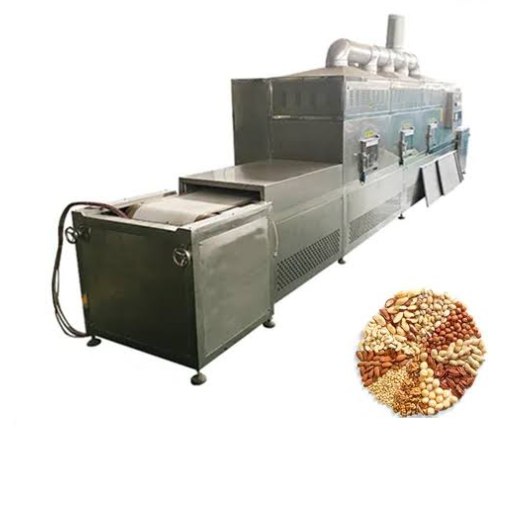
- Microwave dryers: rapid, energy-efficient option for heat-sensitive products
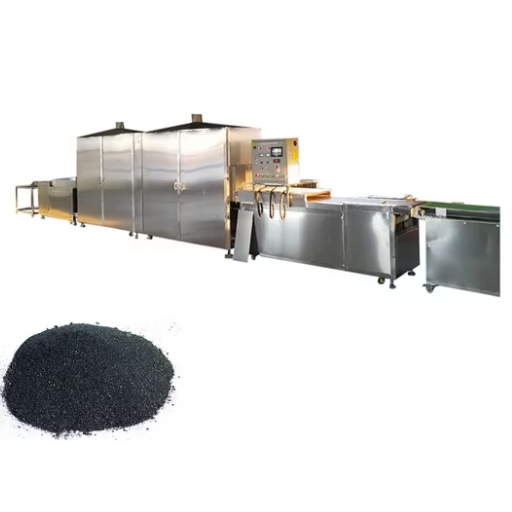
Excessive drying temperature can cause discoloration, flavor development, or degradation. Insufficient drying leads to microbial growth and caking during storage. For heat-sensitive modified starches, microwave drying can reduce thermal damage while speeding up moisture removal. Learn more about our microwave drying machine options for starch applications.
Step 6: Milling, Screening, and Packaging
The dried starch is milled to the target particle size. Hammer mills, pin mills, and ultrafine pulverizers are common. A dust collection system protects both product quality and worker safety.
After milling, the product is screened to remove oversized particles. It is then conveyed to a packaging machine. Common package sizes include 25 kg bags, 50 kg bags, and bulk containers. Packaging materials must be moisture-proof to protect the finished starch during storage and transport.
Physical Modification in the Modified Starch Manufacturing Process
Physical modification is the fastest-growing segment of the modified starch market, accounting for an estimated 52.1% of production by modification type. In a typical physical modified starch manufacturing process, heat and mechanical shear do the work without adding chemicals. Let us look at the two main physical processes.
Pre-gelatinized Starch Manufacturing
Pre-gelatinized starch is native starch that has been cooked and dried so it thickens in cold water. The pregelatinized starch manufacturing process uses either drum drying or extrusion.
Drum drying process:
- Prepare a 30–40% starch slurry.
- Feed the slurry onto steam-heated drums at 150–200°C.
- Cook the starch in a thin film for a short time.
- Scrape off the dried starch sheet.
- Mill and screen to the desired particle size.
Extrusion process:
- Mix starch with water to 18–35% moisture.
- Feed into a twin-screw extruder.
- Cook at 120–180°C under pressure.
- Cool and dry the extrudate.
- Mill and package.
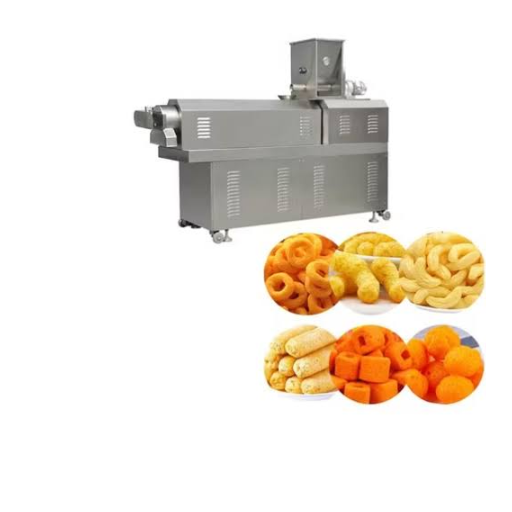
Extrusion is more common for industrial lines because it is continuous, has a smaller footprint, and can be adjusted quickly for different products. The same twin-screw extrusion platform is also used in our snack food production line equipment, with screw and die settings tuned for starch instead of snacks.
The video below shows how a twin-screw extruder converts native starch into pre-gelatinized modified starch in a continuous process.
Video Placeholder: Embed a process tour video here. Ideally use your own Loyal extrusion-line footage; alternatively, link to an authoritative third-party video of a modified starch extruder in operation.
Heat-Moisture Treatment and Annealing
Heat-moisture treatment holds starch at high temperature, usually 90–120°C, with controlled moisture below 35%. Annealing holds starch at a temperature below gelatinization with excess water. Both methods change granule crystallinity without destroying granule structure. They are used to make starches with altered gelatinization temperature and improved acid stability.
These methods are slower than extrusion but are valued in clean-label applications because no chemicals are involved.
Chemical Modification in the Modified Starch Manufacturing Process
Chemical modification requires more steps than physical modification but produces starches with precise functionality. In a chemical modified starch manufacturing process, reagents create new bonds or functional groups on the starch molecule. Let us examine the most important chemical routes in the chemical modification of starch.
Oxidized Starch Production
Oxidized starch is made by treating starch with an oxidizing agent, usually sodium hypochlorite, under alkaline conditions. The process breaks some glycosidic bonds and introduces carboxyl and carbonyl groups.
Typical parameters:
- Temperature: 20–40°C
- pH: 8–10
- Reaction time: 1–3 hours
- Oxidant dosage: 0.5–5% active chlorine on starch
The result is a starch with lower viscosity, better film formation, and improved whiteness. Oxidized starch is widely used in paper sizing and textile warp sizing.
Acetylated and Esterified Starch Production
Acetylated starch is produced by reacting starch with acetic anhydride under mild alkaline conditions. The acetyl groups reduce retrogradation and improve freeze-thaw stability.
Typical parameters:
- Temperature: 25–35°C
- pH: 7.5–9.5
- Reaction time: 30–60 minutes
- Acetic anhydride dosage: 4–10% on starch
Esterification with octenyl succinic anhydride creates stabilized starches used as emulsifiers in beverages and dressings.
Cationic Starch Production
Cationic starch carries a positive charge, which helps it bind to negatively charged fibers in paper manufacturing. It is made by reacting starch with reagents such as 3-chloro-2-hydroxypropyltrimethylammonium chloride under alkaline conditions.
Typical parameters:
- Temperature: 40–50°C
- pH: 10–11
- Reaction time: 2–4 hours
The nitrogen content and degree of substitution determine how effectively the starch binds to fibers.
Carboxymethyl Starch Production
Carboxymethyl starch, or CMS, is a water-soluble starch ether used in oil drilling, textiles, pharmaceuticals, and detergents. It is made by reacting starch with monochloroacetic acid in the presence of sodium hydroxide.
Typical parameters:
- Temperature: 50–80°C
- pH: 8–12
- Reaction time: 2–4 hours
The degree of substitution controls water solubility and viscosity. Higher substitution produces more soluble, more viscous solutions.
Cross-Linked Starch Production
Cross-linking connects starch chains with bifunctional reagents, creating a stronger network. Cross-linked starches resist heat, acid, and shear, making them ideal for canned soups, sauces, and retorted products.
Typical parameters:
- Temperature: 35–50°C
- pH: 10–11
- Reaction time: 1–2 hours
- Cross-linker dosage: 0.05–0.5% on starch
Because only small amounts of cross-linker are needed, precise dosing is critical. Too much cross-linking makes the starch insoluble; too little fails to improve stability.
Enzymatic Modification Process in Detail
Enzymatic modification is the most selective modified starch manufacturing process. Enzymes attack specific bonds without introducing foreign chemical groups, which appeals to clean-label markets. The enzymatic modification of starch is common for producing dextrins, maltodextrins, and reduced-viscosity starches.
Alpha-Amylase Hydrolysis
Alpha-amylase randomly cleaves alpha-1,4 glycosidic bonds in starch, reducing molecular weight and viscosity. In the enzymatic modified starch manufacturing process, this step is used to produce thin-boiling starch, dextrins, and maltodextrins.
Typical parameters:
- Starch concentration: 20–30% solids
- pH: 5–7
- Temperature: 50–70°C
- Enzyme dosage: 0.1–0.5% on starch
- Reaction time: 30 minutes to several hours
The reaction is stopped by heating to 80–90°C to inactivate the enzyme. The product is then filtered, concentrated, and dried.
Glucoamylase and Beta-Amylase Conversion
Glucoamylase cleaves both alpha-1,4 and alpha-1,6 bonds, producing glucose syrup. Beta-amylase produces maltose syrups. These enzymes are used in facilities that make starch-derived sweeteners alongside modified starches.
Enzyme Inactivation and Recovery
Quick and complete enzyme inactivation is essential. If the enzyme keeps working, the starch over-converts and loses functionality. Inactivation is usually done by heating, lowering pH, or adding enzyme inhibitors. The product is then clarified by filtration or centrifugation before drying.
Critical Process Control Points
Consistent modified starch quality depends on controlling a few key variables throughout the modified starch manufacturing process.
Temperature and pH Control
Temperature affects reaction rate, gelatinization, and enzyme activity. pH affects reagent reactivity, enzyme stability, and final product purity. Both must be held within narrow windows. Most modern lines use PLC-controlled heating and automated pH adjustment.
Moisture Management
Moisture affects extrusion cooking, chemical reaction efficiency, drying energy use, and shelf stability. Inline moisture sensors help operators adjust preconditioning and dryer settings in real time.
Residence Time and Shear
In extrusion, residence time and shear determine how completely the starch gelatinizes and how much molecular damage occurs. In chemical reactions, residence time controls the degree of substitution or cross-linking. Both are adjusted through screw speed, barrel profile, reactor volume, and flow rate.
Reagent Purity and Residual Levels
For chemical modification, reagent quality and accurate dosing directly affect product safety and performance. Residual reagents must be washed out or neutralized to meet food-grade and environmental standards.
Quality Control and Testing at Each Stage
Quality control should be built into every stage of the modified starch manufacturing process, not just tested at the end. Each checkpoint protects the functionality created during modification.
Raw Material Tests
- Moisture content
- Purity and ash content
- Particle size distribution
- Amylose/amylopectin ratio
- Microbiological load
In-Process Tests
- Slurry solids or moisture during mixing
- Temperature and pH during reaction
- Viscosity during enzymatic conversion
- Degree of substitution during chemical modification
- Extrudate expansion and moisture after extrusion
Finished Product Specifications
| Test | Why It Matters | Typical Target |
|---|---|---|
| Moisture content | Shelf stability, flowability | 8–12% |
| Viscosity | Functional performance | Per product specification |
| pH | Safety and compatibility | 6.0–7.5 |
| Particle size | Dispersion and application | 80–200 mesh |
| Degree of substitution | Functionality in chemical starches | 0.01–0.2 |
| Microbiology | Food safety | Per regional standards |
| Residual reagents | Regulatory compliance | Below limits set by FDA/EU/FAO |
Common Manufacturing Challenges and Troubleshooting
Even a well-designed modified starch manufacturing process can drift off target. Catching problems early keeps the line running efficiently and reduces waste. Here are the most common issues and their usual causes.
Off-Target Viscosity
Viscosity that is too high or too low usually traces back to:
- Incorrect reagent dosage in chemical modification
- Over-conversion or under-conversion in enzymatic modification
- Wrong extrusion temperature or moisture in physical modification
- Raw material variation
Fix: Recalibrate dosing systems, check temperature and moisture sensors, and verify raw starch specifications.
Inconsistent Moisture
Uneven drying or variable preconditioning moisture creates wet clumps or overly dry fines.
Fix: Check dryer airflow and temperature distribution, clean or replace clogged nozzles or screens, and verify inline moisture sensors.
Discoloration or Burnt Particles
High drying temperature, overheated extruder zones, or localized hot spots cause yellowing or burnt particles.
Fix: Reduce dryer temperature, improve product distribution on the dryer belt, and inspect extruder barrel heating controls.
Residual Reagent Issues
High residual chemicals mean incomplete washing or neutralization.
Fix: Increase wash water, extend washing time, verify pH adjustment, and check filtration or centrifuge performance.
From Process to Production Line
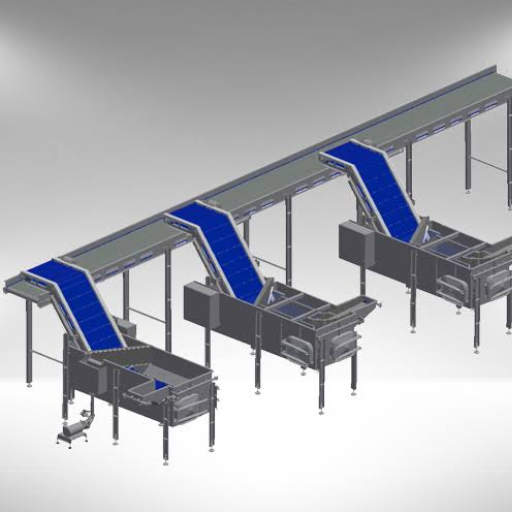
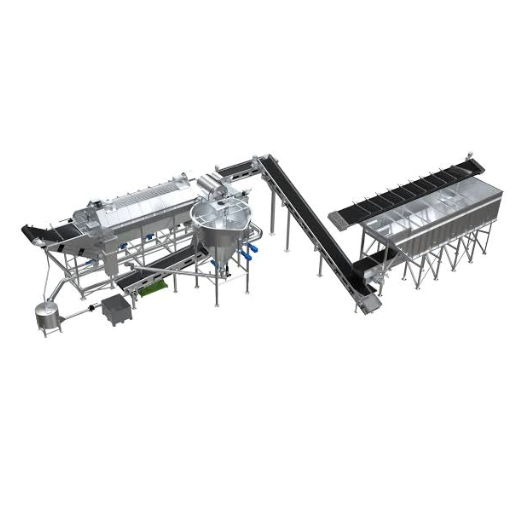
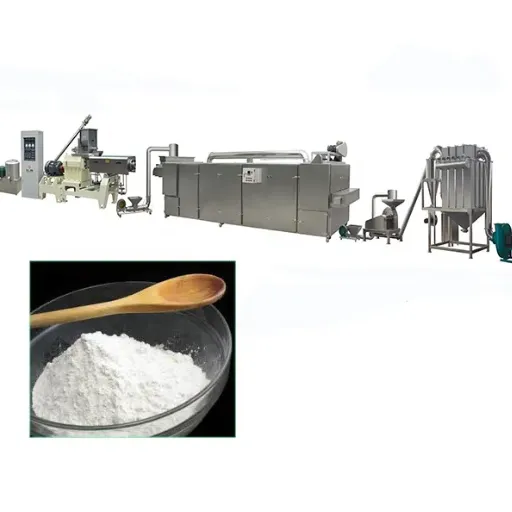
The modified starch manufacturing process you choose determines the equipment you need. Each modified starch production process has a different equipment footprint. A physical modification plant centers on a twin-screw extruder, dryer, and mill. A chemical modification plant needs reactors, washers, neutralizers, and effluent treatment. An enzymatic plant needs holding tanks with precise temperature and pH control. All of these fit within the broader category of industrial food processing equipment that manufacturers use to produce functional ingredients at scale.
Many plants today combine multiple methods to serve different markets from one facility. The key is designing each stage so that upstream choices support downstream quality. For example, the moisture content coming out of preconditioning must match what the extruder or reactor can process efficiently. The drying step must protect the functionality created during modification.
A snack ingredient supplier in Jakarta learned this lesson when expanding into clean-label instant noodle seasonings. Their customers rejected chemically modified starches because of labeling concerns. By switching to a physical pre-gelatinization process on a twin-screw extrusion line, they produced a cold-water-soluble thickener with a simple “starch” label. The change opened access to premium clean-label contracts and reduced their wastewater treatment burden at the same time.
If you are moving from process understanding to equipment selection, our complete guide to modified starch production line equipment, costs, and layouts will help you take the next step.
FAQ
What is modified starch made from?
Modified starch is made from native starch extracted from plants such as corn, cassava, potato, wheat, or rice. The native starch is then treated physically, chemically, or enzymatically to change its properties.
How is modified starch manufactured?
The modified starch manufacturing process includes six main steps: raw material preparation, mixing and preconditioning, modification reaction, neutralization and purification, drying, and milling/screening/packaging.
What are the main types of starch modification?
The three main types are physical modification, chemical modification, and enzymatic modification. Some products use composite methods that combine two or more approaches.
What temperature is used to make modified starch?
Extrusion-based physical modification typically runs at 120–180°C. Chemical modification usually runs at 20–80°C depending on the reaction. Enzymatic modification typically runs at 50–70°C.
Is modified starch production profitable?
Profitability depends on product choice, scale, raw material cost, and market access. Commodity pre-gelatinized starch has thinner margins but large volumes. Specialty chemical starches command higher prices but require more complex equipment and quality systems.
What is the difference between modified starch and pregelatinized starch?
Pregelatinized starch is one type of modified starch produced by physical modification. Modified starch is the broader category that also includes chemically and enzymatically treated starches.
Conclusion
The modified starch manufacturing process is both a science and a production discipline. Success comes from understanding how raw starch, reaction conditions, and post-treatment steps work together to create a functional ingredient.
To recap the essentials:
- Every process follows pretreatment, modification, purification, drying, milling, and packaging.
- Physical modification with extrusion is continuous, clean-label friendly, and ideal for pre-gelatinized starch.
- Chemical modification offers precise control over viscosity, charge, and stability for specialty applications.
- Enzymatic modification is highly selective and well-suited to derivatives such as dextrins and maltodextrins.
- Quality control at each stage prevents off-target viscosity, moisture problems, discoloration, and residue issues.
If you are planning a modified starch project, start with the end product in mind. Define the functionality your customers need, choose the modification method that delivers it, and design each process stage to protect that functionality. When you are ready to select equipment or scale up, Shandong Loyal Industrial Co., Ltd. can help you configure a reliable production system tailored to your product goals.
Contact our engineering team today to discuss your modified starch process requirements and request a customized equipment proposal.