A twin screw extruder modifies starch by applying controlled heat, pressure, moisture, and shear inside a continuous barrel, turning native starch into pregelatinized, chemically modified, or thermoplastic products in a single pass. For buyers evaluating starch modification equipment, the real question is not whether a twin-screw machine can cook starch—it is whether the screw design, barrel profile, and process parameters are matched to the exact modification target.
When Li Wei, a production manager at a mid-sized food ingredients plant in Shandong, first priced modified starch lines, every supplier quoted a twin-screw extruder. The brochures all showed shiny stainless-steel barrels and similar capacity tables.
Yet the sample starch his team received from one supplier dissolved poorly in cold water, while another batch was over-sheared and too thin. The difference was not the motor size. It was the screw configuration and barrel temperature profile. Once Li Wei understood those two levers, he could compare quotes on engineering merit instead of catalog photos.
That is the gap this guide fills. You will learn how twin screw extruder starch modification works, why twin-screw designs outperform single-screw units for most modification routes, which specifications drive product quality, and how to match a machine to your application. Whether you produce pregelatinized starch for instant foods, cationic starch for paper mills, or thermoplastic starch for bioplastics, the selection principles are the same.
Key Takeaways
- Twin-screw extruders act as continuous reactors that gelatinize, shear, and chemically modify starch in one step.
- Screw configuration and barrel-zone temperature have a larger impact on final starch quality than raw motor power alone.
- Co-rotating twin-screw extruders dominate starch modification because they offer independent temperature zones, multiple feed ports, and precise shear control.
- Typical extrusion temperatures range from 100 °C to 200 °C, with feed moisture between 15 % and 45 % depending on the target modification.
- Matching the extruder to the application—pregelatinization, reactive extrusion, enzymatic modification, or biopolymer compounding—determines throughput, investment, and product consistency.
What Is Twin Screw Extruder Starch Modification?
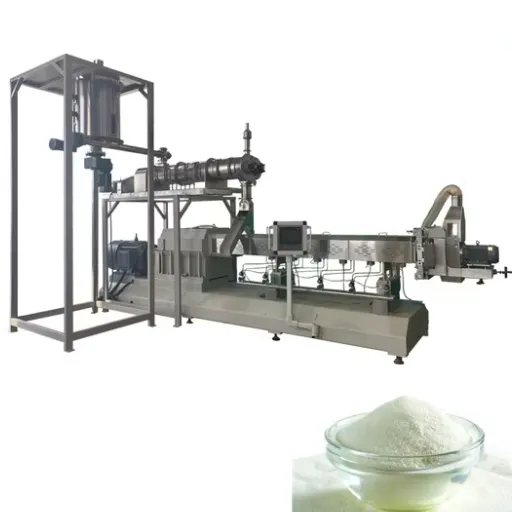
Twin screw extruder starch modification is a continuous process in which native starch from corn, tapioca, potato, wheat, or cassava is fed into a co-rotating or counter-rotating twin-screw barrel and transformed by thermomechanical energy. Inside the barrel, the starch is compressed, heated, plasticized, and sheared. The result is a modified starch with altered gelatinization, viscosity, solubility, or chemical functionality.
Unlike batch cooking or wet chemical reactors, the extruder does the work in seconds to minutes. It can produce physically modified starch—such as pregelatinized or thermoplastic starch—or serve as a reactor for chemical modifications like cationization, hydroxypropylation, and carboxymethylation. Because the process is enclosed and continuous, it also generates little or no wastewater compared with traditional wet modification methods.
This makes the twin-screw extruder the heart of most modern modified starch production line systems. If you are building a food processing machinery portfolio, understanding this machine is essential.
Why Twin-Screw Extruders Dominate Starch Modification
Continuous Thermomechanical Processing
Twin screw extruder starch modification combines conveying, mixing, heating, pressurizing, and shearing in one unit. Raw starch enters at the feed throat, absorbs moisture or additives, travels through heated barrel zones, and exits through a die. Because the process is continuous, output is steady and easy to scale from pilot runs to industrial production.
Superior Mixing and Shear Control
The intermeshing screws create intense but controllable shear. Kneading blocks can be added or removed to increase mixing intensity, while conveying elements move material gently. This matters because excessive shear degrades starch molecules and lowers viscosity, while insufficient shear leaves ungelatinized granules.
Flexible Barrel Zones and Reagent Injection
Modern co-rotating extruders have multiple independent barrel zones. You can set a low-temperature feed zone, a high-temperature reaction zone, and a cooling zone before the die. Reagents for cationization or esterification can be injected at a precise location along the barrel, turning the extruder into a true chemical reactor.
No Wastewater and Compact Footprint
Traditional wet starch modification requires reaction tanks, washing, filtration, and drying. Twin-screw reactive extrusion often skips the washing step, so the line needs less floor space and produces far less effluent. For manufacturers facing environmental compliance costs, investing in the right industrial food processing equipment can turn a meaningful operational advantage into a long-term margin improvement.
Ready to see how a twin-screw extruder fits your starch line? Contact Loyal today for a tailored machine specification and layout drawing.
Single-Screw vs. Twin-Screw Extruder for Starch
Single-screw extruders are simpler and less expensive, but they are best suited for straightforward pregelatinization with limited formulation changes. A twin screw extruder for modified starch is the better choice when you need tight process control, reactive extrusion, or frequent product changeovers.
| Feature | Single-Screw Extruder | Twin-Screw Extruder |
|---|---|---|
| Mixing intensity | Low to moderate | High and tunable |
| Temperature control | Limited zones | Multiple independent zones |
| Reagent injection | Difficult | Easy with side feeders or injection ports |
| Shear control | Coupled to screw speed | Independent via screw geometry |
| Self-cleaning | Limited | Better self-wiping action |
| Capital cost | Lower | Higher |
| Best for | Simple pregelatinization | Complex modification, reactive extrusion, scale-up |
If your operation only needs a basic cold-water-soluble pregel starch, a single-screw unit may suffice. If you plan to produce cationic starch for paper, oxidized starch for textiles, or thermoplastic starch for bioplastics, a twin-screw extruder is the safer long-term investment.
How a Twin-Screw Extruder Modifies Starch
Physical Modification: Gelatinization and Pregelatinization
In physical modification, a pregelatinized starch extruder uses heat and shear to disrupt the crystalline structure of native starch granules. The starch becomes cold-water soluble, loses its granular identity, and develops new viscosity and texture properties. Pregelatinized starch produced this way is widely used in instant soups, sauces, baby food, and oil drilling fluids.
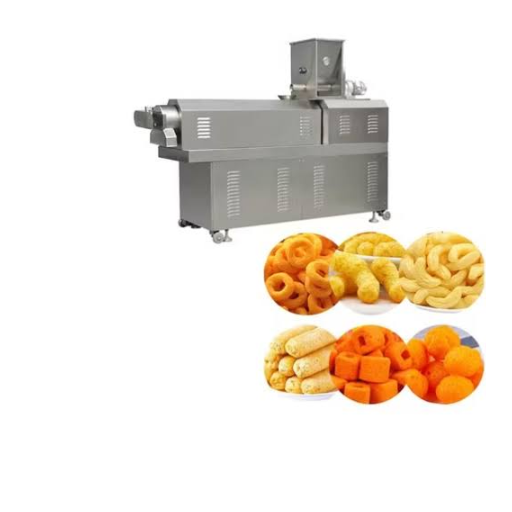
A typical pregelatinization profile runs at 120–180 °C with feed moisture of 20–35 %. The product exits the die as a plasticized sheet or puff, then moves to a dryer and grinder. Lines like our snack food production line and puff snacks processing line use the same twin-screw technology, so the engineering principles transfer directly.
Chemical Modification: Reactive Extrusion
Reactive extrusion starch production turns the extruder into a continuous chemical reactor. Starch is melted under controlled moisture, a reagent and catalyst are injected, and the reaction occurs inside the barrel before the product exits through the die.
In 1991, researchers used a Clextral BC45 co-rotating twin-screw extruder to produce cationic starch with 3-chloro-2-hydroxypropyltrimethylammonium chloride (CHPTMA) and sodium hydroxide. They reached reaction efficiencies up to 82 %, demonstrating that extrusion can rival batch chemistry while using far less water. Other reactive extrusion routes include hydroxypropylation, carboxymethylation, and esterification.
A paper mill in Vietnam recently replaced its batch cationization reactor with a twin-screw extrusion line. The change cut water usage by roughly 70 % and reduced batch-to-batch viscosity variation. The mill now runs the same screw configuration for cationic starch and adjusts only barrel temperature and reagent feed rate when switching starch sources.
Enzymatic Modification: In-Situ Enzyme Extrusion
Some processors add enzymes such as α-amylase during extrusion to produce dextrins or maltodextrins. The high temperature and shear gelatinize the starch, exposing it to enzymatic hydrolysis in a controlled residence-time environment. After the desired molecular weight is reached, the enzyme is inactivated by heat before the product exits.
Thermoplastic Starch and Biopolymer Compounding
Twin-screw extruders also compound starch with biodegradable polymers such as PLA, PBAT, or PBS. The starch is plasticized with glycerol or water and dispersed into the polymer matrix to create compostable granules. This application is growing quickly as packaging regulations tighten worldwide.
Key Specifications for Twin Screw Extruder Starch Modification
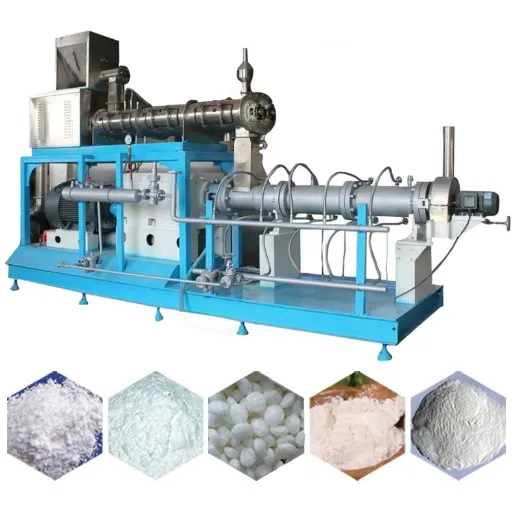
Selecting the right starch modification equipment means looking beyond the catalog price. The following specifications determine whether the extruder can deliver consistent modified starch at your target throughput.
Screw Diameter and L/D Ratio
The screw diameter sets the throughput range, while the length-to-diameter (L/D) ratio determines how many functional zones fit inside the barrel. For starch modification, L/D ratios of 20:1 to 40:1 are common. Longer barrels allow more feeding, melting, reaction, and venting zones.
Screw Configuration
Screw configuration is the most underappreciated specification on a modified starch extruder machine. A typical starch-modification screw includes several element types.
- Conveying elements to move feedstock gently.
- Kneading blocks to increase mixing and shear.
- Reverse-pitch elements to build pressure and extend residence time.
- Combing elements to distribute reagents evenly.
For reactive extrusion, the reagent is usually injected after the starch is fully melted but before the final mixing section. For simple pregelatinization, more conveying elements and fewer kneading blocks may be sufficient.
Barrel Heating and Cooling Zones
Look for at least four to six independent barrel zones with both heating and cooling capability. Water cooling is preferred for starch because it responds faster than air cooling and prevents overheating during upset conditions.
Drive Power and Torque
Starch pastes are highly viscous when molten. The extruder needs enough torque to maintain screw speed under load without stalling. As a rule of thumb, a 65 mm twin-screw extruder for starch modification needs roughly 50–90 kW of installed power, depending on target throughput and shear intensity.
Feed Ports and Reagent Injection
At minimum, you need one main feed port for starch and one liquid injection port for water or reagents. For reactive extrusion, a side feeder for solid catalyst and a liquid pump for reagent are valuable additions.
Die Design
The die controls backpressure and shapes the extrudate. For pregelatinized starch, a slit die produces a sheet that is easy to dry and grind. For thermoplastic starch compounding, a strand die with a pelletizer is typical.
| Model scale | Typical screw diameter | Capacity range | Installed power | Best use |
|---|---|---|---|---|
| Lab / pilot | 20–35 mm | 5–30 kg/h | 5–15 kW | Recipe development, small trials |
| Small production | 52–65 mm | 100–250 kg/h | 50–90 kW | Startup lines, niche products |
| Mid-scale | 72–85 mm | 250–700 kg/h | 90–180 kW | Multi-product plants |
| Industrial | 95–120 mm | 700–2,000+ kg/h | 180–350 kW | Large commodity production |
Critical Process Parameters
Once the machine is selected, four parameters control twin screw extruder starch modification quality and consistency.
Barrel Temperature Profile
Typical starch modification runs between 100 °C and 200 °C. Pregelatinization often peaks at 140–180 °C. Reactive extrusion may use a lower melting zone followed by a hotter reaction zone. A well-designed temperature profile prevents burning at the die and ensures complete gelatinization before reagent injection.
Feed Moisture Content
Moisture acts as a plasticizer. For pregelatinization, 20–35 % moisture is common. For thermoplastic starch compounding, moisture may be reduced to 10–20 % to limit degradation. For some reactive extrusion routes, moisture is kept below 20 % to drive the reaction forward.
Screw Speed and Specific Mechanical Energy (SME)
Screw speed controls shear input and residence time. Higher speeds increase SME, which can degrade starch and reduce final viscosity. Most starch modification runs use 150–400 rpm, with the optimum depending on starch source and target modification.
Residence Time and Throughput
Residence time must be long enough for the reaction or gelatinization to complete, but short enough to avoid excessive degradation. Throughput and screw speed are adjusted together to keep residence time within the target window. Residence time distribution (RTD) studies are valuable when scaling from pilot to production.
Selecting the Right Extruder for Your Application
Selecting a twin screw extruder for modified starch starts with matching capacity to demand, but the real decision is process fit. The following sections walk through lab, small-scale, and industrial options.
Lab and Pilot-Scale Systems
A 20–35 mm co-rotating twin-screw extruder is ideal for recipe development. It uses small batches, allows quick screw changes, and consumes little raw material. Use it to test different screw configurations, reagent ratios, and temperature profiles before committing to a production line.
Small-Scale Production Lines (100–300 kg/h)
For startups or niche applications, a 52–65 mm extruder paired with a simple dryer and grinder is often enough. This scale keeps capital cost low while still delivering commercial-quality product. Many Loyal customers start here and scale up once the recipe is proven on a full modified starch production line.
Industrial Lines (500–2,000+ kg/h)
Large commodity producers need 95–120 mm extruders with automated feeding, continuous reagent dosing, and inline quality sensors. At this scale, even small improvements in energy efficiency or yield have a major impact on annual margins.
When Maria launched a biodegradable packaging startup in São Paulo, she began with a 35 mm lab extruder to develop her starch-PBAT blend. Once the formulation passed quality tests, she moved to a 65 mm production line that now runs 180 kg/h. The pilot data made the scale-up straightforward because she already knew the exact screw configuration and temperature profile her product needed.
Integration with the Rest of the Production Line
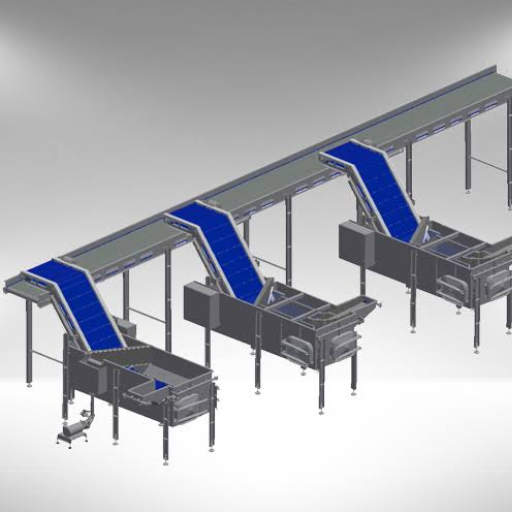
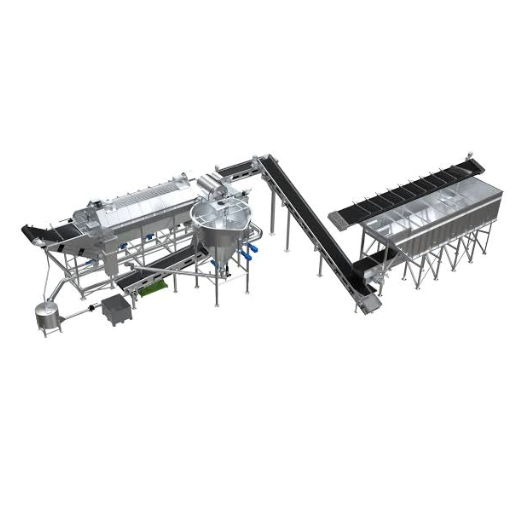
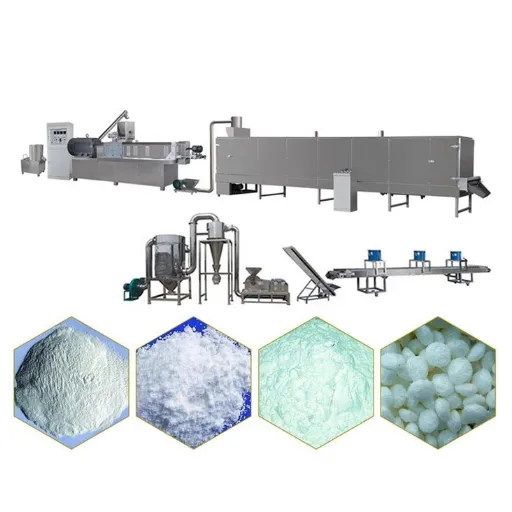
A twin-screw extruder is the core of starch modification equipment, but it never works alone. A complete modified starch line typically includes six core pieces of equipment.
- Mixer or preconditioner to blend starch with water and additives.
- Screw conveyor to feed the extruder at a steady rate.
- Twin-screw extruder for modification.
- Air conveyor or cooling belt to move the extrudate.
- Industrial dryer to reduce moisture from 25–35 % down to 8–12 %.
- Grinder and sifter to reach the target particle size.
- Packaging system for bags or bulk containers.
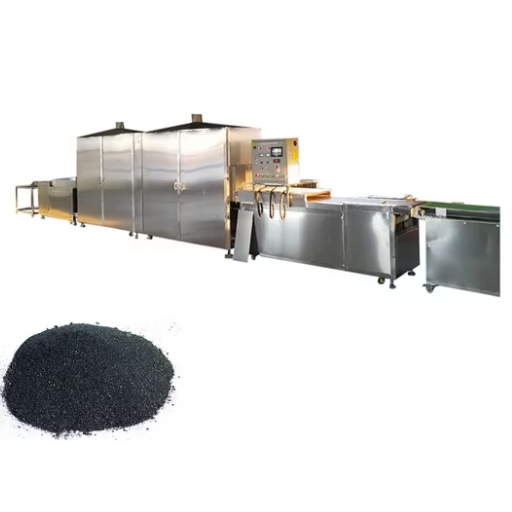
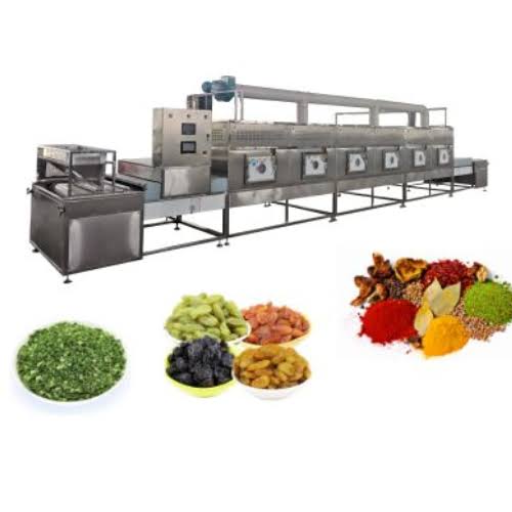
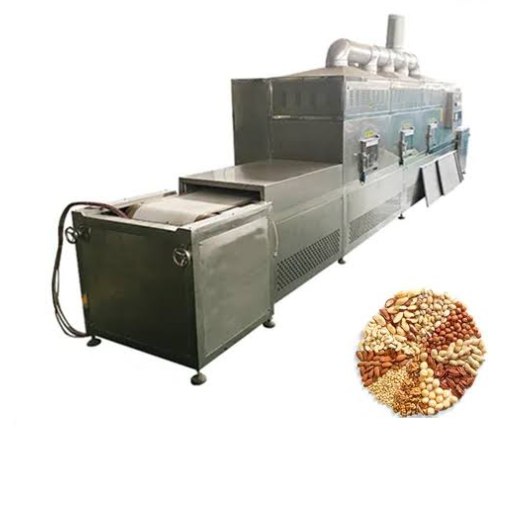
Drying is a critical step. A microwave drying machine can reduce drying time and improve energy efficiency compared with conventional hot-air ovens, especially for heat-sensitive modified starches. For a complete view of the process, see our modified starch manufacturing process overview.
Common Extrusion Challenges and Troubleshooting
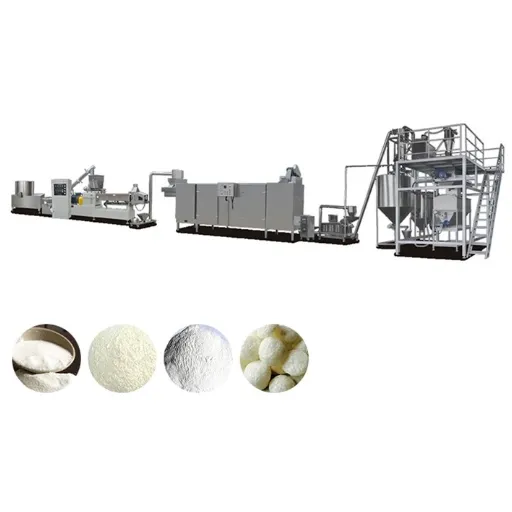
Even a well-specified twin screw extruder starch modification line will produce off-spec material if the process drifts. Here are the most common issues and their likely causes.
Inconsistent Gelatinization or Degree of Substitution
If cold-water solubility or cationic substitution varies between batches, check feed moisture and barrel temperature first. Uneven feeding from the preconditioner is another common culprit.
Surging or Unstable Output
Surging usually means the screw is not fully filled at the feed section, or the die pressure is too high. Increase feed rate slightly, check for bridging in the hopper, or increase die opening.
Discoloration or Burnt Particles
Dark specks indicate overheating. Reduce barrel temperature in the final zones, increase screw speed to reduce residence time, or improve cooling at the die.
Excessive Wear on Screws and Barrel
Starch is abrasive, especially when mineral fillers or reinforcing fibers are added. Use nitrided or bimetallic screws and barrels, and inspect wear every 2,000–4,000 operating hours depending on the formulation.
How to Evaluate a Twin-Screw Extruder Supplier
Buying a modified starch extruder machine is not only a hardware decision. The supplier’s engineering support determines how quickly your line reaches stable production.
Technical Questions to Ask
- Can the supplier run trial extrusions with your starch source and target modification?
- Do they offer screw-configuration optimization, or only standard designs?
- What is the typical delivery time for spare screws, barrels, and wear parts?
- Is on-site commissioning and operator training included?
After-Sales Support Checklist
- Spare parts inventory near your region reduces downtime.
- Remote diagnostics can resolve electrical and control issues without waiting for a technician.
- Process consulting helps you adjust recipes when raw starch quality changes.
A reliable partner will ask about your product specifications before quoting a machine. If a supplier only offers a price list without discussing screw design or barrel temperature, you may end up retrofitting the extruder after installation.
FAQ: Twin Screw Extruder Starch Modification
What is twin screw extruder starch modification?
It is a continuous process in which native starch is fed into a twin-screw extruder and transformed by heat, pressure, moisture, and shear into modified starch with new functional properties.
How does a twin-screw extruder differ from a single-screw extruder for starch?
A twin-screw extruder offers better mixing, independent barrel temperature zones, reagent injection ports, and tunable shear. A single-screw extruder is simpler and cheaper but less flexible.
What temperature is used in twin screw extruder starch modification?
Typical barrel temperatures range from 100 °C to 200 °C, with pregelatinization often running at 140–180 °C.
Can reactive extrusion produce cationic starch?
Yes. Reactive extrusion starch processes can produce cationic starch in co-rotating twin-screw extruders using CHPTMA and sodium hydroxide, with reaction efficiencies reported up to 82 %.
What capacity can a twin screw extruder for modified starch achieve?
Lab units run 5–30 kg/h. Small production lines run 100–250 kg/h. Industrial lines can exceed 2,000 kg/h.
How do I choose the right screw configuration for starch modification?
Match the screw elements to the process. Use more kneading blocks for reactive extrusion or intensive mixing, and more conveying elements for gentle pregelatinization.
Conclusion
Twin screw extruder starch modification is the most efficient way to convert native starch into functional ingredients at scale. The key to success is not simply buying the largest machine in the catalog. It is matching the screw configuration, barrel temperature profile, moisture level, and reagent injection strategy to your specific product target.
Before you request quotes, define three things: your target modification, your required capacity, and your downstream drying and grinding setup. With those answers, you can compare extruders on engineering merit rather than price alone.
Ready to select the right modified starch extruder machine for your line? Request a quote from Loyal and our engineers will recommend a screw configuration, barrel profile, and line layout tailored to your product. From pilot-scale trials to full industrial plants, we design reliable, energy-efficient food processing equipment that helps you scale with confidence.