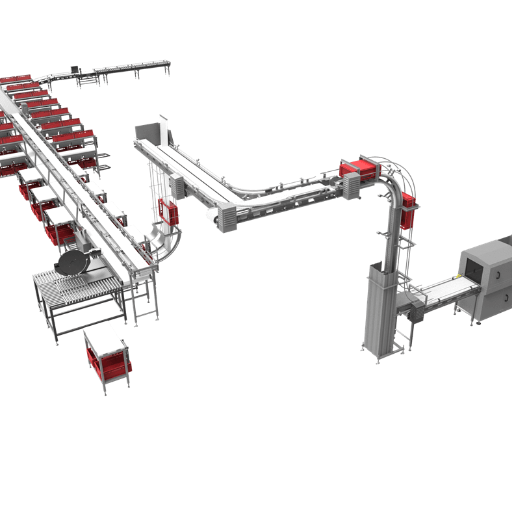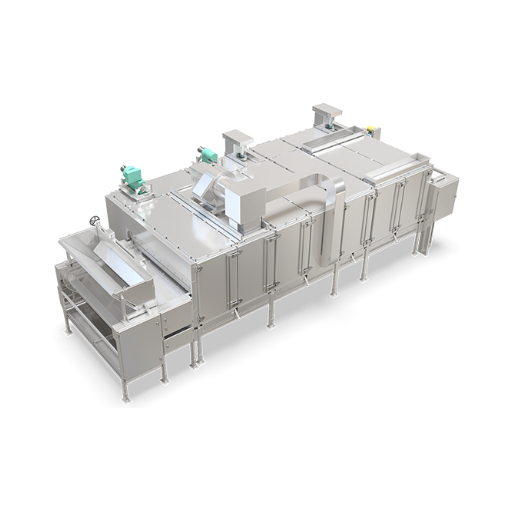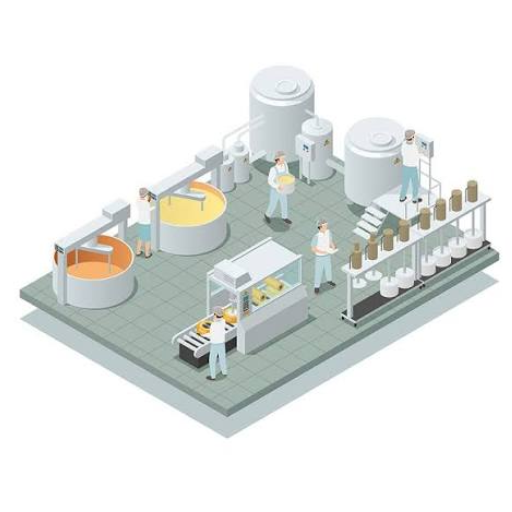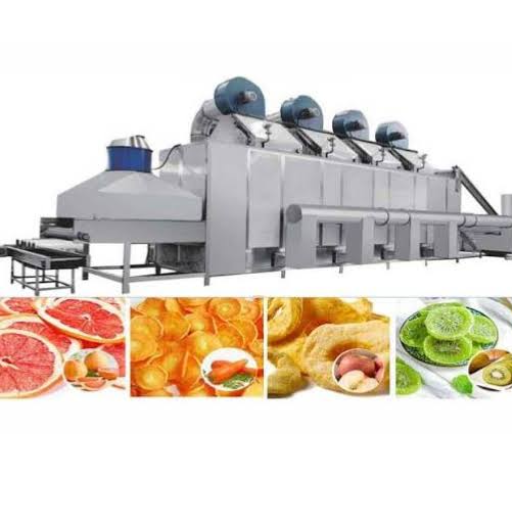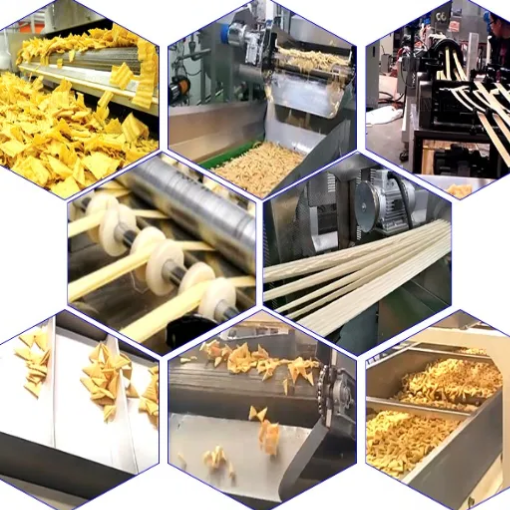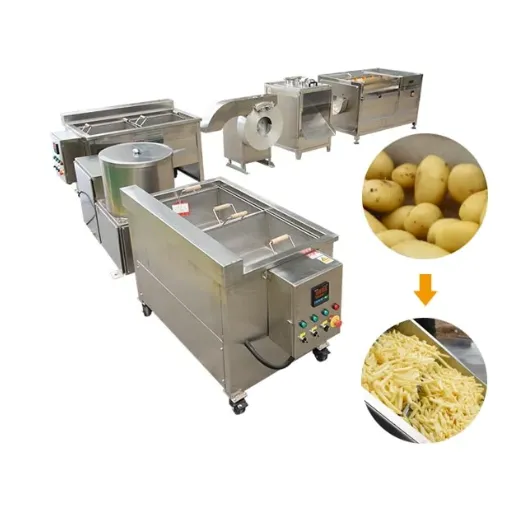
The most effective food processing equipment maintenance tips combine daily visual inspections, scheduled preventive routines, equipment-specific care, and digital documentation. Facilities that follow structured maintenance programs reduce unplanned downtime by 45-83%, cut maintenance costs by 48-50%, and extend equipment life by 20-30%.
A single hour of unplanned downtime in a food processing facility costs 30,000to30,000to150,000. For frozen food processors, that figure climbs past $50,000 per hour when spoiled product and expedited shipping are included. Yet the same repair performed reactively costs 4.8 times more than when done as planned maintenance. This gap between reactive firefighting and proactive care is where profits disappear and equipment lifespans shrink.
You already know that equipment breakdowns disrupt production, strain your team, and eat into profits. Every food manufacturer faces this reality. The difference between facilities that thrive and those that struggle is not budget or staff size. It is consistency in maintenance practices.
In this guide, you will learn actionable food processing equipment maintenance tips you can implement starting today. We cover daily inspection routines, weekly and monthly schedules, equipment-specific guidance for microwave drying machines and snack production lines, and a step-by-step framework for building a preventive maintenance program that delivers measurable results. Whether you are new to industrial food processing equipment maintenance or refining an existing program, these tips apply to operations of every size.
Key Takeaways
- Reactive repairs cost 4.8x more than planned maintenance — preventive care is your most profitable investment
- Daily visual inspections and proper lubrication with food-grade materials prevent 70-75% of equipment breakdowns
- Equipment-specific maintenance for microwave dryers and snack lines extends machine life 20-30% beyond generic approaches
- Digital checklists boost maintenance compliance from 40-60% (paper) to 85-95% within 30 days
- Predictive maintenance programs deliver 8-14 month payback with 10x ROI potential
Top 7 Food Processing Equipment Maintenance Tips
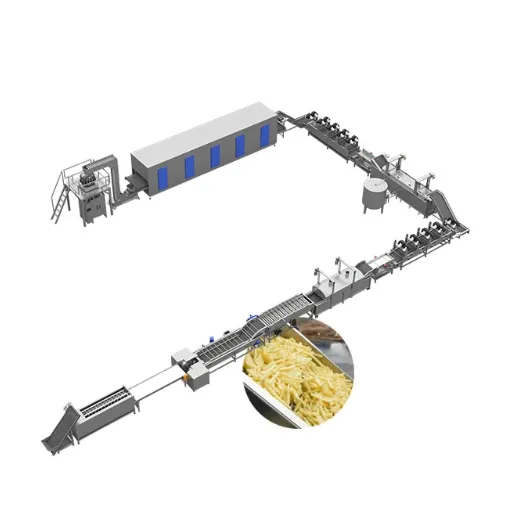
Here is a quick-reference list of the most impactful food processing equipment maintenance tips from this guide:
- Perform daily visual inspections — Check belts, seals, electrical connections, and lubrication levels at every shift change.
- Use only food-grade lubricants — NSF H1-rated lubricants prevent contamination and keep bearings running smoothly.
- Follow manufacturer maintenance schedules — OEM guidelines are optimized for your specific equipment design and operating conditions.
- Keep detailed digital records — CMMS-based documentation achieves 85-95% compliance versus 40-60% for paper logs.
- Maintain critical spare parts inventory — Stock bearings, seals, belts, and drive components with the longest lead times.
- Calibrate sensors and measurement systems monthly — Temperature, pressure, and weighing drift creates quality and safety risks.
- Train operators in autonomous maintenance — Daily cleaning, inspection, and lubrication checks by operators free technicians for complex repairs.
Why Preventive Maintenance Matters in Food Processing
Preventive maintenance in food processing is not a cost center. It is your most profitable investment. Facilities that shift from reactive to preventive maintenance typically see an 8-14 month payback with 10x ROI potential. One snack manufacturer improved Overall Equipment Effectiveness (OEE) from 62% to 86% in just 14 months. The reason is simple. Every dollar spent preventing failure saves multiple dollars in emergency repairs, lost production, and rushed parts.
The True Cost of Food Processing Equipment Downtime
Unplanned downtime in food processing costs 30,000to30,000to150,000 per hour depending on operation size. The average facility experiences roughly 442 downtime hours annually. For a mid-size operation, that translates to millions in lost revenue every year.
When Marcus Chen took over as operations manager at a Midwest snack facility in early 2025, his plant averaged 47 hours of unplanned downtime per month. Emergency repairs consumed his maintenance budget by March. Overtime costs spiraled. And a single conveyor bearing failure on a Friday afternoon cost 23,000inrushparts,weekendlabor,andmisseddeliverycommitments.Afterimplementingastructuredpreventivemaintenanceprogram,Marcuscutunplanneddowntimeto22hourspermonthwithineightmonths.Hisfacilityrecoveredover23,000inrushparts,weekendlabor,andmisseddeliverycommitments.Afterimplementingastructuredpreventivemaintenanceprogram,Marcuscutunplanneddowntimeto22hourspermonthwithineightmonths.Hisfacilityrecoveredover640,000 annually.
Reactive repairs cost 3 to 10 times more than planned maintenance. The math is unforgiving. When you wait for failure, you pay rush shipping on parts, overtime labor rates, lost production capacity, and potentially expedited shipping penalties to customers.
The OEE Opportunity
Typical food plants operate at 55-72% OEE. The food and beverage industry average is alarmingly low at roughly 53%. World-class operations hit 85% or higher. That gap represents recoverable capacity — production you are already paying for but not capturing.
Structured maintenance programs recover over 2,400 hours per production line annually. Facilities under predictive maintenance see 70-75% fewer breakdowns. The opportunity is not marginal. It is transformative.
Food Safety and Regulatory Compliance
Equipment contamination causes 25% of food recalls, costing the industry $55 billion annually. FDA food safety regulations require documented maintenance programs. Maintenance records are reviewed in 80% of FDA inspections.
Your maintenance program is also your compliance program. Every lubrication log, calibration record, and repair note becomes evidence of your commitment to food safety. When an auditor asks how you ensure your metal detector functions correctly, your maintenance documentation answers the question before you speak.
Daily Food Processing Equipment Maintenance Tips
Daily food processing equipment maintenance tips start with simple checks. These are your first defense against the 442 downtime hours average plants face annually. These tasks take minutes but prevent hours of disruption. Train operators to treat daily inspections as non-negotiable — not optional extras when time permits.
Visual Inspection and Food Machinery Maintenance Checklist
Start each shift with a systematic walk-around. Look for debris and product buildup on conveyor belts. Check electrical connections and control panels for loose terminals or corrosion. Inspect seals and gaskets for cracks, discoloration, or microbial buildup. Listen for abnormal noise or vibration from motors and gearboxes. Verify that machine guards, safety devices, and emergency stops are in place and operational.
These five-minute checks catch problems while they are still small. A loose belt is a five-minute fix. A snapped belt shuts down the line for an hour.
Cleaning and Sanitation Protocols
Clean and sanitize all food-contact surfaces at the end of every production run. Use food-grade cleaning agents at the correct concentration. Follow your facility’s validated cleaning protocol — chemical concentration, contact time, temperature, and mechanical action. After any maintenance activity on food-contact surfaces, perform post-maintenance cleaning validation before resuming production.
Never use ordinary steel wool or steel brushes on stainless steel surfaces. Particles can embed and rust, creating contamination risks and FSMA compliance violations.
Lubrication Basics
Use only NSF H1-rated food-grade lubricants in any area where incidental food contact is possible. Never substitute industrial greases in product-contact risk zones. Check visible lubrication levels in motors, bearings, and conveyor systems daily. Follow manufacturer guidelines for lubrication points, intervals, and quantities.
Over-lubrication is as damaging as under-lubrication. Excess grease attracts debris and creates a paste that accelerates wear. Use the amount specified in your equipment manual — no more, no less.
Weekly and Monthly Maintenance Routines
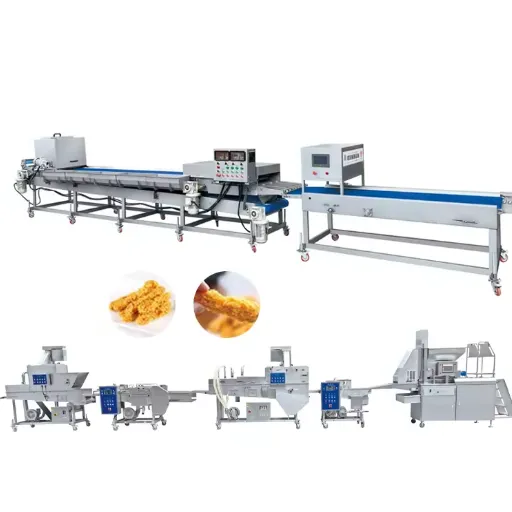
Daily checks prevent immediate failures. Weekly and monthly routines catch developing problems before they become critical. Schedule these tasks during planned downtime — shift changes, batch transitions, or sanitation windows — to minimize production impact.
Weekly Tasks
Inspect belts, chains, pulleys, and sprockets for wear, proper tension, and alignment. Test safety interlocks and emergency stops to confirm they function correctly. Check electrical connections and control panels for looseness or corrosion. Inspect seals and gaskets for leaks. Verify calibration of temperature, pressure, and flow sensors. Check cooling and refrigeration systems for proper operation.
These tasks take 15-30 minutes per machine. Spread them across the week rather than clustering them on one day. Consistency matters more than intensity.
Monthly Tasks
Perform detailed inspections of motors and gearboxes. Check for heat, vibration, and unusual noise. Regrease bearings using food-grade lubricants. Verify alignment of rotating equipment — misalignment is a leading cause of bearing failure. Review and update maintenance logs. Conduct vibration and thermal analysis on critical rotating equipment where applicable.
Maria Santos, a maintenance supervisor at a Brazilian pet food facility, instituted monthly vibration checks on her extruder gearboxes. In month three, the data showed a subtle frequency shift on line two’s main drive. She scheduled a bearing replacement during the next planned shutdown. The removed bearing showed early-stage raceway damage. Left undetected, it would have failed catastrophically during peak production season, costing an estimated $85,000 in downtime and emergency repairs.
Calibration and Performance Checks
Calibrate weighing and measuring systems monthly. Verify temperature sensor accuracy against a calibrated reference thermometer. Check speed and torque settings on motors against manufacturer specifications. Run test pieces through metal detectors and X-ray systems to verify sensitivity. Document all calibration results with as-found and as-left values for audit readiness.
Calibration drift is gradual and invisible until it causes a problem. A temperature sensor reading 3 degrees high can undercook product. A scale drifting low overfills packages and erodes margins.
Food Processing Equipment Maintenance Tips for Specific Machines
Generic advice helps, but your microwave drying machine and snack food production line have unique maintenance needs that generic guides miss. This section covers the equipment-specific care that extends machine life 20-30% beyond one-size-fits-all approaches.
Microwave Drying Machine Maintenance
Microwave drying machines require specialized attention beyond standard conveyor systems. The magnetron — the core component generating microwave energy — degrades gradually. Monitor output power monthly and replace magnetrons when output drops below 85% of rated capacity. Clean waveguides regularly to prevent arcing and energy loss. Even small food particles in the waveguide can create hot spots that damage the magnetron.
Check conveyor belt alignment weekly. Uneven belt tracking causes inconsistent drying — some product overheats while other portions remain under-dried. Verify ventilation system operation daily. Proper airflow removes moisture and prevents condensation that corrodes internal components.
Inspect door seals and safety interlocks weekly. Microwave leakage is both a safety hazard and an energy efficiency problem. A compromised seal bleeds microwave energy into the environment instead of directing it into the product.
For facilities using industrial microwave ovens for sterilization applications, document every batch’s temperature profile. Regulatory auditors will request this data. Consistent documentation demonstrates process control.
Snack Production Line Maintenance
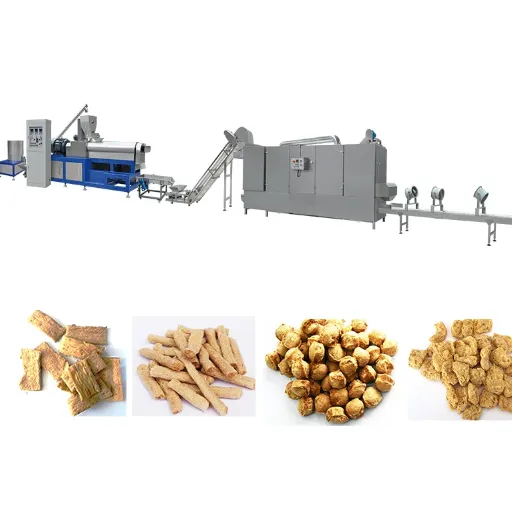
Snack production lines combine multiple processes — extrusion, drying, seasoning, and packaging — each with distinct food production line maintenance requirements. For the extruder, inspect screw and barrel wear monthly. Excessive clearance between screw and barrel reduces shear and produces inconsistent expansion. Clean die plates thoroughly after every product changeover. Residue in die orifices creates uneven extrusion patterns that affect product shape and texture.
Check seasoning drum rotation consistency weekly. Spray nozzle alignment affects coating uniformity. Misaligned nozzles waste seasoning and create quality complaints. Inspect packaging seal integrity at the start of every shift. Failing seals create shelf-life failures and customer returns.
For puff snacks processing lines, monitor extruder barrel temperature zones daily. Temperature deviations of even a few degrees affect expansion ratio and final product density. Document zone temperatures for every batch to enable trend analysis and early problem detection.
Corn flakes production lines require particular attention to flaking roll gap consistency. Cereal bar production lines need regular mixer blade inspection and forming die cleaning to maintain uniform bar density and shape. Check roll gap settings weekly and inspect roll surfaces for damage. Even minor scoring on flaking rolls transfers to the product surface.
Conveyor and Material Handling Systems
Conveyor systems are the backbone of every production line, yet they are often neglected until they fail. Check belt tension and tracking daily. A belt that drifts rubs against the frame, creating abrasive wear and contamination risk. Lubricate rollers and bearings according to manufacturer schedules — over-lubrication attracts product dust that forms an abrasive paste.
Inspect transfer points for product buildup weekly. Accumulated material restricts flow, creates jams, and attracts pests. Check drive motor current draw monthly. Rising current indicates increasing mechanical load — often from bearing wear, misalignment, or buildup.
Want equipment built for easy maintenance? Explore our food processing machines designed with accessibility and reliability in mind. Every Loyal Machine product includes detailed maintenance schedules and food-grade component specifications.
Building a Preventive Maintenance Program
A structured preventive maintenance program transforms random repairs into predictable, manageable tasks. Preventive maintenance in food processing does not need to be complex. It needs to be consistent.
Step 1: Asset Inventory and Criticality Assessment
Catalog every piece of equipment in your facility. Assign each asset a criticality rating based on production impact. A packaging line that handles 100% of your output is critical. A backup label printer is important but not critical. Your critical assets get the most frequent inspection intervals and the highest spare parts priority.
Step 2: Create Maintenance Schedules
Build task lists for daily, weekly, monthly, quarterly, and annual intervals. Align maintenance windows with production schedules, batch transitions, or sanitation cycles. Maintenance during planned downtime is not downtime — it is preparation.
A practical schedule for a mid-size facility might look like this:
| Frequency | Sample Tasks | Time Required |
|---|---|---|
| Daily | Visual inspection, lubrication check, cleaning | 10-15 min per machine |
| Weekly | Belt inspection, safety test, sensor check | 20-30 min per machine |
| Monthly | Vibration check, alignment verify, log review | 1-2 hours per machine |
| Quarterly | Deep clean, component replacement, calibration | 4-8 hours per machine |
| Annually | Full validation, structural inspection, KPI review | 1-2 days per line |
Step 3: Establish Documentation Systems
Paper logs achieve only 40-60% completion rates. Digital checklists with supervisor visibility reach 85-95% compliance within 30 days. A basic CMMS — even a spreadsheet with automated reminders — outperforms paper for accountability and audit readiness.
Automated digital records reduce audit preparation time by 85-90%. What takes 60+ hours with paper files takes under 8 hours with a CMMS. When the auditor arrives, you generate compliance reports in minutes instead of searching filing cabinets for days.
Step 4: Train Your Team
Train operators to perform basic care — cleaning, visual inspection, lubrication, and abnormality reporting. This autonomous maintenance approach frees your skilled technicians for complex repairs. Provide specialized training on equipment-specific systems. Maintain ongoing refresher programs. Knowledge walks out the door when technicians leave. Documented procedures stay.
Ready to build a maintenance program tailored to your equipment? Contact our team for maintenance guidance specific to your Loyal Machine production lines. We provide detailed PM schedules, spare parts recommendations, and operator training materials with every installation.
Spare Parts Management and Inventory
The fastest way to turn a minor repair into major downtime is missing a critical spare part. Effective spare parts management is insurance you pay once to avoid paying repeatedly.
Identifying Critical Spare Parts
Identify parts for each production line that have the longest lead times and the highest failure frequency. Bearings, seals, belts, and drive components typically top the list. For potato chip production lines, this includes slicing blades, fryer conveyor belts, and oil filtration elements. For extrusion systems, keep spare screws, barrels, and die plates in stock.
Setting Minimum Stock Levels
Track parts usage digitally and set automated reorder alerts. Avoid both stockouts and overstocking. Spare parts sitting on shelves for years tie up capital and may expire — lubricants have shelf lives, and seals degrade over time even in packaging.
Food-Grade Material Requirements
Ensure all replacement parts meet food-grade specifications. Stainless steel components should match your original equipment grade — typically 304 or 316 for food contact. Use only food-safe seal and gasket materials. Keep an approved lubricant inventory and never substitute industrial-grade products during an emergency repair.
When to Consider Predictive Maintenance
Preventive maintenance schedules tasks based on time or usage. Predictive maintenance schedules tasks based on actual equipment condition. The difference is the difference between changing your car oil every 3,000 miles and changing it when analysis shows it is actually degraded.
Condition Monitoring Technologies
Vibration analysis detects bearing wear, misalignment, and imbalance in motors and gearboxes before failure occurs. Infrared thermography identifies hot spots in electrical systems — loose connections, overloaded circuits, and failing components. Oil analysis reveals contamination, wear particle trends, and lubricant degradation in gearboxes and hydraulic systems.
These technologies create 18-26 day windows for planned intervention rather than emergency response. You fix the bearing on your schedule, not the machine’s.
ROI of Predictive Maintenance
Predictive maintenance programs reduce annual maintenance costs by 48-50% after program maturity, according to 2026 industry research. Unplanned downtime drops 45-83%. Equipment life extends 20-30%. The typical payback period is 8-14 months, with 10x ROI potential.
For a facility spending 400,000annuallyonmaintenance,a50400,000annuallyonmaintenance,a50200,000 for capacity expansion, product development, or margin improvement.
Getting Started Without Major Investment
You do not need a full sensor suite to begin. Start with operator-driven observation programs. Train your team to recognize abnormal sounds, temperatures, and vibration patterns. Use simple handheld thermal cameras for monthly electrical inspections. Add vibration sensors to your most critical assets first. Gradual technology adoption spreads costs and proves value before scaling.
Common Maintenance Mistakes to Avoid
Even well-intentioned maintenance programs fail when they fall into predictable traps. Avoid these five mistakes that undermine most food processing maintenance efforts.
Reactive Maintenance Firefighting
Waiting until equipment fails is the most expensive maintenance strategy. The hidden costs multiply beyond the repair bill. Rushed repairs compromise quality. Emergency procurement pays premium prices. Overtime labor rates add 50% or more. And the production you missed is gone forever — you cannot make up lost shelf space.
Zhang Wei runs a puff snacks processing line in Shandong Province. For two years, his team fixed equipment only when it broke. Downtime averaged 38 hours monthly. After shifting to preventive maintenance in 2024, downtime dropped to 14 hours monthly. His maintenance budget stayed flat, but production output increased 22% because the machines were actually running when they were supposed to.
Over-Maintenance
The opposite of neglect is also wasteful. Roughly 50% of time-based preventive tasks may be unnecessary. Changing a bearing that still has 80% of its life remaining wastes parts, labor, and production time. Use condition data to optimize intervals. A bearing that lasts 18 months in your clean, low-load environment does not need replacement every 6 months.
Ignoring Manufacturer Guidelines
Your equipment manufacturer knows the machine better than generic maintenance advice. Optimized maintenance intervals come from the engineers who designed the system. Ignoring manufacturer guidelines voids warranties and misses optimization opportunities built into the design. Loyal Machine provides detailed maintenance schedules with every food production line equipment installation — follow them.
Poor Documentation
When your lead technician leaves, undocumented knowledge walks out with them. Maintenance logs that live in one person’s head are not logs — they are accidents waiting to happen. Document every repair, every replacement, every adjustment. Track failure patterns. If the same bearing fails every eight months, the problem is not the bearing. It is misalignment, overloading, or lubrication failure.
Neglecting the Human Element
Machines do not maintain themselves. The best program fails without trained, motivated people. Recognize maintenance team contributions publicly. Involve operators in basic care. Create career paths that reward technical skill development. Your maintenance team is not a cost — they are the people who keep revenue flowing.
Frequently Asked Questions
What routine maintenance tasks should be performed on food processing machinery?
Daily tasks include visual inspections, lubrication checks, and cleaning of food-contact surfaces. Weekly tasks cover belt inspection, safety system testing, and sensor calibration. Monthly tasks include vibration analysis, alignment checks, and detailed motor and gearbox inspection. Quarterly and annual tasks involve deep cleaning, major component replacement, and full system validation.
How often should food processing equipment be maintained?
Critical equipment needs daily visual checks. All production machinery should receive weekly inspection and testing. Detailed maintenance occurs monthly for most assets. Plan comprehensive overhauls quarterly or annually depending on usage intensity and manufacturer recommendations. Align all maintenance with your production schedule to minimize disruption.
How do HACCP requirements impact maintenance scheduling?
HACCP-linked maintenance means your preventive maintenance program directly supports Critical Control Points. Equipment that controls pasteurization temperatures, metal detection, sealing integrity, or cold chain storage needs shorter maintenance intervals and elevated priority. Any corrective maintenance on CCP-critical equipment should trigger product hold and revalidation before returning to service.
How can food manufacturers reduce maintenance downtime without compromising food safety?
Schedule maintenance during planned production breaks, batch transitions, or sanitation windows. Use digital CMMS systems to track compliance and automate scheduling. Train operators in autonomous maintenance so they handle daily care while technicians focus on complex repairs. These food processing equipment maintenance tips keep machines running without cutting corners on safety.
What documentation is required for food equipment preventive maintenance compliance?
Document every maintenance event with date, technician, equipment ID, work performed, parts replaced, and observations. Include calibration records with as-found and as-left values. Track lubrication types and quantities. Store sanitation validation records. FDA inspectors review maintenance documentation in 80% of inspections, so thorough records are essential.
What specialized training do maintenance technicians need in food manufacturing?
Food manufacturing technicians need HACCP and GMP training, food hygiene and allergen awareness, lockout/tagout safety certification, and equipment-specific technical training. Cross-training on multiple systems improves flexibility. Ongoing refresher programs keep skills current and ensure compliance with evolving regulations.
Conclusion
Food processing equipment maintenance tips are not theoretical concepts. They are practical actions that separate profitable operations from struggling ones. The same repair costs 4.8 times more when done reactively. Daily visual inspections and proper lubrication are your first defense against the 442 downtime hours average plants face annually. Equipment-specific maintenance for microwave dryers and snack lines extends machine life 20-30% beyond generic approaches. Digital checklists boost compliance from 40-60% to 85-95%. And predictive maintenance programs deliver 8-14 month payback with 10x ROI potential.
The facilities seeing the highest returns combine consistent preventive schedules, equipment-specific care, digital documentation, and trained teams. They do not treat maintenance as an expense. They treat it as the investment that keeps every other investment producing.
Transform your maintenance program and your bottom line. At Shandong Loyal Industrial Co., Ltd., we do not just manufacture food processing machines — we design them for reliability and provide the maintenance guidance to keep them running. Contact us today for tailored maintenance solutions, spare parts recommendations, and operator training programs specific to your production equipment.
These food processing equipment maintenance tips give you a practical framework to transform maintenance from reactive firefighting into proactive protection. Consistent maintenance is not an expense. It is an investment in your production capacity, your product quality, and your food safety compliance.