To choose food processing equipment that matches your goals, assess your production needs, understand available machine types, evaluate technical specifications, decide between custom and standard solutions, calculate total cost of ownership, vet suppliers carefully, and plan for installation and maintenance. The wrong choice can cost manufacturers thousands in lost productivity, compliance issues, and unexpected repairs.
What if the machine you buy today becomes the bottleneck that limits your growth tomorrow? Last year, a snack manufacturer in Southeast Asia invested in a production line that looked perfect on paper. Six months later, output demand had doubled, but the equipment couldn’t scale. Retrofitting cost 40% more than buying the right system upfront. Stories like this happen every day, and they are almost always preventable.
You already know that reliable equipment is the backbone of any food manufacturing operation. In this guide, you will learn a proven seven-step framework for evaluating, comparing, and selecting food processing machines that align with your capacity, budget, and long-term growth plans. Whether you run a small startup or a global enterprise, these steps will help you make a confident, informed decision.
Key Takeaways
- Start with a clear production needs assessment, including current output and 3-year growth projections, before comparing any equipment specs.
- Total cost of ownership often exceeds purchase price by 2-3x when you factor in energy, maintenance, and downtime over a 5-year period.
- Custom food processing solutions can improve line efficiency by 20-40% compared to off-the-shelf equipment for businesses with unique product requirements.
- Always verify supplier certifications (ISO, CE, FDA compliance) and request customer references before committing to a purchase.
- Energy-efficient food processing machines typically pay for themselves within 18-36 months through reduced utility bills.
Step 1: Assess Your Production Needs and Capacity
The biggest mistake manufacturers make is shopping for equipment before they truly understand their own requirements. When you start with specs instead of strategy, you end up with a machine that is either overbuilt and wasteful or underpowered and limiting.
Map Your Current and Future Output
Begin with hard numbers. Calculate your daily, weekly, and monthly production targets in kilograms or units. Then add a growth buffer. Most successful manufacturers plan for a 30-50% capacity increase over the next three years. If your current output is 500 kg per day, consider equipment that can handle 750 kg without a full replacement.
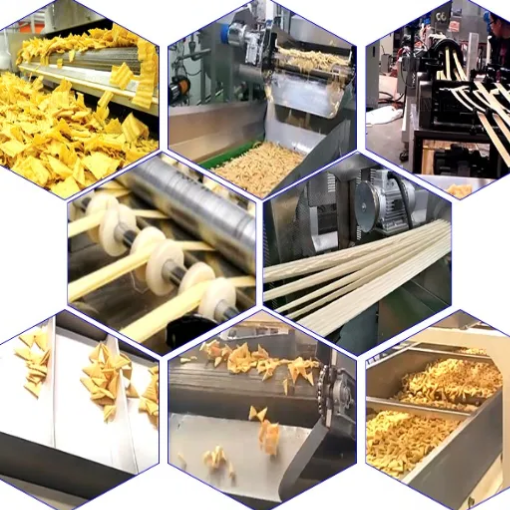
Think about your product mix too. A bakery producing one type of biscuit has very different needs than a facility making puffed snacks, cereal bars, and corn flakes. Each product category demands specific processing parameters, from extrusion pressure to drying temperature.
Identify Product-Specific Requirements
Different ingredients behave differently under processing. High-moisture products need effective drying systems. Sensitive ingredients require gentle handling to preserve nutritional value. Heat-sensitive items may benefit from advanced drying technologies rather than conventional ovens.
Consider your packaging integration as well. Will the new equipment feed directly into your existing packaging line, or will you need additional conveyors and interfaces? Compatibility issues discovered after installation can derail timelines and inflate budgets.
When Marcus opened his small snack factory in Lagos in 2023, he bought a generic extruder because it was affordable. Within eight months, he wanted to add flavored puffed snacks to his product line. The machine couldn’t handle the recipe variations. He ended up selling it at a 60% loss and purchasing a versatile snack food extruder that supported multiple shapes and formulations. The second machine cost more upfront, but it saved him from a second replacement cycle.
Step 2: Understand the Types of Food Processing Equipment Available
Once you know what you need, the next step is understanding what exists. The food processing equipment landscape is broad, and each category serves a distinct purpose in the production chain.
Core Equipment Categories
Food processing machines generally fall into four groups:
- Preparation and washing equipment: Removes contaminants, sorts raw materials, and prepares ingredients for further processing.
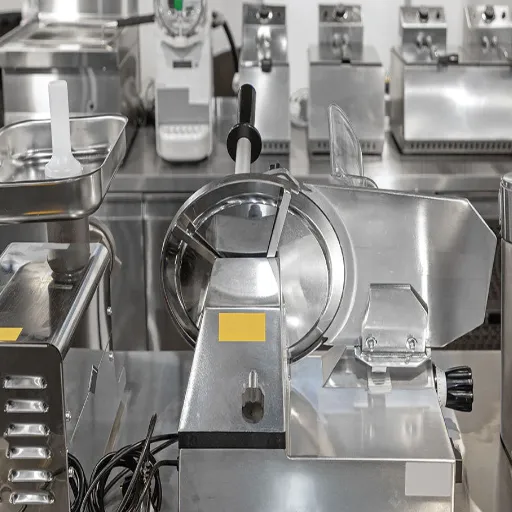
- Processing and transformation machinery: Extruders, mixers, grinders, and formers that convert raw ingredients into intermediate or finished products.
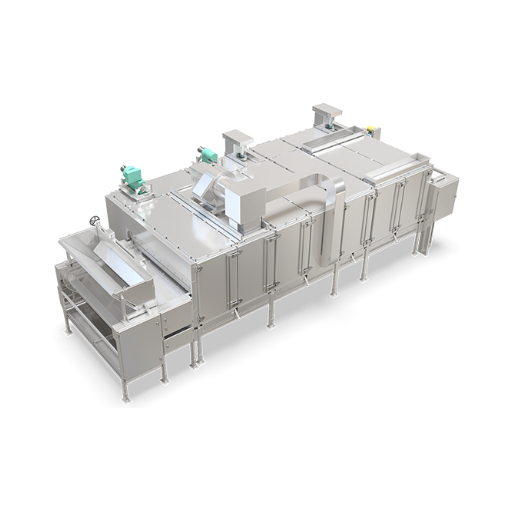
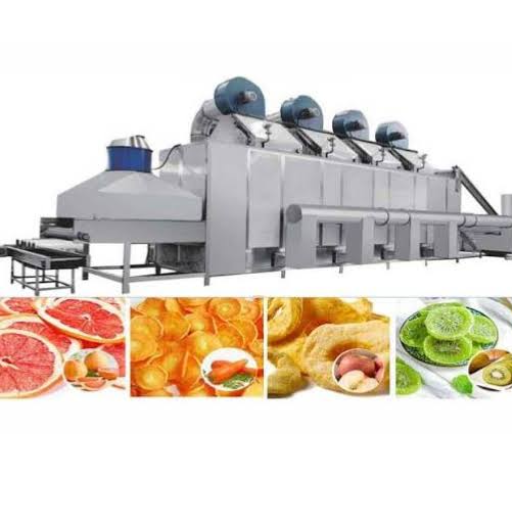
- Drying and sterilization systems: Removes moisture to extend shelf life and eliminate pathogens. Microwave drying machines represent one of the most energy-efficient options in this category.
- Packaging and sealing equipment: Protects finished products and ensures compliance with labeling regulations.
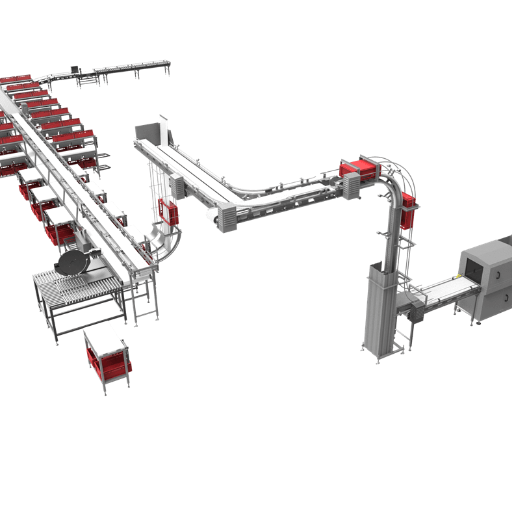
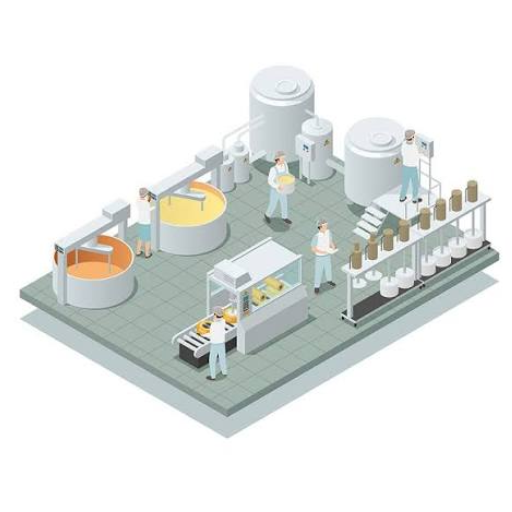
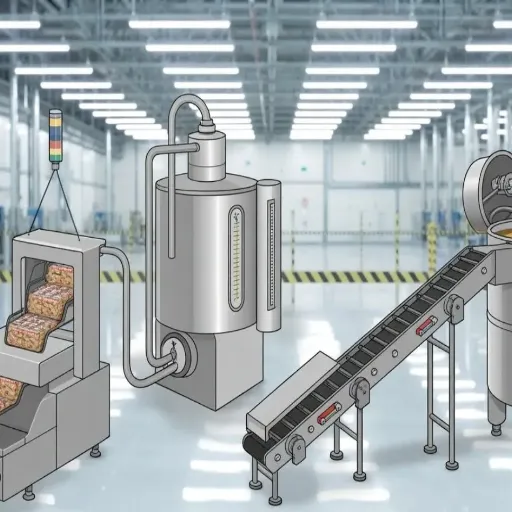
A complete food production line equipment setup typically integrates multiple categories into a continuous workflow. Understanding where each piece fits helps you evaluate whether a supplier offers true line integration or just standalone units.
Manual, Semi-Automatic, and Fully Automatic Systems
The level of automation you choose directly impacts labor costs, consistency, and scalability.
- Manual equipment works for very small operations or specialized artisan production. It offers flexibility but limits throughput and introduces variability.
- Semi-automatic systems strike a balance. They reduce labor while allowing operator oversight and adjustment. This is often the sweet spot for growing small and medium businesses.
- Fully automatic lines maximize output and minimize human error. They require higher capital investment but deliver the lowest per-unit production cost at scale.
The right choice depends on your current labor costs, production volume, and growth trajectory. A startup with limited capital might start semi-automatic and upgrade later. A global enterprise entering a competitive market may need full automation from day one to hit target margins.
Want to see how different production lines fit together? Explore our range of food processing machines to compare line configurations for snacks, cereals, pasta, and more.
Step 3: Evaluate Key Technical Specifications
Technical specs separate professional-grade equipment from machinery that will cost you more in downtime than it saves in purchase price. Here is what to examine closely.
Capacity and Throughput
Manufacturers often list maximum theoretical capacity. Real-world output is usually 70-85% of that figure due to changeovers, cleaning cycles, and minor stoppages. Ask suppliers for verified continuous operating capacity, not peak numbers.
Match throughput to your bottleneck analysis. If your mixer can supply 1,000 kg per hour but your dryer only handles 600 kg per hour, the dryer becomes your constraint. Line balancing is essential.
Material Quality and Hygiene Standards
Food contact surfaces must use food-grade stainless steel, typically 304 or 316 grade. These materials resist corrosion, withstand aggressive cleaning chemicals, and prevent contamination. Avoid equipment with exposed carbon steel or questionable alloys.
Look for clean-in-place (CIP) compatibility. Equipment that disassembles easily for sanitation reduces labor costs and improves compliance with Hazard Analysis and Critical Control Points (HACCP) principles. Smooth welds, sloped surfaces, and minimal crevices all support hygiene.
Energy Efficiency and Operating Costs
Energy typically represents 10-15% of total production expenses in food manufacturing. Over a five-year period, electricity costs can exceed the original equipment purchase price for energy-intensive processes like drying and extrusion.
Modern industrial food processing equipment increasingly incorporates energy-saving designs. Microwave drying technology, for example, heats product directly rather than warming large volumes of air. This targeted approach can reduce energy consumption by 30-50% compared to conventional hot-air drying systems. When evaluating drying equipment, request specific power consumption figures per kilogram of finished product.
Step 4: Consider Customization vs. Standard Solutions
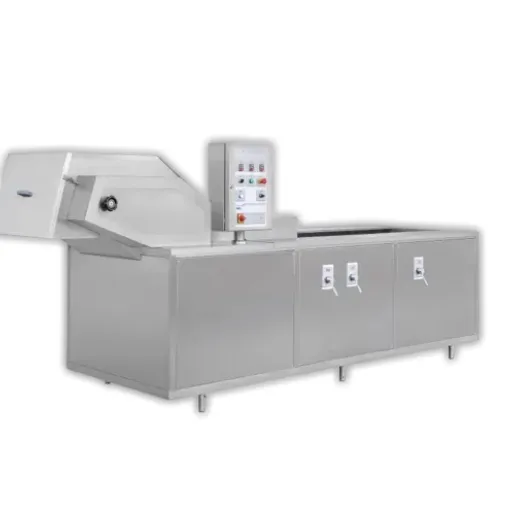
Not every operation fits a catalog model. Understanding when to buy standard and when to invest in custom food processing solutions protects both your budget and your operational flexibility.
When Standard Equipment Works
Standard, off-the-shelf machines are ideal when:
- Your product is common and well-established in the market.
- Your facility layout accommodates standard machine footprints.
- You need quick delivery and lower upfront investment.
- Your production process follows industry norms without unusual steps.
Standard solutions also come with proven track records, readily available spare parts, and extensive reference installations. For many startups and small businesses, this is the smartest first step.
When You Need Tailored Solutions
Customization becomes valuable when:
- Your product has unique formulation requirements that standard machines cannot handle.
- Your facility has space constraints, low ceilings, or irregular layouts.
- You need to integrate new equipment with legacy systems using non-standard interfaces.
- Your target market demands product characteristics that require specialized processing parameters.
A cereal manufacturer in Europe discovered this firsthand. Their factory occupied a converted warehouse with narrow aisles and low ceilings. Standard production towers wouldn’t fit. By working with a manufacturer that offered tailored solutions, they received a modular snack food production line configured horizontally rather than vertically. The custom layout fit their space, maintained full output capacity, and allowed future expansion without relocation.
Need equipment that fits your specific layout or product? Contact us to discuss tailored solutions designed around your production goals.
Step 5: Set Your Budget and Calculate Total Cost of Ownership
Purchase price is just the beginning. Smart buyers evaluate total cost of ownership (TCO) over the full equipment lifecycle.
Beyond the Sticker Price
Factor these additional costs into your budget:
- Shipping and import duties: International equipment purchases may incur freight charges, customs fees, and local taxes ranging from 5-25% of equipment value.
- Installation and commissioning: Site preparation, electrical work, utilities connection, and initial calibration. Budget 10-20% of equipment cost for complex lines.
- Operator training: Ensuring your team can run, troubleshoot, and maintain the equipment safely and efficiently.
- Spare parts inventory: Critical wear parts should be on-site to minimize downtime during failures.
- Energy and consumables: Annual power, water, gas, and cleaning chemical costs.
- Maintenance and repairs: Scheduled preventive maintenance plus unexpected repairs.
ROI Framework
Calculate payback period by dividing total investment by annual savings or additional profit generated. If a 50,000efficiencyupgradesaves50,000efficiencyupgradesaves18,000 per year in labor and energy, your payback period is roughly 2.8 years.
Consider productivity gains too. A faster line that increases output by 25% without proportional labor increases effectively drops your per-unit cost. Over thousands of units, this compounds into significant margin improvement.
Equipment downtime costs food manufacturers an average of $22,000 per hour according to industry maintenance studies. Reliability should weigh heavily in your calculation, not just speed or capacity.
Step 6: Vet Suppliers and Food Machinery Manufacturers
Your equipment is only as good as the company that builds and supports it. Supplier evaluation protects you from quality problems, communication failures, and after-sales nightmares.
What to Look for in a Manufacturer
- Industry experience and specialization: How long have they manufactured this specific type of equipment? A generalist metalworking shop that recently entered food machinery is riskier than a firm with decades of focused experience.
- Quality certifications: Verify ISO 9001 for quality management, CE marking for European compliance, and FDA compliance for U.S. market access. These certifications indicate documented processes and third-party validation.
- Service backup system: Is there a service engineer available in your area? What is the speed of supply for spare parts? A broken machine with no available support is a production catastrophe.
- Export experience and global reach: Food machinery manufacturers with established global distribution understand international shipping, voltage standards, and regional regulatory requirements. This experience reduces your project risk significantly.
- Customer references: Ask for 2-3 references from buyers in similar markets or with similar applications. Contact them directly and ask about reliability, support responsiveness, and whether they would buy again.
Red Flags to Avoid
Be cautious if a supplier:
- Provides quotes significantly below market rate without clear explanation.
- Cannot produce verifiable certification documents.
- Offers vague specifications instead of detailed technical datasheets.
- Has no customer references or only provides testimonials without contact details.
- Communicates inconsistently or slowly during the inquiry phase. Poor pre-sales communication usually predicts worse post-sales support.
A pet food producer in South America learned this the hard way. They selected the cheapest quote for an extrusion line, saving roughly 15,000upfront.Withinthefirstyear,thegearboxfailed.Thesupplierhadnolocalservicepresence,andreplacementpartstooksixweekstoarrive.Lostproductioncostthem15,000upfront.Withinthefirstyear,thegearboxfailed.Thesupplierhadnolocalservicepresence,andreplacementpartstooksixweekstoarrive.Lostproductioncostthem35,000, more than double their initial “savings.”
Step 7: Plan for Installation, Training, and Maintenance
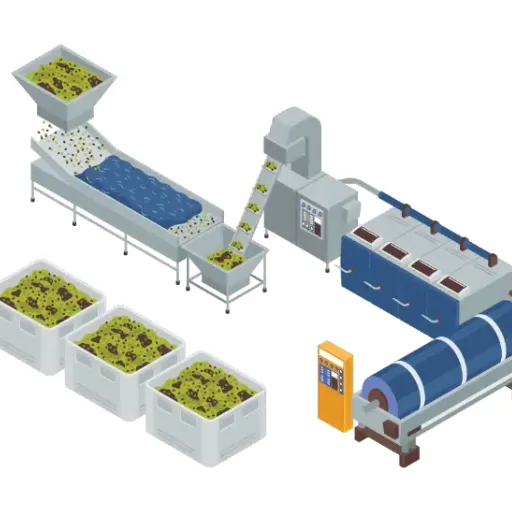
Even perfect equipment performs poorly without proper setup, trained operators, and disciplined maintenance. This final step ensures your investment delivers value from day one.
Site Preparation Requirements
Before equipment arrives, confirm your facility meets all requirements:
- Floor loading: Heavy machinery may need reinforced foundations.
- Ceiling height: Adequate clearance for installation, operation, and maintenance access.
- Utilities: Sufficient electrical capacity, water supply, drainage, and compressed air if needed.
- Environmental controls: Temperature and humidity stability for sensitive processes.
- Access routes: Door widths, corridor turns, and lifting equipment capacity to move machinery into position.
Operator Training and Documentation
Request comprehensive training from the supplier covering operation, routine maintenance, troubleshooting, and safety procedures. Insist on written documentation, including operator manuals, maintenance schedules, and parts lists. Video training materials are valuable for onboarding future employees.
Preventive Maintenance Scheduling
Unplanned downtime destroys profitability. Establish a preventive maintenance schedule from day one. This includes lubrication, wear part inspection, belt tension checks, and calibration verification.
Proper preventive maintenance can extend food processing equipment lifespan by 30-50%. That turns a 10-year asset into a 13-15 year asset, dramatically improving return on investment. Keep maintenance logs and track failure patterns. Recurring issues in the same component often signal a design weakness or operational misuse that you can correct.
Your Equipment Selection Checklist
Choosing the right food processing equipment doesn’t have to be overwhelming. Use this checklist to stay organized:
- Define production targets with 3-year growth projections.
- Map product-specific needs including ingredients, processing parameters, and packaging integration.
- Select automation level based on labor costs, volume, and growth plans.
- Verify technical specs including real-world capacity, material grade, and energy consumption.
- Decide on customization based on product uniqueness and facility constraints.
- Calculate total cost of ownership including shipping, installation, training, energy, and maintenance.
- Evaluate suppliers on experience, certifications, references, and support capability.
- Prepare your facility and establish training and maintenance programs before startup.
The global food processing equipment market is projected to reach $98.4 billion by 2030, growing as manufacturers worldwide invest in modernization. The companies that thrive will be those that make strategic, well-researched equipment decisions rather than reactive purchases driven by immediate pressure.
You now have a complete framework for how to choose food processing equipment that supports your business today and scales with your ambitions tomorrow. Take your time, ask hard questions, and treat this decision as the long-term investment it is.
Ready to find the right equipment for your operation? Contact Shandong Loyal Industrial Co., Ltd. today to discuss your production needs, explore our full range of food processing solutions, and receive a tailored equipment recommendation from our experienced team.
At Shandong Loyal Industrial Co., Ltd., we design and manufacture advanced food processing machines for manufacturers worldwide. From snack food production lines to energy-efficient microwave drying systems, our tailored solutions help businesses boost efficiency, maintain quality, and scale with confidence.