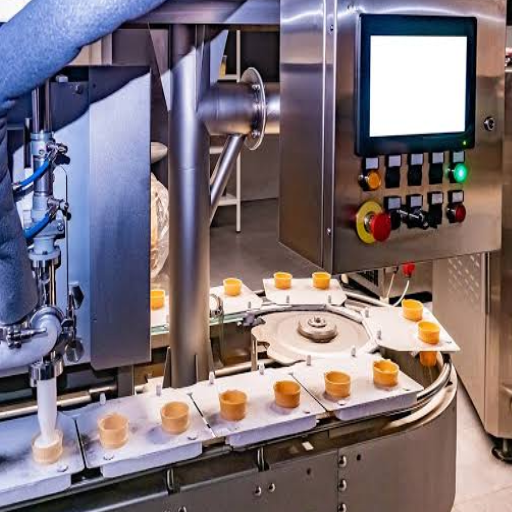
Food manufacturing automation is the use of robotics, sensors, control systems, and software to run food production processes with minimal human intervention. When implemented well, it cuts labor costs, improves product consistency, strengthens food safety, and gives manufacturers the flexibility to respond faster to market changes.
The business case for food manufacturing automation is getting stronger. The Business Research Company estimates the food automation market will grow from 18.12billionin2026to18.12billionin2026to26.46 billion by 2030. That growth is not driven by hype. It is driven by real pressures: labor shortages, stricter traceability rules, smaller batch sizes, and sustainability targets.
Maria runs production at CrunchTime Snacks, a mid-sized plant in Ohio. Last fall, her team shipped 12,000 cases of mixed snack packs for a holiday promotion. The orders were strong, but manual weighing and hand-palletizing created problems.
Three pallet loads went out underweight. A retailer rejected one shipment. Two line operators called in sick during the peak week. Maria spent the weekend recalculating whether the promotion had actually made money.
That experience pushed her to adopt food manufacturing automation for packaging and palletizing. Six months later, throughput was up 22%, giveaway had dropped, and her team was redeployed to higher-value quality checks. Her story is not unusual. Food manufacturers around the world are asking the same question: where should automation start?
This guide answers that question. You will learn what food manufacturing automation really means, which technologies matter most, and how to build a roadmap that fits your operation.
Key Takeaways
- Food manufacturing automation covers everything from robotic palletizing to AI-powered quality inspection and recipe-controlled processing lines.
- The food automation market is projected to reach $26.46 billion by 2030, driven by labor shortages, food safety rules, and SKU volatility.
- A practical automation roadmap starts with bottleneck analysis, not equipment shopping.
- Hygienic design, scalable controls, and reliable after-sales support are just as important as speed when selecting equipment.
- Most mid-sized food plants see the strongest ROI by automating packaging, inspection, and palletizing before moving upstream.
What Is Food Manufacturing Automation?
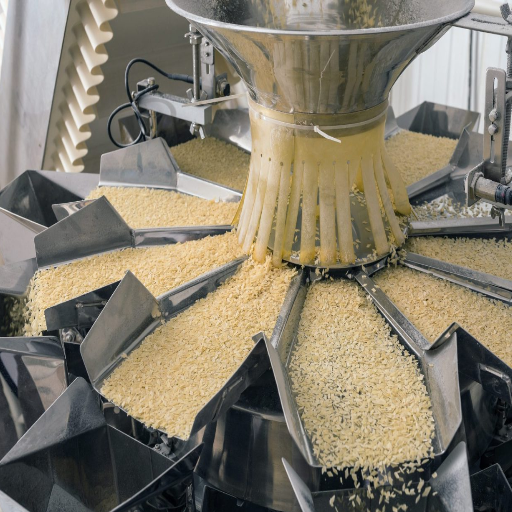
At its core, food manufacturing automation replaces repetitive, manual, or error-prone tasks with machines and control systems that operate consistently and predictably. It can be as simple as a programmable conveyor that spaces products before a wrapper. It can also be as complex as a fully integrated plant where recipe management, thermal processing, packaging, and warehouse routing are controlled from a central system. In practice, food manufacturing automation means fewer manual transfers, less variation between shifts, and more consistent output.
Automation usually evolves through four stages:
- Manual operations – Workers handle most tasks with basic tools.
- Mechanization – Machines replace muscle work, but operators still control timing and adjustments.
- Partial automation – Sensors, PLCs, and HMI panels take over sequencing and monitoring.
- Full automation – Production lines self-adjust based on real-time data, with minimal operator input.
Not every plant needs full automation. Many successful manufacturers stay profitable at stage three, using programmable equipment that gives them flexibility without the cost and complexity of a lights-out facility.
Food manufacturing automation also breaks into two major zones. Process automation manages what happens to the food itself: mixing, drying, baking, frying, pasteurizing, sterilizing, and cooling. Food packaging automation handles weighing, filling, sealing, labeling, case packing, and palletizing.
Food processing automation is the broader term that covers both process and packaging automation. All of these zones produce data that feeds traceability, quality, and maintenance systems.
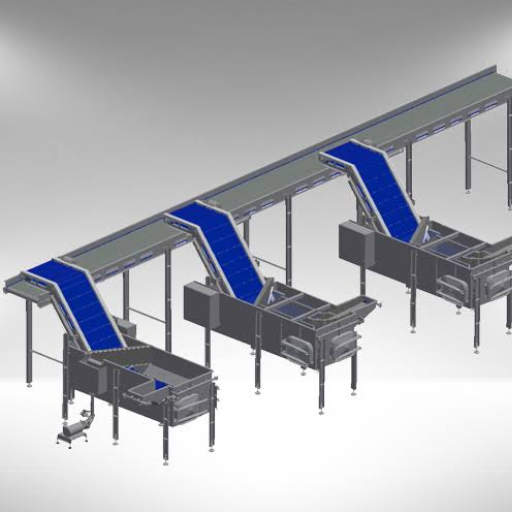
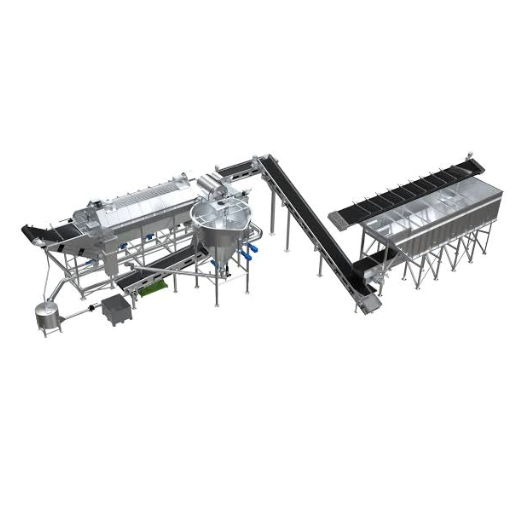
For manufacturers evaluating where to begin, it helps to think of automation as a set of connected capabilities rather than a single purchase. The right food processing machines become far more valuable when they share data with packaging, inspection, and warehouse systems.
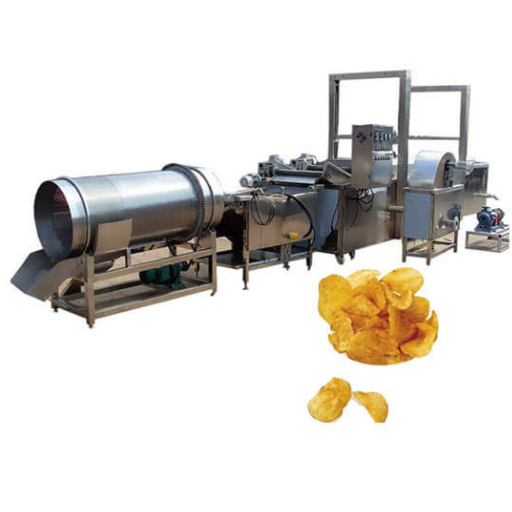
Want to see how integrated food production lines work in practice? Explore our food production line equipment to compare configurations for snacks, cereals, and dried foods.
Why Food Manufacturers Are Automating Now
Several forces are pushing food companies toward food manufacturing automation at the same time. Understanding them helps you choose priorities and build a business case.
Labor Shortages and Rising Costs
Finding and keeping production workers is harder than it was a decade ago. Turnover is expensive. Training takes time. Physically demanding tasks increase injury risk.
Food manufacturing automation helps close that gap. According to Coherent Market Insights, automation adoption can reduce food-manufacturing labor costs by roughly 16%. That figure does not just reflect fewer workers. It reflects workers doing safer, higher-value jobs while machines handle repetitive motion tasks.
Food Safety and Traceability Rules
Regulations like the FDA Food Safety Modernization Act (FSMA), HACCP programs, and BRCGS certification require documented controls at critical points. Automated systems capture temperature, humidity, pH, metal-detection, and fill-level data automatically. Food manufacturing automation makes that documentation faster and more reliable. That data becomes an audit trail instead of a stack of clipboards.
David manages quality at PureDairy Cooperative. Before automation, every batch record was handwritten. When a customer asked for a full traceability report, his team spent two days pulling files from three departments. The delay almost cost them a contract renewal.
After installing SCADA-linked batch controls and automated CIP logging, the same report takes 30 seconds. More importantly, deviations now trigger alerts in real time instead of showing up days later. For David, food manufacturing automation turned compliance from a burden into a competitive advantage.
SKU Proliferation and Smaller Batches
Consumers want variety: more flavors, more pack sizes, more label claims. That pressure turns production schedules into a juggling act. Food manufacturing automation gives plants the flexibility to meet that demand. Flexible automation, such as servo-driven format parts and recipe-based controls, lets plants switch products quickly without long changeover delays.
Sustainability and Waste Reduction
Automated lines reduce giveaway, cut energy use through variable-speed drives, and lower rework by catching defects early. Food manufacturing automation supports those goals. For companies with ESG targets, food manufacturing automation is becoming part of the sustainability strategy, not just the operations strategy.
Market Growth Signals
The business case is getting stronger. The Business Research Company estimates the food automation market will grow from 18.12billionin2026to18.12billionin2026to26.46 billion by 2030. Mordor Intelligence notes that Asia-Pacific accounts for about 38.7% of food-processing automation revenue, making it the fastest-growing region as emerging markets scale up automated food production.
Key Technologies Driving Food Manufacturing Automation
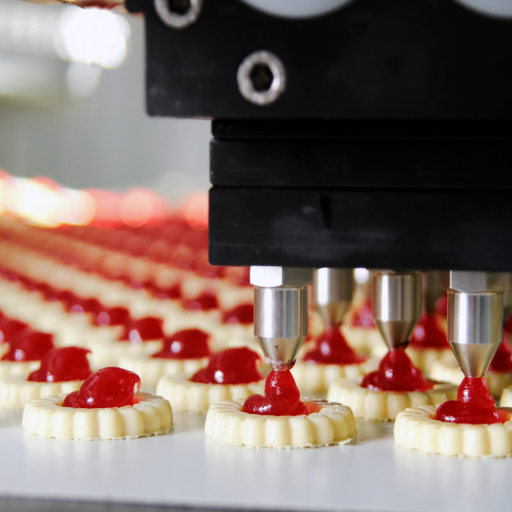
Knowing the technologies helps you ask better questions when talking to equipment suppliers and system integrators.
Industrial Robotics and Collaborative Cobots
Robotics is the most visible form of food manufacturing automation. Robots handle pick-and-place, case packing, palletizing, and depalletizing. In food plants, the latest designs use food-grade materials, sealed joints, and IP69K wash-down ratings so they can survive high-pressure cleaning. Cobots work alongside operators without safety cages, making them useful for tasks that still need a human eye.
The robotics segment dominates the automation market, accounting for roughly 45% of total food automation spend. For many plants, palletizing is the safest first robot project. The payload is predictable, the environment is controlled, and the ROI is easy to measure.
AI-Powered Vision and Quality Inspection
Machine vision systems now check seal integrity, fill levels, label position, portion size, and foreign objects. AI-trained cameras can even grade products that vary naturally, such as baked goods or fresh produce, where rule-based systems struggle. AI-powered vision systems for food quality inspection grew about 25% in 2026.
IoT Sensors and Predictive Maintenance
Predictive maintenance is one of the most practical benefits of food manufacturing automation. Vibration, temperature, current, and humidity sensors feed data to cloud or edge platforms.
Instead of changing parts on a fixed schedule, maintenance teams replace components when data shows they are degrading. That reduces unplanned downtime and extends machine life. IoT-enabled automation solutions for remote monitoring grew roughly 30% between 2024 and 2026.
SCADA, MES, and ERP Integration
- SCADA (Supervisory Control and Data Acquisition) gives operators a live view of the line.
- MES (Manufacturing Execution Systems) tracks orders, batches, quality checks, and resource use.
- ERP (Enterprise Resource Planning) handles inventory, purchasing, and finance.
When these systems talk to each other, a sales order can automatically generate a production schedule. That schedule then selects the right recipe, orders materials, and reports results back to finance. That level of integration is where industrial food automation starts delivering compound returns.
Digital Twins and Simulation
A digital twin is a virtual copy of a production line. Engineers can test recipe changes, line layouts, and control logic in simulation before touching the physical equipment. This reduces commissioning time and makes it safer to experiment with new products.
Hygienic, Wash-Down-Ready Equipment Design
Food plants are wet, cold, and corrosive. Automation hardware must use stainless steel, smooth welds, sloped surfaces, and sealed electronics. Equipment designed for clean-in-place (CIP) cycles saves hours of manual sanitation and reduces contamination risk.
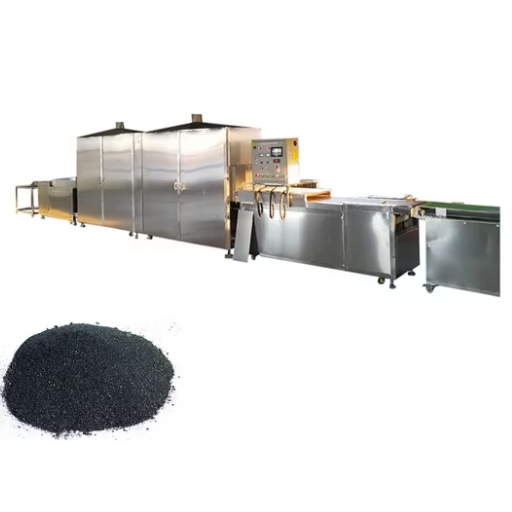
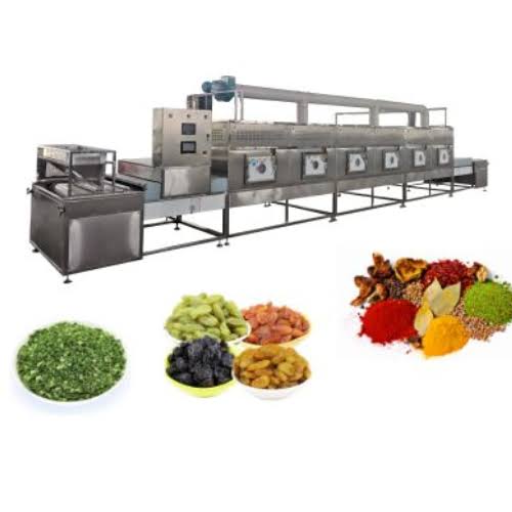
For thermal processing and drying, microwave drying machine systems offer precise, energy-efficient control that fits naturally into an automated line. Their fast response times and consistent results make them easier to integrate with recipe management and quality tracking.
Where to Start: A 5-Step Food Manufacturing Automation Roadmap
Automation projects fail when companies buy technology before they define the problem. Use this food manufacturing automation roadmap to keep your project focused.
Step 1: Audit Current Production Bottlenecks
Walk the line with operators, maintenance, and quality staff. Where do delays happen? Where do defects appear? Which tasks cause the most fatigue or injury?
Use Overall Equipment Effectiveness (OEE) data if you have it. If you do not, start measuring downtime, throughput, and reject rates manually.
Step 2: Define Automation Goals
Be specific. “Improve efficiency” is not a goal. “Reduce giveaway by 2% and palletizing labor by 30% within 12 months” is. Your goals will determine whether you need a robot, a sensor upgrade, a new control system, or all three.
Step 3: Prioritize High-Impact, Low-Risk Areas
Most plants get the fastest payback from food manufacturing automation when they start with food production automation systems in these areas:
- Packaging and palletizing – repetitive, high-volume food packaging automation that is easy to justify.
- Quality inspection – reduces rework and protects brand reputation.
- Material handling – AGVs and conveyors cut internal transport time.
- Recipe and batch control – reduces variability and supports traceability.
Upstream process automation, such as cooking or drying, can deliver big gains but usually requires more engineering and validation.
Step 4: Choose Scalable, Food-Grade Equipment
Look for equipment that can grow with your product mix. Ask suppliers about:
- Format changeover time and tool-less adjustments.
- Communication protocols (Ethernet/IP, Profinet, OPC UA).
- Integration with your existing SCADA or MES.
- Hygienic design ratings and CIP compatibility.
- Spare-parts availability and local service support.
Step 5: Plan Integration, Training, and Continuous Improvement
Even the best machine underperforms if operators fear it or maintenance cannot support it. Budget for training, documentation, and a phased startup. After go-live, review OEE and quality data weekly to find the next improvement.
Choosing the Right Food Manufacturing Automation Equipment
Equipment selection should match your product, your facility, and your growth plans. Here are the factors that matter most.
Match Equipment to Product Characteristics
A sticky energy bar, a fragile cookie, and a frozen dumpling need very different handling. Product temperature, moisture, shape, and fragility determine conveyor types, gripper designs, and packaging formats. Always run product trials with real recipes, not just proxy samples.
Consider Hygienic Design and CIP Compatibility
Food safety auditors will look at corners, seals, and drainability. Equipment that cannot be cleaned thoroughly becomes a liability. Ask for hygienic design certifications and request a sanitation assessment before purchase.
Evaluate Scalability and Changeover Flexibility
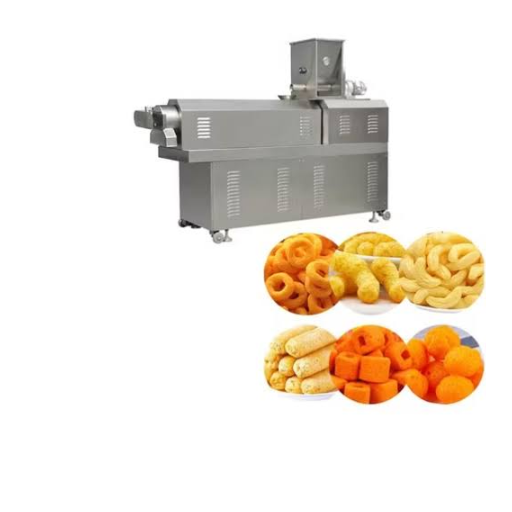
If you plan to launch new SKUs, choose food production automation systems with quick changeovers and recipe storage. A snack food production line that can switch between puffed snacks, cereal bars, and extruded shapes gives you more revenue options from the same footprint.
Check After-Sales Support and Spare Parts
Automation downtime is expensive. Before signing, confirm the supplier has service engineers in your region and can deliver critical spare parts quickly. Remote diagnostics capability can cut repair time dramatically.
Think About Integration from Day One
Poor integration undermines food manufacturing automation. The best equipment is not the fastest standalone machine. It is the machine that fits your line.
Ask how the new equipment will communicate with upstream and downstream processes. If the answer is “an operator will transfer it manually,” you have not automated the bottleneck. You have moved it.
Li Wei owns Golden Grain Bakery, a 40-person operation in Southeast Asia. When demand doubled in two years, he could have built a second manual line. Instead, he invested in a modular automated mixing, forming, and packaging system.
The line was commissioned in stages, so cash flow stayed healthy. Today, Golden Grain runs two shifts with the same floor space and has cut product giveaway by 3%. For smaller manufacturers, food manufacturing automation does not have to mean a full plant overhaul. It can start with one scalable system.
Need help matching automation equipment to your product? Browse our industrial food processing equipment or contact us for a tailored assessment.
ROI and Implementation Best Practices
Automation is an investment, not an expense. The ROI of food manufacturing automation depends on measurable outcomes.
Typical Payback Drivers
- Labor reduction or redeployment – fewer operators on repetitive tasks.
- Yield improvement – less giveaway, fewer rejects, less rework.
- Throughput increase – more units per hour without adding shifts.
- Quality cost reduction – fewer customer complaints, recalls, and audits.
- Energy savings – variable-speed drives and optimized cycles cut utility bills.
Many mid-sized plants see payback in 12 to 24 months for food packaging automation and palletizing projects. Upstream process automation may take longer but often delivers larger cumulative savings.
Common Implementation Pitfalls
- Undertraining operators – if the team does not trust the system, they will work around it.
- Ignoring change management – automation changes job roles. Communicate early and involve operators in planning.
- Poor integration – a fast machine with a slow upstream process creates a traffic jam, not a gain.
- Over-automating too fast – start with one or two proven applications, then expand.
- Neglecting data hygiene – bad sensor data leads to bad decisions. Validate calibration and data flows.
Working with System Integrators
A good integrator will ask about your product, your constraints, and your goals before recommending hardware. They will also provide a clear project plan, risk register, and acceptance criteria. Treat the integrator as a partner, not just a vendor.
Ready to build your automation business case? Contact our team for a free consultation and equipment recommendation based on your product and volume.
Future Trends in Food Manufacturing Automation
Automation is moving quickly. These trends will shape food manufacturing automation over the next five years.
Generative AI for Recipe and Process Optimization
AI is starting to suggest recipe adjustments and process parameters based on desired outcomes, such as texture, shelf life, or cost. This will shorten new-product development and reduce trial batches.
Autonomous Mobile Robots for Internal Logistics
AMVs and AGVs will move raw materials, work-in-process, and finished goods without fixed conveyor routes. This makes plants more flexible and reduces forklift traffic.
Greater Focus on Sustainability-Driven Retrofits
Energy-efficient motors, heat recovery, and waste-minimizing controls will become standard selling points. Regulators and retailers are both pushing for lower carbon footprints.
Cybersecurity as Part of Automation Design
As more equipment connects to networks, protecting operational technology from cyber threats becomes critical. New automation projects will include security by default.
Regional Growth Beyond North America and Europe
Asia-Pacific, the Middle East, Africa, and Latin America are investing heavily in food production automation systems as domestic consumption grows. Manufacturers in these regions often leapfrog older technologies and adopt flexible, digital-first systems.
Conclusion
Food manufacturing automation is no longer reserved for the largest multinational producers. Advances in robotics, vision systems, and controls have made automated food production accessible to mid-sized and growing plants that need better efficiency, quality, and traceability.
The most successful projects start with a clear understanding of bottlenecks, goals, and product requirements. They prioritize high-impact areas like packaging, inspection, and palletizing. They choose equipment that is hygienic, scalable, and well-supported. And they treat food manufacturing automation as a continuous improvement journey, not a one-time installation.
If your plant is ready to reduce waste, improve consistency, and free your team for higher-value work, the next step is simple. Contact Loyal Machine today for a tailored automation assessment. We will help you find the right food processing machines and production line solutions to match your product, your budget, and your growth plans.