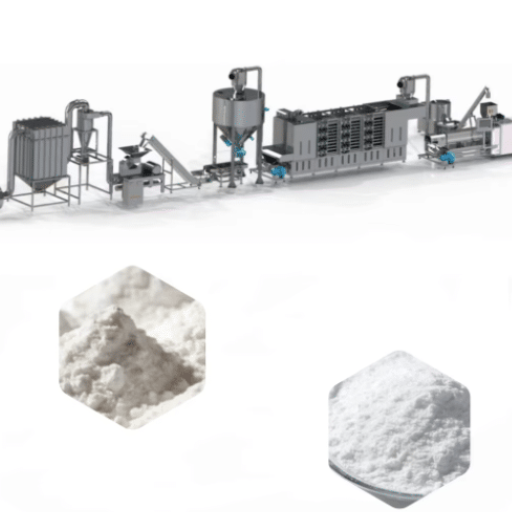
If you are budgeting modified starch production line cost for 2026, expect a complete system to range from 15,000 for a small pilot extrusion system to over 15,000 for a small pilot extrusion system to over 2,000,000 for a large wet-chemical modification plant. Most buyers investing in commercial food-grade or industrial-grade extrusion lines should budget between 30,000 and 30,000 and 150,000, depending on capacity, automation level, and supplier scope.
That wide range surprises a lot of first-time buyers. One supplier quotes 25,000.Another quotes 25,000.Both call their machines “modified starch production lines.” The gap in modified starch production line price comes from capacity, process type, material grade, certifications, and whether installation, training, and after-sales support are included.
In this guide, we will break down real 2026 pricing tiers, explain what drives cost differences, and show you how to calculate total cost of ownership and payback. Whether you are producing pregelatinized starch for food thickeners, modified cassava starch for oil drilling fluids, or specialty starches for pharmaceuticals, you will leave with a clear budget framework.
Key Takeaways
- Small extrusion-based modified starch lines (100–150 kg/h) typically cost 15,000–15,000–35,000, while large industrial lines (1,000+ kg/h) range from 80,000to80,000to150,000+.
- Wet chemical modification plants require 500,000–500,000–2,000,000+ because they need reactors, dosing systems, neutralization tanks, and wastewater handling.
- Raw materials usually represent 70–80% of operating costs, while utilities account for 15–20%.
- Most well-run extrusion-based lines pay back in 18–36 months.
- The lowest equipment quote rarely equals the lowest total project cost; shipping, installation, utilities, and spare parts can add 20–50%.
What Is a Modified Starch Production Line?
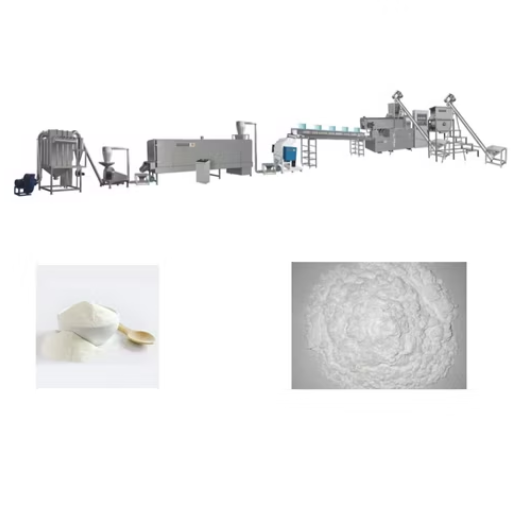
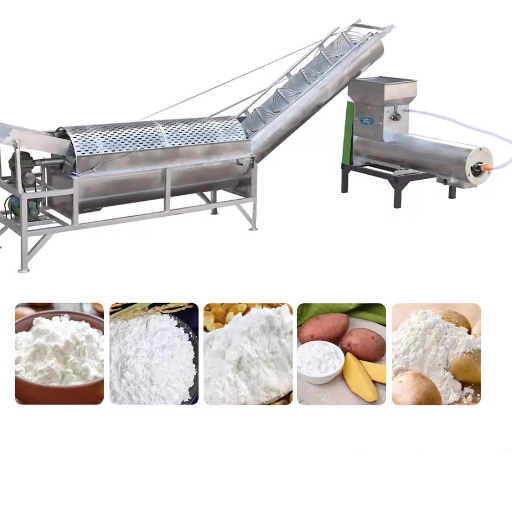
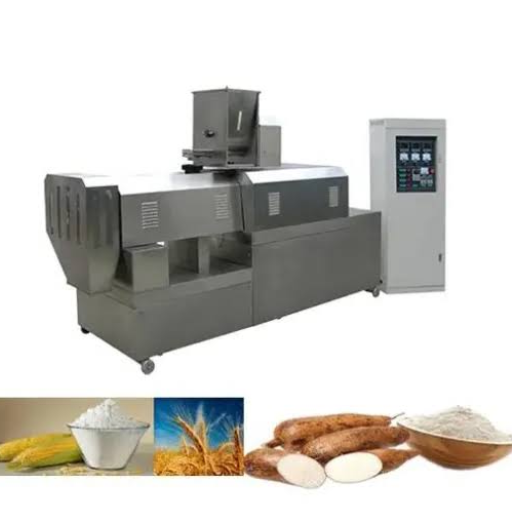
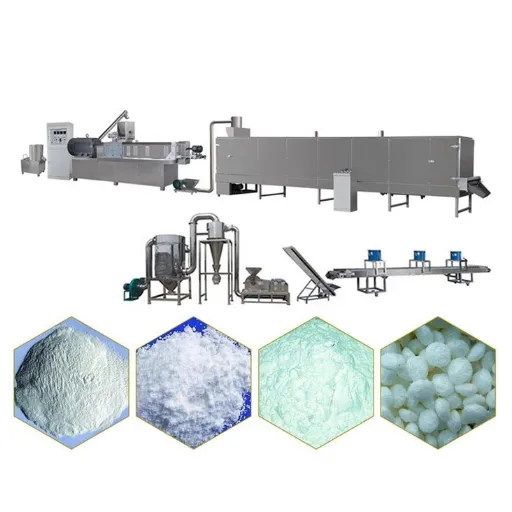
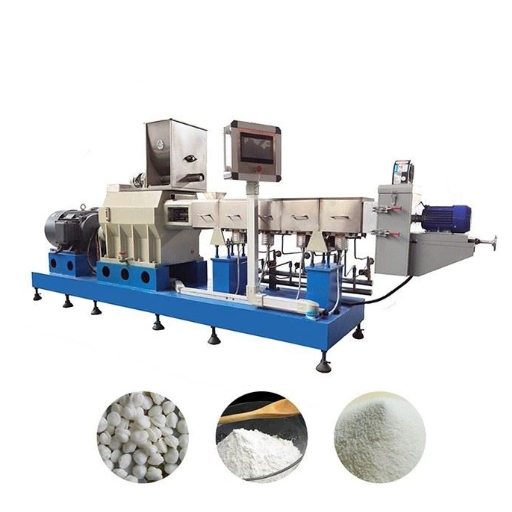
A modified starch production line converts native starches, corn, cassava, tapioca, potato, wheat, or rice, into modified starches with enhanced functional properties. The core modified starch processing equipment includes a flour mixer, screw conveyor, twin-screw extruder, dryer, grinder, and packaging machine. The modification process changes gelatinization temperature, viscosity, solubility, freeze-thaw stability, and adhesion.
The most common industrial method is twin-screw extrusion. Starch flour is mixed with water, fed into a heated extruder, cooked under pressure and shear, dried, ground, and packaged. This continuous process is energy-efficient, scalable, and produces little wastewater.
Other methods include drum drying, spray drying, and wet chemical modification. Each method suits different end products and comes with very different capital costs. A food manufacturer making instant soup thickeners needs a different line than a paper mill producing cationic starch or an oil-field supplier making drilling-fluid additives.
What Drives Modified Starch Production Line Cost?
Before comparing quotes, understand the seven factors that move price the most.
1. Production Capacity
Capacity is usually measured in kilograms per hour (kg/h) or tons per day. Larger output requires a bigger extruder, wider dryer, higher-capacity grinder, and stronger electrical infrastructure. The jump from 200 kg/h to 1,000 kg/h is not linear; the modified starch extruder machine price alone often multiplies by 2.5x to 3x, and supporting equipment scales with it.
2. Modification Method
Extrusion / physical modification is generally the most capital-efficient route. Wet chemical modification requires reactors, dosing pumps, pH control, washing, and wastewater treatment, which can push a project past $500,000. Drum drying and spray drying sit in the middle but use more energy and floor space.
3. Automation and Control
A manually controlled line with basic switches costs less upfront but needs more operators. A PLC-controlled line with touchscreen HMI, automatic feeding, and recipe management costs more but reduces labor and improves batch consistency.
4. Material of Construction
Food-grade and pharmaceutical-grade production requires SUS 304 or SUS 316 stainless steel contact parts. Industrial-grade applications can sometimes use carbon steel, which lowers cost but limits end-use markets.
5. Certifications
CE, ISO 9001, SGS, and food-contact compliance (FDA 21 CFR, EU 1935/2004) add engineering and documentation cost. They also open doors to regulated markets, so the investment usually pays off.
6. Turnkey Scope
Some quotes include only the machine train. Others include layout design, foundation drawings, installation, commissioning, operator training, spare parts, and a one-year warranty. The difference can be 10,000–10,000–50,000 on a mid-size line.
7. Geography and Logistics
Shipping from China to Europe, Africa, or South America, plus import duties, customs clearance, and local electrical work, can add 15–30% to the landed cost. Always ask suppliers whether their quote is EXW, FOB, CIF, or DDU.
Modified Starch Production Line Cost by Capacity
The table below shows realistic 2026 investment ranges for extrusion-based lines. Chemical modification plants follow a different scale and are covered separately.
| Capacity | Investment Range (USD) | Typical Use Case | Power Range |
|---|---|---|---|
| 100–150 kg/h | 15,000–15,000–35,000 | Pilot plant, small commercial trial | 50–90 kW |
| 200–400 kg/h | 30,000–30,000–60,000 | Small to medium producer | 65–120 kW |
| 500–800 kg/h | 50,000–50,000–100,000 | Medium industrial line | 100–190 kW |
| 1,000–1,500 kg/h | 80,000–80,000–150,000+ | Large industrial line | 150–250 kW |
| 1,500–3,000 kg/h | 150,000–150,000–300,000+ | High-volume turnkey system | 200–295 kW |
Important: These figures reflect the equipment train itself. Installed cost, including shipping, foundation, electrical, and commissioning, is typically 20–50% higher.
Small Pilot Lines: 100–150 kg/h
A 100–150 kg/h line is ideal for R&D, product trials, or small regional producers testing market demand. It usually includes a flour mixer, screw conveyor, twin-screw extruder, air conveyor, small belt dryer, grinder, and packaging machine.
Mini-story: Maria runs a family-owned sauce company in Southeast Asia. Last year she rented a 150 kg/h pregelatinized starch line for $28,000 to test a new instant-gravy formulation. Within eight months, demand justified upgrading to a 400 kg/h line. The pilot machine paid for itself twice over before she committed to the larger investment.
Small-to-Medium Lines: 200–400 kg/h
This is the sweet spot for many entering the modified starch market. A 200–400 kg/h line can produce 1.5–3 tons per day on a single shift. It offers enough volume for regional distribution without requiring a massive facility or utility upgrade.
Medium Industrial Lines: 500–800 kg/h
At this scale, buyers are usually supplying national distributors or industrial end users. The line needs more precise temperature control, larger dryers, and often automatic packaging. Floor space requirements jump to 400–600 square meters.
Large Industrial Lines: 1,000+ kg/h
These systems serve multinational ingredient suppliers or large commodity starch processors. They demand robust engineering, redundant systems, and integration with upstream native starch supply. Prices can exceed 150,000andoftenreach150,000andoftenreach300,000+ when full automation and turnkey service are included.
Wet Chemical Modification Plants
Chemical modification plants use reactors to treat starch with acids, oxidizers, esterifying agents, or etherifying agents. Because they require reaction vessels, neutralization, washing, filtration, drying, and effluent treatment, modified starch manufacturing plant cost starts around 500,000∗∗andcanexceed∗∗500,000∗∗andcanexceed∗∗2,000,000 for large facilities.
These plants are typically built by established starch processors serving paper, textile, adhesive, or oil-drilling markets where product specifications justify the higher investment.
Total Cost of Ownership: Beyond the Purchase Price
The headline modified starch production line cost on the invoice is only part of the story. Here is how operating costs typically break down for an extrusion-based line.
| Cost Category | Typical Share of OpEx | Notes |
|---|---|---|
| Raw materials (native starch) | 70–80% | Largest single cost; source corn, cassava, potato, or tapioca locally when possible |
| Utilities (electricity, steam, water) | 15–20% | Drying is the most energy-intensive stage |
| Labor | Variable | 2–4 operators per shift for PLC lines; 4–6 for semi-automatic lines |
| Maintenance and spare parts | 3–5% of equipment cost/year | Screws, barrels, dies, dryer belts, and screens wear over time |
| Packaging | Variable | Bags, labels, sealing materials, pallets |
| Overhead and financing | Variable | Depreciation, insurance, administration |
Power Consumption
Extrusion lines typically consume 60–180 kW of real power, depending on capacity. A 500 kg/h line running 16 hours per day can use 1,500–2,500 kWh daily. Local electricity rates therefore have a large impact on per-ton production cost.
Raw Material Sourcing
Native starch is usually 70–80% of operating cost. Sourcing cassava or corn close to the plant dramatically improves margins. For example, a cassava starch processor located near farming regions can cut raw material and transport costs compared to a buyer importing native starch by container.
Maintenance
Budget 3–5% of equipment cost annually for wear parts. Twin-screw extruder screws and barrels last several years under normal operation but are expensive to replace. Dryer belts, pulverizer screens, and packaging machine jaws are routine consumables.
Want to see how the full process fits together? Read our modified starch manufacturing process guide for a step-by-step breakdown.
Payback Period and ROI
For a well-run extrusion-based line, a typical modified starch production line cost pays back in 18–36 months. Specialty starches, such as oil-drilling starch or pharmaceutical-grade products, often pay back faster than commodity food thickeners because they command higher margins.
Mini-story: A processor in West Africa installed a 400 kg/h modified cassava starch line for 55,000.Cassavarootswereavailablewithin50kilometers,keepingrawmaterialcostslow.Thelinerantwoshiftsdaily,producingroughly5tonsofmodifiedstarchperday.Atamarginof55,000.Cassavarootswereavailablewithin50kilometers,keepingrawmaterialcostslow.Thelinerantwoshiftsdaily,producingroughly5tonsofmodifiedstarchperday.Atamarginof180 per ton, the project paid back in just under 22 months.
Example ROI Calculation
| Item | Value |
|---|---|
| Equipment investment | $60,000 |
| Installation and shipping | $15,000 |
| Daily output (400 kg/h x 16 h) | 6,400 kg |
| Operating days per year | 300 |
| Annual output | 1,920 metric tons |
| Margin per ton | $150 |
| Annual gross margin | $288,000 |
| Annual operating costs (excluding raw materials) | $95,000 |
| Annual net profit (approximate) | $193,000 |
| Simple payback | ~11 months |
This is a simplified example. Real results depend on local starch prices, energy costs, labor rates, market prices, and capacity utilization.
How to Choose the Right Modified Starch Production Line
Selecting a line is not just about finding the lowest price. It is about matching capacity, process, and supplier support to your market.
Match Capacity to Real Demand
Avoid buying for peak theoretical demand on day one. A line that sits idle half the time destroys ROI. Start with a capacity that matches your first 18–24 months of contracted or forecasted sales, then plan for expansion.
Select the Right Process
- Pregelatinized / instant cold-water-soluble starch: Choose extrusion or drum drying. Pregelatinized starch production lines based on twin-screw extrusion are the most common choice. Pregelatinized starch production line cost is usually far lower than wet-chemical plants because no reactors or wastewater treatment are required.
- Oil-drilling starch: Extrusion works well for many applications; some buyers prefer chemically modified options for specific rheology.
- Paper and textile sizing: Chemical modification (cationic, oxidized, acetylated) is usually required.
- Pharmaceutical excipients: Require food-grade or pharma-grade materials, strict cleaning, and validated processes.
Evaluate Supplier Experience
Look for suppliers who have delivered lines to your region and your target industry. Ask for:
- Reference installations with similar capacity and product
- Layout drawings and utility requirements
- Warranty terms and spare parts availability
- Installation, commissioning, and training scope
- Response time for technical support
At Shandong Loyal, we design turnkey modified starch lines from 100 kg/h to 3,000 kg/h, with food-grade SUS 304/316 construction, PLC control, and global installation support. Contact us to discuss your project.
Common Hidden Costs to Plan For
Many buyers focus only on the machine quotation and get surprised later, which is why hidden expenses can push the real modified starch production line cost well above the equipment invoice. Build these items into your budget from the start.
Shipping, Customs, and Import Duties
Ocean freight, port handling, customs clearance, and import duties can add 10–25% to the equipment cost. Air freight is faster but typically 3–5x more expensive.
Foundation and Civil Work
Extruders and dryers need level floors, vibration pads, and sometimes reinforced foundations. Budget 2,000–2,000–15,000 depending on line size and local construction rates.
Electrical and Utility Upgrades
A 500 kg/h line may need 200–300 kVA of electrical supply. If your facility only has 100 kVA available, upgrading transformers and cabling can cost more than the machine itself.
Formula Development and Trial Runs
Even turnkey lines need recipe tuning. Expect to run several trial batches to dial in moisture, temperature, screw speed, and drying parameters. Wasted raw material during commissioning can cost a few thousand dollars.
Spare Parts Inventory
Keep critical wear parts on site: extruder screws, barrels, dies, dryer belts, grinder screens, and packaging machine heaters. A 3,000–3,000–8,000 initial spare parts package is standard for mid-size lines.
Modified Starch Market Outlook in 2026
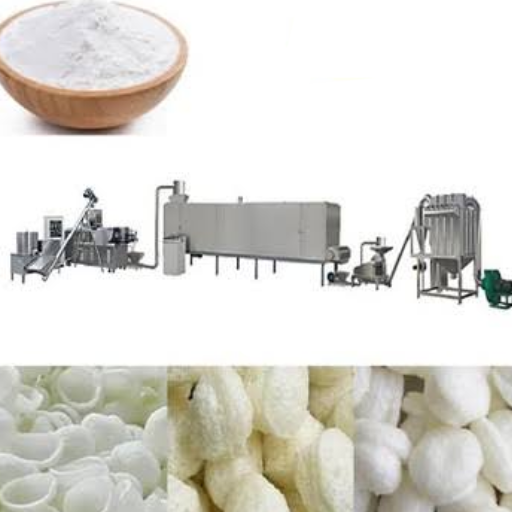
The global modified starch market is expanding. According to Future Market Insights, the market was valued at approximately USD 9.4 billion in 2025 and is projected to reach USD 14.2 billion by 2036, growing at a 3.8% CAGR. Straits Research estimates the market at USD 16.91 billion in 2026.
Key growth drivers include:
- Rising demand for processed and convenience foods
- Expansion of paper, textile, and adhesive industries in Asia-Pacific
- Growing use of modified starch in oil drilling and clean-energy applications
- Increased preference for plant-based, gluten-free, and clean-label ingredients
Corn-based modified starch is expected to hold the largest share, while cassava and tapioca starches are growing fastest in Southeast Asia, Africa, and Latin America. As demand rises, manufacturers are investing in scalable food processing machines that integrate extrusion, drying, and packaging into efficient production lines.
Frequently Asked Questions
How much does a modified starch production line cost?
A complete modified starch production line cost ranges from about 15,000 for a small 100–150kg/h pilot extrusion system to 15,000 for a small 100–150kg/h pilot extrusion system to 150,000+ for a large 1,000+ kg/h industrial line. Wet chemical modification plants start around 500,000 and can exceed 500,000 and can exceed 2,000,000.
What is the cheapest modified starch production line?
The lowest-cost entry points are small twin-screw extrusion lines rated at 100–150 kg/h, often listed between 8,000 and 8,000 and 35,000. Keep in mind that the cheapest equipment quote may not include shipping, installation, spare parts, or training.
Why does modified starch extruder machine price vary so much?
Extruder price depends on screw diameter, motor size, throughput, material of construction (carbon steel vs. SUS 304/316 stainless steel), and control system. A larger, food-grade, PLC-controlled extruder can cost 3–5 times more than a basic semi-automatic unit.
How long does a modified starch production line take to pay back?
Most well-run extrusion-based lines pay back in 18–36 months. Payback is fastest when raw materials are sourced locally, capacity utilization is high, and the end product commands a premium margin.
Is a pregelatinized starch production line cost different from a modified starch line?
Pregelatinized starch lines are a subset of modified starch lines and usually use twin-screw extrusion. Their cost follows the same capacity-based ranges, but they avoid the reactors and wastewater systems required for wet chemical modification, so they tend to sit at the lower end of the investment scale.
Conclusion
Modified starch production line cost varies widely because capacity, process type, automation, and supplier scope all change the investment. For most buyers, a practical budget ranges from 30,000 to 30,000 to 150,000 for extrusion-based commercial lines, while large chemical modification plants require 500,000 to 500,000 to 2,000,000+.
The key to a smart purchase is looking past the initial modified starch production line price and calculating total cost of ownership. Calculate total cost of ownership, including shipping, installation, utilities, labor, maintenance, and raw materials. A line that costs 15% more upfront but includes training, spare parts, and reliable support often delivers better ROI than the cheapest quote.