Chemical modification of starch changes the molecular structure of native starch to improve stability, texture, solubility, and processing tolerance. Food manufacturers use these modified starches to keep sauces smooth through freeze-thaw cycles, help canned soups survive retorting, and give gluten-free bakery products a better crumb. In short, chemical modification turns a simple carbohydrate into a functional ingredient.
What if the starch you are using today is quietly limiting your product quality? Native starch retrogrades, breaks down under heat and acid, and often separates in frozen storage. That is why the global modified starch market is projected to grow from roughly USD 15.2 billion in 2025 to more than USD 24 billion by 2035, according to Future Market Insights. Food processing alone accounts for nearly 39% of that demand.
In this guide, you will learn the major chemical modification methods, how each one changes starch functionality, where they are used in food manufacturing, and what production equipment you need to scale these processes. You will also see how the right food processing machines can turn laboratory chemistry into profitable industrial output.
Key Takeaways
- Chemical modification of starch introduces new functional groups or crosslinks to overcome the limits of native starch.
- The five core methods are acetylation, crosslinking, oxidation, etherification, and cationization; dual modifications combine two methods for better performance.
- Common food-grade modified starches include E1404 (oxidized starch), E1414 (acetylated distarch phosphate), and E1442 (hydroxypropyl distarch phosphate).
- Applications range from canned soups and processed meats to dairy desserts, bakery fillings, and oil-drilling fluids.
- Scaling chemical modification requires reactors, washing/dewatering systems, dryers, mills, and packaging lines built from food-grade stainless steel.
What Is Chemical Modification of Starch?
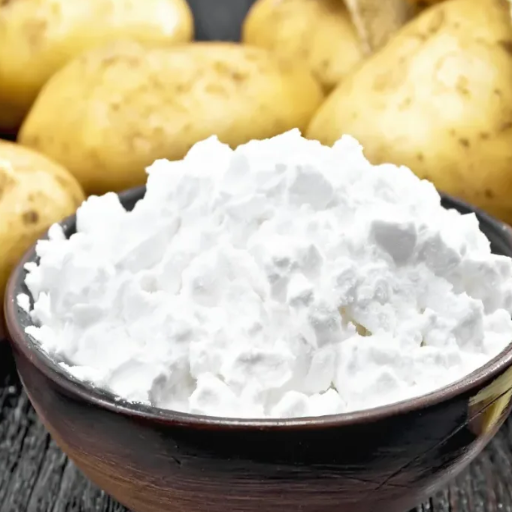
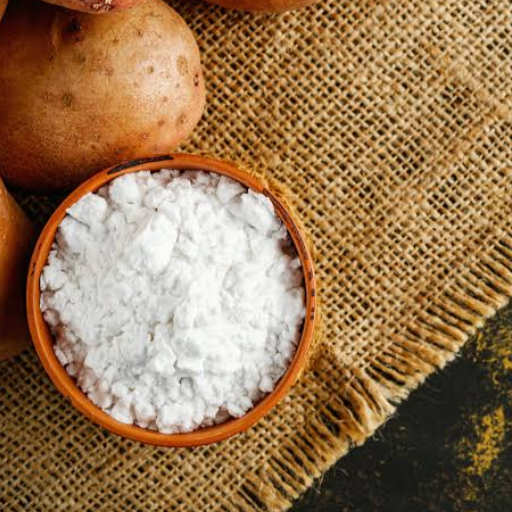
Native starch is made of long chains of glucose units. Special groups called hydroxyls sit on these chains at the C-2, C-3, and C-6 positions. They make starch attract water and react with other chemicals. Chemical modification of starch replaces or crosslinks these hydroxyl groups with other functional groups without destroying the granule structure.
The goal is to change how starch behaves when it meets water, heat, acid, or shear. For example, modified starch can become more heat-stable. It can also resist retrogradation (recrystallization), form clearer pastes, or withstand digestive enzymes. These changes happen at the molecular level. However, they translate into real product improvements on the factory floor.
There are three broad categories of starch modification:
- Chemical modification – introduces new functional groups through reactions with reagents.
- Physical modification – uses heat, moisture, pressure, or extrusion without adding chemicals.
- Enzymatic modification – uses enzymes to hydrolyze or rearrange starch molecules.
Chemical methods generally produce the most dramatic functional changes, which is why they dominate applications that demand high stability or specific texture profiles.
Why Native Starch Falls Short in Modern Food Manufacturing
Native starch works fine in simple recipes, but industrial food production is rarely simple. Consider what happened at a mid-sized sauce manufacturer in Jiangsu last year. The production team replaced a modified starch with native corn starch to cut ingredient costs by 8%. Within two weeks, retail samples began separating after freeze-thaw testing. Customer complaints rose, and the reformulation was abandoned.
The savings never materialized, but the lesson did. Native starch cannot handle the thermal, mechanical, and storage stresses of modern processed foods.
Common limitations of native starch include:
- Retrogradation – starch molecules clump together over time, causing water separation (syneresis) and a gritty texture.
- Heat and shear sensitivity – native starch thins or breaks down during high-temperature processing or pumping.
- Acid instability – low pH environments like salad dressings and fruit fillings thin native starch pastes.
- Poor freeze-thaw stability – water separates from the gel when frozen products are thawed.
- High viscosity at low solids – native starch can create unworkable textures in high-concentration applications.
Chemical modification addresses each of these weaknesses by altering the starch molecule itself.
Major Methods of Chemical Modification
Acetylation (Esterification)
Acetylation replaces hydroxyl groups with acetyl groups using reagents such as acetic anhydride or vinyl acetate. The result is a starch with improved paste clarity, lower gelatinization temperature, and better freeze-thaw stability.
Food-grade acetylated starches include E1420 (acetylated starch) and E1414 (acetylated distarch phosphate, a dual-modified starch). These are common in canned foods, dairy desserts, and frozen meals.
Crosslinking
Crosslinking forms bridges between starch chains using bi- or multifunctional reagents such as sodium trimetaphosphate (STMP), sodium tripolyphosphate (STPP), phosphorus oxychloride, or epichlorohydrin. These bridges reinforce the granule and make the starch more resistant to heat, acid, and shear.
Crosslinked starches keep their viscosity during retorting, UHT treatment, and mechanical pumping. E1412 (distarch phosphate) and E1442 (hydroxypropyl distarch phosphate) are widely used in soups, sauces, and dressings.
Oxidation
Oxidation uses reagents such as sodium hypochlorite or hydrogen peroxide to introduce carbonyl and carboxyl groups. The process also breaks some glycosidic bonds, which lowers viscosity and improves paste clarity.
Oxidized starch (E1404) is popular in applications that need low viscosity and high transparency, such as confectionery coatings, paper sizing, and certain dairy products.
Etherification
Etherification introduces ether groups through reactions with reagents such as propylene oxide or chloroacetic acid. Hydroxypropyl starch (E1440) and hydroxypropyl distarch phosphate (E1442) show excellent freeze-thaw stability and improved swelling power.
Carboxymethyl starch, another etherified product, dissolves in cold water and is used in adhesives, textiles, and some food systems.
Cationization
Cationization adds positively charged groups to starch. These charged starches cling strongly to negatively charged surfaces, making them valuable in paper manufacturing, wastewater treatment, and some textile applications.
Dual and Sequential Modifications
Single modifications often improve one property while weakening another. Dual modification combines two methods to balance performance. For example, acetylated distarch phosphate (E1414) combines acetylation with crosslinking to deliver both freeze-thaw stability and heat resistance.
A 2024 review in BIO Web of Conferences notes that dual-modified starches are increasingly used in adsorption, packaging films, and controlled-release systems because they combine the best traits of each method.
Common Modified Starches in Food Processing
The food industry uses a standardized E-number system for types of modified starch. Below is a quick reference table for the most common types.
| E-Number | Name | Primary Function |
|---|---|---|
| E1404 | Oxidized starch | Low viscosity, high clarity |
| E1410 | Monostarch phosphate | Thickening, stability |
| E1412 | Distarch phosphate | Heat and acid stability |
| E1413 | Phosphated distarch phosphate | Improved stability |
| E1414 | Acetylated distarch phosphate | Freeze-thaw and heat stability |
| E1420 | Acetylated starch | Clarity, reduced retrogradation |
| E1422 | Acetylated distarch adipate | Stability under shear |
| E1440 | Hydroxypropyl starch | Cold-water swelling, freeze-thaw |
| E1442 | Hydroxypropyl distarch phosphate | All-around stability |
| E1450 | Starch sodium octenyl succinate | Emulsifier, encapsulant |
| E1451 | Acetylated oxidized starch | Low viscosity, binding |
EFSA re-evaluated modified starches in 2017 and maintained a “not specified” acceptable daily intake for several categories, meaning no numerical safety concern at expected use levels. This regulatory confidence supports their continued use across global food markets.
Industrial Applications of Chemically Modified Starch
Sauces, Soups, and Gravies
Modified starches provide thickening and prevent separation during storage, reheating, and freeze-thaw cycling. Crosslinked and acetylated starches are the workhorses of this category.
Processed Meat and Seafood
In sausages, surimi, and luncheon meats, modified starches bind water, improve sliceability, and replace fat. They also help products retain moisture during cooking and chilling.
Bakery and Confectionery
Modified starches improve moisture retention in cakes, stabilize pie fillings, and provide texture in jellies and gummies. In gluten-free baking, they help replace the structure lost when wheat starch is removed.
Snacks and Extruded Products
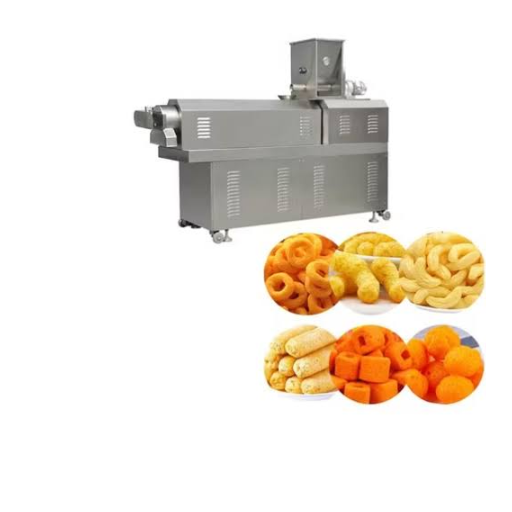
Modified starches are essential in extruded snacks produced on a snack food production line. They control expansion, texture, and oil absorption while improving shelf stability. Pregelatinized and chemically modified starches help manufacturers create consistent shapes and crispy textures at high throughput.
Dairy and Desserts
Hydroxypropylated and acetylated starches stabilize yogurt, puddings, ice cream, and whipped toppings. They resist syneresis and maintain a smooth mouthfeel through temperature changes.
Non-Food Industrial Uses
Beyond food, modified starches appear in paper sizing, textile sizing, adhesives, oil-drilling fluids, pharmaceuticals, and biodegradable packaging films. Oil-drilling grade modified starch, for example, controls fluid loss in drilling muds and is produced on high-capacity extrusion lines.
Chemical Modification of Starch at Production Scale
Laboratory chemistry and industrial production are two different worlds. A benchtop reaction that works in a flask must be translated into a continuous or batch modified starch manufacturing process that meets food safety, capacity, and cost targets.
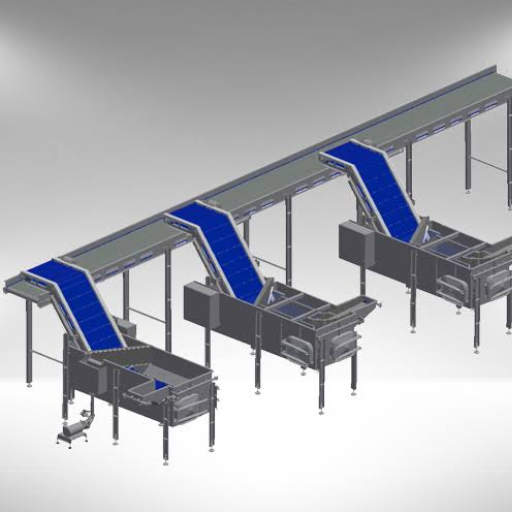
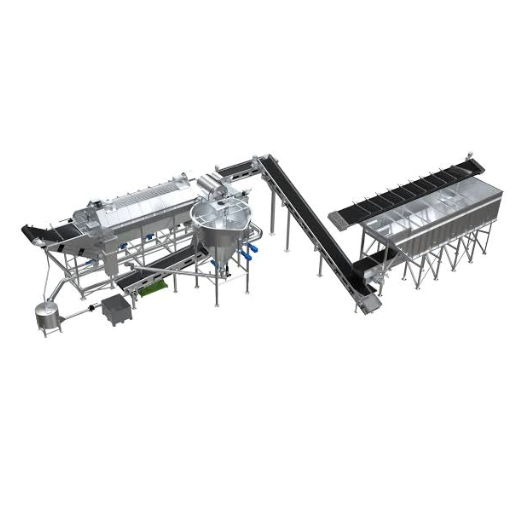
A typical chemically modified starch production line includes:
- Slurry preparation tank – mixes native starch with water and catalysts.
- Reactor – carries out acetylation, oxidation, crosslinking, or etherification under controlled temperature and pH.
- Neutralization system – adjusts pH to safe, food-grade levels.
- Washing and dewatering – removes salts, by-products, and residual reagents.
- Dryer – reduces moisture to specification, often using belt dryers, flash dryers, or spray dryers.
- Mill and sieve – achieves the required particle size distribution.
- Packaging line – fills bags or bulk containers under hygienic conditions.
A pregelatinized starch production line follows a similar layout but uses a twin-screw extruder or drum dryer as the modification unit instead of a chemical reactor.
When Maria, a project engineer at a starch plant in Thailand, upgraded her line last year, she focused on the reactor and dryer. Her old batch reactor limited output and produced inconsistent modification levels. Switching to a jacketed stainless-steel reactor with automated temperature and pH control cut batch-to-batch variation by 60%.
Next, she added a multi-layer belt dryer. This let her increase throughput without expanding floor space. Her experience mirrors what we see across global markets: equipment reliability and control precision matter as much as chemistry.
Capacity and Power Specifications
| Scale | Capacity | Installed Power | Typical Footprint |
|---|---|---|---|
| Pilot / small | 100–250 kg/h | 50–90 kW | Compact |
| Medium | 250–600 kg/h | 65–130 kW | 14–21 m line |
| Large / industrial | 600–3,000 kg/h | 150–295 kW | 40+ m line |
These figures vary with the modification method, raw material, and automation level. For food-grade operations, equipment should be built from 304 or 316 stainless steel and comply with HACCP, CE, ISO, FDA 21 CFR, and local regulations such as China GB2760.
Want to see how the right equipment changes your output? Explore our industrial food processing equipment and find a configuration that matches your capacity goals.
Drying: The Step That Determines Quality
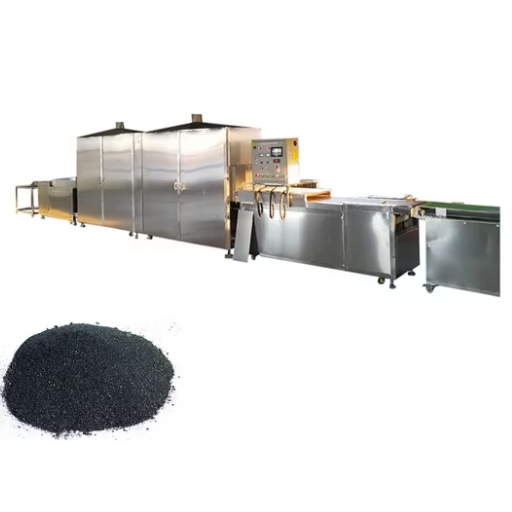
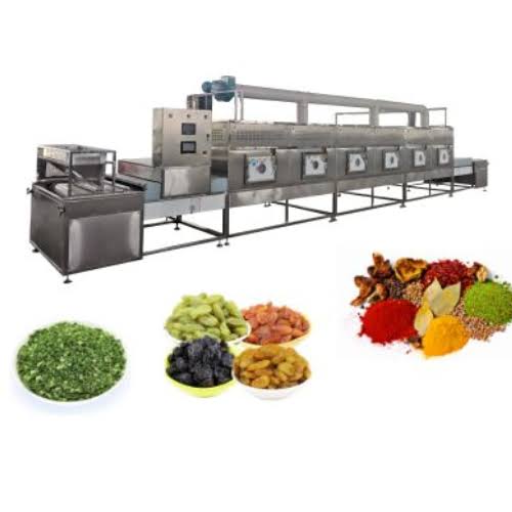
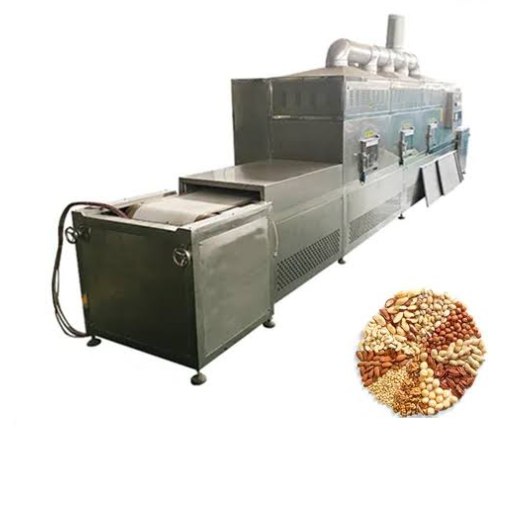
Drying is not just about removing water. It affects color, particle size, rehydration behavior, and final functionality. Microwave drying machines offer rapid, uniform drying with lower thermal degradation, which can be especially valuable for heat-sensitive modified starches. Belt dryers are the industry standard for high-volume production because they balance throughput, energy use, and moisture uniformity.
Advantages and Limitations of Chemical Modification
Functional Benefits
- Improved heat, acid, and shear stability
- Better freeze-thaw performance
- Controlled viscosity across a wide temperature range
- Enhanced clarity and appearance
- Longer shelf life in finished products
- Tailored functionality for specific applications
Environmental and Safety Considerations
Traditional chemical modification generates effluents containing acids, hypochlorites, or phosphates. Proper wastewater treatment and by-product management are essential. The industry is also moving toward greener alternatives such as enzyme-assisted modification, citric acid esterification, and ozone treatment to reduce environmental impact.
Clean-Label and Consumer Perception
Some consumers prefer “physically modified” or “natural” starches over chemically modified ones. This trend has increased demand for extruded, pregelatinized, and heat-moisture-treated starches. However, chemically modified starches still dominate applications where performance cannot be matched by physical methods alone.
Choosing the Right Starch Modification Method for Your Product
Selecting a modification method starts with the end product. Ask these questions:
- What stresses will the starch face? Heat, acid, freezing, and shear each favor different modifications.
- What texture is required? Short, salve-like textures suit crosslinked starches. Clear, low-viscosity systems favor oxidized starches.
- What is the regulatory environment? Different regions permit different E-numbers and use levels.
- What is the target price point? Dual modifications cost more but often deliver superior performance.
For example, a frozen ready-meal manufacturer might choose E1414 acetylated distarch phosphate for its combination of freeze-thaw stability and heat tolerance. A salad dressing producer might prefer E1442 hydroxypropyl distarch phosphate for acid stability and a clean mouthfeel.
Need help matching a modification method to your product? Contact our team for a tailored food production line equipment recommendation.
The Future of Starch Modification
Three trends are reshaping the starch modification landscape:
- Clean-label starches – physical and enzymatic modifications are gaining share as manufacturers respond to consumer demand for simpler ingredient lists.
- Dual and nano-modifications – researchers are combining chemical, physical, and nano-scale treatments to create starches with novel functions for packaging, drug delivery, and 3D printing.
- Sustainable processing – greener reagents, closed-loop water systems, and energy-efficient dryers are becoming standard requirements for new production lines.
These trends do not eliminate chemical modification. Instead, they push the industry toward smarter, more efficient chemical processes integrated with advanced food processing machines.
Conclusion
Chemical modification of starch turns a basic agricultural raw material into a high-performance ingredient. Acetylation, crosslinking, oxidation, etherification, and cationization each solve specific functional problems, from heat stability to freeze-thaw resistance to emulsification. Understanding these methods helps food manufacturers choose the right starch for the right application.
Scaling these processes profitably requires more than chemistry. It demands reliable reactors, precise control systems, efficient dryers, and food-grade construction. That is where the right production equipment becomes a competitive advantage.
Ready to scale your modified starch production? Contact Shandong Loyal Industrial Co., Ltd. today to discuss a customized production line. Whether you need a pilot system for product development or a full industrial line for global supply, we design food processing machines that help you produce consistent, high-quality modified starch at the capacity your market demands.