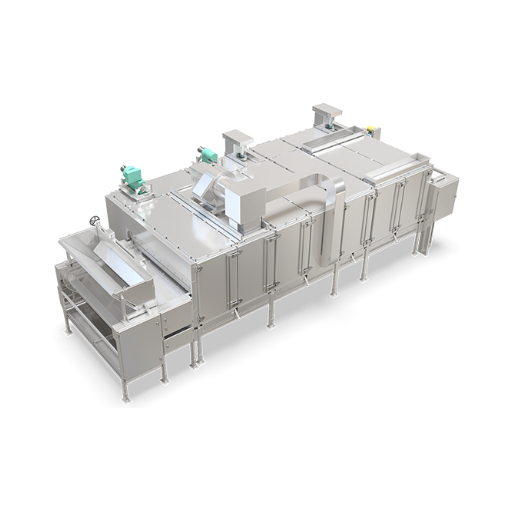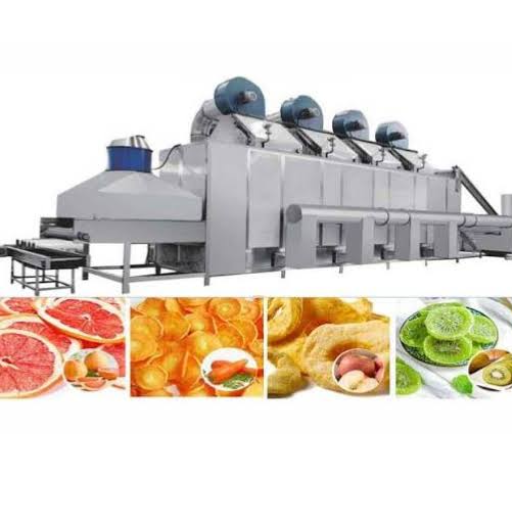
A microwave vacuum dryer is industrial equipment that combines microwave energy with a vacuum environment to remove moisture from heat-sensitive materials at low temperatures, typically between 30°C and 60°C. It delivers freeze-dryer quality results in a fraction of the time while using significantly less energy.
Maria Chen, a production manager at a dried-fruit processing facility in California, spent eighteen months wrestling with a familiar problem. Her hot-air dryers were scorching delicate strawberry slices, turning what should have been premium products into discolored, brittle leftovers. Switching to freeze drying solved the quality issue, but the 24-hour cycle times and crushing energy bills made her question the economics. Then she discovered microwave vacuum drying. Her drying time dropped to 90 minutes. Energy costs fell by 40%. And her strawberries retained their vibrant color and fresh flavor.
If you are evaluating drying technologies for your facility, you have probably faced a similar dilemma. Conventional hot-air drying is fast and affordable, but it damages heat-sensitive products. Freeze drying preserves quality beautifully, yet the capital investment and operating costs can be prohibitive. Microwave vacuum drying offers a practical middle path, and this guide will show you exactly how it works, when it outperforms the alternatives, and what to look for when choosing equipment.
You will learn the science behind microwave vacuum drying, see how it compares to other methods on the metrics that matter, explore real-world applications across food, pharmaceutical, and chemical industries, and walk away with a clear checklist for evaluating suppliers and specifications.
Key Takeaways
- A microwave vacuum dryer combines microwave energy with vacuum pressure to dry materials at 30–60°C, preserving heat-sensitive nutrients and flavors that hot-air drying destroys.
- Processing cycles are 50–80% shorter than conventional drying and 90% faster than freeze drying, with energy consumption of roughly 1–1.5 kWh per kg of water removed.
- Industrial applications span food processing, pharmaceuticals, chemicals, and nutraceuticals, making it one of the most versatile low-temperature drying technologies available.
- Lab-scale units start around 5,000,whileproduction−scaleindustrialsystemsrangefrom5,000,whileproduction−scaleindustrialsystemsrangefrom50,000 to $500,000+ depending on capacity, automation, and customization.
- Buyers should prioritize microwave frequency compatibility, vacuum pressure range, temperature uniformity, material certifications, and the manufacturer’s export experience and after-sales support.
What Is a Microwave Vacuum Dryer?
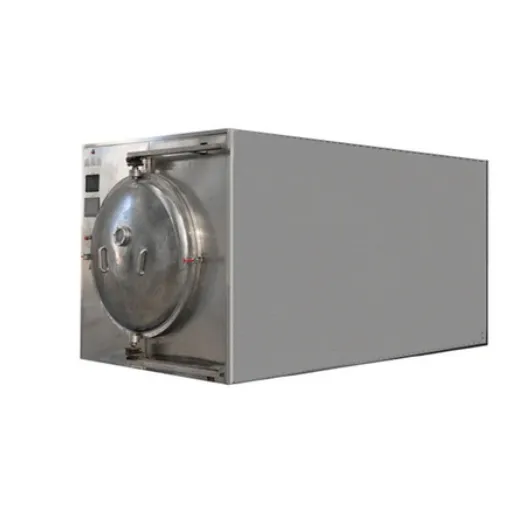
A microwave vacuum dryer is specialized industrial drying equipment that uses two technologies in tandem. Microwave radiation generates heat directly inside the product by exciting water molecules, while a vacuum pump reduces chamber pressure to lower the boiling point of water. This combination allows moisture to evaporate rapidly at temperatures far below 100°C, the normal boiling point at atmospheric pressure.
Under vacuum conditions of 0.08 to 0.1 MPa, water boils at approximately 30°C to 50°C instead of 100°C. Microwaves at the industrial frequency of 2450 MHz penetrate the material volumetrically, meaning they heat the entire mass simultaneously rather than transferring heat from the outside in. The result is fast, uniform drying without the surface hardening or nutrient loss that plagues conventional methods.
This technology sits at the intersection of two established industrial processes. Microwave drying alone works quickly but can overheat surfaces. Vacuum drying alone protects heat-sensitive materials but relies on slow conductive heat transfer. When engineers combined the two, they created a system that delivers both speed and gentleness.
Want to understand the broader microwave drying landscape first? Read our guide to microwave drying machine technology and how it fits into modern food processing workflows.
How Microwave Vacuum Drying Works
Understanding the process helps buyers evaluate equipment specifications and set realistic performance expectations. The cycle breaks down into four distinct stages.
Dielectric Heating at 2450 MHz
Microwave energy interacts with polar molecules, primarily water, inside the product. At 2450 MHz, the standard industrial frequency, water molecules rotate rapidly to align with the oscillating electromagnetic field. This molecular friction generates heat throughout the material instantly. Unlike hot-air drying, where heat must conduct from the surface to the core, microwave heating is volumetric. The center and surface warm simultaneously, eliminating the temperature gradient that causes uneven drying.
Vacuum Evaporation and Boiling Point Reduction
The vacuum system continuously removes air and water vapor from the chamber. As pressure drops, the boiling point of water falls proportionally. At 0.09 MPa vacuum pressure, water evaporates at roughly 45°C. This means the product releases moisture at temperatures low enough to preserve vitamins, enzymes, volatile aromatic compounds, and color pigments that would degrade above 80°C.
The Complete Process Cycle
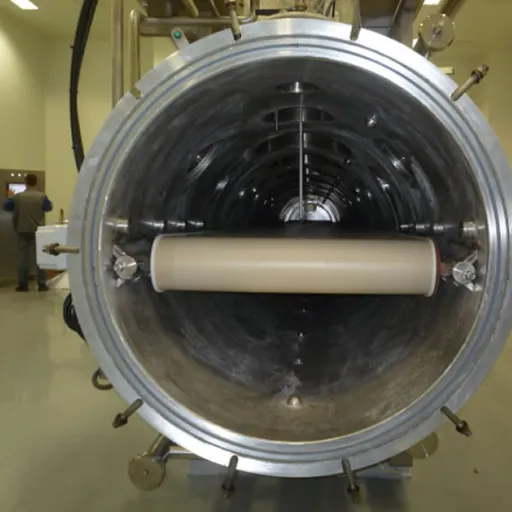
A typical batch cycle proceeds as follows. Operators load product onto microwave-transparent trays inside a stainless-steel chamber. The vacuum pump evacuates air to the target pressure, usually within 5 to 10 minutes. Microwave generators activate at controlled power levels, typically starting low and ramping up as surface moisture diminishes. Sensors monitor product temperature, chamber pressure, and humidity in real time. When the target moisture content is reached, microwaves shut off, vacuum releases, and operators unload the dried product. The entire cycle for most food products ranges from 30 to 90 minutes.
Volumetric Heating vs Surface Conduction
The critical difference between microwave vacuum drying and every conventional method is where the heat originates. Hot-air dryers, vacuum tray dryers, and even infrared systems all apply heat to the outside of the product and wait for it to move inward. Microwave vacuum dryers generate heat inside the water molecules themselves. This eliminates the surface-to-core delay, prevents case hardening, and allows precise endpoint control.
Microwave Vacuum Dryer vs Freeze Dryer vs Hot-Air Dryer
Choosing the right drying technology means weighing speed, quality, energy use, and capital cost. Here is how the three most common industrial methods compare on the metrics that drive purchasing decisions.
| Factor | Hot-Air Dryer | Freeze Dryer | Microwave Vacuum Dryer |
|---|---|---|---|
| Drying Temperature | 80–120°C | -40°C to +20°C (sublimation) | 30–60°C |
| Typical Cycle Time | 6–24 hours | 24–48 hours | 30–90 minutes |
| Energy Use (kWh/kg water) | 3–5 | 8–15 | 1–1.5 |
| Quality Retention | Moderate (color loss, shrinkage) | Excellent (best-in-class) | Very Good (near freeze-dry quality) |
| Nutrient Preservation | 40–70% | 90–98% | 80–95% |
| Capital Cost (Industrial) | 10,000–10,000–50,000 | 200,000–200,000–2M+ | 50,000–50,000–500,000+ |
| Operating Cost | Low | Very High | Moderate |
| Best For | Robust, low-value commodities | Premium, ultra-sensitive products | Heat-sensitive, mid-to-high-value products |
| Product Texture | Dense, often shrunken | Porous, lightweight | Flexible (crispy to chewy, controllable) |
| Scalability | Easy | Complex (batch size limited) | Moderate (batch or continuous) |
Hot-air drying remains the default choice for commodities where appearance and nutrient content are secondary to cost. Freeze drying dominates the premium instant-coffee, pharmaceutical, and astronaut-food markets where budget is less important than perfection. Microwave vacuum drying occupies the growing middle ground. It delivers quality close to freeze drying at a fraction of the capital investment and operating cost, with cycle times that match or beat hot-air systems.
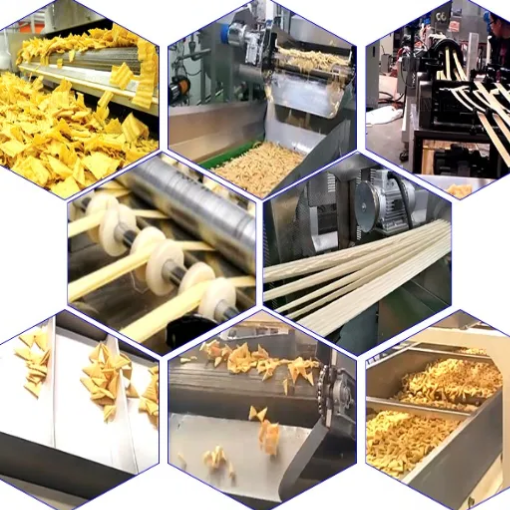
For snack manufacturers, this comparison is especially relevant. A snack food production line paired with microwave vacuum drying can produce puffed fruit crisps, vegetable chips, and protein snacks with textures and flavors that command premium shelf prices.
Key Benefits of Microwave Vacuum Drying
Food processors, pharmaceutical manufacturers, and chemical engineers adopt microwave vacuum drying for six core advantages that translate directly into business outcomes.
Dramatically Faster Drying Cycles
Processing time drops by 50% to 80% compared with conventional hot-air or vacuum tray drying, and by roughly 90% compared with freeze drying. A batch of diced apples that requires 12 hours in a hot-air dryer or 36 hours in a freeze dryer can finish in 60 to 90 minutes in a microwave vacuum unit. Higher throughput means fewer machines, smaller facility footprints, and faster inventory turns.
Low-Temperature Processing Protects Sensitive Materials
Because water evaporates at 30°C to 60°C under vacuum, heat-sensitive bioactive compounds survive intact. Vitamin C retention in strawberries regularly exceeds 85%. Probiotic cultures maintain viability. Essential oils in herbs and spices preserve their aromatic profiles. For pharmaceutical applications, active pharmaceutical ingredients (APIs) that degrade above 60°C remain stable throughout drying.
Superior Energy Efficiency
Direct volumetric heating eliminates the energy waste of heating air, chamber walls, and trays. Industrial microwave vacuum dryers consume approximately 1 to 1.5 kWh per kilogram of water removed. That is roughly one-third the energy of hot-air drying and one-tenth the energy of freeze drying. For a facility processing 10 metric tons of water daily, the savings compound quickly.
Exceptional Product Quality and Appearance
Without the surface scorching and case hardening that hot-air drying causes, products retain their original shape, color, and structure better. The vacuum environment also minimizes oxidation, so fats in nuts and meats do not turn rancid, and carotenoids in carrots and peppers stay vibrant. Manufacturers can achieve moisture endpoints from 3% to 15% with precise repeatability.
Flexible Texture Control
By adjusting microwave power, vacuum depth, and cycle time, operators can dial in textures ranging from crispy and puffed to chewy and dense. Rapid vapor expansion under vacuum naturally creates a porous, expanded structure in some products, enabling oil-free puffing for healthy snack alternatives. No other drying method offers this range of textural outcomes from a single piece of equipment.
Built-In Sterilization and Safety
Microwave energy has inherent antimicrobial effects, and the vacuum environment suppresses microbial growth during drying. The closed stainless-steel chamber also protects products from external contamination. These properties make microwave vacuum drying especially attractive for baby food, nutraceuticals, and pharmaceutical intermediates where hygiene standards are non-negotiable.
Industrial Applications
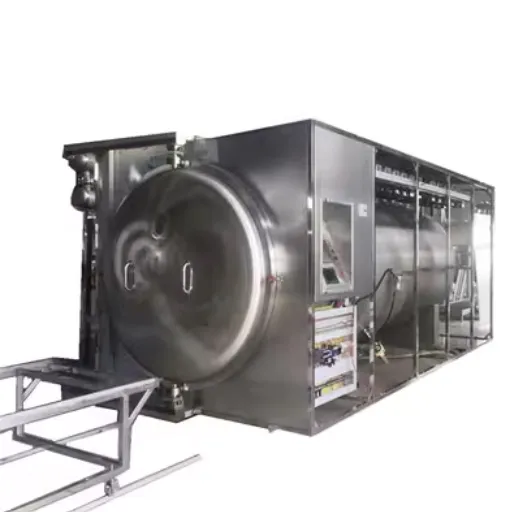
The versatility of microwave vacuum drying extends across four major industrial sectors. Each application exploits a different combination of the technology’s strengths.
Food Processing
Fruits and vegetables represent the largest application segment. Sliced mangoes, pineapple chunks, berries, and herbal leaves dry beautifully while retaining color and flavor. Meat and seafood processors use microwave vacuum dryers for premium jerky and dried fish products that maintain tenderness rather than becoming tough. Dairy innovators produce crunchy cheese snacks and yogurt bites. Spice and seasoning manufacturers preserve volatile essential oils that hot-air drying drives off. The snack industry has embraced the technology for oil-free puffed fruit and vegetable crisps that appeal to health-conscious consumers.
Pharmaceutical Processing
Pharmaceutical manufacturers dry heat-sensitive APIs, herbal granules, probiotic formulations, and biologic intermediates at temperatures that protect molecular integrity. The cGMP-compatible stainless-steel construction and closed processing environment align with strict hygiene requirements. Granules destined for tablet compression maintain consistent dissolution profiles. Traditional Chinese medicine producers use microwave vacuum drying to process ginseng, goji berries, and herbal extracts without destroying active compounds.
Chemical and Specialty Materials
Beyond food and pharma, microwave vacuum dryers handle catalysts, battery-grade lithium compounds, ceramic powders, and specialty polymers. The precise temperature control prevents thermal decomposition of reactive chemicals. The uniform heating eliminates hotspots that can trigger runaway reactions in sensitive materials.
Agriculture and Nutraceuticals
Plant extract producers, collagen processors, and enzyme manufacturers rely on low-temperature drying to protect protein structures and bioactive peptides. Marine collagen dried at 40°C under vacuum retains its triple-helix structure and functional properties far better than material subjected to hot-air processing. For nutraceutical companies selling premium supplements, this quality difference justifies the equipment investment.
Critical Specifications When Buying a Microwave Vacuum Dryer
Purchasing industrial drying equipment is a capital decision that will affect your operation for a decade or more. Here is what experienced buyers evaluate before signing a purchase order.
Microwave Frequency and Power
Industrial units typically operate at 2450 MHz, the globally standardized ISM band. Power ratings range from 3 kW for laboratory units to 120 kW or more for continuous production lines. Match power output to your throughput targets. A general rule of thumb is 1 to 2 kW of microwave power per kilogram of water to be removed per hour. Ask suppliers to provide dehydration-rate specifications for your specific product.
Vacuum Pressure Range
Most food and pharmaceutical applications require vacuum levels between 0.08 and 0.1 MPa absolute pressure. Some sensitive pharmaceutical applications need deeper vacuum. Verify that the pump system can reach and maintain your target pressure consistently. Oil-sealed rotary vane pumps are common; dry scroll pumps are preferred for cleanroom or food-grade environments.
Temperature Control and Uniformity
Look for infrared temperature sensors that monitor product surface temperature in real time. The best systems use PLC-based feedback loops to modulate microwave power automatically, preventing overheating. Chamber design should promote uniform microwave distribution. Turntables, mode stirrers, or multiple magnetron feed points reduce hot spots.
Batch Capacity vs Continuous Throughput
Batch dryers suit R&D, pilot work, and multi-product facilities that change recipes frequently. Continuous belt or tunnel systems maximize throughput for single-product operations. Batch capacities range from 5 kg to 500 kg per cycle. Continuous systems process 100 kg to 2,000 kg per hour depending on product and initial moisture.
Material of Construction and Certifications
Food-contact surfaces must be 304 or 316 stainless steel. Pharmaceutical applications may require 316L with surface finishes to Ra 0.8 or better. Demand CE certification for European markets, UL for North America, and ISO 9001 for quality management. HACCP-compatible design, IP65-rated electrical enclosures, and microwave leakage compliance below 5 mW per square centimeter are essential safety benchmarks.
Controls and Automation
Modern systems use PLC controllers with touchscreen HMIs for recipe management, data logging, and alarm handling. Remote monitoring via IoT connectivity is increasingly standard. If your facility operates under FDA or EU regulatory frameworks, ensure the control system supports 21 CFR Part 11 electronic records and signatures.
Buyer Checklist
- Verified dehydration rate for your specific product and target moisture
- Microwave leakage certification (≤5 mW/cm²)
- Vacuum pump capacity and maintenance schedule
- Temperature monitoring system and PLC feedback control
- Material certifications (304/316 stainless, food-grade or pharma-grade)
- Electrical compliance (CE, UL, or local equivalent)
- Installation, commissioning, and operator training included
- Warranty terms and spare parts availability
- After-sales support and remote troubleshooting capability
- Pilot testing or sample processing before purchase
Ready to evaluate specifications for your operation? Explore our industrial microwave vacuum dryer range with detailed technical data and customization options.
Microwave Vacuum Dryer Pricing and ROI
Understanding the cost structure helps build a realistic business case. Pricing varies widely by capacity, construction quality, automation level, and geographic origin.
Price Ranges by Scale
Laboratory and pilot-scale units with 3 to 15 kW of power and batch capacities under 50 kg typically cost 5,000to5,000to50,000. These are ideal for R&D, recipe development, and small-batch production. Industrial batch systems with 20 to 60 kW, PLC controls, and stainless-steel construction range from 50,000to50,000to150,000. Large continuous production lines with 80 kW or more, automated feeding, and multi-zone control can exceed $500,000.
Factors That Affect Cost
Vacuum capability adds significant cost compared with atmospheric microwave dryers because of the chamber sealing, vacuum pumps, and pressure-rated door systems. Higher power ratings require more magnetrons, larger waveguides, and more robust electrical infrastructure. Food-grade or pharmaceutical-grade materials and finishes raise costs compared with standard industrial construction. Customization for unusual product dimensions, explosion-proof environments, or special automation adds engineering and fabrication expense.
Energy and Labor Savings Improve Payback
The operating economics strongly favor microwave vacuum drying for facilities running multiple shifts. Energy savings of 50% to 80% versus freeze drying, combined with labor savings from shorter cycle times, typically produce a payback period of 12 to 36 months for mid-sized operations. A facility drying 5 tons of product daily can save tens of thousands of dollars annually in electricity alone.
Common Challenges and How to Avoid Them
No technology is perfect. Being aware of these three common pitfalls helps buyers plan for success.
Uneven Heating and Hot Spots
Microwave fields can create standing waves that produce localized overheating. Reputable manufacturers address this through chamber geometry optimization, mode stirrers, turntables, or multiple feed points. Ask suppliers how they validate temperature uniformity across the full batch load. Request a demonstration with thermographic imaging if possible.
Charring of High-Sugar Products
Fruits with high sugar content, such as dates, figs, and certain berries, can char if microwave power is applied too aggressively. The solution is progressive power ramping and tight temperature feedback control. Experienced operators start at low power and increase gradually as surface moisture diminishes.
Material Handling and Tray Selection
Products must sit on microwave-transparent supports, typically PTFE-coated fiberglass, polypropylene, or specialized ceramics. Metal trays reflect microwaves and cause arcing. Work with your supplier to select tray materials compatible with your product chemistry, temperature range, and cleaning protocols.
Choosing a Reliable Microwave Vacuum Dryer Manufacturer
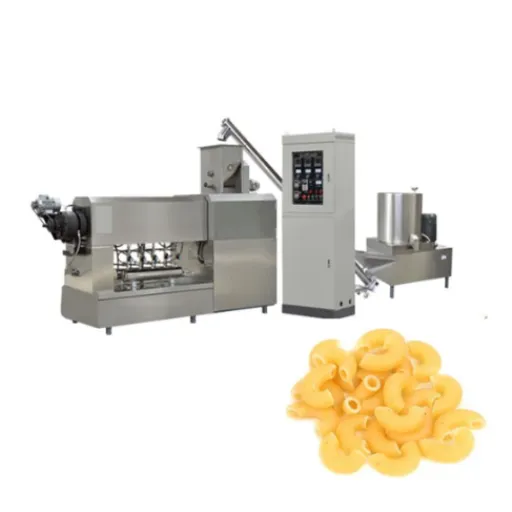
Equipment reliability and supplier support matter as much as specifications. Here is what separates trustworthy manufacturers from risky ones.
Evaluate R&D Capability and Customization Experience
Can the manufacturer design a chamber size and configuration for your specific product? Do they have in-house microwave engineering expertise, or do they assemble generic kits? Ask for references from customers running similar products. A supplier with deep R&D capability can troubleshoot process challenges and suggest optimizations.
Demand Export Certifications and Quality Systems
For buyers sourcing from international suppliers, CE marking, ISO 9001 certification, and documented quality control processes are non-negotiable. Request factory audit reports or third-party inspection certificates. Verify that electrical components, magnetrons, and vacuum pumps come from reputable brands with global service networks.
After-Sales Support and Spare Parts Availability
Microwave magnetrons have finite lifespans, typically 6,000 to 8,000 operating hours. Vacuum pumps need periodic oil changes and seal replacements. Ensure your supplier stocks spare parts and can ship them within days, not weeks. Remote diagnostic capability via IoT connectivity reduces downtime by allowing engineers to troubleshoot without traveling.
The Value of Pilot Testing
Never commit to a large production system without first processing your actual product in a pilot unit. Moisture content, density, sugar levels, and geometry all affect drying behavior. A 30-minute pilot test reveals more about real-world performance than a hundred pages of specifications. Reputable manufacturers welcome pilot trials and use the data to fine-tune production system design.
At Shandong Loyal Industrial Co., Ltd., we have manufactured microwave processing equipment since 2005. Our industrial microwave oven and vacuum drying systems serve food, pharmaceutical, and chemical processors across more than 50 countries. We offer pilot testing, customized chamber designs, and comprehensive installation and training services.
Frequently Asked Questions
What is a microwave vacuum dryer?
A microwave vacuum dryer is industrial equipment that removes moisture from materials by combining microwave energy, which heats water molecules volumetrically, with a vacuum environment that lowers the boiling point of water to 30–60°C. This enables rapid, low-temperature drying that preserves heat-sensitive nutrients, colors, and flavors.
How does microwave vacuum drying compare to freeze drying?
Microwave vacuum drying achieves quality comparable to freeze drying, with 80–95% nutrient retention versus 90–98% for freeze drying. However, MVD cycles complete in 30–90 minutes compared with 24–48 hours for freeze drying, and energy consumption is roughly 1–1.5 kWh per kg of water removed versus 8–15 kWh for freeze drying. Capital costs are also significantly lower.
What products can be dried with a microwave vacuum dryer?
Common applications include fruits, vegetables, herbs, spices, meats, seafood, dairy products, snack foods, pharmaceutical granules, herbal extracts, probiotic cultures, catalysts, ceramic powders, and nutraceutical ingredients such as collagen and plant extracts.
How much does an industrial microwave vacuum dryer cost?
Laboratory units range from 5,000to5,000to50,000. Industrial batch systems typically cost 50,000to50,000to150,000. Large continuous production lines range from 150,000toover150,000toover500,000 depending on power rating, automation, materials, and customization.
Is microwave vacuum drying energy efficient?
Yes. Microwave vacuum dryers consume approximately 1 to 1.5 kWh per kilogram of water removed. This is roughly 50% less than hot-air drying and 80–90% less than freeze drying. The energy savings come from direct volumetric heating that targets water molecules rather than heating the entire chamber and surrounding air.
Can microwave vacuum dryers be customized?
Yes. Leading manufacturers offer customization of chamber dimensions, power ratings, vacuum depth, control systems, material finishes, feeding mechanisms, and automation levels. Customization ensures the equipment matches your specific product characteristics, throughput requirements, and facility constraints.
Conclusion
Microwave vacuum drying has matured from a laboratory curiosity into a mainstream industrial technology. It fills the critical gap between the affordability of hot-air drying and the quality of freeze drying, offering a compelling combination of speed, efficiency, and product integrity that neither alternative can match.
The five points to remember are straightforward. First, microwave vacuum dryers operate at 30–60°C, protecting heat-sensitive materials. Second, they cut drying time by 50–90% compared with conventional methods. Third, energy consumption is roughly 1–1.5 kWh per kg of water removed. Fourth, applications span food, pharmaceuticals, chemicals, and nutraceuticals. Fifth, buyers should prioritize pilot testing, verified specifications, and strong supplier support.
For manufacturers looking to upgrade from hot-air systems or seeking a more economical alternative to freeze drying, microwave vacuum technology deserves serious consideration. The payback periods are attractive, the product quality is demonstrably superior, and the technology is proven at industrial scale worldwide.
Ready to explore how microwave vacuum drying fits your operation? Contact Shandong Loyal Industrial Co., Ltd. today to discuss your product, schedule a pilot test, or request a customized equipment proposal tailored to your throughput and quality targets.