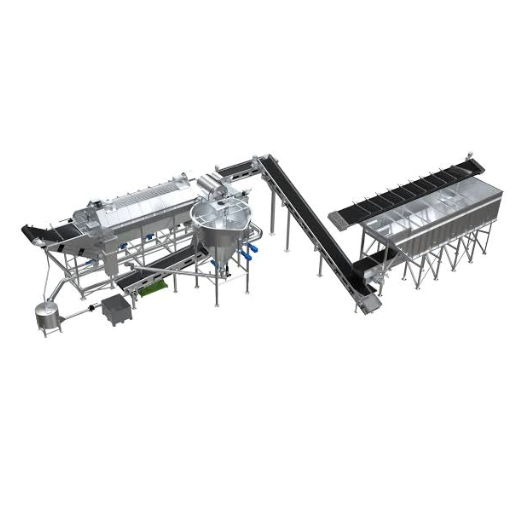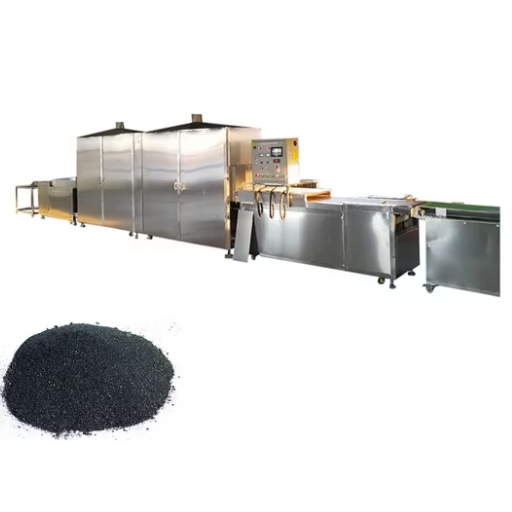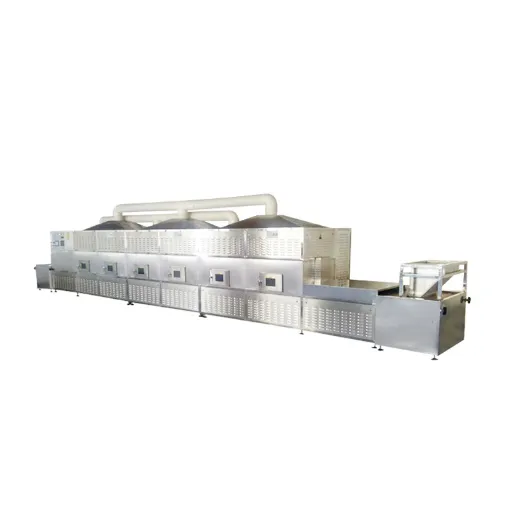
Increasing popularity of fast and easy consumption of food has become a motivator for innovation of ready to eat or RTE products. Nevertheless, companies have found themselves struggling with the issues of food safety, quality assurance and assuring the shelf life of such products. Industrial microwave conservation emerges as a solution to this problem – a radical technology in the history of food manufacturing. The technique will not only slay the dangerous microbe but maintain the beneficial micronutrients. The preservation method is all the more appealing because of the consumer’s desire for preservation of flavor and texture. This article, seeks to analyze, the mechanisms behind, positive aspects of microwave sterilization as opposed to other forms of sterilization and its importance in the context of RTE food products as prepared and consumed in a safe form.
Understanding Microwave Drying Technology
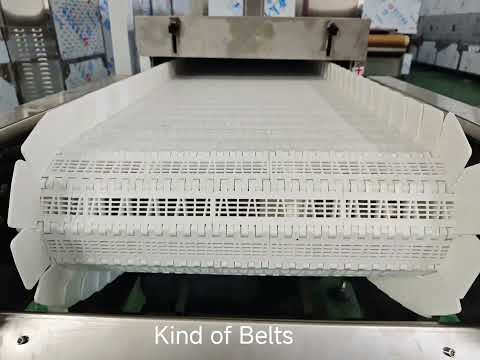
What is Microwave Drying?
The process of microwave drying utilizes energy from a particular microwave frequency to completely remove water from samples. This is done by the Electromagnetic radiation forcing water molecules within the material to vibrate at high frequency, resulting in the self heating of the material and therefore the moisture. On the other hand, this process of drying is such that even while the heating of the material occurs, the moisture is removed from the entire material at once and not only on the outer surface as most drying processes do.
One of the most appreciated benefits of the microwave drying method is its promptness and efficiency. Conventional means of drying are often slow as the materials, which often require to be treated with heat for a long period, will dry irregularly and will often overheat or char delicate materials. The Microwave Drying Machine is much faster and more efficient, as it shortens the time progressively for drying the materials and saves its quality, thus making it appropriate and applicable for food, medicine and some other materials, which dislike heat.
Moreover, it can save energy consumption as it directly focuses on the moisture in the material than the air or equipment itself unnecessarily using the heat. Microwave drying offers a controlled method of drying temperatures which translates to lesser energy wastage and overheating. It is the speed and efficiency of microwave drying that makes it the most suitable mode of drying where all other factors are of paramount importance besides the more impressive and often most focused on achieving results.
Mechanism of Microwave Heating
Microwave heating is based on the material’s ability to heat up under the influence of electromagnetic waves in the particular range of microwave frequencies, through interaction with the polar molecules in the material, such as water. When a microwave field is applied, these polar molecules align with the applied electric field and oscillate back and forth in the alternating field. As a result, frictional heat is quickly generated within the material. With the conventional heating, there is heating from the outside, the surface of the sample, hence it can be said that the heat within the material is generated indirectly through conduction and/or convection processes, whereas with microwave heating, heat is generated directly within the material thus ensuring even and efficient deployment of energy.
A significant benefit of this technique is its capacity to heat materials selectively, due to the differences in the dielectrics of the materials involved. This selectivity changes the mode of heating some components without having a significant effect on other components. For example, since water is highly polar, it interacts very strongly with microwave energy and becomes hot very fast. Because of this, the Microwave Drying Machine is very useful for moisture removal or temperature sensitive processes like drying, thawing or tempering of products in industries and laboratories.
Additionally, the speed of energy transfer using microwave heating is high, and there is little or no use of external heating sources. It lowers the thermal losses and significantly reduces the length of time taken in processing by eliminating the convection of heat through solids. Unlike conventional modes of heating, microwave heating enables a great deal of precision. Power levels, frequencies, and equipment exposure times can be altered in order to apply thermal effects to work materials with great accuracy. The development of this technology, and specifically its degree of efficiency, then in turn, makes this application an enabling technology in areas as diverse as food processing, pharmaceuticals, and material science and engineering.
Components of a Microwave Drying System
Microwave Drying Machine has some easily identifiably different functional units each with its own specific role towards drying in a more effective and spatially even manner. And these units are often simplified down to the main parts. The main ones include.
- Magnetron: A magnetron is the primary microwave generating element. The method of operation involves conversion of electric energy into radio frequencies which are introduced into a container in which drying takes place. It makes it possible for the microwave waves to enter the material, heating it from the inside and aiding in evaporation of moisture within.
- Waveguide and Applicator: The waveguide serves to channel waves generated by the magnetron into the treatment chamber. The applicator facilitates proper distribution of the microwave waves that promotes even heating of the product being processed. It is pertinent for such distribution otherwise hotspots or patches of dry and wet portions of the dry matter occur.
- Wet Material Chamber: The Microwave Drying Machine has a drying chamber that can accommodate the size of the materials to be treated with the microwaves. The material is housed in a chamber compliant with the relevant safety standards regarding the radiation leakage while the chamber is of a size enabling the material to be exposed as required. In most cases, the walls of the chamber are composed of reflective surfaces which help enhance the efficiency as well as safety of the electromagnetic radiation.
- Power Supply Center:The control section allows the operator to select or to adjust parameters such as the power of microwaves their mode of application and the temperature among others. Some more sophisticated installations have controlling systems with reactive sensors for checking present parameters and responding to changes in working conditions during drying process.
- Dehumidifying System: Absolutely perfectly water-laden air which is inside of the drying chamber is to be omitted and this is a dehumidifying system. It makes sure that condensation does not form as the process continues without won that doga migd moisture in the material.
Each of these parts is very important as they help towards achieving efficient and consistent drying without consuming much energy. These elements are strategically integrated and coordinated in such a way that the modern Microwave Drying Machine is capable of dealing with the diverse needs of industries without sacrificing efficiency or precision.
Benefits of Microwave Drying for Ready-to-Eat Foods
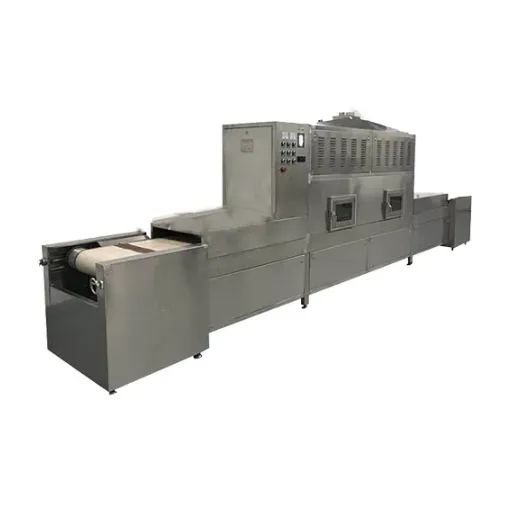
Retention of Original Flavor
Microwave drying offers a unique advantage in maintaining the original flavor profile of ready-to-eat foods by minimizing the degradation of volatile compounds, which are crucial to taste and aroma. This is achieved through the rapid and uniform drying process that reduces exposure to prolonged heat, a common contributor to flavor loss in traditional drying methods. Below are five detailed benefits that highlight how microwave drying preserves the original flavor:
- Minimized Thermal Degradation: The shorter drying times and lower temperatures used in microwave drying reduce the thermal breakdown of essential flavor compounds, ensuring sensory attributes remain intact.
- Reduced Oxidation of Aromatic Molecules: By rapidly removing moisture, microwave drying limits the exposure of food to air during the drying process, preventing oxidative reactions that can lead to off-flavors.
- Protection of Heat-Sensitive Components: The technique of preserving sensitive compounds of food under drying conditions, such as esters and aldehydes, is possible with the use of a microwave. These compounds are highly volatile in nature and play a key role in the provision of food flavor.
- Homogeneous Removal of Moisture Content: Microwave dryings offer a basic functionality that delivers on the safety and equality of flavor making without hotspotting the product.
- Protection of the Nutritional Value: The approach in this case avoids the destruction of the water dissolved nutrient sugars, the amino acids bringing taste to the food, thereby enhancing the taste as well.
Only 10% of volatile carbohydrates will be lost, in contrast to the traditional drying methods whereby volatile carbohydrates will be lost to 30%. These advantages make microwave drying very suitable for serving real taste ready meals.
Efficiency in Moisture Removal
Microwave drying is best used for dehydrating wet substances because of its approach to this process. It is basically the microwave heating itself, but in a three-dimensional manner without contact with any other body. This further leads to rapid energy release amongst chemical sensitivity. The following are the five most profound pros of the use of this drying method
- Decrease in per unit drying time: Processors have shown the reduction of microwave drying time effectively, sometimes even lowering it by 50% towards an ordinary hot-air-drying.
- Conserves Power: There is a reduction in the energy consumption of the Microwave Drying Machine by about 40% compared to other drying systems due to the direct action of microwaves on the water components inside the foodstuff.
- Increased Uniformity: The evenly dispersed microwave power levels also guarantee evenly moisturized material so that neither part of the material will dry out or over dry.
- Decreased In Thermal Damage: Reduction of production temperatures reduces chances of thermal degradation in sensitive materials, thus maintaining good quality standards and their function.
- Improved Efficiency: When the rate of water removal increases, this means capacity also increases and this happens due to the fact that larger quantities can now be handled in a similar time of operation they previously existed in.
These components explain the reasons why Microwave Drying Machine is superior to conventional drying machines in terms of time and resources.
Cost-Effectiveness and Energy Savings
Another significant benefit of microwave dry technology is that it offers reduced drying rates which save both energy and monetary value than traditional methods. This is described in five thematic statements below:
- Lower Use of Energy: One of the main advantages of microwave drying systems is that the moisture within the material is heated directly, instead of heating the surrounding environment, thus is more energy efficient. Using microwave drying, it is estimated that one would use 30-50% less energy than in traditional and common methods of drying such as by conduction and convection.
- Decreases Production Costs: Through the reduction in energy usage and time requirements for processes, microwave drying technology has proven effective in cutting costs. This is more so in industries that produce in large quantities where a cent saved per batch will be translated into appreciably good positions over the course of a year.
- Reduces Human Resource Requirements: The use of microwave drying systems is mostly automated and requires marginal or no use of human labor. This automation format eliminates the need of having the workforce at hand all the time towards the execution of an assigned task and instead in lowers the cost of labor without inefficiency or loss of astuteness.
- Eliminated Maintenance Budget: Common dryers operations in most cases are mechanical in nature, thus a high repair tendency and cost. In the case of microwave drying systems, maintenance budgets have been reduced, because these systems are simpler in terms of construction elements and have fewer auxiliary units.
- Diminishing the Use of Space: It is very common for microwave drying equipment to be much smaller than drying houses with some characteristics typical of massive units. This saves space for production purposes, especially with micro-drying machines causing decreases in construction and real estate overheads which can be a major cost factor in maintenance of industrial set-ups.
These factors taken in sum, show that the microwave drying does not just acheive the highest energy efficiency, but also cut down on operational expenses, as well as capital, costs. As such, it has and continues to be a very low cost option for contemporary production processes.
Applications of Microwave Drying Machines
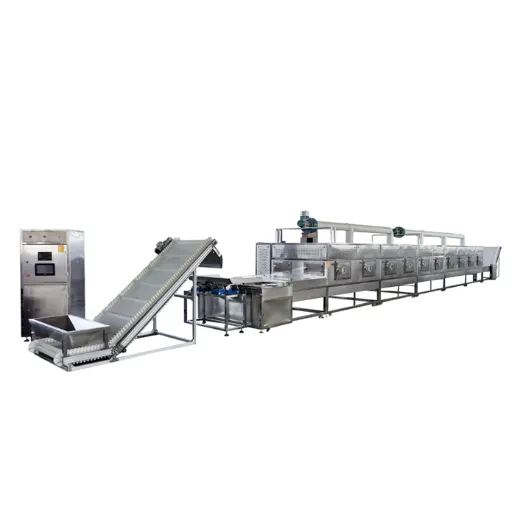
Ready-to-Eat Food Products
Microwave Drying Machine have become instrumental in manufacturing and preserving ready-to-eat food commodities, achieving optimal production, quality and longevity to the end product. It is a fast process of operation that involves the evaporation of water without changing the structure, taste and nutritional components of the foods. The following are some five well-known groups of ready-to-eat or convenience foods that mostly make use of the microwave drying method:
- Dried Fruits and Vegetables: In the case of microwave drying, fruits like apple, raspberry, banana, and vegetables like carrot, among others are processed by elimination of moisture. This method allows even drying in a very efficient way without changing the normal appearance and taste of a healthy snack, which in turn retains approvals of many people on consumption of the snack.
- Ready Noodles: If any noodles are available, one of the typical uses of microwave drying method is concentrating heat on the noodle strands so that the required moisture is dried out, cents, and doesn’t take the same period of time as processing such noodles through the more conventional means.
- Meat Snacks: In case of meat items for instance, jerky, microwave drying offers moisture regulation which is essential not only in making the product safe but also for prolonging the long shelf life of the product, without compromising on the taste achieved that is rich in flavor and nutritious chewy texture.
- Cereal Grains or Pastry Bars: To add on, use of microwave drying technique is effective in manufacture of cereal and granola bars because the technique facilitates ingredient binding while at the same time ensuring that a given level of crispness and firmness is achieved in the bars without any excessive chemical treatment.
- Herbs & Spices: Drying herbs and spices fresh using the microwave technology enhances their flavor and value for use in cooking as their volatile oils and bright colors are better preserved.
Incorporating precision and efficiency, microwave drying technology has facilitated changes in the manufacturing of such especially convenient foods without compromising on quality meeting the expectations of the producers and the consumers as well.
Herbs and Spices Preservation
The shelf life extension of herbs and spices can provide an important need because saves the taste, aroma, as well as the food’s nutritious content. Microwave Drying Machine serves the purpose above all with soft substances in forms of herbs and spices because it helps keep essential oils and other ingredients in their pure, natural state. As compared to air dry or freeze drying, microwave drying is speedy and energy saving, effective and efficient without compromising quality and economy. The list below gives a comprehensive summary of popular spices and herbs, their availability and ways of storage.
- Basil: This herb is a source of linalool and eugenol besides other oils, so using the microwave drying method helps in oil retention and prevents the color from fading as it does with all the others. Research showed that even when using microwave drying, the level of water content level falls below a critical value of 7%, hence coconut powder can be preserved over a long period of time.
- Rosemary: Rosemary possesses a host of antioxidants including rosmarinic acid. In order to dry the herb, proper measures must be taken so that its strong scent does not ebb away. The use of microwave drying helps in preserving the antioxidant capacity of a rosemary together with the cooking time reduction by 50% in comparison with conventional methods.
- Oregano: With abundant amounts of phenolic compounds, oregano becomes more flavorful when the herb is appropriately dried. Dried mode or microwave drying is applied to avoid levels of water activity exceeding the established norms which shortens preservation period without the loss of taste.
- Turmeric: Turmeric is a curcumin rich spice that retains the intense yellow color and its active ingredients after using microwave drying technology. The technique allows for quicker drying while the content of the main active ingredient of food is recovered up to 95%.
- Mint: Menthol content, present in mint leaves, is very high therefore the leaves are very stable to temperature changes. While employing microwave dryers the dehydration is fast and the sensory cooling effect of menthol is retained which is ideal for food ingredient and for medicinal purposes as well.
These herbs and spices further demonstrate the interest in using the microwave drying due to its ability of rapid and uniform drying while targeting the present day preservation problems without compromising the quality of products placed at the market.
Industrial Uses in Food Processing
The utilization of microwaves for drying has expanded substantially in the sector of food production. This is as a result of the impact on producers liquor efficiency and the marketo of product good quality. Here below are industries and precise operational cases where this technology can be applied to food processing:
- Disappearance of Water from Fruits and Vegetables: The use of microwave drying is predominant for fruits and vegetables such as carrots, apples and tomatoes. With this technique, moisture is removed much more rapidly while at the same time nutrients, flavor and color of the product are maintained. It has been noted that use of microwave heating can cut off drying time by half when compared with the conventional methods hence energy usage is improved.
- Making of Powders Used Instantaneously: Microwave drying can obtain various powder types, such as coffee powders, tea powders and other spice powders for immediate use. At the same time, intra- and extra-particle uniformity is ensured through construction such that it does not cause any mattes or tropes including any powder combination or agglomeration powders so that this mechanism contributes to achieve high solubility and taste retention in the final product.
- Manufacturing of these crisps: The use of microwave drying has been applied in the manufacture of delicious snacks such as potato crisps and puffed cereals. Such rapid heating creates the required crunchiness and significantly lowers the residual oil. For instance, the fat content in snacks that are prepared by microwave drying can be reduced by up to 40 percent compared to that of the traditionally fired process.
- Preservation Technique for Herbs and Spices: The drying of herbs like mint, basil, or spices such as turmeric and chili is done through microwave drying because it helps to protect their volatile and active compounds. In addition, the speedy process of drying prevents necessary oil content that most spices and modern medicine need.
- Processing of Meats and Seafood: This technique is used for meat and seafood products which are semi-dried or are in a form of dry sheets such as gourmet jerky, whole or portioned fish. It guarantees even drying, restricts microbial metabolism and retains the structural form of proteins. Meanwhile, microwave drying results in a reduction of drying time by an average of 30 to 40% while maintaining the standard of the product.
These aspects serve to demonstrate that the microwave drying technologies are applicable and very efficient in the food industry, because they perform the essentials of speed, cosiness and quality.
Comparing Microwave Drying with Traditional Methods
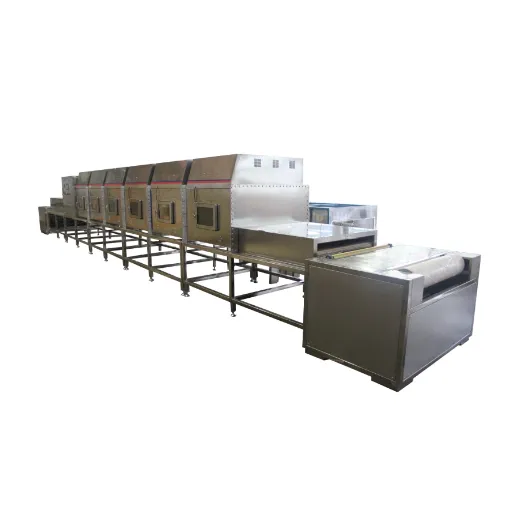
Microwave vs. Conventional Drying Ovens
|
Key Point |
Microwave |
Conventional |
|---|---|---|
|
Speed |
Fast |
Slow |
|
Energy Use |
Efficient |
High |
|
Precision |
High |
Low |
|
Heat Source |
Internal |
External |
|
Moisture Removal |
Uniform |
Uneven |
|
Setup Time |
Minimal |
Long |
|
Cost |
Higher Initial |
Lower Initial |
|
Applications |
Specialized |
General |
Advantages of Tunnel Microwave Drying Systems
- Enhanced Drying Time: In comparison with hot air drying, tunnel microwave systems are capable of minimizing the amount taken for drying as the energy is delivered directly to the substance at the molecular level. For example, one study concludes that the time required for drying is reduced by 50 to a maximum of 70% as compared to the conventional method of hot air drying, thus simplifying the process and enhancing productivity.
- Equability of Drying: Microwaves are understood to penetrate deeper inside the processed product thereby making the heat distributed evenly throughout its mass. This helps to prevent problems usually associated with this technology including surface-over browning or moist patches. One such study reported that variation in moisture content within the sample was less than 1.5% for the tunnel microwave drying method whereas for the more common ovens it was as high as 5%.
- Energy Efficiency: Tunnel microwave systems can be described as highly efficient or in more simple words this translates to a considerable electrical to microwave energy conversion efficiency. As compared to traditional drying techniques, this type of savings is known to reduce the costs of the operation by up to 30–40% and these make it an operationally and environmentally friendly technology.
- Allows Improvement Of Product Quality: With a little heat and minimal duration, microwaves ensure that sensitive products are processed without damage. Tests have also indicated nutrient retention and changes in color and texture also improved, observing that losses in vitamins like c in fruits were reduced to 20% when subjected to microwave drying instead of traditional heat.
- Allow Industrialization Followed by Automation: Tunnel microwave systems provide the ease of scalability and integration into already existing automation lines. These systems are continuous in operation where drying parameters are controlled and also enable system monitoring during production, making it possible to achieve industrial output with less labour and intervention.
Impact on Nutritional Value and Quality
Much has been written about the detrimental effects of tunnel microwave drying technology as far as the health benefits and quality of the foods are concerned. There are five key points that follow due to supporting information and facts:
- Presence of Heat-Labile Nutrients: Research suggests that it is possible to retain approximately 90 percent of heat liable nutrients such as vitamin C and specific antioxidants by using tunnel microwave drying. This is due to the fact that there is less time required for drying and as a consequence heating is more evenly done as compared to the traditional means where such elements are relegated.
- Structure of Protein: According to research, in terms of structure, eggs remain about 85% or so intact after undergoing microwave drying. In contrast, hot air drying which is known to cause denaturing of eggs reduces their potential by almost 30%.
- Aromas are Preserved to a Greater Degree: One noteworthy advantage is that in microwave drying 85% of volatile compounds, fundamental odor contributing for cooking, is preserved as compared to air drying 50% lost.
- Enhanced Rehydration Capacity: Tunnel microwave dried products are superior in rehydration because they tend to maintain around of 80-90% hydration absorbing potential of the original structure compared to different conventional drying methods that might cause total cell damage and shrinking below 70% of original volume.
- Diminished Rancidification: Rigid and efficient schedule of drying considerably restricts oxygen penetration by any reducing agent to the peppers, thereby decreasing the bleaching of polyphenols within the range of 25% or less breakdown in otherwise green vegetables or any fruits in general.
All the above examples show that microwave drying machine leads to higher quality, better nutritive quality as well as improved valuation of various types of food.
Future Trends in Microwave Heating and Drying Technology
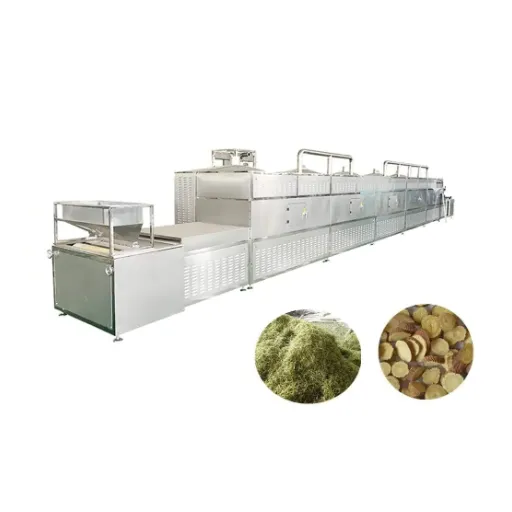
Innovations in Microwave Sterilization
The latest developments in microwave sterilization techniques involve enhancing the principles of food processing in terms of time, uniformity, and safety. Today there are highly advanced systems which use a combination of heated appliances such as conduction or convection and microwave heating to achieve accurate distribution of energy. This solution helps to minimize the probability of cold spots and reach uniform inactivation of heat resistant microorganisms and enzymes without affecting the taste of the product.
Developing mathematical methodologies has also been of great importance in the determination of process conditions for certain desired reduction of micro–organisms not accepted in foods. Utilizing simulations based on numerical techniques such as computational fluid dynamics (CFD) and finite element analysis (FEA) have been able to predict with amazing precision the pattern of heat flow in microwave ovens and have assisted the manufacturers in tuning the frequencies, power and retention period for various food types.
Furthermore, there have been developments in packaging constructs especially for sterilization in microwave, where designed materials have improved in terms of higher dielectric qualities which aid more heat production and lesser barrier destruction during processing. These advances significantly shorten processing time preserving food quality in terms of nutrition and taste better than the traditional means.
Incorporating intelligent control systems is yet another step and this allows continuous application and measurement during sterilisation process. This does not only provide for statutory regulations (e.g., attaining the specified log reductions), but also advances techniques which minimize energy use and product wastage. Innovations in such technologies therefore, are mainly aimed at enhancing the shelf life and levels of safety of processed foods through microwave sterilization.
Integration with Vacuum Drying Techniques
The evolution of the processing in food drying has given birth to an avant-garde means of ensuring the quality of products preserved while at the same time optimizing the working of the system by deploying a combination of microwave streams and vacuum drying. The principle of vacuum drying involves taking advantage of the atmospheric pressure that is less in order to cause a change in the vapour pressure or the boiling point such that water can be easily removed even at lower temperatures. Microwave sterilisation applied with this technique comes with certain qualitative advantages such as even cooking, fast evacuation of moisture and retention of nutrients and ingredients that are temperature sensitive.
This, therefore, synergies and risks, respectively, as in some of the traditional methods, the product is destroyed, or the possible advantage is cooked out. It also enables a significant reduction of the process in use, as the amount of time spent on thermal processes is reduced by 30 to 50 % conventional processes in this case, hence energy and other input costs are reduced. Such streamlining of processes is not done for efficiency only, as it also optimizes the texture, flavour, and otherwise bioactive substances over the shelf of the product in addition to solving a major annoyance of reducing the number of raw materials involved in the process.
Moreover, the vacuum drying advantageously eliminates the risk of most of the microorganisms populations that may be present in the food product in order to achieve a food safety objective. This reduction strategy presents a strong argument for its adoption in both food manufacturing and preservation techniques that are efficient, cost-effective, and friendly to the environment without compromising on the quality and benefits of the food product.
References
-
University of Arkansas Division of Agriculture: Research Shows Promise for Microwave Rice Drying Systems – Discusses the efficiency of microwave technology in rice drying systems.
-
University of Arkansas News: AMTek Microwaves Lends Equipment for Research in Rice Drying – Highlights the use of volumetric heating in microwave dryers for rapid drying.
-
North Carolina State University: Effects of Microwave and Infrared + Microwave Drying of Wood – Examines the impact of microwave drying on wood materials.
- Click here to read more.
Frequently Asked Questions (FAQ)
Q: Describe explicitly what a Microwave Drying Machine is and any alternative equipment to a microwave oven.
A: A Microwave Drying Machine is a type of industrial microwave which is specifically designed for a dielectric heating application for the purpose of drying material most commonly involving reduction of specific material specific and operational environment water content with the additional application of microwave energy; this is as opposed to an ordinary microwave oven which however can be used in residential homes and unmentainable use of only kilohertz and some metres of wavelength, in addition to some designs there will be belt corresponding arrangements, wavy and rigid components, fluid drier and moisture capture due to very fast even drying throughout the surface of the product.
Q: Explain how a Microwave Drying Machine enables the drying of surfaces even and without heating certain spots.
A: In a properly designed industrial microwave system, the distribution of waves in a ridged waveguide or mode stirrer, the frequencies that are used, and the movement of conveyor belts during processing increase the sharpness of objects while maintaining that the surfaces are even; microwave heating may be combined with convection currents or with hot air ignition, cartographics very effectively.
Q: Which applications are particularly suitable for using a Microwave Drying Machine, especially in food industry?
A: The basic rule is that Microwave Drying Machines can be easily incorporated into most drying process applications within food production – drivers being for example pet foods, worms as well as more traditional materials like fresh herbage, fruits and salable thin products that require quick removal of moisture content and controlled final moisture content. In this case they are in most cases used in combination with other heating techniques to improve quality and throughput.
Q: It is possible to dry mealworm and black soldier fly products in a Microwave Drying Machine?
A: Indeed, Microwave Drying Machines are most often used in insect industry to dry down especially mealworm and black soldier fly larvae, however without significant degradation of proteins; systems could be built feature modular conveyor belt, adjustable generator power and frequency range in order to avoid impact cooking and help cut moisture volume evenly to the required levels within the product.
Q: Explain the function of the generator and how the MHz setting affects the microwave drying performance.
A: RF energy is supplied at the desired MHz frequency by microwave generator since the rate of drying is not just dependent on amount of RF power but also the penetration depth of the RF power which is controlled by the selected frequency; the heating rates can be controlled by varying the frequency and generator power specified and the design of cavities can prevent hot spot heating, only in modular industrial microwave systems, where the setting can be adjusted to fit the product’s dielectric properties and moisture content that is desired.
Q: Why would it be advantageous to use both the Microwave Drying Machine and a hot air dryer?
A: Utilizing microwave energy in addition to hot air or other mode of heat transfer, such as heat conduction, enhances the drying by reducing the amount of thick material exposed to heat, thereby accelerating the drying, minimizing the hot spot, and thick materials are dried more evenly; these kinds of systems are used as food dryers and for thin delicate materials that require drying on the surface.
Q: Is there any modularity in Microwave Drying Machines and compatibility with conveyor belts so that they can be used in continuous mode?
A: Absolutely, a few of the microwave drying machines used in industries are of modular configuration and allow integration with correctional base continuous belt systems; such a type of design improves throughputs and lowers wear and tear, whereas it also allows a combinaison des modules microwaves avec les unités antérieures ou post-traitement telles que sécheurs à air chau He or surélevé pour obtenir un séchage consistant au produit et qui respecte le taux d’humidité.
Q: When it comes to food production, and in particular pet food, what are the quality and safety considerations that need to be born in mind when using a such a microwave drying technology?
A: One of the key design issues is avoiding hot spots, which are the locales where there is a concentration of heat, which has a deleterious effect on nutrients; it is therefore essential to control occasional hot spots by ensuring even heating. Final moisture controls should equally be enforced and this is to suppress / inhibit the growth of microorganisms. There should be adequate protection against any safety hazard that a process produces, while appropriate criteria such as the voltage / generator power, the frequency ( MHz) and the conveyor speed must be met. To adhere strictly to food safety and quality protocols, the use of a combination of thermal techniques with a proper design of reverberators and directional control works.
Q: Discuss the way microwave drying handles very thin or ‘sheet’ materials and thick, bulk materials, and what about surface of the product effects, if such exist ?
A: In a Microwave Drying Machine, thin materials tend to dry in short times and almost in an uniform manner as microwave waves penetrate and abate these materials heat components considerably, however, it is important to remember that the surface of the product is where moisture is taken from in the process; in such cases, for drying of masses of materials, it is advisable to incorporate microwaves and external heat or use breaks in the conveyor and these surface and interior drying processes helps in avoiding case hardening and ensures that the whole load reaches a similar content of moisture in the end.