To start a corn flakes business, you need a clear plan: research your market, secure licenses, choose the right production capacity, buy reliable equipment, source quality maize, and build distribution. Most entrepreneurs begin with a small semi-automatic line producing 100–300 kg per hour, then scale as demand grows.
Here is the reality many first-time founders discover. The breakfast cereal market is booming, but the path from idea to first sale is full of hidden decisions. Which flaking machine do you trust? How much should you really budget? Do you launch your own brand or manufacture for others? This guide answers those questions in order.
At Shandong Loyal Industrial Co., Ltd., we have helped food manufacturers across Asia, Africa, Europe, and the Americas set up corn flakes and breakfast cereal lines. We wrote this guide to give you the same practical roadmap our engineers share with customers every day. Whether you are a startup founder, an investor, or an existing snack producer diversifying into cereals, you will leave with a clear action plan.
In the next sections, we will cover market opportunity, a ten-step launch plan, the manufacturing process, equipment costs, licensing, marketing strategies, and common pitfalls to avoid.
Key Takeaways
- The global breakfast cereal market is projected to exceed $60 billion by the early 2030s, with corn flakes holding roughly 45% of the edible flakes segment.
- A small-scale corn flakes line costs 28,000–28,000–48,000, while medium-scale automated lines range from 48,000–48,000–60,000.
- Corn flakes production today involves a combined line of extrusion, flaking, drying/toasting, cooling, and packaging.
- Food safety licensing such as FSSAI in India or FDA registration in the U. S. is mandatory before production begins.
- Private-label and health-focused cereals (low sugar, high protein, fortified) are the fastest growth opportunities for new entrants.
What Is a Corn Flakes Business?
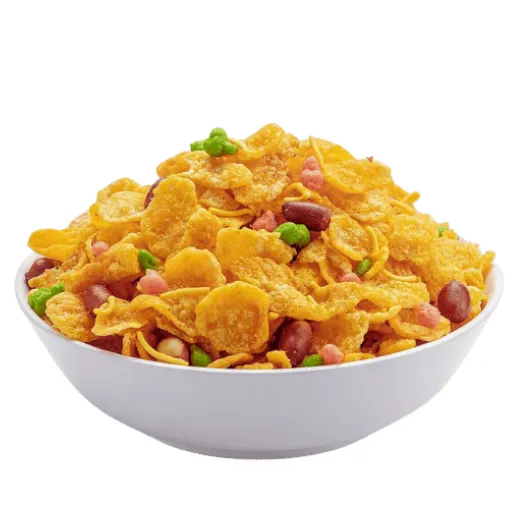
A corn flakes business produces ready-to-eat breakfast cereal from maize, often with added sugar, malt, salt, vitamins, and flavoring. The business can operate under three main models:
- Own-brand manufacturer: You create, package, and sell your own corn flakes brand to retailers or consumers.
- Private-label/contract manufacturer: You produce corn flakes for supermarkets, hotels, airlines, schools, or other brands.
- B2B ingredient supplier: You supply bulk flakes to cereal blenders, cereal bar makers, or snack food companies.
Each model needs different packaging, marketing, and sales strategies. Own-brand offers higher margins but requires stronger marketing. Private-label gives faster cash flow with less brand risk. B2B ingredient sales demand less packaging design but stricter consistency and volume.
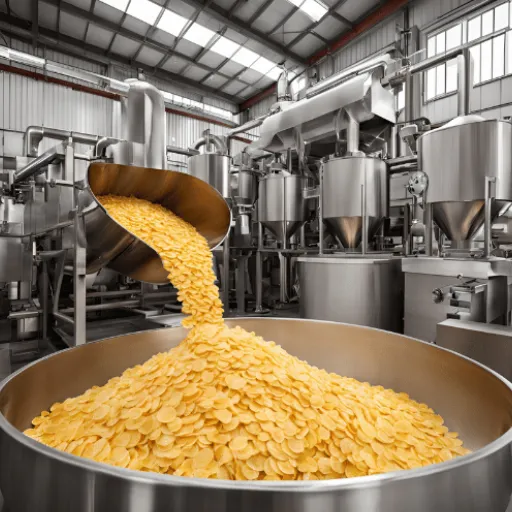
The core asset in every model is the production line. A well-designed corn flakes production line turns raw maize into shelf-stable cereal with consistent taste, texture, and color. Choosing the right line early prevents expensive retrofits later.
Market Opportunity and Trends
The breakfast cereal market is one of the most stable segments in packaged foods. According to Fortune Business Insights, the global market is expected to exceed $60 billion by the early 2030s. Credence Research reports that corn flakes account for approximately 45.5% of the edible flakes market, making them the single largest flakes category.
Several trends are creating openings for new manufacturers:
- Health and fortification: About 53% of global consumers specifically seek fortified cereals. Low-sugar, high-protein, high-fiber, and probiotic options are growing fastest.
- Private-label expansion: Retailers in Europe, North America, and Asia are launching their own cereal brands. They need reliable contract manufacturers.
- Clean-label demand: Consumers want fewer artificial ingredients and more transparent labels.
- Convenience formats: Single-serve cups, pouches, and on-the-go packaging are gaining share.
- Regional flavors: Local tastes matter. In India, for example, brands are experimenting with spices and traditional flavors alongside classic corn flakes.
Also, there is an increasing market for the equipment. Dataintelo estimates the corn flakes machine market at 1.82billionin2025,risingto1.82billionin2025,risingto3.41 billion by 2034 at a 7.2% compound annual growth rate. Automatic machines already hold 58.4% of the market, reflecting the industry’s push toward efficiency and consistency.
Mini-story: When Priya Sharma decided to enter the food business in Pune, India, she noticed that local retailers were importing corn flakes from distant states. She started with a 150 kg/h semi-automatic line and focused on a single fortified, low-sugar variant. Within 18 months, her brand was stocked by 120 stores in Maharashtra. Her early decision to target health-conscious families gave her a clear edge over generic national brands.
Step-by-Step Guide to Starting a Corn Flakes Business
The following ten steps form a practical roadmap. Treat them as a checklist, not a suggestion.
Step 1: Conduct Market Research
Before buying equipment, understand your market. Answer these questions:
- Who is your target customer? Families, children, health-conscious adults, institutions?
- What is the price range for existing products?
- Which distribution channels dominate? Supermarkets, e-commerce, wholesalers, institutional buyers?
- Who are your competitors? Direct corn flakes brands, private-label players, imported products?
- What product gaps exist? Low sugar, gluten-free, organic, regional flavors?
Visit retail stores, read local food industry reports, and talk to distributors. Primary research saves money later.
Step 2: Create a Business Plan
A solid business plan includes:
- Executive summary and business model
- Product line and positioning
- Target market and competitive analysis
- Production plan and capacity targets
- Marketing and sales strategy
- Financial projections for three to five years
- Funding requirements and use of funds
Banks, investors, and government subsidy programs will ask for this document. Be realistic about ramp-up time. Most new cereal lines need 12–24 months to reach stable monthly output.
Step 3: Secure Funding and Licenses
Funding options vary by country:
- Personal savings or family investment
- Bank loans backed by a business plan
- MSME or food processing subsidies (common in India and parts of Africa)
- Equipment financing or leasing from machinery suppliers
- Angel investors or venture capital for scalable brands
Licenses also depend on location. In India, corn flakes manufacturers need FSSAI registration or a State/Central license, GST registration, a factory license, pollution control clearance, and often MSME Udyam registration. In the U. S., you need FDA facility registration, state food manufacturing licenses, and compliance with FSMA rules. In the EU, you need approval under Regulation (EC) No 852/2004 on food hygiene and local business permits.
Always consult a local food regulatory expert before finalizing your facility.
Step 4: Choose a Production Location

Your facility should be near reliable utilities and raw materials. Ideal criteria include:
- 1,000–2,000+ square feet for small-scale operations
- Stable electricity supply (50–100 kW for small-to-medium lines)
- Clean water access (5,000+ liters per day)
- Proximity to maize suppliers or grain markets
- Easy road access for distribution
- Compliance with zoning and environmental regulations
Locate near corn-growing regions when possible. This leads to cost reduction and freshness of the raw material.
Step 5: Select Equipment and Machinery
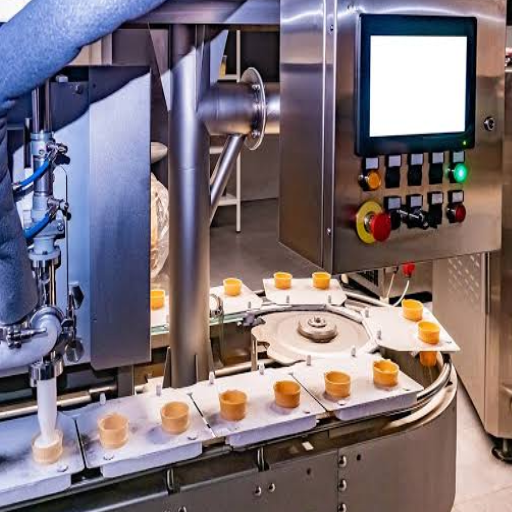
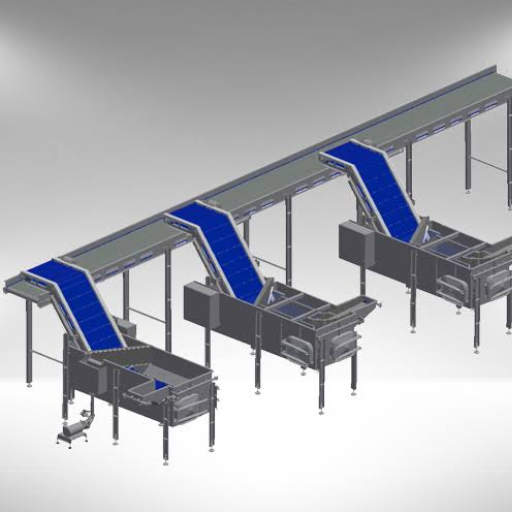
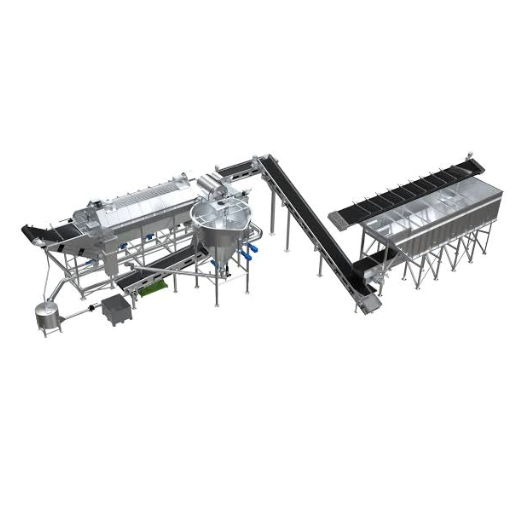
This is the most technical step. A complete corn flakes production line typically includes:
- Maize cleaning and grading machine
- Mixer or soaking vessel
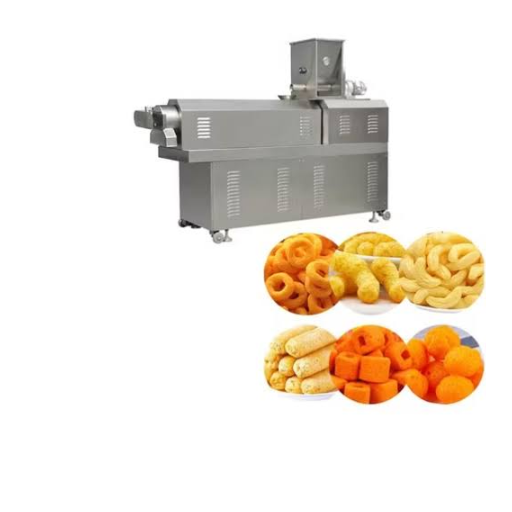
- Twin-screw extruder
- Flaking machine or roller mill
- Hot-air dryer or toasting oven
- Cooling conveyor
- Sugar or flavor coating drum (optional)
- Packaging machine
Capacity choices matter. A 100–150 kg/h line suits pilot production and small markets. A 200–500 kg/h line supports regional distribution. Lines above 1,000 kg/h serve national or export markets.
When evaluating suppliers, ask about:
- Food-grade stainless steel construction (304 or better)
- Energy consumption and motor ratings
- Automation level and PLC controls
- Spare parts availability and lead times
- Installation, commissioning, and operator training
- Warranty and after-sales support
Choosing a supplier with global experience reduces the risk of downtime and incompatible parts.
CTA: Want to see what a complete corn flakes line looks like for your target capacity? Explore our corn flakes production line and request a customized layout.
Step 6: Source Raw Materials
The main raw material is maize, usually as corn grits or corn flour. Quality directly affects taste and texture. Key inputs include:
- Corn grits or corn flour
- Sugar, salt, and malt extract
- Vitamins and minerals for fortification
- Flavoring agents (honey, chocolate, vanilla, etc.)
- Packaging materials (pouches, cartons, labels)
Build long-term contracts with at least two suppliers. This protects you against price swings and harvest variability.
Step 7: Set Up Manufacturing Operations
Install equipment, test each machine, and run trial batches. Document every parameter:
- Moisture content at each stage
- Extruder temperature and screw speed
- Roller gap and pressure
- Dryer temperature and time
- Cooling rate
- Final product moisture (target below 5%)
Standard operating procedures (SOPs) ensure that every batch tastes the same. Train operators thoroughly before full production begins.
Step 8: Build Quality Control Systems
Food safety is non-negotiable. Implement:
- Good Manufacturing Practices (GMP)
- Hazard Analysis Critical Control Points (HACCP)
- Metal detection and foreign-body controls
- Microbiological testing schedule
- Batch traceability records
- Shelf-life testing
Certifications such as ISO 22000 or FSSC 22000 strengthen buyer confidence, especially for exports and private-label contracts.
Step 9: Develop Branding and Packaging
Your packaging must do three things: protect the product, communicate value, and stand out on shelves. Include:
- Clear product name and variant
- Ingredient list and nutritional table
- Allergen declarations
- Best-before date and batch code
- FSSAI/FDA/local license number where required
- Storage instructions
For health-focused products, make claims like “high fiber,” “low sugar,” or “fortified with iron” prominent but compliant with local labeling laws.
Step 10: Launch Marketing and Distribution
Start with a soft launch in a limited geography. Carry out price testing, package size testing, and message testing. Then expand through:
- Local supermarkets and grocery chains
- E-commerce platforms (Amazon, Flipkart, BigBasket, Jumia, etc.)
- Institutional buyers (hotels, schools, hospitals, airlines)
- Direct-to-consumer via your own website or social media
- Distributors and wholesalers
Track sell-through rates, customer feedback, and retailer reorders weekly.
Corn Flakes Manufacturing Process Explained
Understanding the process helps you manage quality and troubleshoot problems. The modern extrusion method follows this flow:
Raw Material Preparation
Maize is cleaned to remove stones, dust, and broken grains. It is then milled into corn flour or grits and mixed with water, sugar, salt, malt, and any fortifying ingredients.
Extrusion
The mixture enters a twin-screw extruder. Heat, pressure, and mechanical shear cook the starch and form shaped pellets. Temperature and screw speed control texture and expansion.
Flaking
Heavy steel rollers press tempered pellets into thin, flat flakes. The roller spacing determines the flake thickness, influencing its crunchiness and toasting characteristics.
Drying and Toasting
Flakes pass through a multi-layer hot-air oven. This step reduces moisture to below 5% and develops the golden color and toasted flavor.
Cooling, Coating, and Packaging
Flakes cool to room temperature to prevent condensation. Optional sugar, honey, or flavor coatings are applied and dried. Finally, a vertical form-fill-seal machine packs the product into moisture-proof bags, often flushed with nitrogen to extend shelf life.
Mini-story: Marco in Lagos, Nigeria, initially bought used equipment that could not control flake thickness. His corn flakes were either too thick and chewy or too thin and crumbly. After switching to a line with precise roller-gap control and a programmable dryer, his rejection rate dropped from 18% to under 4%. Consistency, he learned, is what keeps retailers reordering.
Equipment List and Investment Costs
Investment depends on capacity, automation level, and supplier origin. The table below gives realistic starting ranges based on current market data, including figures from IMARC Group.
| Scale | Capacity | Equipment Cost (USD) | Typical Total Project Cost |
|---|---|---|---|
| Small | 100–150 kg/h | 28,000–28,000–48,000 | 50,000–50,000–100,000 |
| Medium | 200–500 kg/h | 48,000–48,000–60,000 | 100,000–100,000–250,000 |
| Large | 500+ kg/h | 60,000–60,000–150,000+ | 250,000–250,000–1,000,000+ |
Essential Equipment Breakdown
| Machine | Function | Estimated Cost Range |
|---|---|---|
| Maize cleaner and grader | Removes impurities, sorts grain | 3,000–3,000–8,000 |
| Mixer | Blends flour, water, and additives | 2,000–2,000–6,000 |
| Twin-screw extruder | Cooks and shapes pellets | 10,000–10,000–50,000 |
| Flaking machine | Rolls pellets into flakes | 8,000–8,000–25,000 |
| Hot-air dryer/toaster | Reduces moisture, adds color and flavor | 8,000–8,000–30,000 |
| Cooling conveyor | Brings flakes to ambient temperature | 3,000–3,000–10,000 |
| Coating drum (optional) | Adds sugar, malt, or flavors | 4,000–4,000–12,000 |
| Packaging machine | Fills and seals bags | 5,000–5,000–25,000 |
How to Choose the Right Supplier
Not all machinery suppliers are equal. Use this checklist:
- Can they provide references from your region?
- Do they offer on-site installation and training?
- Is the equipment made from food-grade stainless steel?
- Are electrical components from recognized brands?
- How quickly can they deliver spare parts?
- Do they offer process recipes and technical support?
A supplier that understands breakfast cereal production, not just general extrusion, will save you months of trial and error.
CTA: Not sure which capacity fits your budget and market? Contact Shandong Loyal Industrial Co., Ltd. for a free production line assessment and quote.
Licenses, Certifications, and Compliance

Compliance requirements vary by country, but the principles are universal.
Food Safety Licenses
- India: FSSAI Basic Registration, State License, or Central License depending on turnover.
- United States: FDA facility registration, state food manufacturing license, FSMA compliance.
- European Union: Registration with local food authority, compliance with EU hygiene regulation 852/2004.
- Nigeria: NAFDAC registration for packaged food products.
- Other regions: Check with your national food safety authority.
Factory and Environmental Clearances
You may need a factory license, fire safety certificate, trade license, and pollution control board clearance. These ensure your facility meets worker safety and environmental standards.
Quality Certifications
- HACCP: Identifies and controls food safety hazards.
- ISO 22000: International food safety management system.
- FSSC 22000: GFSI-recognized certification often required by major retailers.
Start with HACCP and basic food safety licensing. Add ISO or FSSC as you grow into private-label or export markets.
Marketing and Sales Strategies
Brand Positioning
Decide what makes your corn flakes different. Possible positions include:
- Health-focused: low sugar, high fiber, fortified
- Family-friendly: affordable, classic taste
- Premium: organic, imported ingredients, elegant packaging
- Regional: local flavors or locally sourced maize
Your packaging, website, and advertising must repeat this position consistently.
Distribution Channels
New brands often start with a mix of channels:
- Modern trade: Supermarkets and hypermarkets
- General trade: Small grocery stores and wholesalers
- E-commerce: Amazon, Flipkart, BigBasket, Jumia, MercadoLibre
- Institutional: Hotels, schools, hospitals, corporate cafeterias
- Export: Neighboring countries with similar taste preferences
Pricing Strategy
Price to cover production, packaging, distribution, and marketing while leaving a retailer margin. Common retail markups range from 20% to 40%. Monitor competitor prices, but do not compete only on price. Build value through quality and positioning.
Mini-story: A small contract manufacturer in Poland saw demand surge when a regional supermarket chain wanted a private-label, high-protein corn flakes line. Because the manufacturer had already invested in a flexible snack food production line with quick changeover tooling, it could switch recipes in under two hours. That flexibility won a three-year supply contract.
Common Challenges and How to Overcome Them
Every new corn flakes business faces similar hurdles. Here is how to handle them.
Raw Material Price Volatility
Maize prices fluctuate with weather, currency, and global demand. Lock in contracts with multiple suppliers and keep 30–60 days of inventory when prices are favorable.
Equipment Downtime
Unexpected breakdowns destroy margins. Choose a supplier with strong after-sales support, keep critical spare parts on-site, and train your team on preventive maintenance.
Shelf-Life and Moisture Control
If final moisture rises above 5%, flakes lose crunch and can develop mold. Invest in accurate moisture meters and seal packaging with nitrogen flushing.
Competing with Established Brands
Do not try to outspend Kellogg’s or Post on advertising. Instead, win on freshness, local relevance, health positioning, or private-label service.
Scaling Too Fast
Growth without process discipline leads to inconsistent product and customer complaints. Perfect one product and one region before adding SKUs or new markets.
Conclusion
Learning how to start corn flakes business operations is not just about buying a machine. It is about matching market demand, regulatory requirements, production discipline, and smart distribution into one repeatable system.
Start with a clear business model. Choose equipment that fits your capacity and growth plan. Master the manufacturing process before scaling. Build food safety into every step. And differentiate through health, local taste, or private-label flexibility.
The breakfast cereal market is growing. Corn flakes remain the dominant flakes category. With the right planning and the right production partner, your business can capture a share of that growth.
CTA: Ready to turn your corn flakes business plan into a running production line? Contact Shandong Loyal Industrial Co., Ltd. today for a free consultation, equipment layout, and tailored quote.