The most effective food processing equipment maintenance combines daily operator inspections, scheduled preventive tasks, and condition-based monitoring to cut unplanned downtime by up to 40%. Food plants that follow a structured maintenance program spend 3 to 5 times less on repairs than facilities that rely on reactive breakdown fixes.
The data shows a serious problem because actual numbers show greater harm. Food and beverage plants lose an average of 4000 to 30000 for every hour that unplanned downtime occurs. The past three years show that about 82% of facilities had one or more unexpected stoppages which industry data shows 74% of those incidents could have been completely avoided. The problem exists because people do not show enough concern. Most plant managers understand that maintenance matters. The real challenge exists in developing a program which needs to be both practical and affordable while meeting the specific requirements of food manufacturing.
You handle production operations while overseeing staff members and ensuring customer contentment. This guide provides operational checklists together with equipment-focused recommendations and a detailed process to establish or enhance your maintenance system. The strategies you learn here will help you safeguard your equipment and maintain your product quality while protecting your business profits whether you run a small snack line or a large multi-product facility.
Key Takeaways
- A structured food processing equipment maintenance program can reduce unplanned downtime by up to 40% and cut repair costs by 3 to 5 times compared to reactive approaches.
- Daily operator checks, weekly inspections, and monthly deep service form the backbone of any reliable preventive maintenance system.
- Food manufacturing maintenance must integrate HACCP, FSMA, and GMP requirements because equipment condition directly impacts food safety and regulatory compliance.
- Microwave drying machines and snack extruders require specialized care that general maintenance guides rarely cover in detail.
- Tracking simple KPIs like OEE, MTBF, and MTTR helps small plants optimize maintenance without expensive software investments.
Why Food Processing Maintenance Is Different From General Manufacturing
Food manufacturing is not like automotive or electronics production. The consequences of a missed inspection go far beyond a delayed shipment. A single lubrication error can contaminate an entire batch. A failed seal can introduce pathogens. A temperature drift on a critical control point can trigger a recall.
Food Safety Compliance Is Non-Negotiable
All maintenance activities in food processing plants need to observe food safety regulations. The FDA Food Safety Modernization Act (FSMA) requires preventive controls that include equipment monitoring. HACCP plans identify critical control points where equipment performance directly affects product safety. Maintenance teams need to follow procedures which prevent contamination and documentation requirements when they perform mixer repairs, gasket replacements, and thermometer calibrations.
The organization requires verification of cleaning effectiveness after maintenance work. The equipment must undergo cleaning and rinsing and sanitization processes which conform to your plant’s SSOP before it can return to production. The maintenance logs function as evidence for audits, which requires technicians to record all work activities by documenting the dates, parts they replaced, and calibrations they performed, as well as their corrective actions.
High-Moisture and Washdown Environments
Food plants operate in conditions that accelerate equipment wear. Daily washdowns expose motors, bearings, and electrical enclosures to water and cleaning chemicals. High humidity corrodes metal surfaces. Thermal cycling from cooking, chilling, and freezing stresses seals, welds, and gaskets.
These conditions mean that standard industrial maintenance schedules often fall short in food manufacturing. A conveyor bearing that lasts five years in a dry warehouse may need replacement every eighteen months in a dairy processing room. Understanding this reality helps you set realistic inspection intervals and stock the right spare parts.
The Hidden Cost Multiplier
Plant managers usually assess downtime through its impact on lost production time. The real economic impact of downtime extends beyond its immediate costs. Industry estimates show that direct production losses account for only 35% of total downtime expenses. The remaining costs involve scrap materials desperate procedures which require emergency personnel at higher salary levels and urgent delivery of replacement components and possible fines from regulations and customer trust destruction.
One unplanned stoppage at a small snack manufacturer operating a single production line will result in complete loss of daily profit. The numbers for large facilities start to multiply when they exceed base limits. A Midwest dairy plant reported that their total downtime costs reached more than $62,000 each hour because they included spoilage and retail penalties.
Daily, Weekly, and Monthly Food Processing Equipment Maintenance Checklists
A well-structured checklist transforms maintenance from an afterthought into a routine. The key is matching task frequency to the speed at which problems develop. Daily checks catch issues before they become failures. Weekly inspections address wear patterns. Monthly deep service prevents the gradual degradation that leads to breakdowns.
Daily Inspection Points
Daily checks should take no more than 10 to 15 minutes per machine and can often be performed by operators during startup or between batches. Consistency matters more than complexity.
- Verify that all safety guards, interlocks, and emergency stops are functional.
- Check lubrication levels at visible points and top off as needed with NSF H1-approved food-grade lubricants only.
- Inspect conveyor belts for proper tracking, tension, and surface damage.
- Listen for abnormal noises or vibrations from motors, gearboxes, and fans.
- Confirm that cooking, chilling, and drying systems are at target temperatures.
- Check compressed air pressure and listen for leaks in pneumatic lines.
- Clean food-contact surfaces and remove any debris buildup before startup.
- Review the previous shift’s log for any reported anomalies or temporary repairs.
Weekly Tasks
Weekly inspections require a slightly deeper look and should be assigned to maintenance technicians or trained operators with more equipment knowledge.
- Inspect belts, chains, and pulleys for wear, fraying, or stretching beyond manufacturer limits.
- Check electrical connections and control panels for moisture ingress or corrosion.
- Examine seals and gaskets for leaks, cracks, or microbial buildup.
- Verify calibration of critical sensors and gauges using reference standards.
- Check refrigeration and cooling system performance, including compressor operation and coil cleanliness.
- Inspect hydraulic and pneumatic cylinders for seal integrity and smooth operation.
- Test emergency stop functions and safety light curtains on packaging equipment.
Monthly Deep Inspections
Monthly tasks are more involved and may require scheduled downtime. These inspections target the components that degrade gradually and are often missed during daily and weekly checks.
- Perform detailed motor and gearbox inspections. Regrease bearings per the OEM schedule.
- Verify alignment of rotating equipment using dial indicators or laser alignment tools.
- Calibrate metal detectors with certified test pieces and document results.
- Replace HVAC filters in production areas to maintain positive air pressure.
- Inspect structural welds and food-contact surfaces for corrosion or pitting.
- Conduct a food-grade lubricant audit to confirm that only NSF H1-approved products are in use.
- Review maintenance logs and work orders from the past 30 days to identify recurring issues.
- Check spare parts inventory levels and reorder critical items with long lead times.
Preventive vs. Predictive Maintenance: Choosing the Right Strategy
Not every plant needs the same maintenance strategy. The right approach depends on your equipment criticality, budget, and technical capabilities. Understanding the trade-offs helps you invest wisely.
Building a Preventive Maintenance Schedule
The implementation of preventive maintenance programs needs to be scheduled through two different methods which include time-based and runtime-based scheduling methods. The implementation of this maintenance method provides immediate results which makes it the primary maintenance method used in food processing facilities.
Begin by using the manufacturer established service timeframes. The system requires you to modify those times according to the actual conditions which you experience. The equipment requires more maintenance when it operates multiple shifts throughout the day in a damp environment rather than when it runs one shift inside a climate-controlled facility.
The production schedule needs to determine the timing of maintenance work. The organization should plan essential maintenance activities during established shutdown periods which include scheduled holidays and seasonal work breaks. The process of batch transitions enables organizations to execute short-duration tasks which include changing filters and performing lubrication activities. Production planners need to work together with maintenance teams to ensure that maintenance activities do not disrupt urgent production requirements.
The financial case is compelling. The U. S. Department of Energy reports that performing maintenance tasks without a schedule costs between three and five times more than executing those tasks according to a predefined schedule. Organizations that spend money on preventive maintenance will receive between 4to4to10 financial returns from savings which result from decreased equipment failures.
When to Invest in Predictive Technologies
Predictive maintenance uses sensors and data analysis to detect problems before they cause failure. The field uses common technologies which include vibration analysis for rotating equipment and thermal imaging for electrical systems and oil analysis for gearboxes and motor current signature analysis.
The tools provide benefits which include 25 to 40% reduction in unplanned downtime and 30 to 50% decrease in equipment failures. The system needs initial funding to acquire sensors and software and to provide training. Small businesses with budget constraints should implement the phased approach.
Begin the process by selecting one vital equipment item. You should establish a basic vibration sensor on your most essential motor or gearbox. You should monitor the data manually during several months to build a baseline. You should expand your equipment collection after you obtain value from your current equipment. Affordable wireless solutions have become available from many sensor vendors who provide systems needing no complicated installation process.
When Chen upgraded his family’s snack factory in Malaysia from a purely reactive maintenance approach to a simple preventive schedule with weekly operator inspections, unplanned downtime dropped by 28% within six months. He spent less than $200 on laminated checklists, a basic grease gun, and a vibration pen. The first avoided breakdown on his extruder gearmotor paid for the entire program three times over.
Equipment-Specific Maintenance Tips for Loyal Machines
General maintenance advice is useful, but equipment-specific guidance is where real value lives. As a manufacturer of food processing machines, we have seen what fails first and why. Here are targeted tips for the equipment categories our customers use most.
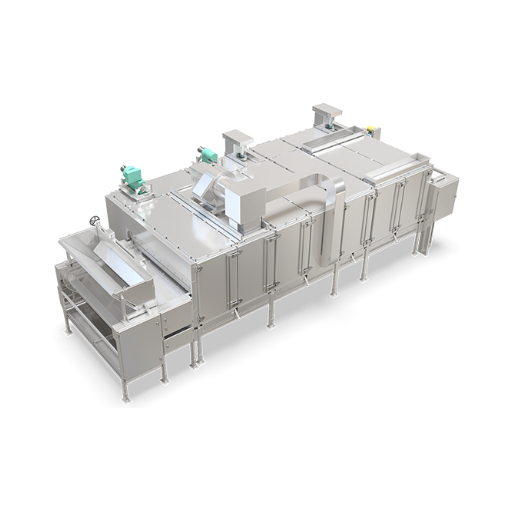
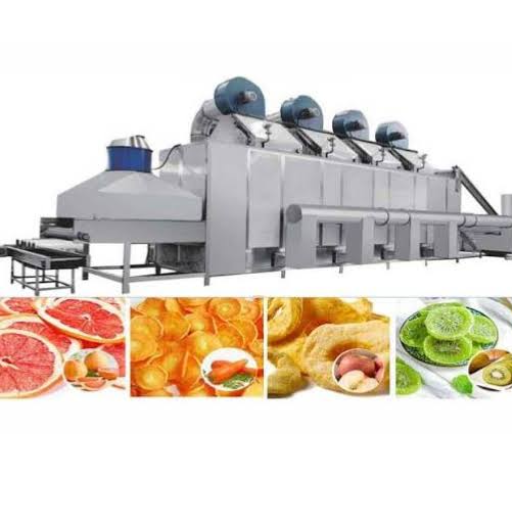
Microwave Drying Machines
Microwave drying machines use magnetrons to generate electromagnetic energy that removes moisture from food products. These machines are efficient and fast, but they require specialized care.
The magnetron requires multimeter inspection for its filament resistance test. The equipment requires replacement when insulation faults reach ground level or resistance measurements exceed 1 ohm. The facility requires monthly cleaning of dust from all magnetrons transformers and their electrical enclosures. Dust accumulation prevents heat dissipation creating an increased risk of equipment failure.
Technicians need to conduct monthly inspections of door seals and gaskets to identify any signs of wear or damage. Damaged seals can allow microwave leakage which creates both safety risks and decreased operational efficiency. The facility requires periodic leakage testing through the application of a microwave survey meter. The appropriate measurement range requires readings to maintain levels at or below 0.5 microwatts per square centimeter.
The maintenance team needs to clean the heating chamber and waveguide system on a regular basis to stop material buildup. Excessive residue causes arcing problems which create fire hazards and result in inconsistent drying processes. A calibrated infrared thermometer needs to check temperature distribution across the belt to confirm proper temperature control. Blocked air channels and degraded magnetron performance both create uneven heat distribution problems in the system.
Technicians need to perform weekly inspections of conveyor belt tension and tracking system functionality. The high-temperature operation of microwave dryers leads to belt stretching and shifting problems. The team must adjust tension according to manufacturer guidelines while they should replace belts which have developed wear before they break during production.
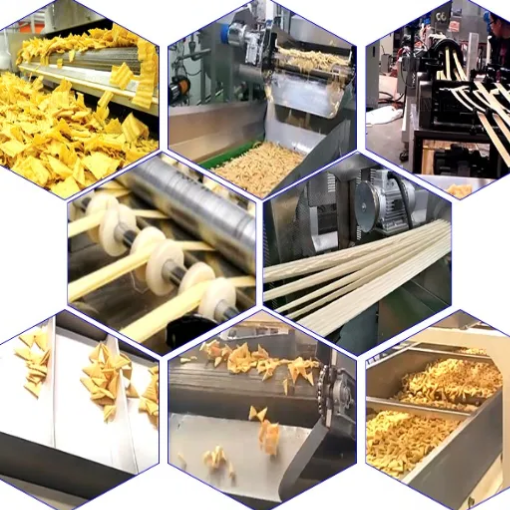
Extruders and Snack Production Lines
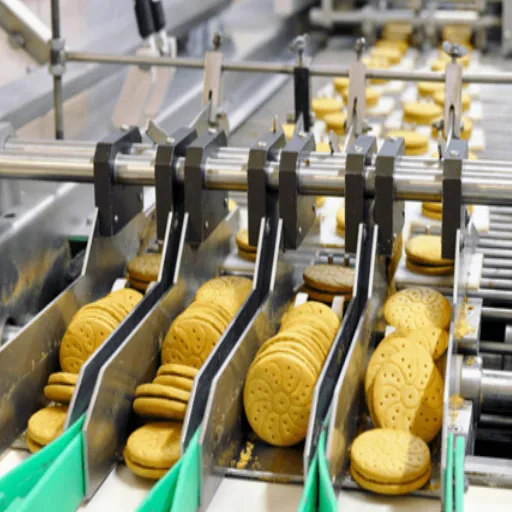
Snack food production lines rely on extruders to shape and cook products. The screw, barrel, and die plate are the heart of the system and require careful attention.
The system experiences output drops because of metal wear which leads to higher energy costs. The actual flight clearance of the screw must be compared with the OEM specifications. The system requires a complete rebuild or replacement process when the actual clearance measurement exceeds the specified clearance limit.
The team needs to clean die plates effectively after each product transition. The gearbox experiences stress because pressure imbalances occur when flow becomes restricted by residue buildup. The team needs to check die plate alignment during the process of reassembly. Uneven extrusion results from misalignment which also produces faster cutter assembly damage.
The organization should establish a fixed schedule for blade sharpening and cutter replacement instead of waiting until quality problems occur. The dull blades produce rough edges and inconsistent piece lengths because they tear materials instead of cutting them. The majority of operations need blade inspections every two weeks which should include blade sharpening or replacement every month.
The team needs to check the gearbox oil temperature together with its condition on a weekly basis. The extruder gearboxes function under conditions that generate both high torque and high thermal stress. Oil that darkens quickly or smells burnt shows that the substance has experienced overheating and contamination. The manufacturer needs to specify both the viscosity grade and the type of oil which should be used.
The team needs to check the cooling conveyor belt system through daily inspection of both belt tension and belt cleanliness. Product residue on the belt can transfer to downstream packaging equipment and create hygiene issues. The team needs to make certain that cooling airflows stay clear and that fans maintain their designed operational speed.
Conveyors and Packaging Equipment
Production lines experience delays because of bottlenecks which occur at conveyors and packaging machines. The system requires preventive maintenance because a failure in this location stops all operations in the upstream area.
Belt maintenance requires daily checking of both tension and tracking. Loose belts cause product pileups because they slip and create uneven spacing. Over-tightened belts accelerate bearing wear. Adjust the system until it achieves the manufacturer’s specified deflection measurement.
The lubrication chart provides instructions for lubricating roller bearings and chain drives. The system requires the use of food-grade lubricants only. Airborne grease particles originating from non-contact bearings will settle on product surfaces.
The packaging equipment needs weekly temperature calibration for its seal jaw. Most heat-seal applications require temperature tolerance within plus or minus 3 degrees Celsius. A calibrated surface probe should be used for verification instead of relying on the machine display.
The team conducts daily cleaning procedures for label sensors and barcode scanners. Dust and oil films together with product residue lead to misreads which cause rejections or line stops. A simple wipe with a lint-free cloth takes 30 seconds and prevents hours of troubleshooting.
Building a Maintenance Program on Any Budget
You do not need a computerized maintenance management system to run an effective program. Many small and mid-sized food manufacturers achieve excellent results with simple tools and disciplined execution.
Start With a One-Page Plan
You need to select your five most important machines which serve as essential resources because their breakdown would halt all production processes. The manufacturer provides daily and weekly and monthly maintenance schedules for each machine together with its specific maintenance needs for your specific operational setup.
Design a basic tracking sheet which uses a printed checklist that people can use with a clipboard. Each task needs assignment to a particular individual who will do it at a designated time. Operators need to see the checklist which you must display at the machine or control room entrance points.
Manage Spare Parts Wisely
The critical spare parts for your operations include all components which would result in more than 24 hours of operational downtime when they become damaged and you lack a replacement component. The critical spare parts for food production facilities include essential motor bearings. gearbox seals. conveyor belts. heater elements. and control board fuses.
Base your minimum stock requirements on the time needed to receive new parts and the history of equipment failures. A part which needs four weeks to reach you from overseas needs one spare part because it has failed two times during the previous twelve months. The company will conduct inventory evaluations every three months to change stock levels according to actual product movement.
Document Everything
Maintenance logs are your best defense during audits and your best tool for continuous improvement. Record the date, time, technician name, machine ID, tasks performed, parts replaced, and any anomalies observed.
Even a simple notebook is better than nothing. As you grow, consider transitioning to a digital log. Free spreadsheet templates and affordable mobile apps can replace paper without requiring a full CMMS investment.
Maria runs a small cereal bar production facility in Colombia with eight machines and three operators. She could not afford maintenance software, so she created a color-coded Excel spreadsheet. Green cells meant the task was complete. Yellow flagged items needing attention within the week. Red signaled an urgent issue. Within one year, her reactive maintenance percentage dropped from 45% to 18%, and her annual repair spending fell by $12,000. The entire system cost her two hours to set up and fifteen minutes per week to maintain.
Measuring Maintenance Performance: KPIs That Matter
What gets measured gets managed. Tracking a few key metrics helps you spot trends, justify investments, and demonstrate progress to management.
Overall Equipment Effectiveness (OEE)
OEE combines availability, performance, and quality into a single score. Food plants without structured maintenance programs typically achieve 60 to 72% OEE. World-class facilities reach 85% or higher.
Calculate availability by dividing actual run time by planned run time. Performance compares actual throughput to design throughput. Quality measures good output as a percentage of total output.
Mean Time Between Failures (MTBF) and Mean Time To Repair (MTTR)
MTBF tracks how long your equipment runs between breakdowns. A rising MTBF indicates that your preventive maintenance is working. MTTR measures how quickly you restore equipment after a failure. Reducing MTTR requires better spare parts management, technician training, and standardized repair procedures.
Reactive Maintenance Percentage
This is the share of maintenance work that responds to breakdowns rather than preventing them. Top-performing food plants keep reactive maintenance below 15% of total maintenance hours. If your number is above 40%, you are spending too much on emergency repairs and not enough on prevention.
Maintenance Cost Per Unit of Production
Divide your total maintenance spending by your production output. Track this monthly to see whether maintenance investments are translating into improved reliability. A declining cost per unit usually means your program is effective.
Training Your Team for Maintenance Success
Even the best maintenance program fails without trained people. Your operators and technicians need more than technical skills. They need food safety awareness and a clear understanding of how their actions protect product quality.
Cross-Train Production Staff for Daily Inspections
Operators who run the equipment every day are your first line of defense. Train them to recognize normal versus abnormal sounds, temperatures, and vibrations. Give them the authority and the tools to report issues immediately without fear of blame.
Train Maintenance Technicians on Food Safety
Maintenance staff must understand GMP requirements, allergen control, and contamination prevention. They need to know why tool reconciliation matters, why tarps are required during overhead repairs, and why post-maintenance sanitation is non-negotiable.
Document SOPs in Accessible Formats
Write standard operating procedures in clear language. Use photos and diagrams where possible. If your team includes multiple languages, provide translated versions of critical procedures. Post quick-reference cards at each machine for the most common tasks.
Conclusion
Food processing equipment maintenance requires operational performance because it needs to be performed consistently throughout the day. A straightforward daily checklist which workers use every day will deliver better results than a sophisticated predictive analytics system which remains unused.
Start with the basics. Choose five machines which matter most to your operations. The system needs daily operator assessments and weekly technician assessments. Create a preventive maintenance schedule which matches your production schedule. The organization should use MTBF OEE and reactive maintenance percentage as their progress measurement tools. Your team needs training while you must create documentation of all processes.
As your program matures, add equipment-specific expertise. Pay special attention to your microwave drying machines and snack production lines, because these assets have unique wear patterns that general maintenance advice cannot address.