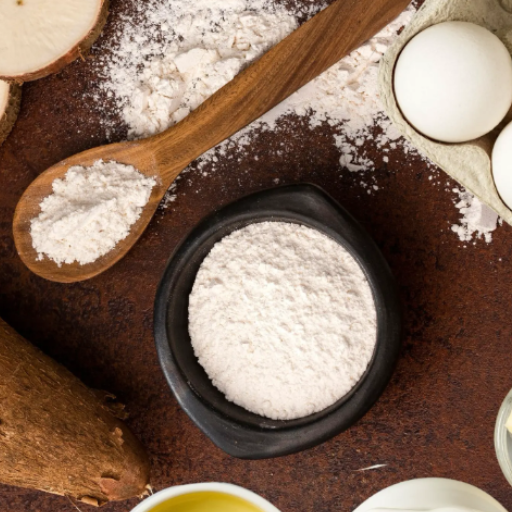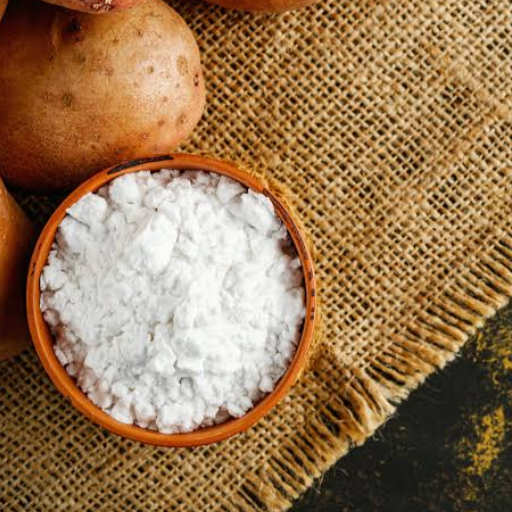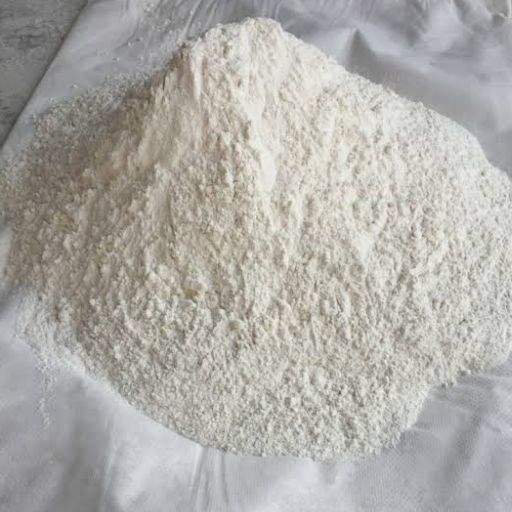
The main modified starch raw materials are corn, cassava (tapioca), potato, wheat, rice, and waxy maize starches. Each source delivers different viscosity, clarity, stability, and cost profiles, so the right choice depends on your end product and modification method.
Marcus, a production manager at a mid-sized sauce plant in Ohio, learned this the hard way. He sourced the cheapest corn starch he could find for a new thickener line. Six months later, his team was fighting off-flavors, inconsistent viscosity, and rejected batches.
The starch was not the problem; the mismatch between raw material and application was. After switching to a higher-purity waxy maize starch, batch variability dropped by 40% and customer complaints fell by half.
That is the power of choosing the right starch sources. This guide walks you through the six primary raw materials for modified starch. It explains how to match them to your application. It also shows how raw material quality affects your equipment and final product.
Key Takeaways
- Corn starch dominates roughly 46% of the modified starch market. It is abundant, low-cost, and versatile across food, paper, and industrial uses.
- Cassava and tapioca starches offer clean flavor, transparent gels, and strong freeze-thaw stability for frozen foods and premium sauces.
- Potato starch delivers the highest viscosity and clearest paste, making it ideal for dairy, soups, and bakery fillings where texture matters.
- Raw material pretreatment, cleaning, dewatering, and drying to 10–15% moisture, is as important as the modification reaction itself.
- A well-configured modified starch production line can process multiple starch sources with recipe-controlled settings.
What Are Modified Starch Raw Materials?
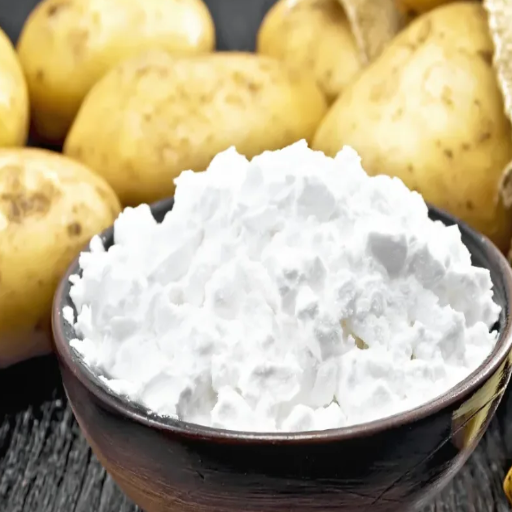
Modified starch raw materials are native starches extracted from plants before they undergo physical, chemical, or enzymatic treatment. Native starch is the starting powder. Modification changes how that powder behaves under heat, acid, shear, freezing, and storage.
The word “modified” describes processing, not genetic engineering. In most markets, especially Europe, raw materials for modified starch come from conventional, non-GMO crops. The modification step simply restructures the starch granule to improve functionality. The Starch in Food Europe resource explains this distinction clearly for food manufacturers.
The most common sources include:
- Corn starch, the global workhorse
- Cassava / tapioca starch, clean taste and freeze-thaw stability
- Potato starch, high viscosity and clear gels
- Wheat starch, regional availability in bakery and paper
- Rice starch, hypoallergenic and bland
- Waxy maize starch, high amylopectin for stable gels
Why does the source matter so much? Two reasons: the amylose-to-amylopectin ratio and the granule structure. High-amylopectin starches like waxy maize form clear, stable gels. High-amylose starches form firm gels and strong films.
Potato starch swells more than corn, giving thicker pastes. These differences determine how the starch responds to extrusion, chemical reaction, or enzyme treatment.
The Six Main Raw Materials for Modified Starch
Corn Starch
Corn starch is the most widely used raw material for modified starch production. According to industry estimates, corn accounts for approximately 46% of the global modified starch market.
Its advantages are straightforward. Corn is abundant, cost-effective, and available year-round in major production regions. The starch has a neutral flavor and works across food, paper, textile, adhesive, and construction applications.
Corn starch suits almost every modification method: pregelatinization by extrusion or drum drying, chemical cross-linking, oxidation, esterification, and enzymatic conversion. For manufacturers who need predictable performance at the lowest raw material cost, corn is usually the first choice.
The downside? Standard corn starch can give cloudy pastes and relatively modest viscosity compared with potato or tapioca. It also performs poorly in freeze-thaw cycles unless chemically modified. For high-clarity or frozen applications, producers often blend corn with other sources or switch to waxy maize.
Cassava and Tapioca Starch
Cassava starch and tapioca starch are essentially the same raw material. Tapioca is the starch extracted from the cassava root. In Asia, Africa, and Latin America, where cassava grows easily, it is a major feedstock for modified starch plants.
Elena, an R&D director at a frozen-food company in Bangkok, switched her ready-meal sauce from corn starch to modified tapioca starch. The result was a transparent, glossy sauce that stayed smooth through three freeze-thaw cycles. Her reformulation cut customer complaints about syneresis, the weeping of liquid from a gel, by more than 60%.
Buyers prize tapioca starch for its clean flavor, high clarity, and good freeze-thaw stability. It is naturally gluten-free, which makes it attractive for clean-label and gluten-free products.
The trade-off is price volatility. Between January and June 2026, Thai tapioca starch export prices swung from roughly 480pertonto480pertonto685 per ton. Weather and export demand drove the increase.
Potato Starch
Potato starch delivers the highest swelling power and some of the clearest pastes of any commercial starch. It forms short, creamy textures with excellent moisture retention. Manufacturers favor it in premium sauces, soups, dairy desserts, and bakery fillings.
If your end product needs a thick, glossy consistency without a cereal taste, potato starch is often the best raw material for modified starch production. It also performs well in enzymatic modification because of its well-defined granule structure.
The main drawbacks are cost and supply geography. Potato starch is more expensive than corn or cassava, and production is concentrated in Europe and North America. For manufacturers in Asia, freight and import duties can make potato starch less competitive unless the final product commands a premium price.
Wheat Starch
Wheat starch is common in Europe and North America, where wheat is a major crop. It is used in bakery products, noodles, and some paper applications. Wheat starch contains residual proteins, including gluten, which can be a concern for gluten-free food labels.
For modified starch production, wheat starch is rarely the first choice. It only makes sense when the plant sits in a wheat-growing region or the end product needs wheat-derived functionality. In most cases, corn or cassava offers better cost and cleaner flavor profiles.
Rice Starch
Rice starch has very small granules and an extremely bland flavor. It is hypoallergenic, which makes it valuable for baby food, clinical nutrition, and hypoallergenic formulations. Manufacturers also use it as a fat replacer in low-fat dairy and dressings.
The small granule size gives rice starch unique mouthfeel properties, but it also makes drying and grinding more energy-intensive. Production volumes are lower than corn or cassava, so rice starch is usually chosen for specialty applications rather than commodity modified starch.
Waxy Maize Starch
Waxy maize is a special corn variety with very high amylopectin content. It produces clear, stable gels that resist breakdown under heat, acid, and shear. That makes it ideal for retorted foods, canned goods, salad dressings, and industrial adhesives where process tolerance is critical.
Because waxy maize is still corn-based, it benefits from the same supply-chain advantages as regular corn starch. However, it carries a price premium. For applications where stability under severe processing is non-negotiable, the extra cost is usually justified.
Quick Comparison of Modified Starch Raw Materials
| Raw Material | Key Strength | Best For | Cost Level |
|---|---|---|---|
| Corn starch | Versatile, abundant, neutral flavor | High-volume food, paper, adhesives | Low |
| Cassava / tapioca | Clean flavor, freeze-thaw stability | Frozen foods, premium sauces, gluten-free | Medium |
| Potato starch | High viscosity, clear paste | Dairy, soups, bakery fillings | High |
| Wheat starch | Regional availability | Bakery, noodles, paper | Low-Medium |
| Rice starch | Hypoallergenic, bland | Baby food, clinical nutrition | High |
| Waxy maize | Heat, acid, and shear resistance | Retorted foods, salad dressings | Medium-High |
Use this table as a starting point. The final choice still depends on your modification method, equipment, and target market.
How to Choose the Right Modified Starch Raw Material
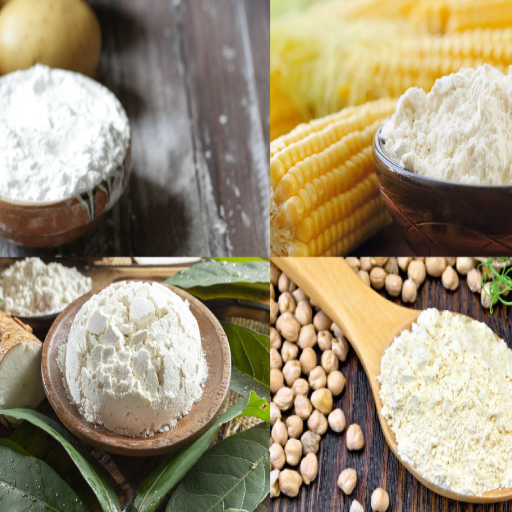
Selecting raw materials for modified starch is not only about price. It is about matching the source to the end-use requirements, modification method, and equipment capabilities. Here is a five-step framework.
Step 1: Define the Functional Requirements
Start with the finished product. Ask which properties matter most:
- Viscosity, how thick does the final product need to be?
- Clarity, does the sauce or gel need to be transparent?
- Freeze-thaw stability, will the product be frozen and reheated?
- Heat and shear resistance, will it undergo retorting, UHT, or high-shear mixing?
- Flavor, should the starch contribute no taste at all?
For a frozen ready-meal sauce, cassava or potato starch often wins. For a high-volume paper adhesive, corn starch is usually the answer.
Step 2: Match the Source to the Modification Method
Different raw materials respond differently to modification:
- Physical modification (extrusion, drum drying, heat-moisture treatment): works with corn, cassava, potato, wheat, rice, and waxy maize.
- Chemical modification (cross-linking, acetylation, oxidation): requires high-purity starch with low protein and ash. Potato and waxy maize are often preferred for premium chemical modifications.
- Enzymatic modification: potato starch’s uniform granule structure makes it particularly suitable for precise enzyme reactions.
A pregelatinized starch production line running physical extrusion can usually handle multiple sources. A chemical modification line needs tighter incoming quality control.
Step 3: Evaluate Regional Availability and Cost
Location matters. Corn is cheapest in the United States, China, and Argentina. Cassava and tapioca are economical in Thailand, Vietnam, Indonesia, Brazil, and Nigeria. Potato starch is most competitive in Europe and parts of North America.
Importing raw starch adds freight, duties, and supply risk. A plant in Southeast Asia may choose cassava even for applications where potato would perform slightly better, simply because the total delivered cost is lower.
Step 4: Check Regulatory and Label Requirements
Food-grade modified starch must meet regional regulations such as FDA 21 CFR in the United States and EU food-additive rules. In Europe, modified food starches are labeled E1400–E1452 depending on the treatment.
If the target market demands non-GMO, organic, gluten-free, halal, or kosher certification, the raw material source and supplier must be audited accordingly. Rice and tapioca starches are popular for allergen-sensitive and clean-label products.
Step 5: Test Incoming Starch Quality
Batch-to-batch variation in native starch is a leading cause of inconsistent modified starch. Operators should check every incoming lot for:
- Moisture content, target 10–15% for dry processing
- Protein, ash, and fiber, lower is better for chemical modification
- Microbial load, critical for food and pharmaceutical grades
- Granule integrity, damaged granules react differently
- Viscosity profile, compare against a reference standard
Skipping these tests is like driving with a dirty windshield. You might reach your destination, but the ride will be unpredictable.
Modified Starch Raw Materials: Pretreatment Steps
Before modification begins, operators must prepare the raw starch. Pretreatment quality directly affects reaction efficiency and final product consistency. For a deeper look at the chemistry behind starch modification, see this ScienceDirect overview of modified starch.
Cleaning and Washing
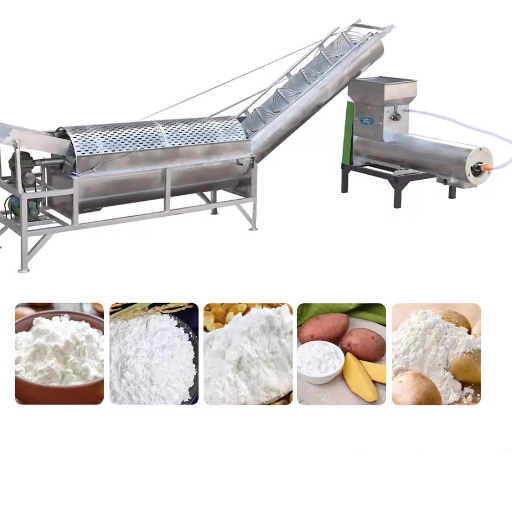
Native starch arrives with traces of fiber, protein, sand, and stones. Cleaning removes these impurities. Washing then removes residual soluble material. For wet modification processes, starch is often slurried in water and passed over sieves or hydrocyclones.
Dewatering
For chemical modification in slurry form, operators dewater starch to roughly 30–40% moisture. This concentration allows even reagent distribution while keeping the starch in pumpable form.
Drying and Storage
For dry-fed extrusion lines, starch must be dried to 10–15% moisture. Higher moisture causes clumping, poor feeding, and uneven cooking in the extruder. Storage areas should be cool, dry, and protected from pests and contamination.
Quality Control Checkpoints
A simple incoming inspection checklist reduces surprises later:
- Verify supplier certificate of analysis.
- Test moisture and viscosity on arrival.
- Inspect for color, odor, and visible contamination.
- Hold the first lot for finished-product testing before releasing full production.
For more detail on quality testing, see our guide to modified starch quality control.
How Raw Material Choice Affects Your Production Equipment
The raw material does not just influence the product. It also determines how you run your equipment.
Extruder Considerations
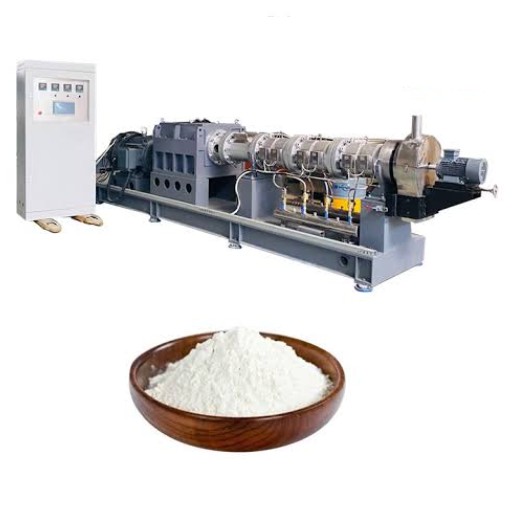
In a typical modified starch manufacturing process, native starch is mixed with water and additives, then fed into a twin-screw extruder. Each starch source needs slightly different settings:
- Corn starch tolerates a wide moisture and temperature range.
- Cassava / tapioca starch needs careful moisture control to prevent sticky extrudate.
- Potato starch gelatinizes quickly and may need lower barrel temperatures to avoid over-cooking.
- Waxy maize starch requires higher shear and temperature to fully develop its stable gel structure.
Modern extrusion lines use recipe-controlled PLCs to store these settings for each raw material.
Dryer Considerations
Initial moisture and target moisture vary by source. Potato starch holds more water and may need longer drying. Cassava extrudate can be sticky, so a belt or fluidized-bed dryer with gentle handling works better than a high-impact drum.
Grinding and Screening
Different starches have different hardness after drying. Potato starch can be more brittle, while corn may require more energy to mill. The target mesh size depends on the application, typically 80 to 200 mesh for food-grade modified starch.
Equipment Recommendation
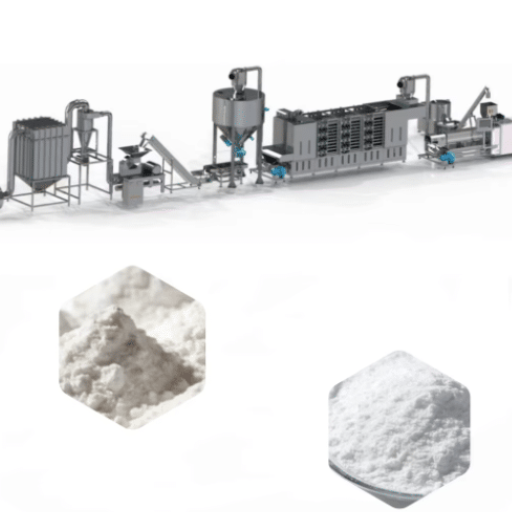
A well-designed modified starch production line from Shandong Loyal handles all six sources. Capacities range from 100 kg/h to 3,000 kg/h. Food-contact surfaces use SUS304/316 stainless steel, and the PLC system stores recipes for each raw material to simplify changeovers.
Market Trends in Modified Starch Raw Materials
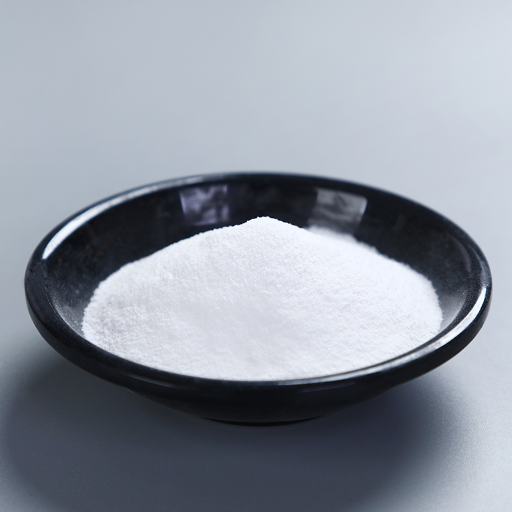
The global modified starch market continues to expand. According to Future Market Insights, the market was valued at approximately 9.4billionin2025andisprojectedtoreach9.4billionin2025andisprojectedtoreach9.8 billion in 2026.
Several trends are reshaping raw material choices:
- Clean-label demand is pushing food manufacturers toward physically modified starches and non-GMO sources such as tapioca and potato.
- Potato modified starch is projected to grow at a 7.4% CAGR from 2026 to 2033, the fastest among major sources.
- Cassava modified starch is also expanding, with a projected 4.8% CAGR over the same period.
- Sustainability is driving interest in biodegradable starch-based packaging and lower-energy modification processes.
- Regional volatility in crop prices is encouraging manufacturers to qualify multiple raw material suppliers.
David, the owner of a snack company in Vietnam, saw this trend clearly. His buyers wanted gluten-free, clean-label seasonings. By switching to cassava-based pregelatinized starch, he met the label requirements and gained shelf space in European export markets. The raw material cost was higher, but the product premium more than covered it.
FAQ
What are the most common raw materials for modified starch?
The six most common sources are corn starch, cassava/tapioca starch, potato starch, wheat starch, rice starch, and waxy maize starch. Corn is the most widely used globally.
Is modified starch made from genetically modified crops?
No. The term “modified” refers to processing, not genetic modification. In Europe especially, raw materials for modified starch are conventional, non-GMO crops.
What is the difference between native starch and modified starch?
Native starch is extracted directly from plants. Modified starch has undergone physical, chemical, or enzymatic treatment to improve properties such as viscosity, heat stability, freeze-thaw stability, and acid resistance.
Which raw material is best for food-grade modified starch?
There is no single best source. Corn is best for cost-sensitive, high-volume products. Cassava and potato are better for clear, freeze-thaw-stable foods. Waxy maize is ideal for retorted and high-shear applications.
How does raw material quality affect modified starch production?
Moisture, protein, ash, fiber, microbial load, and granule consistency all affect reaction efficiency and final product quality. Inconsistent raw starch is a leading cause of batch-to-batch variation.
Can one production line handle multiple starch sources?
Yes. A flexible extrusion-based modified starch production line can process multiple sources when equipped with recipe-controlled screw profiles, temperature zones, and drying parameters.
Conclusion
Raw material selection is the foundation of every successful modified starch operation. Choosing the right modified starch raw materials improves product performance, reduces waste, and keeps your line running smoothly.
Corn starch remains the cost-effective default for most applications. Cassava and tapioca shine in frozen and clean-label products. Potato starch delivers premium texture and clarity. Waxy maize handles the harshest processing conditions.
Rice and wheat fill important specialty roles. Before you invest in new equipment or reformulate a product, map your end-use requirements to the raw material properties, modification method, and regional supply economics. Then make sure your modified starch production line can handle the source with precise process control.
Ready to optimize your modified starch production? Contact Shandong Loyal Industrial today. We offer customized production line recommendations, raw material handling guidance, and detailed process layouts for your application.