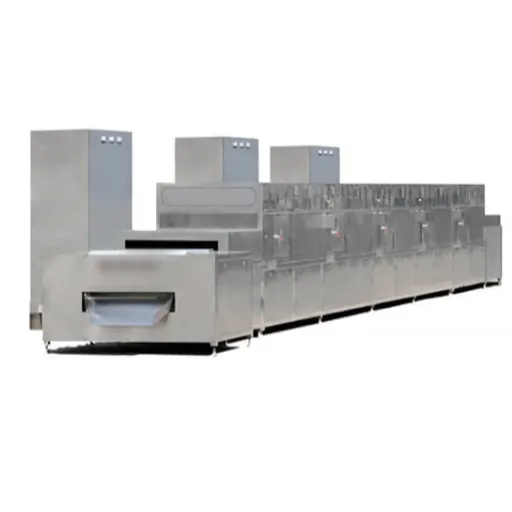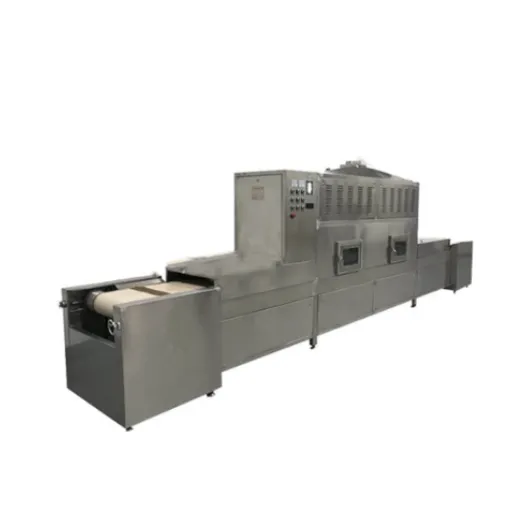
Microwave drying equipment ROI typically pays back in 12 to 30 months for food manufacturers, driven by 30–50% energy savings, faster throughput, lower waste, and reduced labor. That range assumes you size the system for your actual moisture targets and run it enough hours per year to capture those savings.
Industrial drying can consume up to 15% of a plant’s total energy budget, according to a 2023 Scientific Reports review cited by EnWave. If you are staring at a six-figure capital quote for a new dryer, the real question is not whether the machine works. It is whether the numbers work for your line.
In this guide, you will learn how to calculate microwave drying equipment ROI for your food operation. We will cover the real cost ranges, the operating savings you can expect, a simple payback formula, and the food applications where payback is fastest. You will also see how a microwave drying machine fits into a complete production strategy.
Key Takeaways
- Most food manufacturers see a 12–30 month payback on microwave drying equipment when energy, labor, and yield gains are included.
- Microwave drying uses 0.56–1.2 kWh per kg of water removed, compared with 1.5–4.0 kWh/kg for hot air drying.
- Capital costs range from 150,000forentrysystems∗∗to∗∗150,000forentrysystems to 3 million+ for large continuous lines, plus 15–25% for installation and utilities.
- The fastest ROI comes from high-volume lines, heat-sensitive products, and plants with high electricity rates.
- A pilot trial with your actual product is the safest way to validate payback before committing capital.
Want a rough payback estimate for your product? Contact our engineering team with your throughput, current drying method, and target moisture. We will run the numbers with you.
What Is Microwave Drying Equipment ROI?
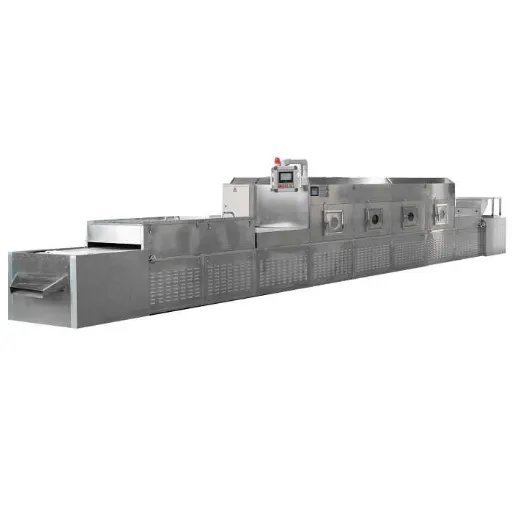
Microwave drying equipment ROI is the financial return you get from replacing conventional drying with a microwave-based system. It compares the upfront capital cost against annual savings in energy, labor, waste, maintenance, and sometimes floor space.
Most buyers focus on the equipment price first. That is natural. But the real driver of ROI is the gap between what you spend now and what you would spend with a microwave line. If your current hot-air dryer runs 16 hours a day and burns through natural gas or electricity, even a 30% efficiency improvement can add up to tens of thousands of dollars per year.
The calculation is simple in principle:
Payback Period = (Equipment Cost + Installation) ÷ Annual SavingsAnnual savings should include every measurable difference: lower utility bills, fewer operators, less rework, higher selling prices for better-quality product, and any extra revenue from higher throughput. We will walk through a real example later.
How Operating Costs Shape Microwave Drying Equipment ROI
Microwave dryers heat water molecules directly inside the product. Conventional dryers heat air first, then blow that air across the product. That difference is the source of nearly every cost saving.
Energy Savings vs. Hot Air and Freeze Drying
Because microwave energy targets moisture instead of heating the whole chamber, it avoids the large heat losses that come with exhaust air. Process Helix notes that 35–45% of the total energy input in hot-air drying can leave the system in hot exhaust gas.
| Drying Method | Specific Energy Consumption | Typical Thermal Efficiency |
|---|---|---|
| Microwave drying | 0.56–1.2 kWh/kg water removed | 30–50% |
| Hot air / convective drying | 1.5–4.0 kWh/kg water removed | 15–25% |
| Freeze drying | 8–14 kWh/kg water removed | Lower |
Sources: Loyal-MicrowaveDryer comparison guide, NASAN technical parameters
For a plant removing 100 metric tons of water per year, the gap between 1.2 kWh/kg and 3.0 kWh/kg is 180,000 kWh of saved electricity. At 0.10/kWh,thatis∗∗0.10/kWh,thatis∗∗18,000 per year** from energy alone.
Throughput and Labor Gains
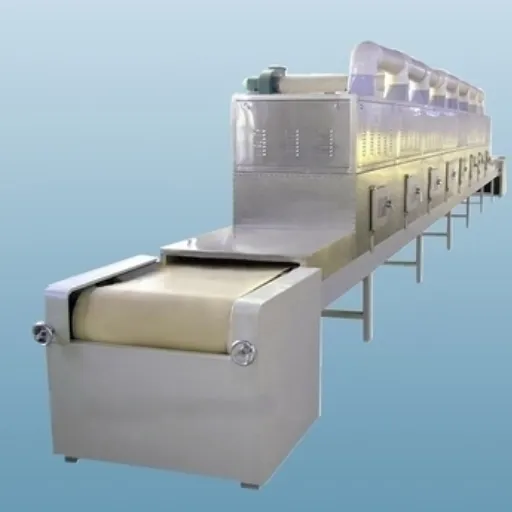
Microwave drying is often 10–15 times faster than hot-air drying for the same moisture removal. A batch that takes 12 hours in a tray dryer may finish in 60–90 minutes in a continuous microwave tunnel.
That speed translates directly into labor savings. You need fewer shifts to produce the same output, or you can produce more with the same staff. In one documented spice-processing case, daily throughput rose from 4 tons to 14 tons after switching to a continuous microwave line.
Waste, Yield, and Quality Premium
Hot-air drying can case-harden the surface of food, trap moisture inside, and degrade heat-sensitive nutrients. Microwave drying avoids much of that damage because heat is generated volumetrically.
NASAN reports 82–94% vitamin C retention with microwave drying versus 45–65% for hot air. Better color, flavor, and rehydration mean fewer rejected batches and, in some markets, a higher selling price. A 3–8% yield improvement is common, and in premium ingredient markets that can be worth more than the energy savings.
Mini-story: Maria’s snack plant
Maria runs a 24/7 puff-snack line outside Mexico City. Her gas-fired hot-air dryer took 90 minutes per batch and used two operators per shift. After installing a 60 kW continuous microwave dryer, batch time dropped to 18 minutes. One operator could manage the line because the PLC-controlled system adjusted power automatically. Energy cost per ton fell 38%, and product rejection due to over-drying dropped from 4% to under 1%. Her payback period was 16 months.
What Does Microwave Drying Equipment Cost?
Capital cost is the biggest barrier to microwave drying equipment ROI, but the range is wide. The right number depends on capacity, whether the system is batch or continuous, and whether you need vacuum capability.
Capital Cost Ranges
According to EnWave’s equipment guide, typical costs are:
| System Size | Approximate Cost | Best For |
|---|---|---|
| Entry / pilot systems | 150,000–150,000–300,000 | R&D, small batches, proof-of-concept |
| Mid-range production systems | 500,000–500,000–1.5 million | Medium-volume continuous lines |
| Large continuous lines | $3 million+ | High-volume food and ingredient plants |
Source: EnWave, Best Microwave Drying Equipment For Industrial Food Processing
Chinese-built tunnel microwave dryers for herbs, grains, and snacks can start below $50,000 for smaller units, but industrial food-grade continuous lines with full certifications, PLC controls, and service support usually fall in the ranges above.
Installation and Utilities
Installation, electrical upgrades, cooling water, and exhaust typically add 15–25% to the equipment price. A 100 kW microwave dryer needs a serious electrical feed and often a water-cooled magnetron system. If your plant lacks that infrastructure, the project cost rises.
Maintenance and Magnetron Life
The main wearing parts are the magnetrons that generate microwave power. Magnetron lifespan is typically 8,000–12,000 operating hours. Budget for scheduled replacement rather than waiting for failure. Vacuum pumps, seals, and conveyor belts also need routine maintenance, but overall moving parts are fewer than in a large hot-air system with burners, blowers, and ductwork.
NASAN estimates maintenance costs can be 40–60% lower than conventional thermal dryers over the equipment life.
Calculating Microwave Drying Equipment ROI
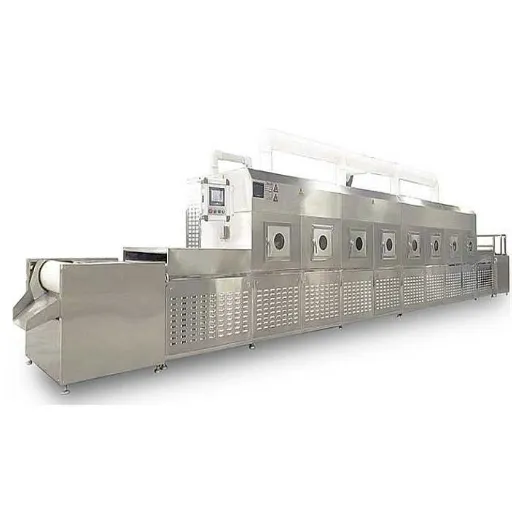
A good ROI model is specific to your product, current dryer, energy price, and operating hours. Here is a framework you can use.
Step-by-Step ROI Formula
- Calculate total installed cost: equipment + shipping + installation + electrical/water upgrades.
- Estimate annual energy savings: (current kWh or gas per kg water × annual kg water) minus (microwave kWh per kg × annual kg water) × energy price.
- Add labor savings: reduced operator hours × loaded hourly cost.
- Add waste/yield savings: reduced reject rate × annual production value.
- Add throughput premium: extra sellable output × margin per unit.
- Subtract extra maintenance: magnetron replacement reserve + service contracts.
- Divide total installed cost by net annual savings to get payback period.
Example: Snack Production Line
Imagine a snack manufacturer currently using a hot-air tunnel dryer. The plant removes 200 kg of water per hour and runs 5,000 hours per year.
- Current hot-air energy: 2.8 kWh/kg water removed
- Microwave energy: 1.2 kWh/kg water removed
- Electricity price: $0.10/kWh
- Annual water removed: 1,000,000 kg
Energy savings = (2.8 − 1.2) × 1,000,000 × 0.10=∗ 0.10= 160,000 per year
Labor savings from one fewer operator per shift = $55,000 per year
Waste reduction worth $30,000 per year
Total annual savings = $245,000
Payback Period and Five-Year TCO
NASAN published a five-year total-cost-of-ownership comparison for a 100 kW microwave line versus a hot-air tunnel. The model showed $382,000 in net savings and a 14–18 month payback when energy, labor, maintenance, and a modest quality premium were included.
Mini-story: The spice processor
A Midwestern spice processor replaced a 12-hour hot-air batch process with a 60 kW continuous microwave line. Throughput jumped from 4 tons per day to 14 tons per day. Energy cost per ton fell 52%. Product moisture uniformity improved so much that rework nearly disappeared. The company hit payback in 14 months and used the freed floor space to add a second packaging line.
ROI by Food Application
Not every product pays back at the same speed. The best microwave drying equipment ROI comes from applications where speed, energy, and quality all matter.
High-Throughput Snacks
Puffed snacks, chips, and extruded products often run continuously. A snack food production line paired with a continuous microwave dryer can cut drying time from hours to minutes. The higher the volume, the faster the energy and labor savings add up.
For potato chip and cracker operations, a potato chip production line with integrated drying can improve consistency and reduce oil absorption in downstream frying.
Instant Noodles and Pasta
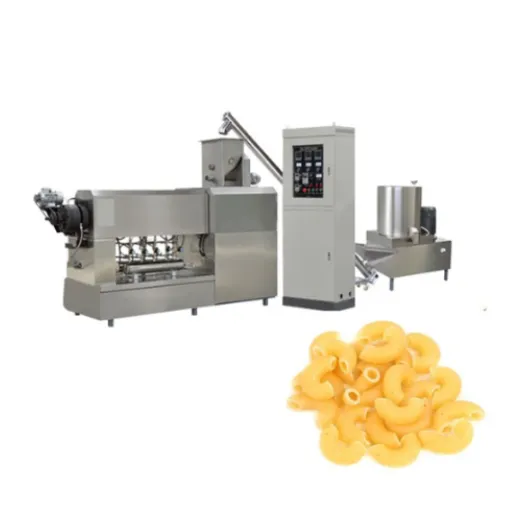
Microwave drying is well proven in pasta and instant noodle production. Loyal Microwave Dryer’s pasta guide reports capacity increases of 300–400% and utility savings starting around 26%. A noodle line that runs multiple shifts can see payback closer to the 18–24 month range because throughput gains are so large.
Heat-Sensitive Herbs, Spices, and Fruits
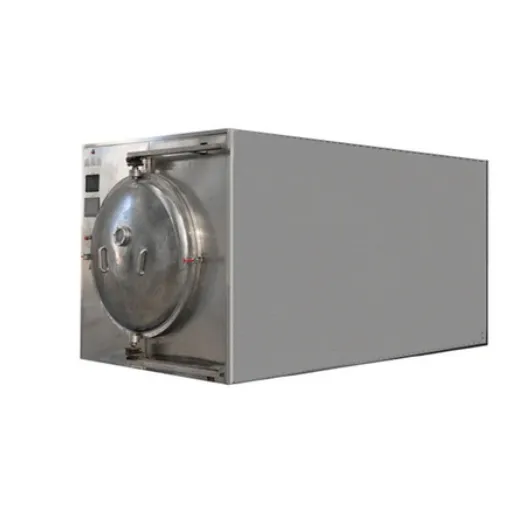
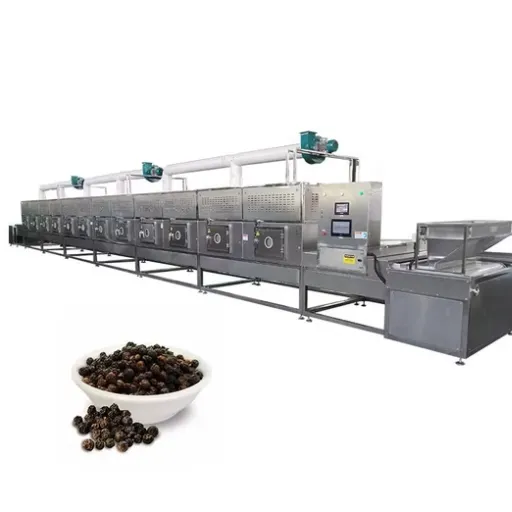
Herbs, tea leaves, and berries lose flavor, color, and bioactive compounds under high heat. Vacuum microwave drying lowers the boiling point, so you can dry at 30–50°C. The product sells at a premium, and the yield improvement often pays for the equipment faster than energy savings alone.
Key Factors That Determine Your Payback Period
Every plant is different. Use this checklist to estimate where you fall on the 12–30 month spectrum.
- Local energy prices: High electricity or gas prices make efficiency gains more valuable.
- Annual operating hours: A line running 24/7 captures savings faster than one running one shift.
- Current drying method: Switching from freeze drying or long hot-air cycles creates the biggest gap.
- Product value: Premium products capture higher yield and quality benefits.
- Moisture reduction needed: The more water you remove, the more kWh you save.
- Floor space value: Compact microwave systems can free space for additional production.
- Maintenance discipline: Planned magnetron replacement prevents costly downtime.
When Microwave Drying Delivers the Fastest ROI
You are likely to see payback at the shorter end of the range if:
- Your current dryer runs at least 4,000–6,000 hours per year.
- You pay above-average industrial electricity or gas rates.
- Your product is heat-sensitive and commands a quality premium.
- You are expanding output but lack floor space for a larger conventional dryer.
- Your current reject or rework rate is above 3%.
In these cases, microwave drying equipment ROI can drop below 18 months. If your operation is small-batch, low-margin, or only runs a few hours a week, the math is harder to justify.
Common ROI Mistakes to Avoid
Even a good technology can produce a bad return if the project is mismanaged. Watch out for these pitfalls.
Ignoring installation costs. Electrical feeds, cooling water, and exhaust upgrades can add 15–25% to the equipment price. Get a site survey early.
Overlooking magnetron replacement. Magnetrons are a real operating cost. Build a reserve of 0.005–0.005–0.015 per kg of dried product.
Sizing for peak, not average throughput. An oversized system wastes capital and may run inefficiently at partial load.
Skipping pilot testing. Microwave behavior depends on dielectric properties, density, and initial moisture. A one-day trial with your product prevents expensive surprises.
Forgetting the quality premium. If your market pays more for better color, flavor, or nutrition, include that in the model.
How to Get an Accurate ROI Estimate for Your Line
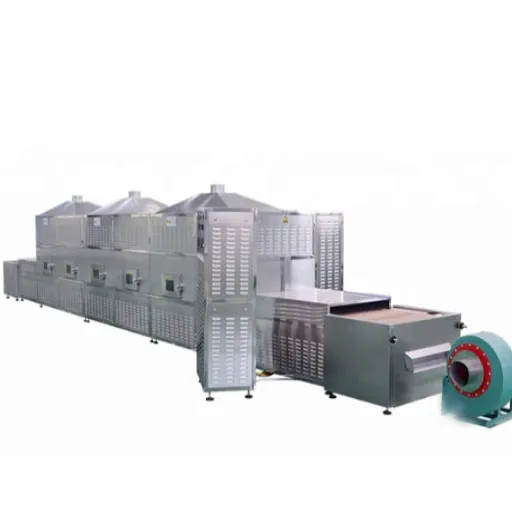
The safest way to validate microwave drying equipment ROI is to run a pilot trial with your actual product. Most suppliers, including Shandong Loyal, can test samples in a lab or pilot unit and provide moisture, color, and energy data.
To get an accurate quote and ROI model, share these details with your supplier:
- Product name and current moisture content
- Target final moisture content
- Required throughput in kg or tons per hour
- Current drying method and energy source
- Annual operating hours
- Local energy prices
- Available floor space and utilities
- Any quality specifications or certifications needed
With that information, an engineer can size the right industrial microwave oven or continuous tunnel and give you a defensible payback estimate.
Ready to see what microwave drying could save your plant? Request a custom ROI assessment from Shandong Loyal. We will review your product specs, recommend the right equipment configuration, and provide a payback estimate based on real energy and throughput data.
Conclusion
Microwave drying equipment ROI is not a vague promise. It is a measurable outcome built on lower energy use, faster throughput, less waste, and better product quality. For food manufacturers running high-volume or heat-sensitive lines, payback periods of 12–30 months are realistic. The key is to model the full picture, including installation, maintenance, and quality premiums, and to validate the numbers with a pilot trial.
If you are evaluating dryers for a snack, noodle, ingredient, or pet-food operation, start with your current cost per kilogram of water removed. Compare it to microwave benchmarks. Then talk to a supplier who can run your product and prove the savings before you commit.
Shandong Loyal has supplied food processing machines to more than 650 customers worldwide. Our engineering team can help you size the right microwave drying solution and build an ROI model that fits your real production numbers. Contact us today to get started.