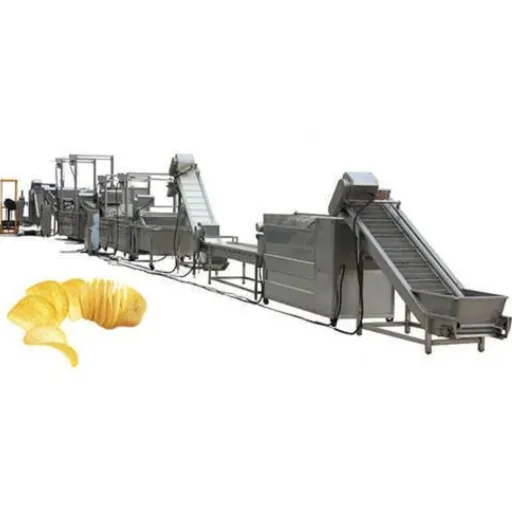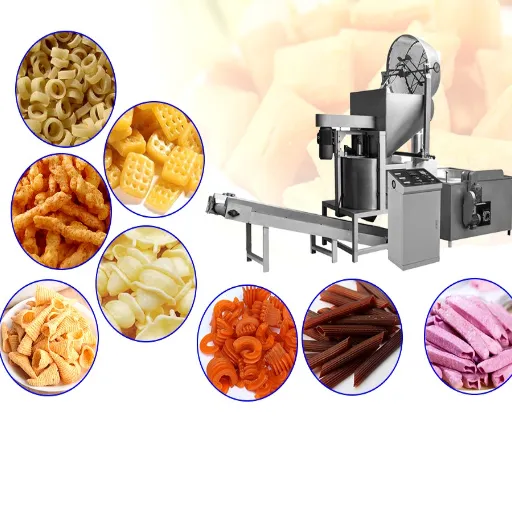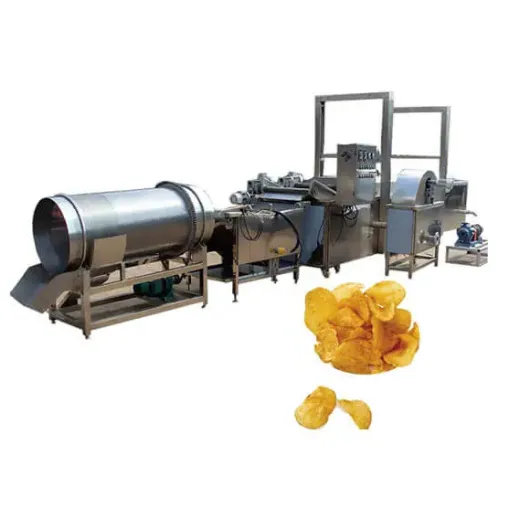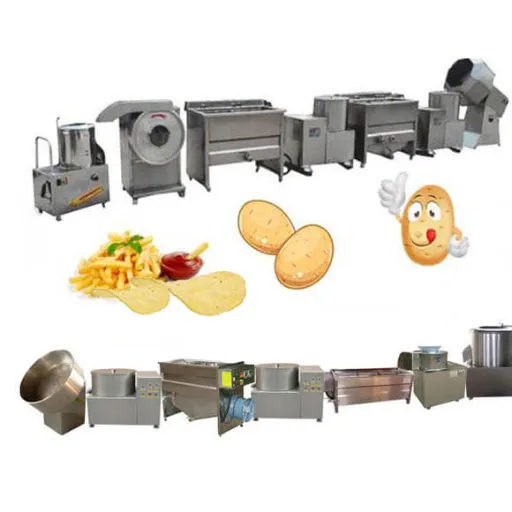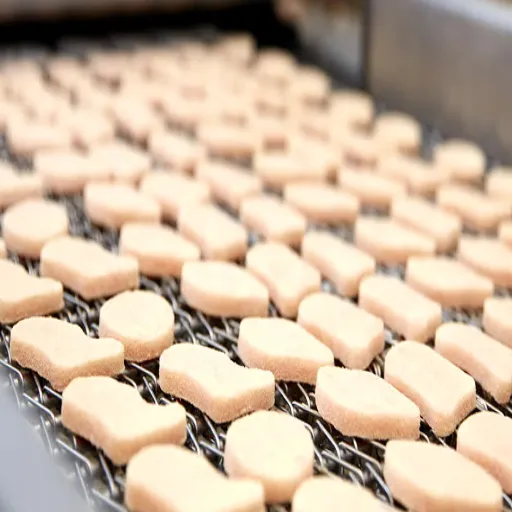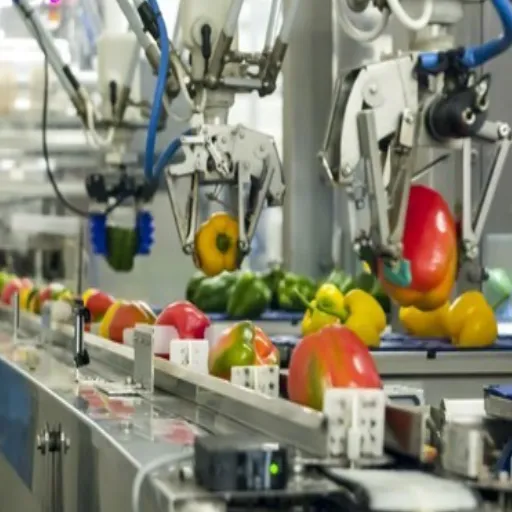
The top food processing automation trends for 2026 include AI-powered quality control, collaborative robots, digital twin technology, automated traceability systems, sustainability-driven equipment, modular production lines, and accessible automation for small and mid-sized manufacturers. Together, these trends represent the leading edge of food manufacturing automation, reshaping how plants operate worldwide.
The global food automation market is projected to reach between 14.3billionand14.3billionand18.1 billion this year. That is a staggering leap from just a few years ago. Yet many manufacturers still wonder which technologies deserve their attention and investment.
You are not alone if the pace of change feels overwhelming. Every week brings a new headline about robots in bakeries or AI predicting equipment failures before they happen. The challenge is separating genuine opportunities from marketing hype.
This article breaks down the seven most impactful food processing automation trends shaping the industry right now. From AI in food processing to collaborative robots in the food industry, these innovations are defining smart food manufacturing for the decade ahead. You will learn what each trend means, why it matters for your operation, and how to take practical steps toward adoption.
Key Takeaways
- AI-powered vision systems now detect defects with 98% accuracy, transforming quality control across food plants.
- The food robotics market is growing at 20.9% CAGR, with collaborative robots making automation accessible to mid-scale facilities.
- Digital twin technology reduces equipment commissioning time by approximately 25% through virtual simulation.
- Automated traceability systems cut recall response times from weeks to hours while ensuring FSMA 204 compliance.
- Smart automation reduces energy consumption by 20-30% and waste by up to 83% in specific applications.
- Modular production lines enable tool-less SKU changeovers in minutes, ideal for manufacturers serving diverse markets.
- Cobot leasing programs and plug-and-play sensors now make automation viable for small businesses with limited capital.
What Is Food Processing Automation?
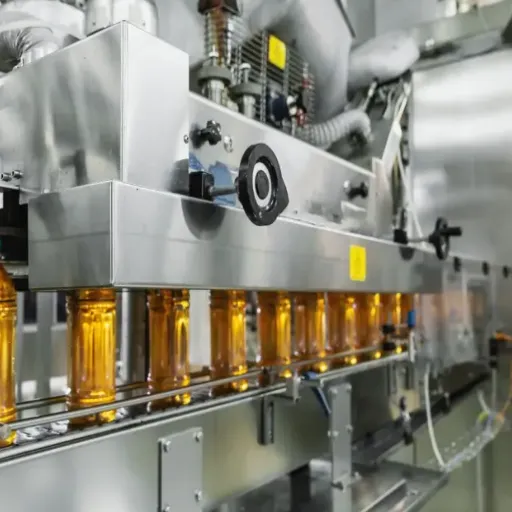
Food processing automation refers to the use of robotics, artificial intelligence, sensors, and software to perform production tasks with minimal human intervention. It spans everything from ingredient mixing and thermal processing to packaging, inspection, and palletizing.
Automation in the food industry has evolved dramatically. Early systems simply mechanized repetitive motions. Today’s solutions integrate machine learning, cloud analytics, and real-time sensor networks. A modern automated plant does not just run faster. It learns, adapts, and optimizes itself continuously.
This evolution matters because the food industry faces a perfect storm of challenges. Labor shortages persist worldwide. Consumers demand greater product variety. Regulators impose stricter traceability requirements. And sustainability pressures mount from every direction. These food processing automation trends address all of these simultaneously.
Want to explore how automation fits your current setup? Browse our complete range of food processing machines to see what is possible for your production goals.
Trend 1: AI in Food Processing and Machine Learning Take Center Stage
Artificial intelligence is no longer experimental in food manufacturing. In 2026, it has become the central brain of forward-thinking food plants.
Real-Time Quality Inspection
Traditional quality control relies on human inspectors watching products stream past on conveyors. It is tiring work, and fatigue leads to missed defects. Machine vision technology and AI-powered vision systems have changed the equation entirely.
Deep-learning algorithms now analyze high-resolution camera feeds in real time. They detect minute defects, contaminants, color variations, and labeling errors at speeds no human can match. Facilities deploying these systems report up to 80% reductions in quality defects. Some advanced installations achieve 98% accuracy in micro-defect detection.
When the team at a mid-size snack manufacturer in Vietnam installed AI inspection cameras on their extrusion line, they caught foreign particles that human inspectors had missed for months. Reject rates dropped 35% in the first quarter. Customer complaints fell to nearly zero.
Predictive Maintenance
Unexpected equipment failures cost food manufacturers millions in lost production. A single breakdown on a high-volume line can halt operations for hours or days.
Predictive maintenance uses IoT sensors to monitor vibration, temperature, thermal patterns, and mechanical wear continuously. Machine learning models analyze this data to forecast failures before they happen. Manufacturers can then schedule repairs during planned maintenance windows.
The results are significant. Predictive maintenance reduces unplanned downtime by 30-38%. It extends equipment lifespan and cuts maintenance technician dependency. Companies like Danone and Nestle already deploy these sensor networks across their global facilities.
Recipe Optimization and R&D Acceleration
AI is even speeding up product development. Generative AI can simulate ingredient combinations to optimize nutrition, cost, and taste simultaneously.
Mondelez International used AI-powered recipe generation across more than 70 products. Development time accelerated by 4-5x. Post-launch sales increased approximately 5.4%. What once took months now takes weeks.
For smaller manufacturers, this means the ability to compete with large brands on innovation speed. The barrier to rapid product iteration has never been lower.
Trend 2: Collaborative Robots in the Food Industry and Advanced Robotics
The food robotics market, valued at 3.28billionin2026,isprojectedtoreach3.28billionin2026,isprojectedtoreach14.95 billion by 2034. That represents a remarkable 20.9% compound annual growth rate. The technology driving this surge goes far beyond traditional industrial arms.
Hygienic, Wash-Down-Ready Robots
Food plants are hostile environments for machinery. High-pressure washdowns, temperature swings, and exposure to fats and acids destroy standard equipment.
New-generation food-grade robots feature IP69K-rated housings and corrosion-proof surfaces. They withstand the harsh cleaning protocols required in meat, dairy, and ready-to-eat facilities. Previously off-limits zones are now accessible to automation.
Cobots for Mid-Scale Facilities
Collaborative robots, or cobots, represent the biggest democratization of robotics in food manufacturing. Unlike traditional industrial robots caged away from humans, cobots work safely alongside operators.
They require no expensive safety infrastructure. They mount on tables, walls, or ceilings to save floor space. Programming is intuitive, often through tablet interfaces rather than complex code.
Cobots excel at sorting, packing, palletizing, and inspection. Their lower cost and flexibility make them ideal for mid-scale facilities and short production runs. A bakery in Poland deployed two cobots for cookie packaging and reallocated five workers to higher-value roles within the same quarter.
Adaptive Handling and AMRs
Modern robots adjust grip pressure and movement in real time. They handle delicate items like soft fruits and raw proteins without damage. This adaptive capability enables rapid changeovers between seasonal or niche products.
Autonomous Mobile Robots (AMRs) are also transforming warehousing and cold storage. They navigate dynamically without fixed tracks, reducing manual labor in high-intensity fulfillment environments.
Ready to integrate robotics into your production line? Explore our automatic food processing machines designed for seamless automation integration.
Trend 3: Smart Food Manufacturing and Industry 4.0 Food Processing
Industry 4.0 is not a buzzword anymore. It is the operational standard for competitive food manufacturing in 2026. This digital transformation in food processing connects every stage of production through intelligent systems.
Digital Twin Technology
A digital twin is a virtual replica of a physical production line. It mirrors real-world equipment behavior using data from IoT sensors.
Food manufacturers use digital twins to test operational adjustments digitally before risking real-world disruption. Want to increase line speed by 10%? Simulate it first. Considering a new thermal profile for your drying process? Test it virtually.
This approach reduces equipment commissioning time by approximately 25%. It also enables remote troubleshooting. Engineers can diagnose issues from anywhere in the world without stepping onto the plant floor.
IoT Sensor Networks and Edge Computing
Connected sensors now provide end-to-end visibility from raw materials to finished goods. This connected manufacturing approach creates a unified data layer across the entire facility. Temperature, humidity, pressure, flow rate, and vibration data stream continuously to centralized dashboards.
Edge computing brings decision-making closer to the equipment. Instead of sending all data to the cloud, smart sensors process information locally. This reduces latency for time-sensitive operations like portion control or emergency shutoffs.
Cloud-Based MES Platforms
Manufacturing Execution Systems (MES) have moved to the cloud. Modern platforms enable real-time monitoring of Overall Equipment Effectiveness (OEE), production scheduling, and quality metrics from any device.
For multi-plant operators, this means unified visibility across facilities. For smaller manufacturers, it means access to enterprise-grade analytics without enterprise-grade IT infrastructure.
Trend 4: Automated Food Safety and Digital Traceability
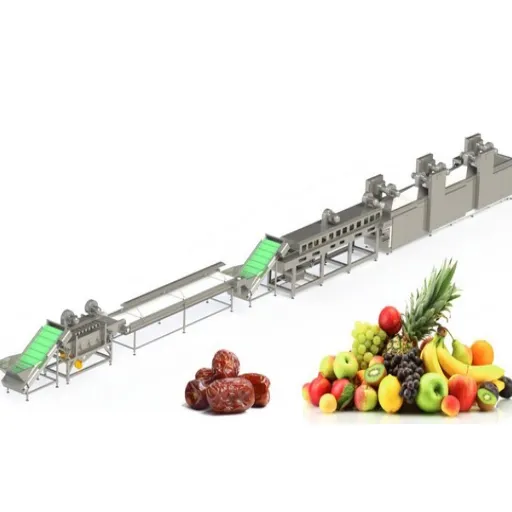
Food safety is non-negotiable. In 2026, automation is making compliance both stricter and easier to achieve.
End-to-End Traceability
Digital traceability captures standardized data from farm to fork. Ingredient lots, thermal treatments, operator actions, and discharge events are logged automatically.
This matters enormously for recall management. When a contamination issue arises, advanced systems trace high-risk SKUs within hours rather than days. This protects consumers and limits financial exposure.
FSMA 204 in the United States and similar regulations globally now mandate enhanced traceability. Automated systems ensure compliance without the burden of manual record-keeping.
Smart Sanitation and Automated CIP
Clean-in-Place (CIP) systems have grown smarter. Digital monitoring ensures consistent cleaning cycles. Advanced residue sensors detect biological contamination without disassembling equipment.
Automated valves and intelligent sensors reduce water and detergent consumption significantly. One cheese plant reduced chemical usage by 32% after installing inline optical sensors for phase separation monitoring.
Blockchain Integration
Some manufacturers are layering blockchain onto their traceability systems. This creates immutable records that build consumer trust and simplify supplier audits. While not yet universal, blockchain traceability is becoming a competitive differentiator in premium food categories.
Trend 5: Sustainable Processing and Sustainability-Driven Automation
Sustainability and automation are converging. Modern systems do more with less energy, less water, and less waste.
Energy Optimization
Smart controls, soft-start motors, and automatic load optimization reduce energy consumption by 20-30% compared to older equipment. Variable frequency drives match motor output to actual demand rather than running at full speed constantly.
For manufacturers in regions with high electricity costs, these savings compound quickly. A single production line running 16 hours daily can save thousands of dollars annually through intelligent automation.
Waste Reduction
Precision matters. Automated cutting systems with 3D vision minimize trim loss. Accurate sorting removes damaged produce early, before it enters expensive downstream processes.
The results can be dramatic. KUKA’s automated cheese cutting system achieved an 83% waste reduction. Return on investment was realized in under 18 months. Chef Robotics reported over 30% improvement in consistency and yield through AI-enabled depositing systems.
Water Conservation and Carbon Goals
Automated CIP systems optimize water and detergent use. Smart thermal processing reduces steam consumption. Industry projections suggest automation will enable approximately 20% reduction in carbon footprint per unit by 2027.
For sustainability-focused companies, this positions automation as both an operational and environmental investment.
Looking for energy-efficient equipment? Our industrial food processing equipment is designed to minimize energy consumption while maximizing output.
Trend 6: Modular Production and Flexible Production Lines for Food Processing
Consumer demand for variety is exploding. Private-label products, seasonal flavors, and regional preferences all require frequent production changeovers. Among food processing automation trends, modular automation solves this challenge better than any other approach.
Recipe-Based Changeovers
Modern production lines enable tool-less, recipe-based changeovers between SKUs. Operators select a product recipe on a touchscreen interface. The system automatically adjusts speeds, temperatures, portion sizes, and packaging formats.
What once required hours of manual adjustment now takes minutes. This flexibility is essential for co-packers and manufacturers serving multiple brands.
Scalable Systems
Interchangeable production modules allow manufacturers to expand capacity or adapt to new products without replacing entire machines. A snack producer might start with a single extruder and add a second module as demand grows.
This modularity protects capital investment. You buy what you need now and expand incrementally.
Compact Designs
Space is expensive. Compact, vertical-space-saving designs allow smaller facilities to achieve high throughput without expanding their footprint. This is particularly valuable in urban manufacturing centers where real estate costs are prohibitive.
Trend 7: Accessible Automation for SMEs
Automation is no longer the exclusive domain of multinational corporations. In 2026, small and mid-sized manufacturers have more entry points than ever.
Cobot Leasing and Subscription Models
Collaborative robot leasing programs now offer access at approximately 5perhour.Plug−and−playIIoTsensorplatformsareavailablethroughsubscriptionmodelsstartingunder5perhour.Plug−and−playIIoTsensorplatformsareavailablethroughsubscriptionmodelsstartingunder500 per month.
These financing models transform automation from a capital expense into an operational one. Small businesses can test ROI without committing hundreds of thousands of dollars upfront.
Phased Implementation
The smartest approach for SMEs is staged automation. Start with your biggest pain point. Prove return on investment. Then expand.
Typical payback timelines based on application:
| Application | ROI Timeline |
|---|---|
| Barcode-driven work orders and job routing | ~6 months |
| Vision systems for quality inspection | 8-12 months |
| Robotic palletizer with safety sensors | 9-15 months |
| Conveyor-linked pick-and-place cobots | ~12 months |
Caraway Tea Company, a small U.S. tea manufacturer, built custom automation using Arduino microcontrollers and modular components. They automated targeted steps like tea bag counting and portioning while maintaining hands-on oversight for blending and quality control. The result? They now compete effectively with large-scale manufacturers.
Government Incentives
Many regions offer grants, tax breaks, and subsidies for manufacturing modernization. Some programs reduce upfront automation costs by 30-50%. Local economic development offices are the best starting point for identifying available programs in your area.
How to Implement Food Processing Automation: A Practical Framework
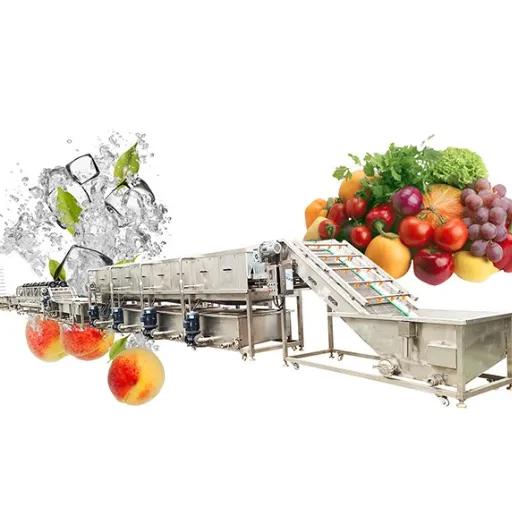
Knowing the food processing automation trends is valuable. Acting on them is what drives results. Here is a practical framework for moving from awareness to implementation.
Step 1: Audit Your Current Operations
Start with data. Identify your biggest pain points and cost drivers. Where do you lose the most time? Where does waste accumulate? Which processes depend most heavily on manual labor?
Map your current state before designing your future state.
Step 2: Set Clear Automation Goals
Define specific, measurable KPIs. These might include throughput targets, consistency benchmarks, labor cost reductions, or safety incident reductions. Without clear goals, you cannot evaluate success.
Step 3: Choose the Right Technology Partners
Equipment quality matters, but so does integration capability and after-sales support. Evaluate potential partners on three dimensions: technical competence, global service infrastructure, and willingness to customize.
A machine that performs perfectly in isolation but cannot communicate with your existing systems creates more problems than it solves.
Step 4: Plan for Workforce Transition
Automation changes jobs. It does not eliminate them entirely. Invest in upskilling programs that prepare your team for higher-value roles in monitoring, maintenance, and quality assurance.
Change management is as important as technology selection. Communicate the plan early. Involve operators in the design process. Celebrate quick wins.
Step 5: Start with a Pilot Project
Resist the urge to automate everything at once. Select one process for a pilot project. Prove the concept. Measure the results. Refine the approach.
Pilot projects build organizational confidence and generate the data you need to justify larger investments.
Step 6: Measure and Scale
Track performance metrics rigorously. Compare actual results to your original KPIs. Document lessons learned. Then expand strategically into adjacent processes.
The Future of Food Processing Automation: What Comes Next
The trends outlined above are not distant possibilities. They are happening now in plants around the world.
Looking ahead, several emerging technologies will shape the next wave of food processing automation. 3D food printing is moving from novelty to commercial viability for personalized nutrition. No-code robotics platforms are lowering technical barriers further. AI governance frameworks are emerging to ensure responsible deployment of autonomous systems.
The convergence of sustainability and automation will accelerate. Energy efficiency, waste reduction, and carbon footprint minimization will become standard features rather than premium options.
Manufacturers who embrace these trends today will define the competitive landscape of tomorrow. Those who wait risk being left behind by more agile competitors.
Frequently Asked Questions About Food Processing Automation Trends
What are the latest food processing automation trends?
The latest food processing automation trends include AI-powered quality control with 98% defect detection accuracy, collaborative robots for mid-scale facilities, digital twin technology for virtual production testing, automated traceability systems for FSMA 204 compliance, sustainability-driven equipment reducing energy use by 20-30%, modular production lines with tool-less changeovers, and accessible automation solutions for small and mid-sized manufacturers through leasing and subscription models.
How much does food processing automation cost?
Costs vary widely based on application and scale. Entry-level solutions like cobot leasing start at approximately 5perhour,whileplug−and−playIIoTsensorplatformsareavailableunder5perhour,whileplug−and−playIIoTsensorplatformsareavailableunder500 per month. Full production line automation requires significant capital investment but many manufacturers see ROI within 6-15 months depending on the application. Government incentives can reduce upfront costs by 30-50%.
What is the ROI of food processing automation?
ROI timelines vary by application. Barcode-driven work orders pay back in approximately 6 months. Vision systems for quality inspection achieve ROI in 8-12 months. Robotic palletizers deliver returns in 9-15 months. Conveyor-linked pick-and-place cobots typically pay back within 12 months. Energy savings and waste reduction further accelerate payback periods.
Can small food manufacturers afford automation?
Yes. Collaborative robot leasing programs, subscription-based IIoT sensors, and phased implementation approaches make automation accessible to small and mid-sized manufacturers. Companies like Caraway Tea Company prove that even small operations can build custom automation using modular components and compete effectively with large-scale producers.
What is Industry 4.0 in food manufacturing?
Industry 4.0 in food manufacturing refers to the integration of digital technologies including IoT sensors, cloud-based MES platforms, digital twins, AI analytics, and connected manufacturing networks. These technologies create intelligent, interconnected production environments that optimize themselves continuously, reducing downtime by 30-38% and improving Overall Equipment Effectiveness by up to 45%.
How does automation improve food safety compliance?
Automation improves food safety through automated traceability systems that capture standardized data from farm to fork, smart sanitation with digital CIP monitoring, AI-powered vision inspection detecting contaminants at 98% accuracy, and real-time anomaly detection that isolates quality deviations immediately. Advanced systems trace high-risk SKUs within hours rather than days, ensuring FSMA 204 compliance.
Conclusion
Food processing automation is evolving from simple mechanization into intelligent, interconnected ecosystems. The food processing automation trends outlined in this article show where the industry is heading in 2026 and beyond. The seven trends reshaping the industry are:
- AI and machine learning delivering unprecedented quality control and predictive capabilities
- Advanced robotics and cobots making automation accessible to facilities of every size
- Smart manufacturing and Industry 4.0 providing real-time visibility and optimization
- Automated traceability ensuring compliance and consumer safety
- Sustainability-driven systems reducing environmental impact while cutting costs
- Modular production lines enabling flexibility without massive capital investment
- Accessible solutions for SMEs democratizing the benefits of automation
Each of these trends offers a pathway to greater efficiency, consistency, and competitiveness. The question is not whether to automate. It is where to begin.
At Shandong Loyal Industrial Co., Ltd., we design modular food production line equipment that integrates these food manufacturing automation trends into practical, scalable solutions. From smart microwave drying systems with intelligent thermal controls to modular snack production lines with recipe-based changeovers, we help manufacturers at every stage of the automation journey.
Contact us today to discuss how our tailored automation solutions can transform your production line. Your next level of efficiency is closer than you think.