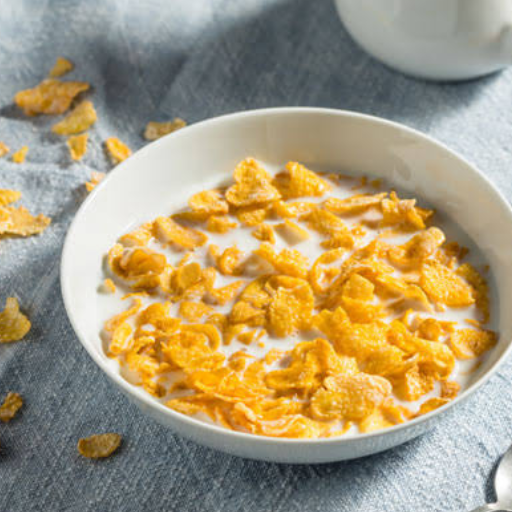
Corn flakes coating and flavoring is the finishing stage that turns plain toasted flakes into the frosted, honey, chocolate, or vitamin-fortified cereals consumers buy every morning. In an industrial line, this step uses a rotary coating drum, heated sugar syrup, and precision spray nozzles to apply a thin, even layer of flavor before a final drying pass locks in crunch and shelf stability.
But here’s the challenge most plant managers face: a poorly configured coating system creates sticky clumps, soggy flakes, and uneven flavor distribution. One bad batch can waste raw materials, slow packaging, and damage a brand’s reputation on the shelf.
The good news? When you understand the process, equipment options, and quality-control checkpoints, you can run a coating line that delivers consistent results shift after shift. In this guide, you’ll learn exactly how industrial corn flakes coating and flavoring works, which machine configuration fits your product goals, and what specs to look for when sourcing equipment.
Key Takeaways
- Corn flakes coating and flavoring is the final value-adding step that defines taste, texture, and product differentiation in breakfast cereal manufacturing.
- The standard industrial process includes pre-drying flakes to ~2–3% moisture, spraying heated sugar syrup at ~70°Brix in a rotary drum, then drying at 140–180°C to a final moisture near 2%.
- Single-drum coaters suit simple sugar or oil applications; double-drum systems handle multi-layer coatings like oil plus seasoning powder.
- Common line capacities range from 100–120 kg/h for small plants to 300–500 kg/h for large industrial operations.
- Shandong Loyal Industrial Co., Ltd. supplies integrated corn flakes coating and flavoring modules built from food-grade SUS304, with customization for sugar, honey, chocolate, malt, and fortified coatings.
What Is Corn Flakes Coating and Flavoring?
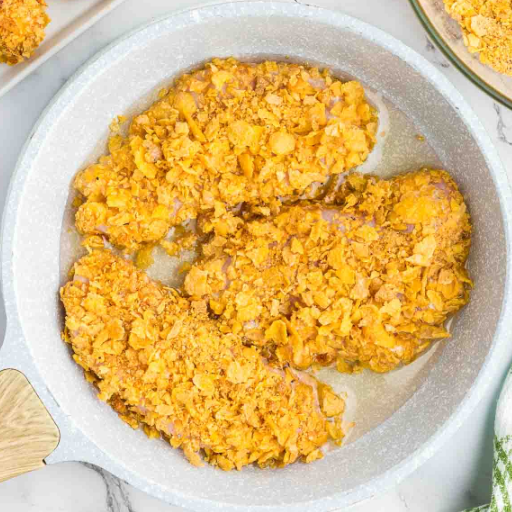
Corn flakes coating and flavoring is the process of applying liquid, powder, or slurry additives to toasted corn flakes to improve taste, appearance, and nutritional value. In a typical breakfast cereal production line, it sits between the toasting oven and the final dryer, making it one of the most important steps for product differentiation.
Manufacturers use this stage to create product variety without changing the core flake. The same base corn flake can become frosted flakes with a sugar glaze, honey flakes with a light syrup coating, chocolate-flavored children’s cereal, or a vitamin-fortified health option. Some producers even apply savory seasonings to position corn flakes as snack-style products.
The goal is always the same: uniform coverage, controlled moisture, and a stable finished product. Achieve that, and your cereal stays crisp in the box. Miss it, and you get sticky clusters, off-flavors, or a shorter shelf life.
Maria, a production supervisor at a cereal plant in Southeast Asia, learned this the hard way. Her team was hand-dusting sugar onto flakes after cooling. The result was inconsistent sweetness, visible white patches, and customer complaints about “powdery” cereal. After switching to an automated syrup-spray drum, her coating uniformity improved by roughly 30%, and labor hours on that station dropped by half.
How the Industrial Corn Flakes Coating and Flavoring Process Works
The industrial corn flakes coating and flavoring process follows a clear sequence. Each stage depends on the one before it, so control at every step matters.
Step 1: Pre-Coating Preparation
Before coating, flakes must be properly cooked, flaked, dried, and toasted. Moisture content at this point is typically reduced to 2–3%. This low moisture is critical. If flakes enter the coater too damp, the syrup will soak in instead of sitting on the surface, and the final product will lose its crunch.
Pre-drying also helps the coating adhere evenly. Hot, dry flakes create a surface that accepts syrup quickly and allows much of the water to flash off during application.
Step 2: Syrup or Flavor Preparation
For sugar-coated or frosted flakes, manufacturers prepare a sugar syrup usually around 70°Brix. The syrup may include sucrose, glucose, malt extract, honey, salt, flavorings, or colorants depending on the target product. Getting this step right is the foundation of a reliable sugar syrup coating for corn flakes.
Furthermore, the syrup is kept hot in an insulated tank, often with heating and stirring, to prevent crystallization and keep viscosity stable. Some systems use a separate mixing tank and storage tank connected by a peristaltic pump so operators can prepare the next batch while the current one runs.
Powder flavors, such as cocoa, cheese powder, or seasoning blends, are loaded into a separate dosing system when a double-drum coater is used.
Step 3: Coating Application
The toasted flakes enter a rotary coating drum that slowly tumbles them. Inside the drum, atomizing nozzles spray the hot syrup in a fine mist across the moving flake bed. The tumbling action distributes the coating evenly without breaking the flakes.
Some coaters use a single drum for one coating type. Others use a double-drum arrangement: the first drum applies oil or syrup, and the second drum applies a dry powder or seasoning. This is common for products that need both a binder and a flavored dusting.
According to Thayer Scale, weigh belts and feeders are often installed before and after the coater to maintain precise ratios of flakes to coating. This control is what separates a professional line from a makeshift setup.
Step 4: Drying or Curing
After coating, the flakes pass through a final dryer or oven. Temperatures typically range from 140°C to 180°C. This step sets the glaze, evaporates residual moisture, and creates the familiar crunchy texture of frosted or flavored cereals.
Final moisture is brought back down to approximately 2%. Any higher, and the product becomes vulnerable to mold and texture loss during storage.
Energy efficiency matters here. Therefore, pairing the coating line with an energy-efficient microwave drying machine can reduce drying time and cut operating costs compared with conventional hot-air ovens.
Step 5: Cooling and Packaging
Once dried, the flakes are cooled to near room temperature on a cooling conveyor. Cooling stabilizes the coating and prevents condensation inside the package. Finally, the product is packed in moisture-proof bags or boxes to maintain crispness until it reaches the consumer.
Types of Corn Flakes Coating and Flavoring Machines
Choosing the right corn flakes coating machine depends on your product range, production volume, and budget. Here are the main types of breakfast cereal flavoring equipment used in the industry.
Single-Drum Flavoring Machine
A single-drum coater applies one coating, usually oil, syrup, or a seasoning slurry, as the flakes tumble through the drum. This design is simple, cost-effective, and easy to clean. It works well for standard frosted flakes or lightly flavored cereals, and it is a common entry-level cereal coating drum machine for small plants.
Best for: Small to mid-sized plants, single-product lines, and simple sugar or oil coatings.
Double-Drum Flavoring Machine
A double-drum system uses two connected drums. The first applies a liquid base such as oil or sugar syrup, and the second adds a dry powder such as cocoa, honey powder, cheese seasoning, or vitamin mix. This setup is ideal for products that need layered flavors or multiple textures, making it a flexible industrial corn flakes flavoring system.
Best for: Multi-product plants, snack-style cereals, and complex flavor profiles.
Sugar Syrup Spraying System
This is the heart of most frosted-flake operations. It includes a heated sugar-melting tank, a storage tank, a pump, and spray nozzles that atomize the syrup inside the coating drum. Advanced systems use imported nozzles and PID temperature control to keep syrup viscosity consistent.
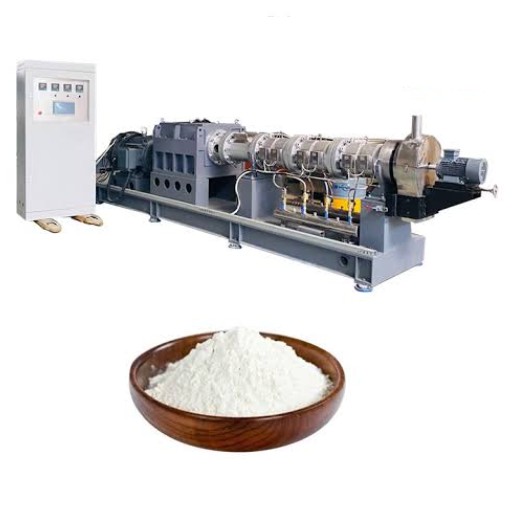
The LTSUC syrup coating machine, for example, uses a double-layer rotary drum with no dead angles, a 70-liter sugar tank, and full SUS304 construction. Specifications like these are typical for mid-sized cereal lines.
Fluidized Bed Coater
Instead of tumbling flakes in a drum, a fluidized bed coater suspends them in a stream of hot air while applying the coating. This method causes less mechanical damage and is useful for delicate or thin flakes that might break in a rotary drum.
Best for: Premium cereals, thin flakes, and products where breakage must be minimized.
Equipment Comparison at a Glance
| Machine Type | Best Use Case | Capacity Range | Key Advantage |
|---|---|---|---|
| Single-drum coater | Standard frosted flakes, oil coating | 100–500 kg/h | Lower cost, simpler cleaning |
| Double-drum coater | Multi-layer coatings, snack cereals | 150–500 kg/h | Flexible flavor layering |
| Syrup spray system | Frosted flakes, honey glaze | 100–500 kg/h | Precise sugar application |
| Fluidized bed coater | Delicate or premium flakes | 100–400 kg/h | Minimal flake breakage |
When selecting equipment, match the coater capacity to your upstream extruder and flaker output. A coater that is too small creates a bottleneck; one that is too large wastes energy and can over-process delicate flakes.
Key Specifications and Production Capacities
Industrial corn flakes coating and flavoring lines come in a range of sizes. Here are typical specs you will see when comparing equipment.
A standalone syrup coating machine might offer:
- Power: ~20 kW
- Sugar tank volume: 70 L
- Dimensions: approximately 5,000 × 3,000 × 2,400 mm
- Material: food-grade SUS304 stainless steel
- Control: variable frequency drive (VFD) for drum speed, temperature control for syrup tank
Full production lines are usually grouped by capacity:
| Model Size | Output | Installed Power | Typical Dimensions |
|---|---|---|---|
| Small | 100–120 kg/h | 130 kW | 38 × 1.2 × 2.2 m |
| Medium | 200–240 kg/h | 150 kW | 41 × 1.5 × 2.2 m |
| Large | 300–500 kg/h | 180 kW | 43 × 3.5 × 4.3 m |
These numbers are guidelines. Actual output depends on flake thickness, coating type, and local utility conditions. Always ask your supplier for a layout drawing and utility list based on your specific recipe.
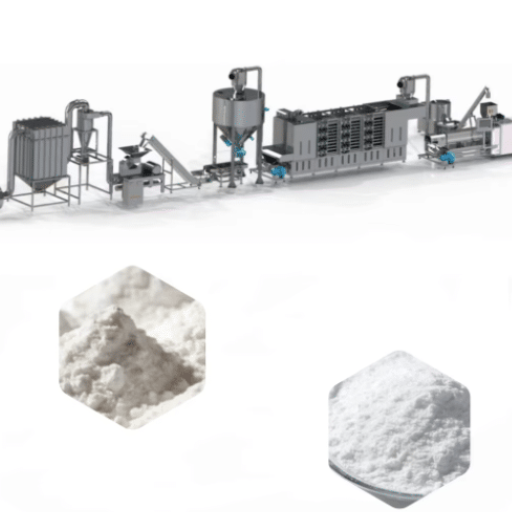
Want to see how a complete line fits together? Explore our full corn flakes production line to review extruder, flaker, dryer, and coating module configurations side by side.
Common Corn Flakes Coating and Flavoring Applications
The same base corn flake can support a surprising range of finished products. Here are the most common corn flakes coating and flavoring applications used in industrial breakfast cereal production.
Sugar and Honey Glaze
Frosted flakes are the classic example. A sugar syrup coating creates a shiny, sweet surface that stays crisp in milk. Honey coatings use a lighter syrup or honey-glaze mixture for a more subtle sweetness and a “natural” label appeal.
Coating ratios for pre-sweetened cereals can range from 100:20 to 100:50 (base to coating) by weight, depending on how sweet the final product should be. Some frosted cereals reach up to 35% sugar content after coating.
Chocolate Coating
Chocolate-flavored corn flakes are popular in children’s cereals. A cocoa-based syrup or powder is applied in the coating drum, often followed by a light sugar seal. Double-drum systems work well here because the first drum can apply a cocoa-oil slurry and the second can dust on cocoa powder for a stronger flavor.
Malt Flavoring
Traditional corn flakes sometimes use malt extract or malt syrup to add a mild, toasted flavor and a golden color. Malt coatings also help reduce the amount of refined sugar while still delivering a recognizable breakfast-cereal taste.
Vitamin and Mineral Fortification
Health-focused brands add vitamin slurries or mineral powders during the coating stage. This approach distributes nutrients evenly across the flake surface and avoids the cost of a separate fortification process. Precise dosing equipment is essential to meet label claims and regulatory requirements.
Savory Seasonings
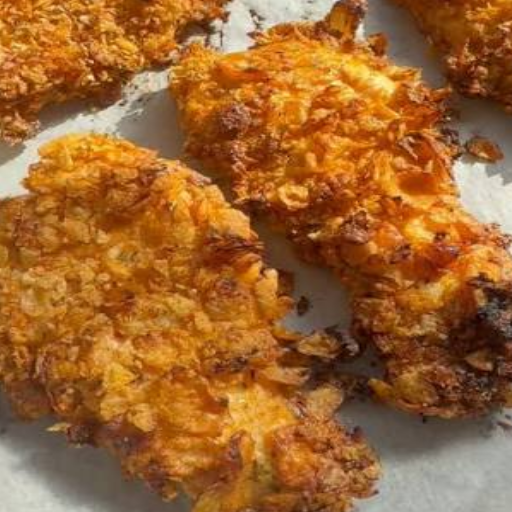
Corn flakes are not limited to breakfast. In some markets, they are coated with cheese, barbecue, or spicy seasonings and sold as snack products. This application often uses the same coating drum technology found in snack food production lines, making it a versatile extension of your corn flakes coating and flavoring capabilities.
Quality Control and Troubleshooting Tips
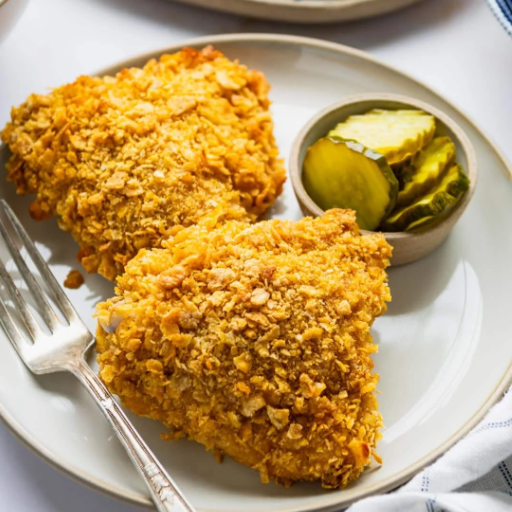
Even a well-designed corn flakes coating and flavoring line needs careful operation. Here are the most common quality issues and how to prevent them.
Uneven Coating
Uneven coverage usually comes from inconsistent syrup temperature, clogged nozzles, or uneven flake flow into the drum. Check that the syrup tank is holding temperature, nozzles are atomizing properly, and the feed rate is steady.
Clumping or Sticking
Clumps form when flakes are too moist going into the coater or when the syrup cools before drying. Pre-dry flakes to the target moisture and keep the syrup tank insulated and heated.
Broken Flakes
Excessive tumbling speed or a drum that is too large for the batch can break flakes. Reduce drum RPM or consider a fluidized bed coater for fragile products.
Nozzle Blockage
Sugar syrup can crystallize in nozzles if temperature drops. Use hot-water-jacketed nozzles or run a cleaning cycle between batches. Regular preventive maintenance keeps downtime low.
Moisture Regain
If the final dryer does not remove enough moisture, the product will soften in storage. Monitor final moisture with an inline sensor and adjust dryer temperature or residence time as needed.
Ahmad, a plant engineer in the Middle East, noticed that his honey-flavored flakes were losing crunch within two weeks of packaging. After testing, he found the final dryer was running 15°C below specification. Raising the temperature back into the 140–180°C range solved the problem and extended shelf life by several months.
How to Choose the Right Corn Flakes Coating System
Selecting the right corn flakes coating and flavoring system means balancing product goals, production scale, and operating constraints. Ask these questions before you buy.
- What products will you run? A single-product frosted-flake line can use a simple syrup coater. A multi-SKU plant needs a flexible double-drum or modular system.
- What is your target capacity? Match the coater to your extruder and dryer output. Common ranges are 100–120 kg/h, 200–240 kg/h, and 300–500 kg/h.
- What coatings do you need? Sugar, honey, chocolate, malt, and savory seasonings each have different viscosity and temperature requirements.
- How often will you change recipes? If you switch flavors frequently, look for quick-clean designs, removable nozzles, and easy-access drums.
- What support does the supplier offer? Installation, commissioning, operator training, and spare parts availability affect long-term success more than the initial price.
For most manufacturers, the best approach is to source the coating module as part of an integrated industrial food processing equipment package. This ensures every section of the line, from extrusion to packaging, is sized and controlled as one system.
Ready to configure a line for your plant? Contact our team for a tailored recommendation based on your recipe, capacity target, and budget.
Why Shandong Loyal Industrial Co., Ltd. for Corn Flakes Coating Lines
Shandong Loyal Industrial Co., Ltd. designs and builds complete corn flakes coating and flavoring production lines with integrated coating and flavoring modules. Our equipment is manufactured from food-grade SUS304 stainless steel and engineered for reliable, continuous operation.
What sets us apart:
- Customizable coating options: Sugar syrup, honey, chocolate, malt, vitamin slurry, and savory seasoning systems.
- Integrated line design: Coating modules matched to extruder, flaker, dryer, and cooling conveyor for smooth material flow.
- Energy-efficient drying: Optional microwave drying and advanced hot-air systems to reduce operating costs.
- Global support: On-site installation, operator training, and spare parts service for customers worldwide.
- Proven experience: Trusted by more than 650 customers across snack, cereal, pet food, and pasta production.
Whether you are launching a new breakfast cereal SKU or upgrading an existing line, we provide the engineering expertise and equipment reliability you need to compete.
Conclusion
Corn flakes coating and flavoring is the step that transforms a plain flake into a product consumers recognize, enjoy, and buy again. The process is straightforward, pre-dry, apply coating, dry, cool, and package, but success depends on precise control of moisture, temperature, and equipment selection.
The key takeaways are clear:
- Keep flake moisture low before coating.
- Use heated syrup systems around 70°Brix for consistent sugar coatings.
- Choose single-drum coaters for simple applications and double-drum systems for layered flavors.
- Match coater capacity to your full production line.
- Monitor final moisture and dryer temperature to protect shelf life.
With the right corn flakes coating and flavoring system, you can launch new products faster, reduce waste, and build a reputation for quality in a growing global market.
Get started today. Contact Shandong Loyal Industrial Co., Ltd. to discuss your corn flakes production goals and request a customized coating line proposal.