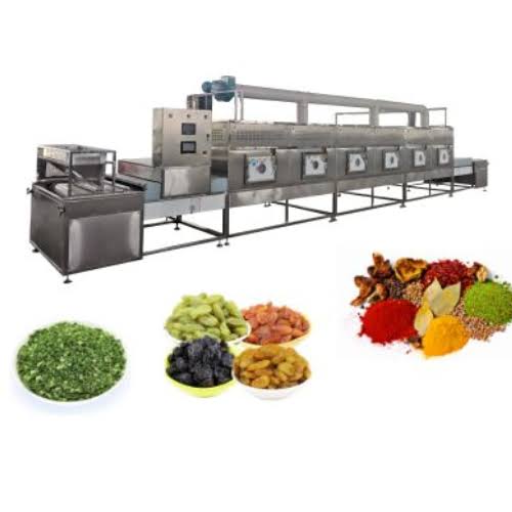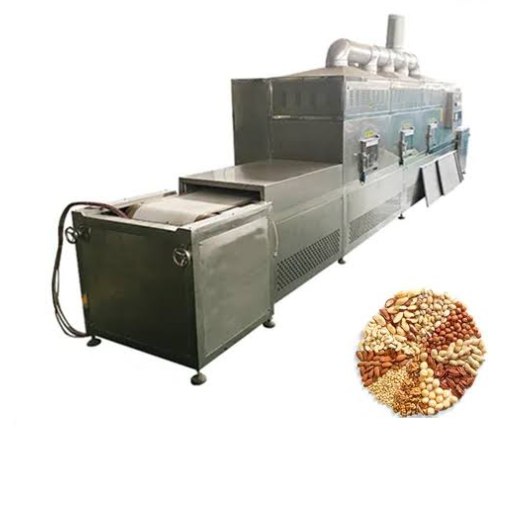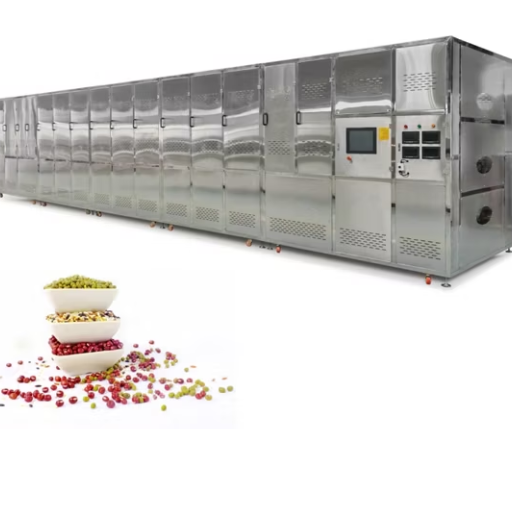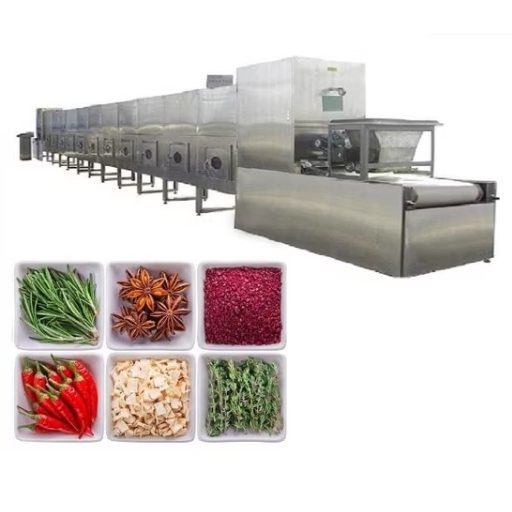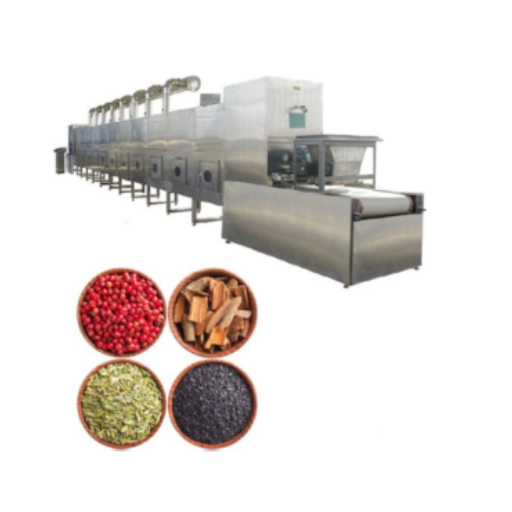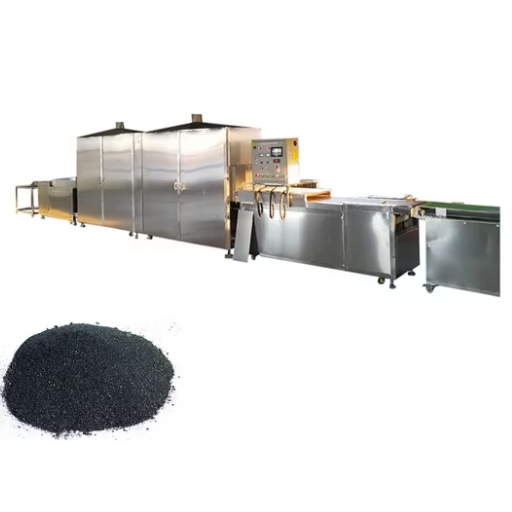
Microwave sterilization uses electromagnetic energy to heat food volumetrically and kill microbes in minutes with no chemical residues. Chemical sterilization uses antimicrobial agents such as ethylene oxide, hydrogen peroxide, or peracetic acid, often at low temperatures, but it can leave residues and faces tightening regulations. For many food manufacturers, the choice between these methods depends on product type, moisture content, packaging, export market rules, and total cost of ownership.
What if the sterilization method you choose today determines whether your product reaches European shelves next year? In 2024 alone, the EU flagged hundreds of spice shipments for illegal ethylene oxide residues. Meanwhile, a Vietnamese chili-powder exporter cut sterilization cycle time from 75 minutes to 22 minutes by switching to continuous microwave sterilization. These are not isolated stories. They are signals that microwave sterilization vs chemical sterilization is no longer just a technical debate. It is a business strategy question.
You already know that food safety and shelf stability are non-negotiable. This guide goes one step further. You will learn exactly how each method works, when one outperforms the other, what regulators in the EU and U.S. expect, and how to calculate the real return on investment for your facility.
Key Takeaways
- Microwave sterilization heats food internally through dielectric heating, typically in 3–15 minutes, with no chemical residues.
- Chemical sterilization uses agents like ethylene oxide (EtO), hydrogen peroxide, or peracetic acid, and is often chosen for packaging, surfaces, or heat-sensitive products.
- The EU banned EtO for food sterilization in 2011 and has issued 900+ RASFF notifications by early 2025, creating export urgency for spice and herb processors.
- Industrial microwave sterilizers can cut energy use by 30–50% and water use by over 90% compared with steam retort systems, with typical payback in 18–26 months.
- The best method depends on product moisture, packaging format, target market regulations, and whether clean-label positioning matters for your brand.
Want to see how industrial microwave equipment fits your product line? Explore our microwave drying and sterilization solutions →
What Is Microwave Sterilization?
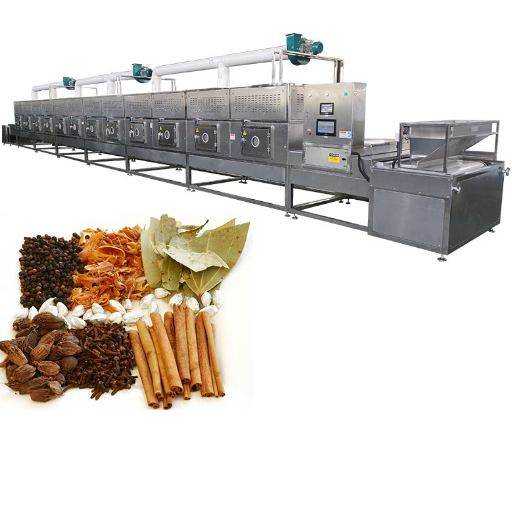
Microwave sterilization is a physical process that uses electromagnetic waves to generate heat inside food. The most common industrial frequencies are 915 MHz for deeper penetration in dense products and 2450 MHz for smaller items or faster surface heating. Water molecules and other polar compounds in the food oscillate in the alternating electromagnetic field. This internal friction produces heat throughout the product rather than only at the surface.
The result is volumetric heating. Unlike a retort, where heat must conduct from the outside inward, microwave energy reaches internal cold zones faster. That means shorter process times, lower peak temperatures in many cases, and better retention of color, flavor, texture, and nutrients. According to research published in PMC, microwave sterilization is primarily a thermal process. The non-thermal microbial effects sometimes proposed remain scientifically unconvincing.
For food processors, the practical distinction matters. Microwave systems do not add chemicals to the product. They rely on controlled heat to achieve commercial sterility. Target temperatures usually fall between 70°C and 130°C, with pressurized Microwave-Assisted Thermal Sterilization (MATS) systems reaching around 121°C to destroy heat-resistant spores.
How MATS and MAPS Work
Microwave-Assisted Thermal Sterilization (MATS) combines 915 MHz microwave heating with pressurized hot water immersion. Developed at Washington State University and licensed to 915 Labs, MATS was the first microwave sterilization system accepted by the U.S. FDA for specific low-acid canned foods. It uses a preheating stage, a microwave heating stage under pressure, and a cooling stage to produce shelf-stable meals with fresh-like quality.
Microwave-Assisted Pasteurization Systems (MAPS) operate at lower temperatures, typically 70–90°C, to extend refrigerated shelf life without full commercial sterility. MAPS is ideal for ready-to-eat meals, chilled pasta dishes, and fresh prepared foods that need 8–12 weeks of refrigerated distribution.
Common food applications for microwave sterilization include:
- Spices, herbs, and seasonings
- Powdered ingredients such as protein powder, spirulina, and medicinal granules
- Ready-to-eat meals in pouches or trays
- Nuts, grains, seeds, and dried fruits
- Bottled sauces, ketchup, and condiments
- Tea, baby food, and pet food ingredients
At Shandong Loyal, our microwave drying technology supports both drying and sterilization in a single continuous tunnel. This dual function reduces footprint and handling for processors who need both operations.
What Is Chemical Sterilization?
Chemical sterilization uses antimicrobial agents to destroy or inactivate microorganisms. In food processing, it is most often applied to packaging materials, equipment surfaces, water, and certain dry or heat-sensitive products. The agents work by disrupting cell membranes, denaturing proteins, oxidizing cellular components, or alkylating genetic material.
The most common chemical sterilants in food processing are:
- Ethylene oxide (EtO): A gas used historically for spices, herbs, and some low-moisture foods. It alkylates microbial DNA and proteins. However, it is toxic, carcinogenic, and flammable.
- Hydrogen peroxide (H₂O₂): The most widely used chemical sterilant for aseptic food packaging. It breaks down into water and oxygen, leaving minimal residue when applied correctly.
- Peracetic acid (PAA): A strong oxidizer often used for equipment and surface disinfection, sometimes combined with hydrogen peroxide.
- Ozone: A gas used for water treatment, air disinfection, and some surface applications.
- Chlorine compounds: Common in water treatment and plant sanitation programs.
Chemical sterilization is valuable when heat would damage the product or packaging. For example, aseptic carton filling lines sterilize packaging with hydrogen peroxide vapor at low temperatures before filling with UHT milk or juice. This allows lightweight packaging that could not survive retort temperatures.
However, chemical methods carry residue, worker safety, and regulatory risks. EtO leaves behind 2-chloroethanol (2-CE), a stable toxic metabolite. Hydrogen peroxide can degrade sensitive vitamins such as ascorbic acid if residuals are not controlled. Peracetic acid vapors are irritating and can impart vinegar-like off-flavors. These limitations are why the comparison of microwave sterilization vs chemical sterilization has become urgent for many exporters.
Microwave Sterilization vs Chemical Sterilization: Head-to-Head Comparison
The table below summarizes the practical differences food manufacturers care about most.
| Factor | Microwave Sterilization | Chemical Sterilization |
|---|---|---|
| Mechanism | Electromagnetic dielectric heating | Antimicrobial chemical reaction |
| Processing speed | 3–15 minutes | 4–12 hours for EtO; seconds–minutes for H₂O₂ on packaging |
| Temperature | 70–130°C; MATS reaches ~121°C | Usually ambient to 60°C |
| Heating depth | Volumetric (internal) | Surface or limited penetration |
| Chemical residues | None | Possible; tightly regulated |
| Food quality impact | Better color, flavor, nutrient retention | Can alter taste/odor or strip volatile oils |
| Energy use | 0.3–0.6 kWh/kg | Variable; EtO cycles are energy-intensive |
| Water use | Very low | Moderate to high for rinsing/aeration |
| Capital cost | Higher initial equipment investment | Lower for simple systems; high for containment |
| Best applications | Spices, powders, RTE meals, nuts, grains, sauces | Packaging, surfaces, heat-sensitive items, some dry foods |
| Worker safety | No toxic chemicals; shielding required | Strict ventilation and PPE requirements |
This comparison reveals a clear pattern. Microwave sterilization excels when speed, energy efficiency, residue-free processing, and product quality are priorities. Chemical sterilization remains useful when low temperature, surface treatment, or packaging compatibility is the deciding factor.
For processors evaluating microwave sterilization vs chemical sterilization, the next two sections will help you match each method to your specific products.
When to Choose Microwave Sterilization
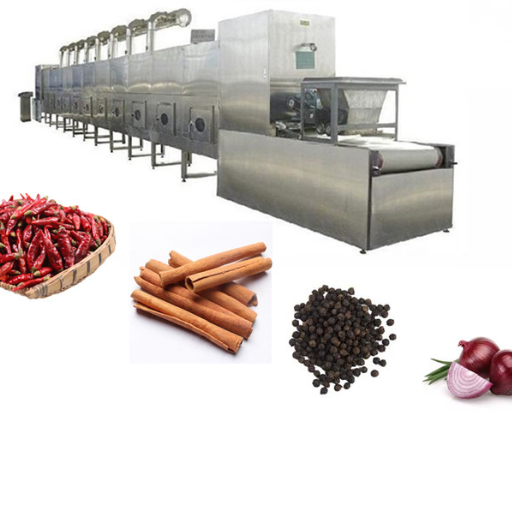
Microwave sterilization is the better fit when your product has adequate moisture, you need fast throughput, and you want to avoid chemical residues. It is particularly strong for products where flavor, color, and volatile compounds drive value.
Ideal Scenarios for Microwave Sterilization
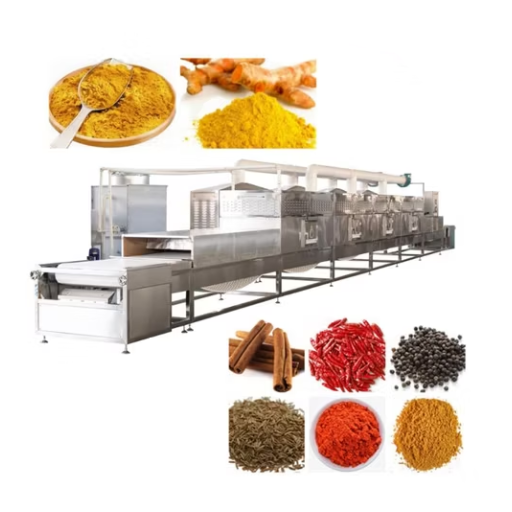
- Spices and seasonings: Chili powder, black pepper, cumin, and paprika retain volatile oils better than with steam or chemical treatment. The Vietnamese exporter mentioned earlier improved volatile oil retention by 34% after switching from retort to microwave sterilization.
- Powdered ingredients: Protein powders, spirulina, medicinal granules, and baby food powders benefit from rapid, uniform heating without moisture reintroduction.
- Ready-to-eat meals: MATS enables shelf-stable meals with fresher texture and lower sodium because shorter heat exposure reduces the need for salt and preservatives.
- Nuts, grains, and seeds: Continuous tunnel systems can sterilize these products while preserving crunch and natural flavor.
- Sauces and condiments: Bottled ketchup, sauces, and condiments can be sterilized in-pack with microwave systems.
Key Benefits
- Speed: Cycles measured in minutes rather than hours.
- Energy efficiency: Direct volumetric heating reduces wasted energy.
- No chemical residues: Supports clean-label and organic positioning.
- Better quality retention: Shorter heat exposure preserves sensory and nutritional properties.
- Lower water use: Microwave systems use minimal water compared with steam retorts.
Limitations to Consider
- Moisture dependency: Products with very low moisture may heat unevenly or insufficiently.
- Cold spots: Poor equipment design or irregular product geometry can create uneven heating. Modern systems use mode stirrers, multiple magnetrons, and infrared sensors to address this.
- Capital cost: Industrial microwave sterilizers require higher upfront investment than simple chemical systems.
- Validation requirements: Each product and package combination needs process validation, especially for MATS filing with FDA.
Maria Gonzalez ran a ready-to-eat meal facility in Guadalajara. In 2024, she replaced a steam retort with a 50 kW tunnel microwave sterilizer. Her water bill dropped 97%, daily cleaning time fell from four hours to 45 minutes, and energy use fell 35%. The change did not just cut costs. It let her market the line as made without chemical preservatives, which opened conversations with clean-label retailers in North America.
If you process spices, snacks, or ready meals, our industrial food processing equipment can be configured with microwave sterilization modules tailored to your throughput.
When to Choose Chemical Sterilization
Chemical sterilization is not obsolete. It remains the practical choice for specific applications where microwave heat cannot do the job safely or economically.
Ideal Scenarios for Chemical Sterilization
- Aseptic packaging sterilization: Hydrogen peroxide vapor is the standard for sterilizing carton, PET, and plastic packaging before filling with UHT products.
- Surface and equipment disinfection: PAA, chlorine, and quaternary ammonium compounds are essential for plant sanitation.
- Heat-sensitive materials: Some packaging films, medical devices, and specialty ingredients cannot tolerate microwave or steam temperatures.
- Water treatment: Ozone and chlorine are widely used for process water and cooling water disinfection.
- Certain dry foods: In regions where EtO is still permitted, it is used for spices and herbs that are difficult to heat uniformly with microwaves.
Key Benefits
- Low temperature: Protects heat-sensitive products and packaging.
- Established for packaging: H₂O₂-based aseptic filling is proven at massive scale.
- Lower capital cost for small operations: Simple chemical disinfection systems can be less expensive than industrial microwave tunnels.
- Good for surfaces: Chemicals reach complex equipment geometries that heat or radiation cannot.
Limitations to Consider
- Residue concerns: EtO and 2-CE residues are strictly regulated. Even hydrogen peroxide residuals must meet FDA limits, commonly ≤0.5 ppm in final product.
- Worker safety: EtO is carcinogenic and flammable. PAA and chlorine irritate eyes and lungs.
- Environmental impact: Chemical disposal, ventilation, and containment add complexity.
- Consumer perception: Clean-label shoppers increasingly reject products associated with chemical fumigation.
- Cycle time: EtO sterilization can take 4–12 hours including aeration, far slower than microwave.
Chen Wei operated a spice processing plant in Sichuan. For years, he used ethylene oxide to sterilize chili powder for export. After EU border rejections in 2023, he switched to a 30 kW tunnel microwave sterilizer. Within 18 months, energy savings had covered about 60% of the equipment cost, and his water bill dropped 97%. More importantly, he regained access to European customers who had stopped buying chemically treated spices.
Regulatory Considerations
Regulatory compliance can make or break a sterilization decision. What is legal in one market may be banned in another.
United States: FDA and MATS
In the U.S., microwave sterilization is treated as a thermal process. MATS processes for low-acid canned foods are evaluated under 21 CFR Part 113. FDA has issued process-specific acceptances rather than blanket technology approval. Notable milestones include:
- 2009: First FDA acceptance for MATS-processed mashed potatoes from Washington State University.
- 2011: FDA acceptance for salmon fillets in Alfredo sauce.
- 2012: USDA-FSIS non-objection letter for MATS with foods containing more than 2% meat, poultry, or egg.
- 2014: AmeriQual Foods received FDA acceptance for MATS mashed potatoes.
Each product, package, and system combination requires its own scheduled process filing. A complete filing typically includes heat distribution tests, dielectric property data, cold-spot verification, heat penetration studies, and microbial validation using Clostridium sporogenes PA 3679 as a surrogate.
European Union: The Ethylene Oxide Ban
The EU banned ethylene oxide for food sterilization in 2011. Regulation (EC) No 396/2005 sets a maximum residue level of 0.1 mg/kg for spices, calculated as the sum of EtO and its metabolite 2-chloroethanol. This is effectively the analytical detection limit.
Enforcement has intensified dramatically. The EU Rapid Alert System for Food and Feed (RASFF) issued 262 EtO notifications in 2020 and more than 900 by early 2025. Frequently affected products include sesame seeds, spices, herbs, nuts, instant noodles, and curry products. Major origins flagged include India, China, Ukraine, Pakistan, Turkey, and Vietnam.
For exporters, this means EtO is no longer a viable path to the EU market. Microwave and steam sterilization are the leading chemical-free alternatives.
Residue Limits for Hydrogen Peroxide and PAA
Hydrogen peroxide is FDA-approved for aseptic packaging since 1981. Residual levels must be controlled, typically ≤0.5 ppm in the final product. Peracetic acid is widely used for equipment disinfection but is not generally approved as a packaging sterilant in the same way as H₂O₂.
If you export to multiple regions, your sterilization method must satisfy the strictest market you target. For many spice and herb processors, that market is now the EU.
Cost, ROI, and Operational Impact
The total cost of sterilization includes capital equipment, energy, water, chemicals, labor, maintenance, regulatory compliance, and potential lost sales from rejected shipments.
Energy and Water
Microwave sterilization is directly efficient because it heats the product, not the surrounding air or water. According to the Institute of Food Technologists, MATS achieves roughly 30% energy efficiency, compared with 10–15% for traditional canning that relies on gas or coal boilers. Operational comparisons from equipment suppliers show microwave sterilization at 0.3–0.6 kWh/kg versus 1.2–2.0 kWh/kg for steam retort systems.
Water savings are even more dramatic. Autoclaves and retorts commonly use 20–50 gallons per cycle. Continuous microwave tunnels use around 800 mL. For facilities in water-stressed regions or those facing high wastewater costs, this alone can justify the switch.
Labor and Cleaning
Chemical systems require containment, aeration, ventilation, and residue testing. Microwave systems require less daily cleaning. In the Guadalajara case study, cleaning time fell from four hours per day to 45 minutes.
Capital Cost and Payback
Industrial microwave sterilizers require higher upfront investment than small chemical systems. However, reported payback periods range from 14 to 26 months when energy, water, labor, and reduced rejection rates are included. The Vietnamese chili-powder exporter achieved payback in 14 months through retained customer contracts and faster throughput.
Risk Cost
A single rejected EU shipment can cost far more than a year of energy savings. As EtO enforcement tightens, the risk cost of chemical sterilization for export products is rising. Microwave sterilization removes that residue risk entirely.
Clean Label and Consumer Trends
Consumer preferences are pushing food manufacturers away from chemical processing. According to Acosta Group research, 83% of U.S. shoppers are familiar with clean label products, and 50% worry about health risks from artificial ingredients, chemicals, or preservatives. Among health-focused shoppers, that concern rises to 79%.
Globally, 60% of consumers say natural claims strongly influence purchase decisions, and 78% are willing to pay more for foods and beverages with natural or all-natural claims. In the foodservice channel, clean label was one of the fastest-growing menu claims from 2022 to 2023, up 19%.
Sterilization method affects whether you can make these claims. A product sterilized with ethylene oxide cannot credibly claim “no chemical preservatives” or “naturally processed.” A product sterilized with microwave energy can. This matters not only for retail packaging but also for business-to-business sales to retailers and foodservice operators with clean-label procurement standards.
The EU EtO crackdown is partly a response to these consumer and regulatory pressures. Exporters who switch to microwave or steam sterilization now are positioning themselves ahead of what is likely to become a global trend.
Choosing the Right Equipment
Selecting between microwave sterilization and chemical sterilization is not about picking a winner. It is about matching the method to your product, process, and market.
Decision Checklist
Ask these questions before investing:
- What is my product’s moisture content? Microwave works best when there is enough water to absorb energy. Very dry products may need steam, irradiation, or limited chemical treatment.
- Does my product have high value from flavor, color, or volatile oils? Microwave often preserves these better than heat or chemicals.
- What packaging do I use? Microwave can sterilize in-pack pouches, trays, and bottles. Chemical H₂O₂ is standard for aseptic carton and bottle sterilization before filling.
- Which markets do I export to? EU-bound products must avoid EtO. U.S. products using MATS need FDA scheduled process filings.
- What is my daily throughput? High-throughput continuous lines favor tunnel microwave systems. Low-volume or intermittent operations may justify batch chemical systems.
- Do I market clean label or organic? Microwave supports these claims more cleanly than chemical sterilization.
- What is my total cost of ownership? Include energy, water, chemicals, labor, maintenance, validation, and rejection risk.
When to Consider an Industrial Microwave Sterilizer
You should evaluate an industrial microwave sterilizer if you:
- Process spices, herbs, powders, nuts, grains, or ready-to-eat meals
- Need to reduce energy and water costs
- Export to the EU or other markets restricting chemical residues
- Want to position products as clean label or chemical-free
- Have sufficient throughput to justify capital investment
Shandong Loyal designs food processing machines with integrated microwave drying and sterilization modules. Whether you run a snack line, a spice operation, or a ready-meal facility, we can configure equipment around your product and capacity targets.
When Chemical Sterilization Remains Practical
Chemical sterilization is still the right choice if you:
- Run an aseptic filling line for beverages or dairy
- Need to sterilize heat-sensitive packaging
- Require surface or water disinfection
- Operate in a region where EtO is permitted and your customers accept it
Many modern plants use both. They may use hydrogen peroxide for packaging and microwave or steam for the food itself. The goal is not to eliminate chemistry entirely but to use the right tool for each job.
Frequently Asked Questions
Is microwave sterilization the same as microwave pasteurization?
No. Pasteurization reduces pathogens and spoilage organisms but does not destroy all spores. It typically operates at 60–90°C and requires refrigeration. Sterilization aims for commercial sterility, usually above 100°C, and produces shelf-stable products.
Does microwave sterilization leave radiation in the food?
No. Microwaves are non-ionizing radiation. They generate heat but do not make food radioactive. The energy is absorbed and converted to thermal energy, similar to conventional heating but faster.
Can microwave sterilization replace ethylene oxide for spices?
Yes, in many cases. Microwave and steam sterilization are the leading EtO alternatives for EU-bound spices and herbs. The best choice depends on moisture content, particle size, and volatile oil sensitivity.
How long does microwave sterilization equipment last?
Industrial microwave sterilizers typically last 10–15 years or more. Magnetrons, the core microwave generators, usually require replacement every 5,000–8,000 hours of operation.
What is the difference between 915 MHz and 2450 MHz microwave systems?
915 MHz penetrates deeper into dense products and is preferred for large-volume industrial sterilization. 2450 MHz is the standard home microwave frequency and is often used for smaller items, research, or products with lower penetration requirements.
Conclusion
The debate over microwave sterilization vs chemical sterilization is really a debate about priorities. If you value speed, energy efficiency, residue-free processing, and clean-label positioning, microwave sterilization is usually the stronger choice. If you need low-temperature packaging sterilization or surface disinfection, chemical methods still have a role.
For food manufacturers, the most important insight is that sterilization is no longer just a safety step. It is a strategic decision that affects cost, quality, regulatory access, and consumer perception. The EU’s crackdown on ethylene oxide, rising clean-label demand, and proven microwave ROI case studies all point in the same direction. Physical sterilization methods are gaining ground, and microwave technology is leading the way.
At Shandong Loyal, we help food manufacturers around the world choose and implement the right sterilization equipment for their products. From snack food production lines to puff snacks processing equipment, our microwave-based systems are designed for efficiency, reliability, and global compliance.
Ready to explore microwave sterilization for your facility? Contact our team today for a customized equipment recommendation and ROI estimate.