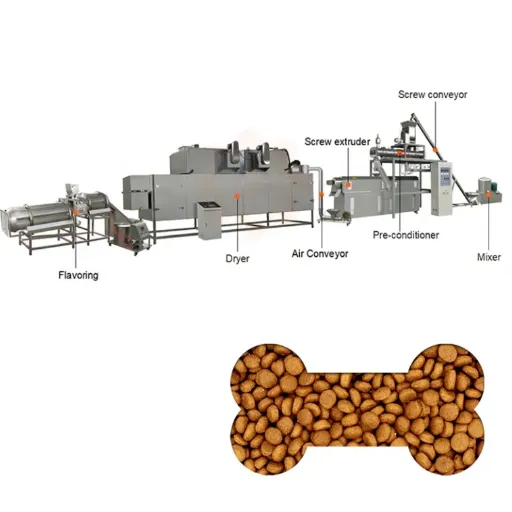
Over the years, Chinese instant noodles have turned out to be a global phenomenon, wining the hearts of many due to their ease of use, taste, and adaptability. At first, it was just a lot of people’s quick and inexpensive meal that resulted in a major market trend with infinite varieties and innovative recipes springing up in every corner of the world. Instant noodles have gone from late-night snacks to gourmet presentations and conquered their position as indispensable in every kind of kitchen. The following article is going to examine more closely the history, the cultural impact, and the different ways Chinese instant noodles have won over the hearts—and palates—of people living on different continents. Be prepared to discover the enthralling narrative behind this straightforward but nonetheless iconic dish!
Introduction to Chinese Instant Noodles
Overview of Global Popularity
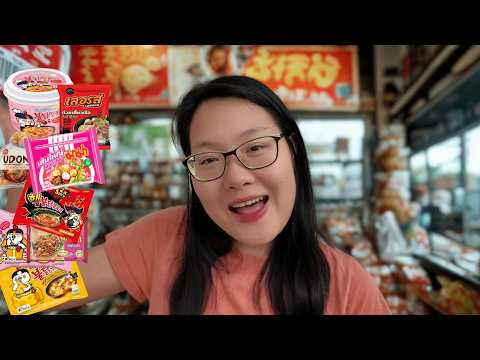
Chinese instant noodles have turned into a worldwide recognized staple, cherished for their low price, ease of use, and multiple applications. The history of instant noodles can be traced back to the 1950s, and by the end of that decade, they were already being sold in the United States. Today, their consumption is so widespread that virtually every country has millions of servings sold each year.
The widespread acceptance of Chinese noodles comes from their ability to adjust to different tastes. For example, in Japan, instant noodles have received a lot of credit as a culinary innovation, with the tastes created for the locals, such as miso or soy sauce and other varieties. On the other hand, in Southeast Asia, the market is mostly controlled by the spicy and sour types, the consumers talking a lot about their love for the bold and lively tastes. The West has also turned to instant noodles, and they have essentially become the main ingredient in fusion dishes or quick meal solutions for busy consumers.
Their global demand can be traced back to the role that instant noodles played in being a cheap and readily available food choice. It moved from being the meal of the largest segment of the world’s poor people to being a food item whose use transcends classes and cultures through the adding of flavors and changing of the way it is prepared. Its dual nature as a comfort food and an innovator in culinary creations is what keeps it ever-present in kitchens around the globe.
Cultural Significance in China
Instant noodles are a Chinese food that has transcended the mere definition of a traditional dish, thus becoming one of the most creative examples of the fusion of old and new. First sold in the Chinese market in the mid-20th century; this product was welcomed by the masses immediately since they saw noodles as a fast meal solution. Later on, their selling price attracted even more consumers who were experiencing the hardship of rapid industrialisation and urbanisation.
Apart from the fact that they were practical, instant noodles continued to be more popular in China thanks to the local consumers who wanted to have their say in choosing the flavor of the noodles. Traditional Chinese dishes like the Sichuan spicy hotpot and the pickling of mustard greens were some of the inspirations behind the flavoring. The packaging not only plays a vital role in showcasing the product but also, with unique designs and branding, continues to keep the noodles as a prominent sector in the Chinese industry.
Noodles are surely no longer just a food product in China, they represent comfort and nostalgia, in today’s world. They are already deeply embraeeed in the lives and upcoming generations of the Chinese people, so that even when they are long train rides, late-night study sessions or quick family snacks, it is always instant noodles that come to mind. Their increasingly prominent status in the culture of the society around them has been the main reason why they remain in the market as well as learning to meet the demands of the consumers who are changing at the same time.
Varieties of Instant Noodles
Instant noodles, a favorite for many households and individuals worldwide, come in a variety of flavors and also cater to different tastes, dietary practices, and eating habits. They can generally be classified in several ways such as by flavor, type of noodle, or preparation method. Chicken beef, and seafood are some of the most common tastes that people turn to while some countries have specialty flavors, for example, spicy Sichuan, miso ramen, or tom yum, which are inspired by the local cuisine. The instant noodle industry through these flavors does not only reflect but also brings global culinary traditions together by mixing local seasonings and spices.
The types of noodles change accordingly to the different brands and regions. Most of the instant noodles are made of wheat flour which gives a soft and chewy body, besides these, other products such as rice, buckwheat, or even veggie-based noodles (the healthier or gluten-free range) are also available. Some brands even offer fried noodles which have their characteristic taste and texture, while others promote air-dried noodles as a lighter option. Whatever the case, these differences are made to attract the largest number of consumers possible.
There are different methods of preparation that also lead to the diversity of instant noodles. Cup noodles are most convenient of all, as they require nothing but hot water to be ready for eating, while packet noodles give you the freedom of cooking according to your taste. Also, there are noodles meant to be in soup with rich broth, while others are meant to be fried with savory sauces. This selection makes it possible for instant noodles to serve both quick meals and even at-home cooking experiences that are more elaborate. Thus, they remain popular among a wide range of demographic groups and lifestyle types.
History and Evolution of Instant Noodles in China

Origins of Instant Noodles
The world of instant noodles started in Japan in 1958, when Momofuku Ando, the founder of Nissin Foods, made a breakthrough. However, their quick pulling power bastion spread to China, where they were recognized as a cheap and convenient food. The original concept was food shortages in Europe after World War protected by an innovative measure of instant noodles. Their great adaptability to the various tastes and styles of cooking made them so to speak a star in the country’s rich food culture. Initially, instant noodles issued were quite basic, consisting of fried noodles with seasonings and a small packet of soup base.
The growth of instant noodle consumption in China was very rapid during the economic reforms of the late 20th century. The product’s convenience and low price matched perfectly with the quick expansion of cities and the rising population of workers. The 1980s and 1990s saw a big increase in the production of instant noodles in China, with local companies fighting to launch different flavour collections that were specifically formulated for the different parts of the country. It signified a new period in Chinese food culture, where age-old flavours coalesced with cutting edge technological advancements.
The current scenario depicts that instant noodles market in China is of multi-billion-dollar size, besides the rates in the production and consumption of such products which are the highest in the world. According to the World Instant Noodles Association, recent data indicates that China is still a major player producing over 40 billion servings every year. The industry’s modern innovations, such as healthier options, gourmet flavors, and eco-friendly packaging, are still paving the way for the evolution of instant noodles. They are the sign of the character of Chinese people who are very skillful at marrying together tradition and innovation thus keeping instant noodles in demand even in a rapidly changing society.
Growth of the Instant Noodle Market
The instant noodle market has grown enormously over the decades, the main drivers being its convenience, low price and worldwide demand. Noodles in an instant form are so versatile and can be adapted to different cooking styles that they become the favorite of not only the young and the elderly but also people from all walks of life. The rapidity of the urbanization process as well as the increase in the population of people who prefer ready-to-eat meals have improved the demand from such countries around the globe, particularly in Asia, South America, and Africa. Another factor that has played a major role in the sales growth is the online retail industry, which has reached customers even in far-off places through its service of remote delivery.
China is still the undisputed leader in the instant noodle market with the highest ever rates of production and consumption. But there are also other countries, such as Indonesia, India, and Japan, which are big players in the industry too. Offering local-flavor and, at the same time, keeping in mind dietary needs, have been the most important factor for getting the dealers to come into such different markets. To illustrate, countries with hot food traditions have been quite welcoming to the hottest noodle varieties, while areas with health-conscious consumers have seen regular supply of low-sodium or whole-grain alternatives. These trends are not only indicative of what the people in different areas prefer but also show the great effort manufacturers are putting into keeping up with the dynamic consumer demand.
At the same time, the global market for instant noodles has transitioned to sustainability and health as the main consumer trends. A number of the top brands have started using eco-friendly packaging in their production process in order to lessen their carbon footprint, which is a direct response to the increasing public scrutiny regarding plastic waste. The other side of the issue is that the companies offering newer products enriched with vitamins or made of plant-based materials are very much in line with the health-conscious buyers. These trends or developments are not only making the instant noodle industry relevant to modern day living but also easy to handle the global contemporary challenges, thus ensuring its good positioning in consumer goods’ fast-paced arena.
Key Milestones in Development
- Birth of Instant Noodles (1958): Momofuku Ando brought to the market the first instant noodles “Chikin Ramen” in Japan. This dazzling act of invention put a stop to fast food and convenience meals in quick succession, and, the instant noodle era was born.
- Introduction of Cup Noodles (1971): Ando’s creation of the “Cup Noodles” which in a disposable polystyrene cup came along with a whole new level of convenience altogether. It instantly became a global favorite since it eliminated the need for any additional cookware and was thus so easy to prepare.
- Global Expansion (1980s): Noodle factories multiplied in the east and west as instant noodles crossed borders going to international areas and adapting their flavors to regional tastes. It became a common household item in Asia, North America, and Europe.
- Health-Conscious Innovations (2000s): Being aware of the health concerns, the manufacturers started to supplement the market with their healthier options. Whole grain noodles, reduced sodium content, and air-dried varieties were some of the healthy alternatives targeted at consumers seeking nutritious ones.
- Sustainability Initiatives (2010s): In pursuance of eco-friendly initiatives, the companies switched to green packaging and sourcing practices that were not damaging to the environment. Among these were the cutting back of plastic use and guaranteeing fair production practices.
- Plant-Based and Special Diet Options (2020s): The surge in the popularity of plant-based diets and the rapid growth of consumers with various dietary restrictions have led to instant noodles evolving; it’s now offering gluten-free, vegan, and allergen-free noodles. By doing so, the industry reaches out to a larger consumer base and moves correspondingly with the current nutrition trends.
The above-mentioned events celebrate the instant noodle industry as a lively evolving entity that still keeps pace with modern life and culture.
Popular Brands of Chinese Instant Noodles
Samyang: The Rise of Spicy Noodles
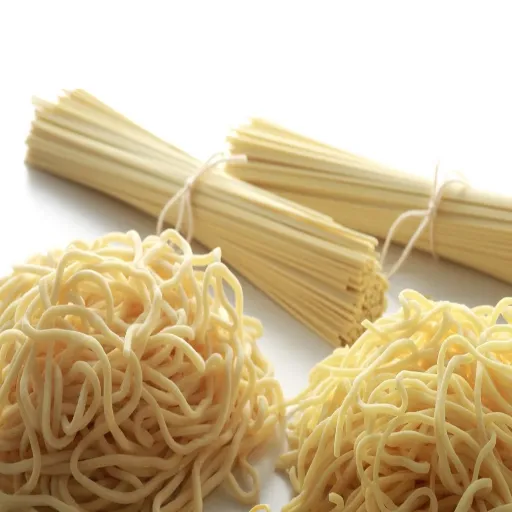
Samyang Foods, a Korean company, has introduced its fiery noodles as one of the world’s favorite instant noodles. The company first caught everyone’s attention in 2012 with the “Buldak Bokkeum Myun” (literally meaning ‘Fire Noodles’), which is now known as ‘Fire Noodles’ and very popular for its extremely hot taste. The instant noodle became a huge success among customers with its fiery flavor and extra spicy level that was hard to overcome. The Fire Noodles of Samyang turned out to be a viral phenomenon, especially with the help of social media sites, namely YouTube and TikTok, where people would do the “Fire Noodle Challenges”, making the brand more visible and attractive.
The consumer-oriented company not only produced spicy noodles but also offered flavored spicy noodles like cheese, carbonara, and jajang (black bean sauce) options in its product line-up. Samyang is at the forefront of the market and constantly widening his appeal to the public with every new product it releases, but it still keeps the heat level that has become the brand’s trademark. Moreover, the company is committed to the quality of its ingredients, utilizing real peppers and traditional seasonings which have enabled it to garner a loyal following in South Korea as well as internationally. This commitment to quality has made the brand one of the leading companies in the rapidly growing instant noodle market.
The popularity of Samyang’s spicy noodles is a perfect example of how one innovative product can reshape an entire market. The brand has successfully taken advantage of global trends, such as the rising demand for hot and spicy food and marketing through social media. Samyang continues to stay ahead of the competition by constantly seeking new product innovations and extending its distribution networks to the United States, Europe, and Southeast Asia. By balancing culinary innovation and strategic marketing, Samyang has secured its position as a major player in the international instant noodle market.
Mi Goreng: Indonesian Influence in Chinese Noodles
Mi Goreng, which literally means “fried noodles” in Indonesian, has a long and complicated history and can be regarded as the still ongoing marriage of Indonesian and Chinese culinary traditions. A dish so loved that it is for the most part consumed in its instant noodles in a package form, it denotes the inventiveness of the combination of the old-fashioned flavors and the new-fashioned convenience of the instant preparation. The key ingredient in Mi Goreng is the very savory and a little bit sweet taste that is provided by soy sauce, garlic, shallots, and a hint of chili. Its great popularity has gone far beyond Indonesia’s borders, and is already very much a part of the global kitchen.
The traditional Indonesian version of Chinese noodles, which was crowned as Mi Goreng, undeniably points out the entire region’s past of merging cultures. The introducing of noodles by Chinese people to the Indonesian islands was the very beginning of a local fusion of the dish with the local ingredients and flavors that had turned it into a uniquely Indonesian product. Today, the big name brands have not wasted the opportunity and are on the ball with their instant Mi Goreng, which is not just easy to make but is also tasty like the original dish.
Moreover, the Mi Goreng is an integral part of the street food culture in Indonesia, where it is often garnished with fried eggs, fresh veggies, chicken or shrimps. This combination of easy preparation, rich flavor, and culture has made Mi Goreng a worldwide ambassador of Indonesian cuisine, a dish that is not only enjoyed as a quick meal but also revered as a traditional one.
Preparation Tips for Chinese Instant Noodles
Basic Cooking Instructions
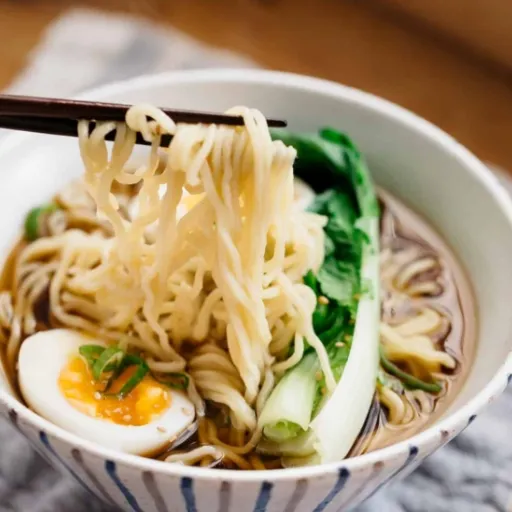
- Boil Water: To start, put a large enough quantity of water on the fire and wait until it comes to a rolling boil. Normally, 500ml of water is sufficient for one serving, although it can vary according to the manufacturer or package directions.
- Add the Noodles: The moment the water has reached the boiling point, put the block of noodles in the saucepan. It should be cooked for around 3-5 minutes, depending on the manufacturer’s instructions, and you should stir it sometimes to get the cooking done evenly and avoid the noodles from sticking together.
- Include the Seasoning: Take the seasoning packets that come with the noodles, open them up, and put them in the pot with boiling water. Mix thoroughly to have the seasoning completely dissolved thus opening up the full flavor of the broth.
- Enhance as Desired: If you want to enter the next level regarding the taste, you can put some veggies, sliced meats, eggs, or tofu in the pot. These things not only elevate the nutrition value but also the flavor especially if you mix and match.
- Final Serving: Once done, put the noodles and broth in a bowl, and mix the ingredients well. Serve hot and relish your delicious meal.
If you scrupulously observe these steps, an authentic and satisfying dish will be yours consistently.
Serving Suggestions for a Complete Meal
To enhance the food tasting experience and make it a wholesome meal, don’t hesitate to serve your main dish with some side dishes and drinks that go well together. For instance, besides the main dish, a fresh, colorful salad consisting of mixed greens, sliced cucumbers, cherry tomatoes, and a light vinaigrette dressing can balance the rich flavors of the main dish. For extra crunch, toss some nuts or seeds into the salad. Alternatively, appetizers such as steamed dumplings or crispy spring rolls can be delightful contrasts while at the same time enhancing the overall dining experience.
In the case of drinks, a hot and relaxing cup of green or jasmine tea goes beautifully with the main dish’s rich and savory flavors. If a non-warm option is more to your liking, then a cool glass of cucumber-infused water or a light fruity iced tea will be an excellent throat refresher. A soft drink choice not only goes with the meal but also brings out the subtle complex flavors of your dish.
A little of a seasonal fruit salad like that with mango, berries, or melons not only adorns the plate but also gives a naturally sweet and satisfying end to the meal. On the other hand, rice pudding or a custard can be that indulgent dessert that makes the meal harmonious in flavors from the start till the end. The proper handling of the ingredients and the pairing of them can thus bring about a well-rounded and fulfilling culinary experience.
References
- Emory University – The History of Chinese Instant Noodles: Explores the development of Chinese instant noodles from historical, economic, anthropological, and cultural perspectives.
- Emory University – Instant Noodle Culture in Contemporary China: Discusses the cultural significance and variations of instant noodles in contemporary China.
- U.S. Food and Drug Administration (FDA): Provides regulatory information on the labeling and standards for Chinese and other oriental-style noodles.
- Click here to read more.
Frequently Asked Questions (FAQ)
Q:Well, what are your Chinese instant noodles, and what makes them close to Japanese ramen noodles?
A: Chinese instant noodles are pre-cooked and generally dried as noodles and sealed in a combo pack of powdered seasoning, seasoning oil, and often dehydrated vegetable/meat bits that are to be infused for quick preparation. Chinese instant noodles are generally similar to the Japanese ramen noodle and instant Ramen noodles, like nissin cup noodles and maruchan ramen, but they are developed with unique flavor profiles (soy, sesame, Sichuan peppercorn, tangy or spicy) and a diversity of textures and chewiness along with various noodle structures like wavy Chinese crinkle, thicker udon-style variants, dry thin noodles, and anything in between, depending on the brand.
Q: How do I prepare a simple bowl of Chinese instant noodle soup?
A: The obvious way is either to let hot water run over the dried noodles or quickly heat them up, add the powder seasoning and squirts of seasoning oil, then stir in all the dehydrated vegetables like scallion, mushroom or potato flakes you have. A richer version of the soup means you would stir in a beaten egg, slices of pork or tofu, and finally a drizzle of sesame oil or crushed peanut. Best served by slurping but don’t overcook for optimum textural satisfaction, as the chewiness and crunch of certain noodles will be lost in the process.
Q: What are some popular brands for Chinese instant noodles that can be found in the supermarket?
A: Domestic and regional brands are found at the supermarket, among international names like nongshim, maruchan, nissin, and maggi. Chinese as well as Taiwanese brands create unique spice mixes or seasoning blends. Buying in bulk from these Asian stores might score some exciting exotic flavors and couple-of-bucks-made artisan-style selections experimentally made by the brand, to name a few: sesame, ginger, peppercorn, or mushroom notes.
Q: Are there healthy ways I could use to upgrade instant ramen or Chinese instant noodles?
A: Yes. Again, it is the entire packet that makes it so healthy and quick to consume, while the actual powder mix the least healthy part. It may involve reducing the powder package by half and using fresh vegetables, scallions, mushrooms or leafy greens to top an already fine-tasting soup. While scattering more protein ingredients such as shredded pork, tofu, eggs, and peanut butter for a creamy foundation, use less seasoning oil to regulate fat on this batch of soup. An aroma appealing to the nostrils and also a small amount of calories come from the addition of ginger, peppercorn, or a squeeze of lime.
Q: What roles do the sodium seasoning ingredient and the oil seasoning ingredient play in instant noodle flavor?
A: The powder provides the umami-strong and salty arm—soy-sodium, seasoning oil lends such aromatic oils like maybe sesame, garlic, chili, plus several other fragrant compounds. The contentment of the flavors regards with the balance between the sodium in the seasoning mix and the oil fat. As an example, when making a broth for a clean mouthfeel, it is necessary to part the broth and enhance it with reduced powder or extra hot water, then to add a bit of oil in replacement for the lost aroma.
Q: Is there any way I could use these kind(s) of noodles outside the soup-for example stir-fry or crispy noodles?
A: Sure. Once they are rehydrated, these noodles may be used in a stir-fry with vegetables, pork, or tofu, with the powder being used lightly in stock. For the noodles’ skillet counterparts, parboil then pan-fry or deep-fry them to be crispy outside and wavy in texture. The thickness of noodle and chewiness play into the final mouthfeel, and therefore, use wavy noodles for texture or udon-like noodles for a chewy and thick bite.
Q: What are some regional flavors and ingredients found in Chinese instant noodle varieties?
A: Regional variations abound: Sichuan always has a spicy number with peppercorn tang. Cantonese has light soups with scallion and pork; one can expect Taiwanese braised pork, mushroom, or seafood vibes. Ingredients may run from dehydrate vegetable assortments to potato-starch noodles, sesame paste, or peanut sauce. Mushroom, ginger, and savory pork powders by far spread to local tastes.