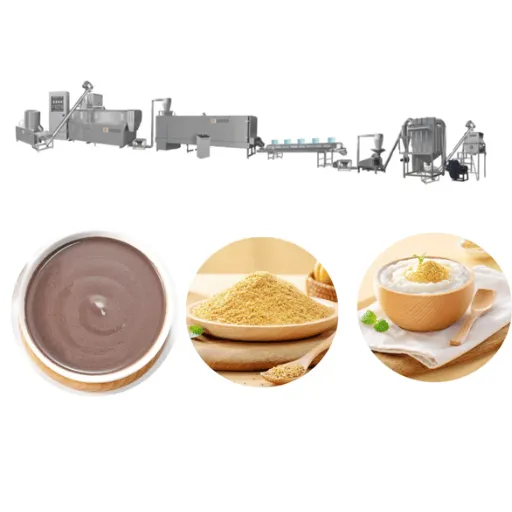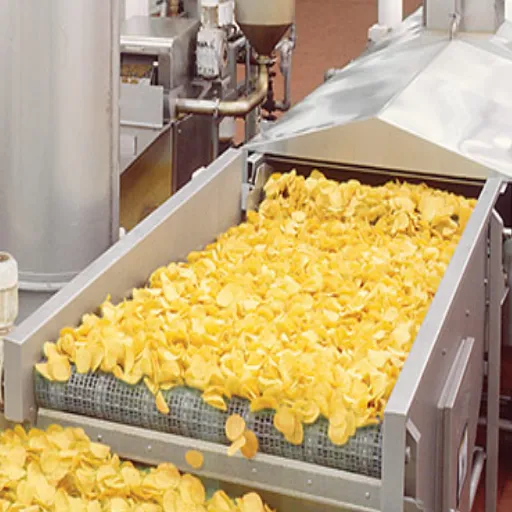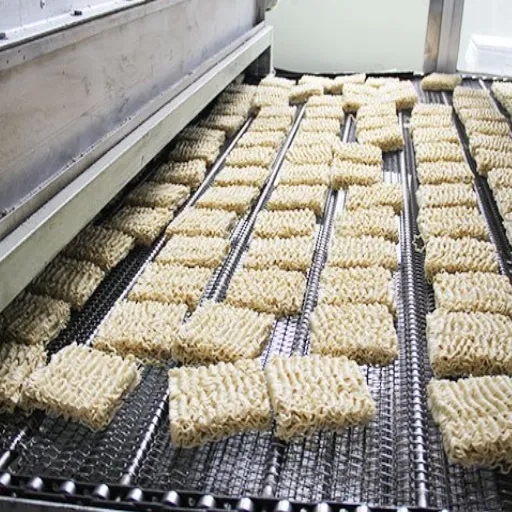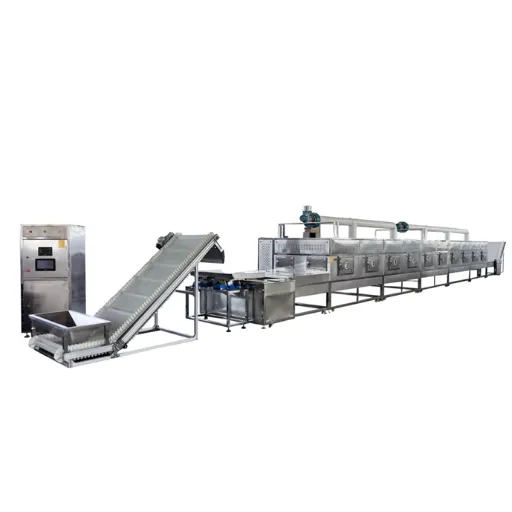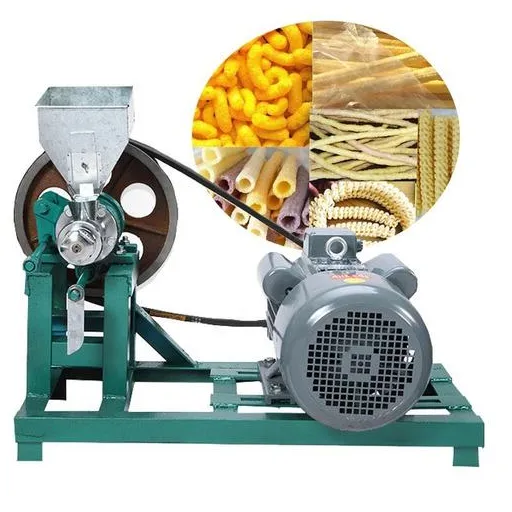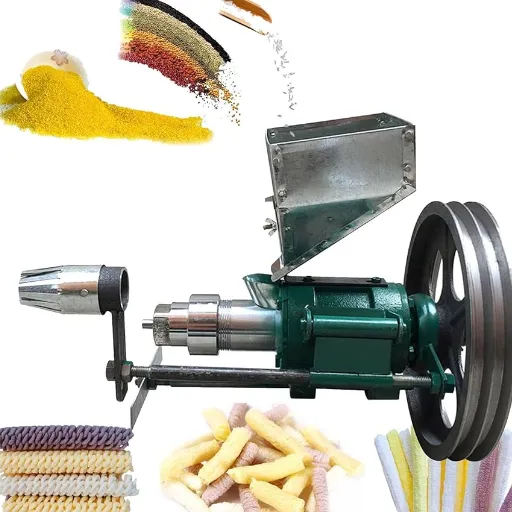
The process of snack extrusion has become a cornerstone of modern food production, enabling manufacturers to produce multiple snack items through efficient large-scale production methods. However, even the most advanced snack extruder machines face operational problems which can disrupt production processes, decrease product quality, and increase operational expenses. This guide assists manufacturers and operators in understanding how to solve the most common issues that occur during high-speed snack extrusion operations.
Understanding the Snack Extruder Machine
What is a Snack Extruder Machine?
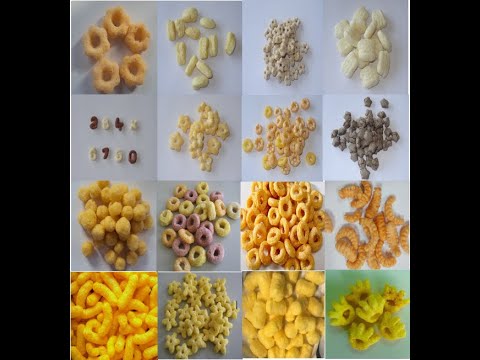
A snack extruder machine serves the purpose of manufacturing multiple snack products through its operation of processing raw materials—including grains, flours, and starches—via a controlled mechanical and thermal procedure. The machine operates by forcing these raw materials through a die under high pressure and temperature, shaping them into specific forms such as curls, puffs, or sticks, depending on the die configuration and process settings.
The Extrusion Process Flow
- Feed System Introduction: Raw ingredients are introduced and pre-conditioned, often with the addition of water or steam to achieve the desired consistency
- Barrel Processing: The mixture enters the extruder barrel where it is subjected to mechanical energy via a rotating screw mechanism
- Heat and Pressure Generation: This process generates heat and pressure, which cooks the materials while enabling them to expand as they exit the die
- Expansion and Finishing: The expansion process determines both the final product’s texture and appearance, followed by drying, seasoning, or coating
Snack extruder machines serve as essential equipment in food manufacturing because they deliver multiple production advantages while generating uniform products which meet mass production requirements. They are integral in creating popular snacks such as corn puffs, rice crackers, and flavored cereal-based products.
Components of a Snack Extruder Machine
The operation of a snack extruder machine depends on its essential parts, each with designated functions that contribute to the extrusion procedure. The components operate in perfect harmony to convert unprocessed materials into complete snack products.
Hopper
Feeds raw ingredients into the extruder with consistent material delivery, designed to allow operators to monitor system operation while performing material refills and maintenance easily.
Screw(s)
The fundamental operational mechanism using single or twin-screw systems with controlled rotational speeds for mixing, conveying, and cooking materials.
Barrel
The containment area where materials are processed, typically containing multiple heating zones that enable precise temperature regulation.
Die and Cutting System
Determines the shape and size of the extruded product, with the cutting system trimming the extrudate into equal sections for consistent appearance.
Motor and Gearbox
Generates mechanical energy that powers the screw operation, with the gearbox adjusting torque and speed for different product requirements.
Control System
Advanced systems monitoring essential operational parameters including temperature, pressure, and screw speed with real-time adjustment capabilities.
Types of Extrusion Equipment for Snack Production
| Extruder Type | Key Features | Best Applications |
|---|---|---|
| Single-Screw Extruders | Simple design, budget-friendly solution, easier operation and maintenance, basic mechanical functions | Puffed snacks, breakfast cereals, straightforward product processing |
| Twin-Screw Extruders | Enhanced mixing capabilities, superior shear control, greater process adaptability, handles complex ingredients | Protein snacks, multi-flavor products, gluten-free options, contemporary snack development |
| Co-Rotating Extruders | Precise control over cooking and mixing, high operational efficiency, superior uniformity | Products requiring specific recipe details and precise texture maintenance |
Selection Criteria: The selection of equipment requires assessment of product objectives, necessary production amounts, and operational limitations. Manufacturers need to evaluate product standards together with system design capabilities and operational costs to choose the best extrusion system which meets their business needs.
The Food Extrusion Process
Overview of Food Extrusion
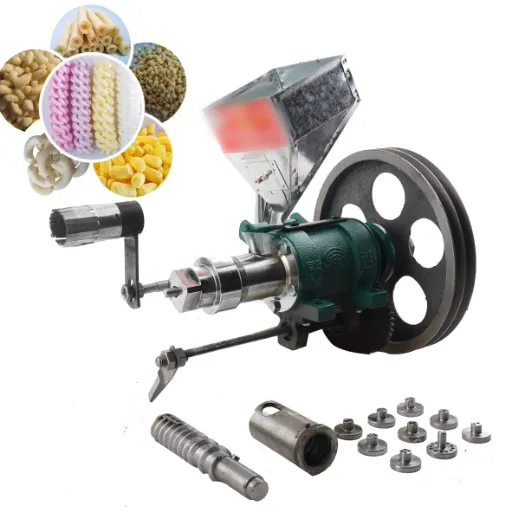
The manufacturing process of food extrusion creates finished food products through its use of combined mechanical and thermal energy to construct specific structural and textural elements. The process begins with raw materials which exist as powder or granular ingredients that workers feed into either a preconditioner or directly into the extrusion barrel.
Key Physicochemical Transformations
- Starch Gelatinization: Controlled heat and pressure transform starch structure
- Protein Denaturation: High shear forces modify protein characteristics
- Moisture Reduction: Controlled evaporation produces desired texture
- Material Expansion: Sudden pressure decrease creates light, crispy texture
Modern extrusion systems provide manufacturers with the ability to produce multiple types of products because they handle different product formulas and design specifications. The systems enable operators to control essential factors which include temperature, screw speed, and die configuration because these factors directly impact the consistency and quality of the final product.
Steps in the Snack Food Extrusion Process
1. Ingredient Preparation
The specific formulation requires the measurement and blending of raw materials which include grains, starches, proteins, and additives. This process establishes uniform material standards which the extrusion system requires to operate. The ingredients may also undergo preconditioning, such as hydration or preheating, to optimize their functional properties.
2. Feeding
The prepared mixture is fed into the extruder using a controlled feeding mechanism. The process requires accurate feeding rates to maintain consistent operation while producing products with specific attributes.
3. Extrusion Cooking
Inside the extruder barrel, the mixture is subjected to high temperature, pressure, and mechanical shear. The combination of these conditions leads to starch gelatinization, protein denaturation, and moisture loss which results in a flexible material. The cooking process depends on screw design, rotational speed, and barrel configuration.
4. Shaping and Expansion
The cooked material is forced through a die of predetermined geometry which shapes the extrudate into specific forms such as curls, rings, or sticks. The product expands after leaving the die because of pressure release which generates its required texture and volume.
5. Drying and Cooling
The extrudates are sent to drying systems which decrease moisture content until it reaches optimal levels to maintain shelf stability. The products undergo cooling after drying to ambient temperature which prevents condensation during packaging.
6. Flavoring and Coating
The product type determines the method used to apply flavoring agents, seasonings, and oil coatings which can be done through tumbling drums or spraying systems. This step enhances the sensory appeal and consumer acceptability of the final product.
7. Packaging
The automated systems package the complete snack product using advanced packaging technologies that ensure product freshness and extended shelf life.
Influence of Raw Materials on Extrusion
The extrusion process efficiency and results depend on the raw material characteristics and quality. The flow behavior of feed material and the thermal properties of the extruder system depend on three main parameters: moisture content, particle size, and feed material composition.
Critical Raw Material Factors
- Starch and Protein Composition: Controls gelatinization, protein denaturation, and expansion processes
- Material Viscosity: Affects mechanical energy requirements and throughput rates
- Consistency Quality: Inconsistent materials cause operational problems including extruder clogging
- Functional Additives: Emulsifiers and plasticizers help optimize material flow and minimize waste
The extrusion process now benefits from improved ingredient formulation methods and pre-treatment techniques, which include enzymatic processing and hydrothermal treatments. The snack food industry uses pre-gelatinized starch and partially hydrolyzed fibers because these ingredients enhance expansion properties and texture to meet consumer demands.
Common Issues in Snack Food Extrusion
Identifying Extrusion Problems
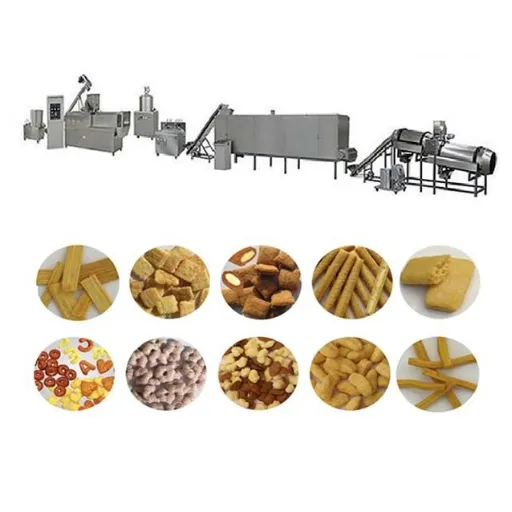
Snack food production extrusion processes face repeated obstacles which occur because of raw material variations, equipment breakdowns, and incorrect operational parameters. Understanding these problems is the first step toward effective troubleshooting.
Irregular Product Expansion
Caused by changing moisture levels and incorrect feed rate control. High moisture results in heavy, under-expanded products while low moisture creates brittle, irregular surfaces.
Die Buildup
Develops when excessive starch or fiber sticks to die openings, resulting in reduced product flow and shape distortion. Indicates inadequate die design, cleaning procedures, or ingredient composition.
Thermal Management Issues
Uneven heat distribution in the extrusion barrel results in thermal degradation of raw materials, generating unwanted color and flavor alterations in the finished product.
Excessive Shear Forces
The mixing process creates excessive shear forces which lead to protein denaturation that negatively affects the texture and structural strength of the snack.
Solution Approach: The solution to these problems requires the implementation of real-time data monitoring systems together with predictive maintenance systems. The process needs inline moisture analyzers and temperature sensors which enable accurate management of essential process parameters.
Common Causes of Snack Extrusion Failures
❶ Not Maintaining Proper Moisture Levels
One of the most common causes of failures in extrusion is when there is a moisture imbalance in the material. Insufficient water causes the dough to dry out and crack, preventing expansion. Additionally, excessive water leads to mushy textures, high stickiness, and low puffing ability. Therefore, precise adjustment of the moisture content is needed to produce a product with good properties.
❷ Temperature Instabilities
Inadequate temperature control can result in partial starch gelatinization or protein denaturation, which adversely affects the product. Temperatures in some stages may be high enough to burn ingredients or damage equipment, while in other stages, temperatures may be too low, causing raw, unexpanded snacks. Thermal control must be improved to avoid poor results.
❸ Variations in Feed Rates
Any inconsistencies in the quantity of material being fed into the machine can affect the flow or the pressure profile inside the machine. Such incidents can lead to an inhomogeneous product and in some cases, even air bubbles might occur in the end product. Feed rate regulators help in overcoming these variations and ensure optimal pressure and flow parameters.
❹ Inadequate Maintenance of Extrusion Equipment
Key mechanical components including screws, barrels, and die plates experience wear and tear. Because of this wear, extrusion quality decreases and it causes stoppages for maintenance work during production time. Appropriate schedules for service activities and the use of wear-resistant materials will help to increase service life of critical elements.
❺ Poor Quality Ingredients
Differences in components, including starch and fat, may result in substantial changes to the extrusion system. If premium ingredients cannot be used, or if they are irregular, this will result in poor working conditions and lower quality products. The capacity to maintain consistent raw material supply eliminates the vast majority of extruder quality problems.
❻ Not Using the Ideal Screw Design or Configuration
The role of the screw is central in the processes of extrusion. Any misalignment of the screw profile and the rheological property of the material may cause difficulties in the working process. Understanding how to adapt the screw to accommodate differently formulated recipes allows for enhanced process stability and output capacity.
Key Insight: Tackling these usual causes calls for careful adjustment of apparatus, use of prime raw materials, and control of certain processes over time. Innovative technologies such as real-time analytics and predictive maintenance software can be employed to additionally minimize the number of extrusion failures and improve the overall productivity of the plant.
Impact of Extruder Settings on Product Quality
There is a wide range of adjustable elements in extrusion processing which directly affect the efficiency of the extrusion process and the quality of the finished product. These settings have an immediate impact on the texture, dimensional stability, and physical properties of the product.
| Parameter | Impact on Quality |
|---|---|
| Screw Speed | Changes in screw speed affect material shear and mixing efficiency. Very high speeds may cause over-shearing and burning, while very low speeds result in poor mixing and uneven quality. |
| Barrel Temperature Profiles | Appropriate temperature profiles along barrel zones are necessary for proper melting and material flow. Improper profiles may result in incomplete melting or thermal degradation, causing nonuniform products. |
| Die Pressure | Controls flow and final product shape. High pressure may result in die erosion or material compaction, while insufficient pressure may cause incomplete die cavity filling. |
| Rate of Material Supply | Precise adjustment necessary to keep flow constant. Overcharging leads to waste and uneven flow, while undercharging creates voids and nonuniform products. |
| Cooling Process | Affects product properties and appearance. Improper cooling may cause deformation, warping, locked-in stresses, or size variation of the product. |
Troubleshooting Techniques
Adjusting Temperature and Moisture Levels
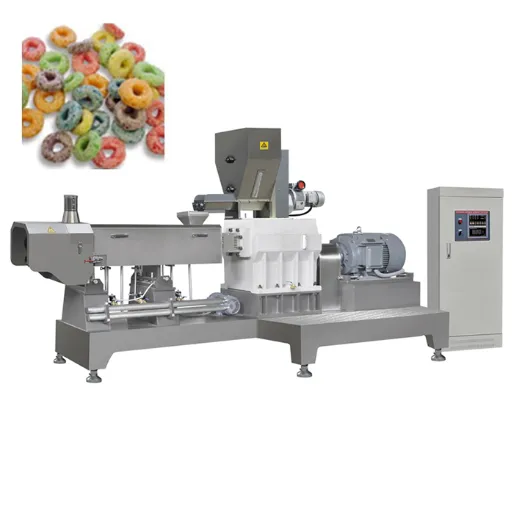
With reference to any process that depends on temperature or environmental regulation, the precise control of heat and dampness is one of the most vital factors. In fact, only a small variation within these variables can cause serious disruption of the particular process and possible degradation of the product.
Temperature Control Best Practices
Advanced Temperature Sensors
Use sophisticated temperature sensors for monitoring and reporting changes over time, allowing quick identification of causes and rapid correction. Preset predictive functions can analyze behavior patterns to reduce risks in advance.
Isothermal Zone Management
Control temperature fluctuations within various isothermal zones of the snack food extruder machine. Regular maintenance of heating and cooling systems during operations is essential for keeping within parameters.
Insulation Maintenance
The frequency of insulation checks should be increased, with regular maintenance of heat and cold generating components to maintain constant temperatures throughout operations.
Moisture Control Strategies
Environmental Control Systems
Utilize fans, dehumidifiers, and humidification systems for precise moisture control, especially when processing hygroscopic materials.
Smart-Sensor Integration
Newer technologies include smart-sensor systems and IoT-enabled devices adaptable to humidity conditions, providing real-time monitoring and automatic adjustments.
Real-Time Data Analytics
Rationalization of temperature and humidity control based on real-time statistics aims at improving stability and reducing productive process variability.
Optimizing Screw Configuration
Utilizing the right and well-honed screw structure is key for any system to perform efficiently, readily, and achieve reliable output consistency. Optimized design of a screw means designing it concerning variables such as characteristics of the processed medium, requirements of the processing, and operating conditions in a way that promotes uniform flow and minimizes shear issues.
Geometric Considerations
Channel depth, pitch, lead angle, and barrier flight must be optimized to manipulate product flow within the extruder and transform raw material into conventional shapes.
Simulation & Testing
Computerized simulation efforts and testing protocols aligned with industry standards aid in ascertaining actual conditions of screw usage.
Machine Learning Integration
Machine learning components assist in finding solutions for encountered changes of inputs or processes, enabling adaptive optimization.
Performance Improvements
Research finds that the enhancement of screw design increases the efficiency of material throughput by up to 25% and reduces energy consumption by approximately 15%, delivering substantial cost savings while benefiting operational efficiency.
Maintenance Tips for Food Extruder Machines
In order to maximize energy efficiency, enhance reproducibility, and extend the working life of these devices, proper maintenance of each food-making apparatus is essential. Here are specific measures recommended for preserving such complex equipment:
1Regular Cleaning of System Components
Food particles from previous processes contaminate and affect machine usage. Clean the barrel, die, and screw after each shift-cycle using available cleaning agents that conform to food standards. Delicate parts can be placed in ultrasonic cleaners to effectively remove all residues.
2Lubrication Policy
Appropriate application of lubrication prevents premature wear and tear of bearings, gears, and other moving components. Establish a lubricant system and utilize compatible lubrication for any equipment, considering working temperature, environment, and frequency of machine operation.
3Wear Component Inspection
The effective extrusion of materials may be hindered due to wear and tear of components such as screws and barrels. Regular maintenance must check for signs of increased wear such as abrasion, deformation, or corrosion. Replace damaged parts timely to avoid further damage to surrounding elements or products.
4Temperature Control System Calibration
Any temperature control-system error can disrupt the extrusion process, affecting end product quality negatively. To maintain strict control of temperature over the production cycle, recalibrate temperature sensors, heaters, and cooling systems on a regular basis.
5Electrical Systems Inspection
All electrical parts such as motors and control systems need periodic checking to confirm connections are not loose, overheating, or experiencing electrical faults. IoT-based systems use algorithms to predict failures of electrical equipment before they occur.
6Spare Parts Stock Management
The purpose of the maintenance strategy is to have essential spare parts including seals, gaskets, and screws available for repair activities to avoid prolonged periods of downtime. Incorporate equipment manufacturer or supplier guidance to establish a specific inventory system.
7Documentation and Training
Maintain records corresponding to the frequency of service, success or failure outcomes, and parts renewed. Training of maintenance personnel to equip them with current skills on machine handling and extrusion technology advances is essential.
ROI Impact: Following these maintenance guidelines ensures reliability of equipment, reduces likelihood of breakdowns, and significantly boosts the food extruder machine Return on Investment (ROI).
Advancements in Snack Extrusion Technology
Innovations in Extruder Design
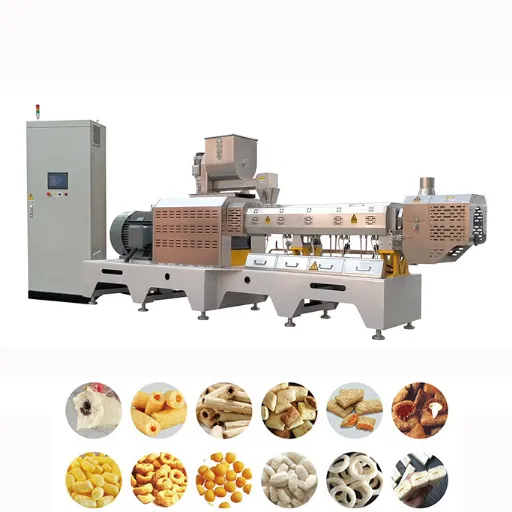
In recent years, snack food extruder manufacturers have introduced numerous developments in the areas of efficiency, quality improvement, and flexible operation. These innovations are transforming the landscape of snack production technology.
Advanced Screw & Barrel Design
Latest models feature combination elements with high activity and energy-savings, preventing irregularities in product formation caused by ingredient variations.
Smart Control Systems
Control systems embedded with sensors and IoT can monitor key parameters such as pressure, temperature, and throughput, enabling higher quality control and minimized defects.
Modular Design
Introduction of modularity allows manufacturers to adjust machinery to different product formulas with reduced production time through easy replacement of parts and settings.
Durable Materials
Introduction of tougher materials for extruding equipment parts has increased resistance, prolonged run-time, and reduced cost of repair.
Benefits of Full Automatic Snack Extruder Machines
Enhanced Productivity
Full automatic snack food extruder machines drive production capacity to higher levels through fast operation and automation systems. This promotes continuous processes that need less human intervention, reducing idle time. Depending on size and specifications, extruders can handle around 1,000 kg/h of raw materials—much greater than limits faced by most semi-automated systems.
Stability in Outcome
The introduction of automation technologies guarantees easy control in the admixture of ingredients, maintenance of temperatures, and other manufacturing processes leading to consistent texture, form, and taste. Since controls and sensor tracking mechanisms are employed at all production line points, variations are reduced and fewer defects are ensured in final products.
Control of Expenditure
The snack food extruder machine decreases operational expenses by increasing energy economy and decreasing consumption of materials. When energy-saving motors and latest heating techniques are employed, electricity costs can be saved by 20%, while advanced material feeding systems minimize raw material consumption and associated costs.
Wide Range of Product Offerings
One snack extruder can manufacture various snacks such as puffs, chips, cereals, pet food, and many more with different shapes, sizes, and flavors. Recipes are adjustable to fit both traditional and contemporary consumption patterns, giving manufacturers room to create and add new products to their catalogue easily without reconfiguring the entire machine.
Enhancements Towards Hygiene and Safety
Engineering plans ensure simple cleaning and servicing, consequently reducing risks of contamination. Automatic snack extruder machines feature stainless steel parts and food-grade materials to address food safety and hygienic standards, such as those of the FDA or HACCP. Additionally, automation reduces the extent of food handling and contact with food, thereby promoting hygiene.
Customizable Food Extruders for Diverse Snack Products
The features in any modern food processing machine enhance the possibility of creativity and sophistication for the creation of different kinds of end products by manufacturers. Such machines are equipped with advanced features that control variables such as shape, time, temperature, and ingredients to achieve different textures, styles, and tastes.
Key Customization Capabilities
- Versatile Base Materials: Can process various bases such as cereals, plant proteins, pasta formulations, and snack ingredients
- Specialty Formulations: Capable of handling gluten-free and plant-based protein diets, necessitating specialized material management
- Energy Efficiency: Modern extruders with low energy consumption are more appropriate for sustainable operations
- Industry 4.0 Integration: Application of data analyses and real-time observation technologies achieve unrivaled accuracy
The advantageous design of the snack food extruder machine not only allows manufacturers to have an advantage in a very competitive environment but also enables them to satisfy consumers with different tastes and preferences.
Frequently Asked Questions (FAQ)
Q: What exactly does a Snack Food Extruder Machine do and what makes it different from other contemporary snack making machinery?
A: A Snack Food Extruder Machine is manufacturing equipment capable of turning raw materials through heating, compression, and movement aimed at creating various forms and textures including porous, extruded, or expanded snacks, strands, pellets, biscuits, and pet products.
Q: What is the difference between the screw extruder and other extruders used for snack production?
A: The screw extruder transmits the mix in a particular direction, compresses it, and shears the material, containing friction, compression, and residence time under controlled manner. Screw extruders have a broader range because of the ability to process many different ingredients and moisture levels, making them applicable to fabrication of various products with appropriate die and cooling operations.
Q: Can snack extruders make snacks for people and also produce dry and semi-moist foods for pets?
A: Yes, this is possible. A Snack Food Extruder Machine can produce different products such as various snack forms and dry or semi-moist pet foods. The use of different recipes and dies allows pet treat lines or human snack lines to be interchanged without altering nutritional and digestion levels.
Q: Does extrusion utilize compression or friction?
A: The extruder barrel relies on both compression and friction for the cooking process and texturization of ingredients. Compression shapes the material by increasing its density prior to discharge. Friction generates heat that affects the structuring of starch and protein, resulting in expanded, texturized, or pellet structures. These factors enable modification of textural properties, digestibility, and product protection.
Q: Are extruders suitable for ingredients such as vegetable-based, vegan, and high moisture type formulations?
A: In fact, extruders are extremely versatile and good for preparation of vegetable and vegan foods, allowing production of texturized steak-like substitutes and vegetable chips. Extruding under high moisture conditions is also possible with proper screw configuration and moisture control. However, products may need drying and cooling after extrusion to be storage-ready.
Q: Is it possible to produce pellets, cookie extrusions, or other shaped products with a Snack Food Extruder Machine?
A: Yes. Modern extruders are not restricted to pellet-like objects but can incorporate expanded puff snacks, texturized pieces, and even imitation cookies or baked shapes thanks to advanced die design and cutting systems. Varying die geometries and processing techniques enables manufacturers to produce all manner of products with efficient standards.
Q: Is there any nutritional advantage in eating extruded foods and feeds compared to their conventional counterparts?
A: Exactly. Extrusion, when carefully engineered, allows starches to gelatinize and destroys anti-nutritional components with enhanced digestion. There is capacity for manufacturing extrusion-cooked products with high protein, fiber, vitamins, or other nutritional constituents for human or animal food intake, including vegetarian nutrition-oriented snacks or functional food products.
Q: What are the necessary supervision or action points with respect to discharge and specification requirements?
A: Consistent discharge from the extruder and high productivity can only be achieved if operators monitor screws for excessive wear, clean die holes, control ingredient feeding rates, and ensure appropriate temperatures within barrels for friction and compression control. Replacing seals and checking the drive regularly helps prevent extruder downtime and keeps equipment fit for purpose for any recipe.
Q: Can an extruder replace baking for mass production and what are the pros and cons?
A: Certainly. A Snack Food Extruder Machine may take the place of conventional cooking, particularly baking or frying, in some products, which saves processing duration, reduces energy usage, and increases production levels. Due to the extrusion process, throughput is generally much higher and wastage is lesser, leading to lower cost per unit. Yet, extensive usage requires adjustment of composition and adding drying or seasoning operations downstream in case of some products.
References
-
Iowa State University – Food Processing Pilot Plant Equipment
Covers twin-screw extrusion applications for snack foods, breakfast cereals, and more. -
USDA Agricultural Research Service – Process Packs Protein into Snacks
Explains the extrusion process and its role in forming snack foods. -
PubMed Central – Effects of Extrusion Process Conditions
An academic paper discussing the impact of extrusion process variables on the nutritional and sensory properties of extruded snacks. - Click here to read more.