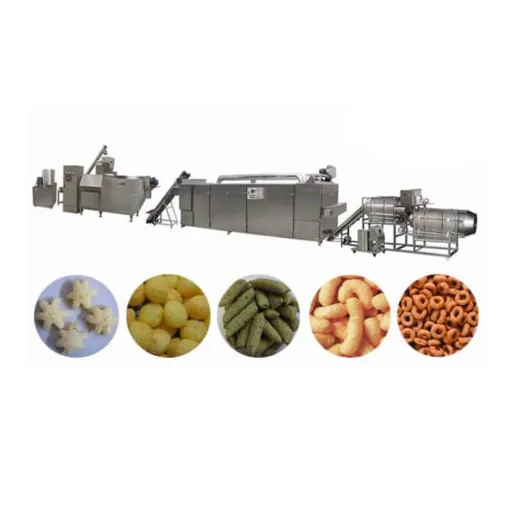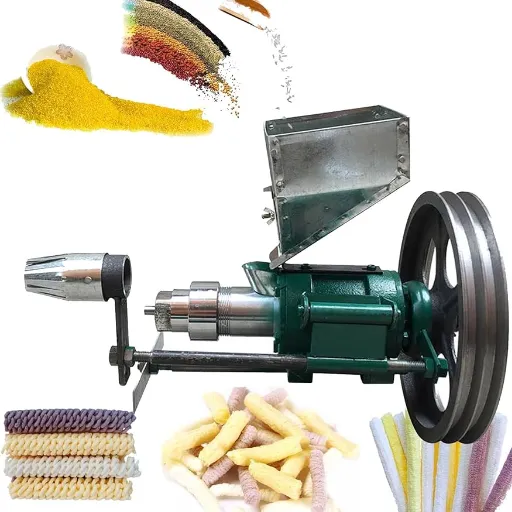
Ever-growing demand for new and improved healthier alternative snacks has led to consistent innovations into the field of snack production. There are many newer methods that are being explored, but the ones that hold significant promise include advanced vacuum frying techniques and snack extruder machines. With a combination of product boost and process enhancement, these equipment are an ideal profile for the snack manufacturing companies. Below is a guideline that intends to help you assess how vacuum frying equipment will contribute to your investment. These include but aren’t limited to price effects, efficiency and competition effects.
Understanding Snack Extruders
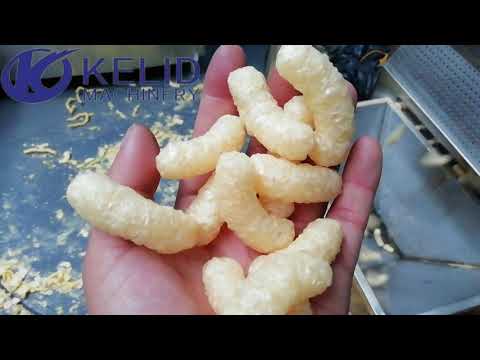
What is a Snack Extruder?
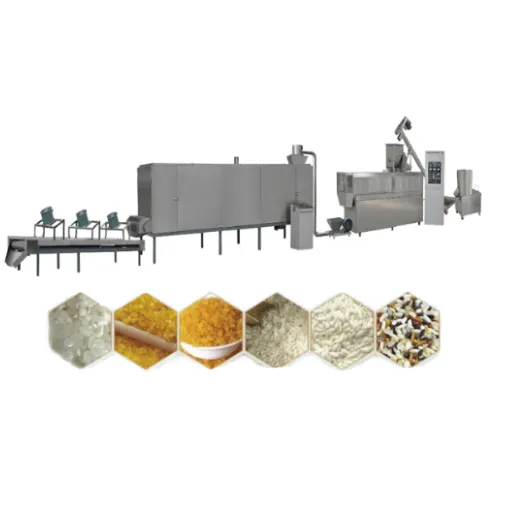
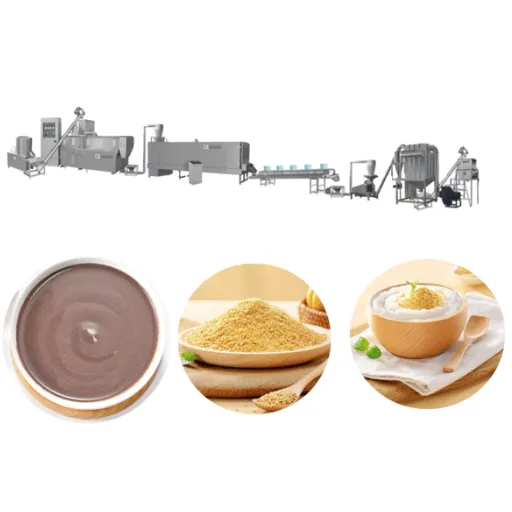
The Snack Food Extruder Machine is a device mainly used in the production of the array of extruded snacks. And this extruder works by integrating different raw materials such as grains, starches, protein, etc to pass through the die under a controlled temperature, pressure, and shear force. This process is aimed at functionalization of the ingredients, achieving swelling and uniformity without agglomeration, afterwards making into snack shapes such as puffs, chips, sticks and any other number of such shapes. How the texture, the shape and the density are controlled in the operating process is what ensures the working of the extruder.
Utilizing snack extruder machines enables high levels of control and versatility for the manufacturing companies using them. By modifications in parameters such as feed composition, moisture, extrusion temperature, etc., a large number of variations in snack foods can be introduced to cater to the various needs of the market. Simple products or processes are usually best suited for single screw extruders, whereas more complex assortment demanding the even distribution of ingredients and expansion is frequently addressed by twin screw extruders. Moreover, extrusion technology also makes it possible to maintain a steady quality,the importance of which is evident winning consumer trust and building the image of the brand.
Snack extruders are not only involved in forming and cooking snacks but also in enhancing operational costs. Extrusion processes are often linear and include packing plants systems are stable thanks to very small amount of human forces necessary in this process. The absence of massive power consumption and the availability of waste contribute to their measure of cost efficiency. Such advantages of snack extruders have led them to be in every modern company’s snack production line as they satisfy the growing demand for snacks and remain market leaders.
Types of Snack Extruder Machines
Various types of Snack Food Extruder Machine exist: single-screw and twin-screw, each serving different purposes in production. Single screw extruders are popular because they do not have complex or expensive mechanisms, and most importantly they are very easy to operate. These machines easily and efficiently manufacture production of simple products, such as direct expanded snacks, which do not include any additional processes. Manufacturing takes place through easy and durable operation of such machines without huge efforts in maintenance costs.
As for twin screw extruders, the range of capabilities is wider and more difficult tasks in terms of completing the formulation and processing are easier to accomplish. The presence of two coaxial screws ensures enhanced and controlled mixing, shearing and heat transfer, thus accommodating an enhanced snack variety including co-extruded varieties or textured vegetable protein based snacks. This makes them useful for packaging of various products with high quality when different levels of moisture or fluidity need to be processed.
More so, with the development of an extruder technology, an extruder machine is built for certain requirements. In this case, extruders can be cold for processes involving temperature-sensitive compounds and high throughput extruders are suitable for bulk manufacturing. Furthermore, modular designs are achievable which creates an opportunity for businesses to easily adjust from one snack type to the other without losing so much time. This implies the range of snack extruders available enables the producer to achieve desired production targets maintaining levels of efficiency and quality.
How Extrusion Works in Snack Food Production
Snack Food Extruder Machine uses a very specific methodology to convert raw material into its ready to be consumed form. Simply put extrusion is a process in which raw materials such as flour, starches, or protein mixtures are fed into a cylinder and mixed, neatened and moved along the cylinder by a rotating screw. The particular ratio of temperature and pressure within the extruder makes the materials emphasize specific physical changes including starch gelatinization or protein denaturation and so on, for the reason that these structures will be presented in the final product.
Upon reaching the extruder, the mixture at the exit of the die is forced through a hydraulic system to obtain an appropriate shape for the manufacturing of the snack. The expansion, due to the sudden release of pressure as the material extrudes, is highly desirable when manufacturing puffed candies or breakfast cereals. The die used, the rotational speed of the screw and the moisture of the mixture determine the final dimensions of the snack not only in terms of shape and size but also the density of the snack. With all these capabilities, extrusion provides a broad scope for the development of various kinds of snack foods.
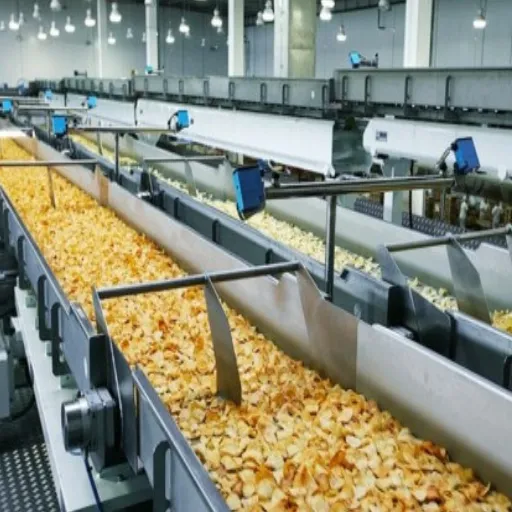
After extrusion, the product usually undergoes several other stages like drying, seasoning, or coating to improve the flavor, texture, and for shelf life purposes. Drying assists in moisture control by bringing it to the required levels thus aiding in spoilage control whereas seasoning or flavoring works by imparting the required profile to consumers. One of the most effective steps of the extruder is to do all these processes as one. This allows the manufacturer to reduce the level of waste and upsurge the effectiveness of the system, therefore enabling the manufacturer to overtake the competition with regard to the provision of sophisticated novelty snacks.
The Role of Vacuum Frying in Snack Manufacturing
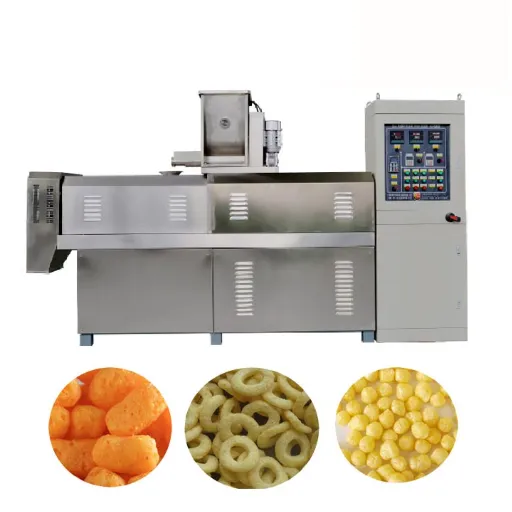
Benefits of Vacuum Frying for Puff Snacks
Some of the delicious snacks are embraced by vacuum frying technology This technology offers good- looking snacks and efficient performance as well. Below are five reasons why that’s the case that would be fleshed out further with explanations and statistics.
- Preservation of Essential Nutrients: The basic principle of vacuum frying is that it is done in limited oxygen conditions and lower temperature compared with traditional frying. That helps a lot in reducing the destruction of nutrients such as vitamins and antioxidants which are highly vulnerable to high temperature cooking. In fact, one study reveals that more than 90 percent of nutritional profiles can be retained when fried in a vacuum compared to regular frying.
- Improved Texture of the Products: Less oxidation occurs during the frying process as the atmosphere inside the vacuum fryer is controlled which results in the efficient puffing of the product an it leads to its ligher and stable crispy airy structure. Such a feature is important in making puff snacks of high standards without any variation.
- Reduced Oil Intake: One product that exemplifies advances in the technology is the vacuum frying, which addresses the issue of high oil contents by providing a proper control of temperature and pressure during frying. The presence of oil in puff snack food items made by vacuum frying method is found to be 40% less than that of fried snacks prepared using traditional methods and hence, meets the current trend for healthy snacks.
- Desirable Taste Characteristics: Frying under vacuum conditions, however, reduces undesirable effects of oxygen exposure such as flavors going stale or ‘off’. This is narratively inclined towards presenting the good essence of a product for a longer period while esteeming its predominant compound.
- Making and Operation Safer Than Before: Despite benefits in products frying can provide in fits of vacuum technology, safety aspects have additionally bettered regarding reducing harmful oil oxidation which enables occurrence of acrylamide. Technologically speaking, it also helps reduce oil utilization since up to 50% of oil extends life within the process thus saving on fuel.
It follows that vacuum frying is a very efficient technique supported both by technology and economics, which explains the tendency to actively use it in producing snacks in the present day.
Comparative Analysis: Vacuum Frying vs. Traditional Frying
Vacuum frying offers lower oil absorption, better nutrient retention, reduced acrylamide formation, and preserves natural color and taste compared to traditional frying.
|
Aspect |
Vacuum Frying |
Traditional Frying |
|---|---|---|
|
Heat Level |
85–160°C |
170–190°C |
|
Fat Uptake |
Up to 7% |
Up to 40% |
|
Nutrient Quality |
Preserved |
Degraded |
|
Toxin Levels |
Low |
High |
|
Visual Appeal |
Bright, natural |
Darkened, browned |
|
Flavor Profile |
Crisp, clean |
Greasy, rich |
|
Health Benefits |
Better |
Riskier |
|
Energy Demand |
Lower |
Higher |
|
Processing Speed |
Faster |
Slower |
Key Technologies in Vacuum Frying Equipment
In the manufacturing of vacuum frying equipment, there are many modern technologies applied to improve the overall effectiveness, quality of products, and eco-friendliness. Usually, such devices work in conditions of reduced pressure since they require less energy to bring liquids such as oil and water to their boiling points. The idea is that when oil is under vacuum, it does not break down quickly, and in turn, the heat damage of the fried food is low enough to allow the retention of almost all of the nutrients and organoleptic attributes of these foods.
- Vacuum System: In the modern vacuum frying apparatus, advanced vacuum pumps are used that are efficient enough to maintain the required pressure during frying. Oil temperatures and moisture content can be easily controlled by changing the vacuum levels thereby providing even heating without charring or creating a crust.
- Heat Transfer Devices: To ensure energy transfer as well as keep oil temperatures within range, efficient heat exchangers which do not require much energy are incorporated in advanced designs. Advanced plate or tubular heat exchangers which are usually available in the mechanisms, increase thermal efficiency and cut down on energy usage hence lowering operation expenses fuel savings targets.
- Oil Filtering Mechanisms: In any oil processing plant, an effective oil filtering system is very important due to the fact that it filters out solid substances and prevents the build-up of polar substances which may lead to the deterioration of the oil. Filtration systems typically include various combinations of mechanical and chemical filtering stages in order to achieve maximal filtration.
- Control Methodologies: In the design of modern vacuum fryers, the use of programmable logic controllers PLCs and HMIs allows one to offer monitoring and control in real time with precision. They interface accommodation of different parameters in a set range is for example temperature, time, vacuum pressure etc in specific conditions those measures enable creating major foods, in particular comestible consistency, with limited scatter in the production.
- Moisture and Vapor Focus: To counter the difficulties with moisture, current designs possess efficient vapor-condensation units courtesy of their nature. These allow swift steam condensation in the enclosed system and avoid any re-moisturizing, allowing the efficient frying cycles without being encumbered by moisture.
- Safety Mutations: Of these safety-oriented apparatus, there could be the pressure release valves and temperature interruption alarms as well as automatic firing off device, to operate effectively and to manage the risks associated with the high temperature and high pressure normal operations.
- Innovations in Construction: In the field of vacuum fryers, construction involves the protective coating of food-grade epidemic stainless steel. This is done in order to prolong the useful life of such machinery and to ensure fluidity of operations. In addition, the modular design permits for easy cleaning and expansion phases which conforms to changes from one food-producing industry to the other.
When combined, these technologies drive growth in the vacuum frying equipment industry allowing for reductions in cost and improvements in quality and safety. The technologies server to aid in the manufacture of healthier snacks whilst fitting the consumer trend of sustainable and innovative food processing.
Efficiency and Quality in Snack Food Production
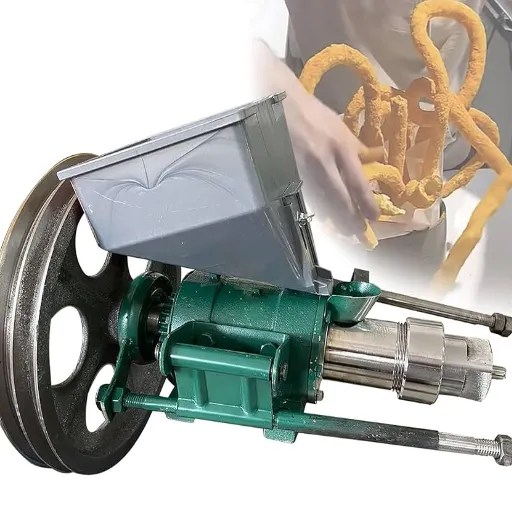
Optimizing Production Lines with Snack Extruder Machines
In the present day apparatus of food production, the snack food extruder machine is an essential tool as it helps improve the speed and consistency of producing snack foods. They comprise of the elimination of the CCTV footage into the Iron dome enables simple and quick automated productions of the required quality. Such advanced technologies can regulate the dimensions, the textures and the heaviness which are required as per the consumer preferences. Snack Food Extruder Machine also saves the stress of its operators since they remove the direct functions in some operations hence providing an effective cost control measures in the production as there would be less interference by workers that tend to create errors during operations.
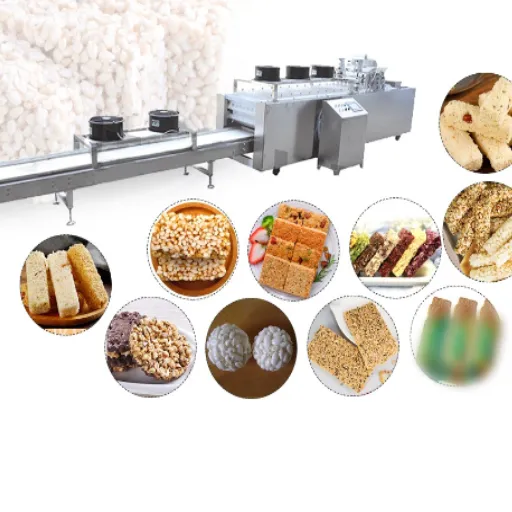
Snack Food Extruder Machine One of the main advantages of using a snack food extrusion machine is the ability to manufacture all manner of snacks including potato crisps, pizzas sticks, puffed rice and energy bars. Advance die heads’ design with modular arrangement allow switching from one product to another on the same line configuration optimally. To this end, totally sophisticated extruders come with built in control panels with real time controls and analysis of the data. This kind of perfection also minimizes quality issues and consequently spared raw materials thereby ensuring environmentally friendly practices even in production.
Moreover, developments in extrusion processes have allowed the design and operational sustainability of machines with low energy consumption. A very good example is the twin-screw extrusion technology which has better mixing of components in the primary extrusion process but has also been altered with power saving motors and a better heat exchangers to sustain heat from the injection. Such modifications help to make efficient use of energy without compromising performance. In addition, when equipped with CIP automated systems, any modern snack food extruders would also reduce downtimes for cleaning, thus increasing the output. By upgrading snack extruder machine with these new technologies, the manufacturers of these products ensure the volume sales of the age-creative snacks.
Quality Control Metrics in Food Extrusion
The quality control aspect in extrusion process while concentrating in food products, aims towards dealing with and comforting lots of measurement and variance of crucial process factors in such a way that the end products do not only meet the expectations but also adapt the intervening statues. Some of these are aimed at controlling the amount of moisture since it determines the texture of the product, its preservation capability and structural stability of the extruded material. Highly accurate control of the feeder moisture does not lock in the extruder before, or during the process, advanced food expansion appears.
On the other hand, it is important that the extrusion barrel zones’ temperatures remain consistent. Rigid thermal control is essential in order to avoid hot or cold spots that may result in distorted over-cooking or under-cooking, as well as safe retention of delicate items like proteins and vitamins. It is crucial that the pressure in the die is maintained as it determines the shape, size, and density of the extruded material. The contemporary extruder lines, especially those used in the snack food extruder machine, usually include highly sophisticated pressure control sensors, and in most cases, they have deformation control within the pressure range.
Additionally, control of density and void structures within those products, such as extruded snacks or breakfast cereals, is also critical. Due to the benefit of realtime density measuring devices, the operators can execute the necessary corrections instantly in case of some deviation, thus minimizing product losses and enhancing quality. As an important factor concerning the consumer, the homogeneity in color of foods can be analyzed using colorimetric devises that incorporate imaging systems and performing color image analysis.
This involves measuring water activity of products and the evenness of the coating application process in order to achieve a better crisping or seasoning. Moreover, advancements in technology allow combining these measurements with integration of control systems, and this reduces the variation in output, improves the efficiency of the process and more importantly, maintains the standards in the industry.
Case Studies: Successful Implementation of Extrusion Techniques
Case Study 1: Advanced Extrusion Techniques in the Optimization of Snack Production
One of the most prominent players in the production of snacks introduced the cutting-edge twin-screw extrusion machines that revolutinated both the creation processes of foods as well as the production levels. The system’s development was specific, with focus on temperature, pressure and feed rate that directly sustain the texture and moisture variabilities. Fifteen percent of fewer materials were wasted and production output was increased by twenty percent almost immediately after application of the systems. Furthermore, the technology also made it possible to produce high-protein variations of snacks which met the changing needs of consumers for food that would not only taste good but also be functional hence securing the company’s business presence.
Case Study 2: Consistency in Pet Food Manufacturing Process
Making dog food has been problematic in terms of retaining the product consistency and nutritional properties in the extruded feed in a reasonable range within the available processes. The application of monitoring system like the automated online control of moisture and density coupled with the up-to-date single screw extruder machine helped in resolving uniformity issues that had long been present in the product. Enhanced sensory equipment allowed stringent compliance to be contained within every lot’s yield. The benefits related to this concept are not only in terms of climatic or energy being used during enhanced production being cut down by 10% but also in able to provide more nutritional value based products. These duplicative products are efficient as well as hybrid in the field of manufacturing.
These illustrations depict how the latest extrusion and automation technology can be applied to solve difficult quality control issues in manufacturing, achieve efficiency, and promote exchange of ideas in industries with very high competition. Making use of simple outputs and straightforward merit systems shall ensure goals that align directly with customer expectations and standards governed by laws.
Cost-Benefit Analysis of Snack Extruder Machines
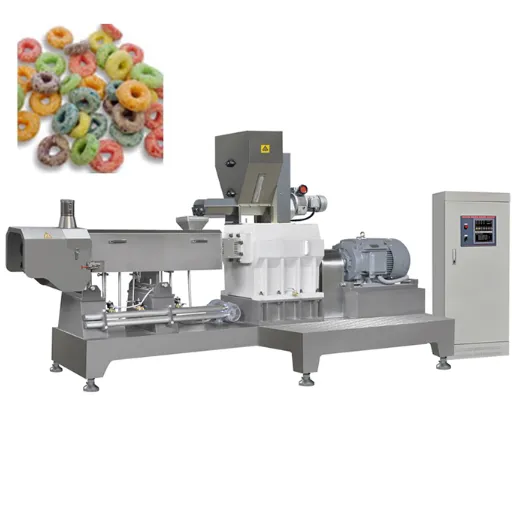
Factors Affecting the Cost of Snack Extruder Machines
There are different inherent and exogenous costs that influence the average buying cost of snack extruder machines. These factors are mainly the capacities for production per machine. Snack Food Extruder Machine with a larger capacity is likely to cost more due to economic implication since economies of scale allow the raw materials to be mixed and cooked in larger volumes. For instance, one can disregard the raw materials used or construction quality of the machine since the two have a direct impact on the price of the machine being the product. Machines made with food grade non-corroding steel fitted with resistant components priced higher than un-engineered simple sticking plates aimed at the longevity, and safe use of food servings respectively.
Another one of the most significant factors to consider is the gears installed in the equipment. More particularly, the modern chairs are equipped with advanced extruder systems with programmable logic controllers (PLCs), human-machine interfaces (HMIs), and automated feedback control systems make these equipment deployed with great accuracy and with les stoppage time. Incorporation of such contemporary features, though costly, lessens the amount of work done by a human, reduces mistakes, and allows an operator to alter the product depending on the consumer’s optical requirements. Snack food extruder machine, which allows multiple shapes and textures with various ingredients, is often more costly as they provide a wider variety of products for manufacturers to produce.
The cost is also influenced by after-sales services and regional availability. Given that the majority of end-users aim to keep their equipment operational for as long as possible, maintenance contracts, manuals that come together with all purchases, and quick access to technical support is important. Also, the costs seem to vary from one market to another as some markets have heavy import duties while others have very light or none at all and most importantly, whether there is a local supplier or not. In this regard, companies need to consider the associated costs of the certain machinery within the sales, utilities, and production progress adequate to all the purchase substantiated. Using the available budget efficiently, producers can secure an addition to extrusion technology if the cost of such development is justified with performance and production targets.
Long-Term Savings and Advantages of Advanced Equipment
Opting for a new model implies that industrial development is based on the principles that require much efficiency, organization and successful operations. Processes designed to improve working conditions and those involved in production have been made possible by the invention of equipment and machinery that are easy to operate. Start-up industries that require enhanced capacity due to their growth intentions have also had their fair share of exposure to milling equipment that may be included in operations and manufacturing processes. Since the electric motor and energy saving technologies have been incorporated into modern Snack Food Extruder Machine, electricity will be consumed less and the same cost will reach very impressive levels for the business over time. Also, because of better operating conditions thanks to control technologies which make the collected scraprate less, it cuts down on raw material costs and negative impact on environment in operating activities.
Sophisticated tools improve productivity by offering more flexibility and customization to the ever-increasing remains of the market. A salient instance is a mobile snack food extruder machine, which has changeable modules facilitating seamless transition from variant A to variant B without the need for expensive renovations or lengthy inactivity periods. Reduced lead times and increase in both production efficiency and quality, guarantees a firm’s survival in industries considered as supply-oriented. Properly functioning equipment that contains machine health monitoring technology allows for prediction and avoidance of any breakdowns during operation. This fortifying factor causes those costs to be less and frequency of breakdown fixes or delays in process of spread to be low.
Considering reduced total cost of ownership in addition to these advantages; these varieties of machines also imply better utilization and allocation of resources which may even – to a certain extent – lessen the dependency on labor. As such, advanced industrial equipment should be a strategic resource for manufacturing companies that wish to enhance continued profitability levels and maintain competitive advantage in the ever-further complicating industrial environment. Given that snack food extruders machines surely need to bring about various benefits for the category, it then follows that these machines would have no value without any such benefits. Encyclopedia This encyclopedia entry contains information on the snack food extruder machine, the production of which is growing in popularity among snack food manufacturers.
Future Trends in Snack Food Extrusion
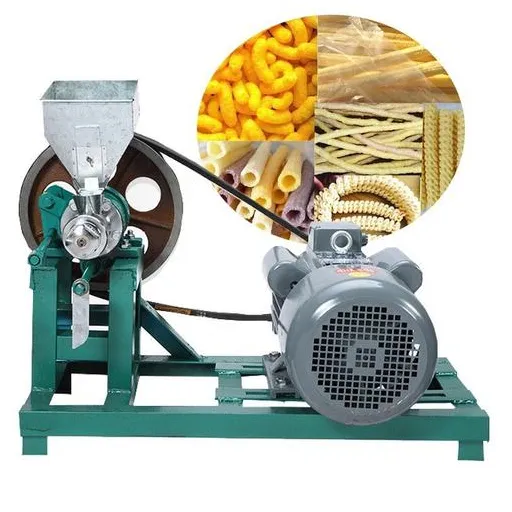
Innovations in Extruder Technology and Equipment
A snack food extruder machine as combined with new sensor networks and IoT based smart devices has brought a new look on even snacks food processing industry as one incorporates production parameters control even on-line. Current extruding machines have attached inside data acquisition devices for registering of such temperature, pressure, revolution and moisture level states with great precision. The collected information by these systems is impossible to overlook and can thus be used on condition based maintenance systems as unproductive operational time is avoided due to predictive performance modeling and data analysis.
Furthermore, historical and real time of operation data are being turned into actionable insights through the use of machine-learning approaches aiding energy and ingredient management within the best models of extrusion. Adaptive control systems with feedback enhance their performance in terms of production consistency and environmental friendliness by making it possible for the producers to achieve the highest standards of waste management. For example, segmented screw designs in modern twin-screw extruders provide enhanced flexibility for the production of different product formulations in response to the increasing consumer demand for new textures and tastes of the products.
This is a demonstration of the increasing emphasis being laid on automation and data driven approaches to improve productivity and quality of the products shielding present-day extrusion technology as inevitable in the future.
Market Trends in Puff and Snack Food Production
Manufacturers today, in their production processes, have a strong emphasis on the installation of energy saving equipment and effective use of precise processing aids to cut back on wastage and the over utilization of resources. These ever so present failures can be successfully avoided by investing in IoT technologies and use of big data to provide machine-learning based maintenance services. There is market growth of perspective – the more dynamic the market development process is there, the growth of such on-demand tray decorations channels or rather reaching different consumers directly due to the window of opportunities in the world and its e-commerce development. Production to the Marketing level of goods, a personalized way of advertising and a well-managed distribution chain offers some level of success in this uncertain economic period.
In an engineering sense looking at installation of energy-conserving equipment and more importantly the precise tools of production is key to waste reduction and as well no overuse of any given resource. Where predictive maintenance coupled with IoT and machine learning methodologies management of equipment failures is high. And within such scope bet weened the politicians who have been sued today due to the volatility of the idea of a gove state for the noti onal intere st expan nation of avere ve strategy relation argume spation that is correspon eaning to lead to the court of practices that serves as if th catcher mar jably has formed such gattles and othe reach-situ resources. In these case scenarios, focusing on soft marketing and focusing on the supply chain production process offers a much better level of competitive advantages.
In geographies, particularly in Asia-Pacific, the dominance in growth is expected due to increased urbanization and growth of middle class population where as the steady growth of the growth in North America and Europe will continue with these advanced and developed markets focusing on premium and organic segments. Snack Food Extruder Machine is expected to grow at a CAGR of greater than 6% over the coming five years highlighting how desired and easily learnable this industry can be given the ever increasing complexity of customer behaviour and prevailing economic conditions.
References
-
Using Extruder Die Design to Create Healthier Processed Foods
This article from Cornell University discusses the role of extrusion in creating healthier processed foods. -
The Role of Preconditioning in Food and Feed Extrusion
Published by North Carolina State University, this resource explains the preconditioning process in food extrusion. -
Effects of Extrusion Process Conditions on Nutritional Properties
A detailed study on how extrusion impacts the nutritional and sensory properties of snacks, available on PubMed Central. -
Extrusion-based 3D Food Printing – Materials and Machines
This academic paper explores the use of extrusion in 3D food printing, highlighting its innovative applications. - Click here to read more.
Frequently Asked Questions (FAQ)
Q: What is a Snack Food Extruder Machine and what is its working principle?
A: Food machinery which is extensively used in many food industries is called a Snack Food Extruder Machine. Such machine is able to take some ingredients and turn them into, puff corn, puffed snacks, kurkure, cheesy balls, corn chips and even more. Common forms of extruder, either single warmed up or double warmed up extruder, take cooked mass and extrude it through some specifically designed die, the temperature, the pressure and screw speed being accurately calculated; thus a mixture expands and swells when the surrounding pressure is lower, which results in the birth of puff corn or other such extruded products.
Q: What snacks can be produced in corn puff extruder?
A: A Snack Food Extruder Machine can be utilized to produce confections like puffed cereal snacks, corn chips, cheese balls, and potato chips. It can also make non-conventional materials like raw materials for namkeens, various T. V. P forms, etc. Extrusion is an important method in face of foods; the dough is fed through a die to obtain different patterns and consistencies; these assist in preparing many more items.
Q: May I know the difference between single shaft and dual screw machine for making puff snacks?
A: It is easier to use the single screw for small scale production and simple formulations since the design is easier to implement. On the other hand, the twin screw eliminates these limitations and increases the mixing and product precision and efficiency. As a result, in situations where the final quality matters, twin screw mixers are used. Such situations include high output production lines or complex recipes that require even expansions for the puffs’ pistoning as well as thermometric control and minimized losses.
Q: Do I need to purchase any equipment for assembling a whole system for snack foods extrusion with packing included?
A: Designing a complete processing line for production of extruded snacks demands inclusion of a puffed snack food extruder, suitable pace conveyors for transportation of products, drying, flavoring machines, and packing machines including automated snack food vertical form-fill-seal machines and sealing solutions for packs. The use of the machines ensures efficient production of puff snacks, cost reduction due to workflow organization and adherence to food safety legislation.
Q: What is the role of a snack food extruder machine in the manufacture of puff snacks and how can waste be minimized?
A: With a snack extruder, it is possible to effectively enhance or modify the cooking parameters such as temperature, revolution of screws, and orientation of exit ports, hence very less emulsion can be rejected due to extra cooking or uncooked product. The modern extruded products processing equipment is designed in a manner that better utilizes the raw materials, reduces power consumption, increases productivity and thus maximize profitability in the manufacture of food products
Q: Is there a general manual or an ultimate guide for mounting a line of puff snacks production?
A: Yes. The general or an ultimate guide generally includes manual or recommendations for different tasks such as picking the corn puffs machine, cutting your production layout, finding the puff corn extrusion machine that fits your needs, avoiding high labor costs by substituting them with machines, protecting food from microbes and packaging plants. It shall also deal with solutions or formulations for extruded products, capacity equipment which is meant for large scale production and ways or means which will increase production capacity without compromising machine efficiencies and quality of the product.