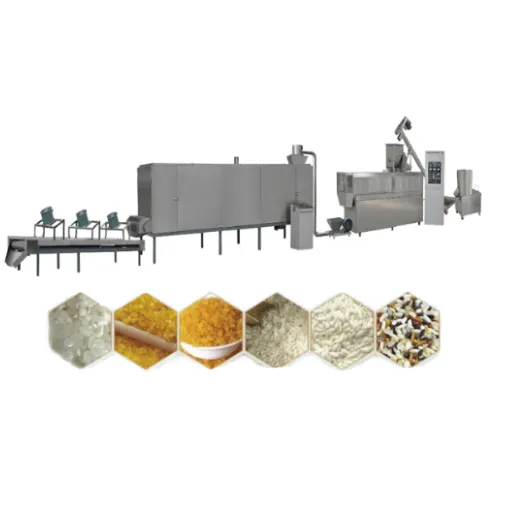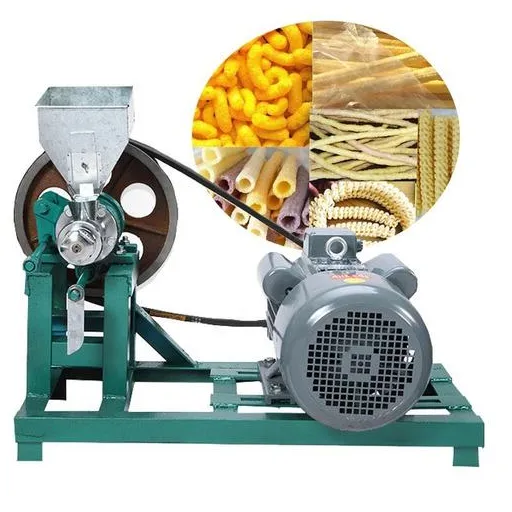
Sustainable manufacturing practices with advanced technology applications emerged as the main research area for the food sector. The rising global demand for environmentally friendly solutions compels businesses to implement sustainable packaging production processes. Snack food producers, in particular, face unique challenges and opportunities when implementing environmentally conscious solutions without compromising efficiency or product quality. This article examines how modern snack food extruder machines can be effectively integrated into production lines to support sustainable packaging initiatives. The innovative machines establish waste reduction methods which improve operational accuracy while meeting changing consumer demands for sustainable business practices.
Understanding Snack Food Production
The Process of Food Extrusion
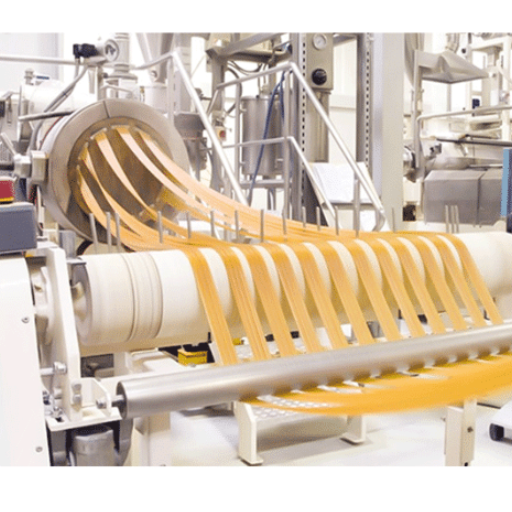
The food extrusion process uses high-temperature and high-pressure conditions to push ingredients through a special barrel which produces consistent processed food products. The process consists of multiple steps which must be completed in order to achieve the necessary quality standards for the final product. The main components of the process consist of ingredient preparation, preconditioning, extrusion, and post-processing.
The blending process begins with raw ingredients which include grains and starches and proteins to create a uniform mixture containing specific moisture and temperature characteristics. The preconditioning stage begins with the heating of the mixture to create a partially cooked state which will enable it to be fed into the extrusion machine. The process requires steam or water to be injected into the material for the purpose of achieving specific texture and consistency results.
The extrusion process forces the material to pass through a die which produces the intended shape while the material undergoes immediate cooking through high-temperature and high-pressure vaporization. The product experiences molecular structural changes due to the combination of heat and shear forces which create improvements in both digestibility and texture. Post-processing involves the steps of cutting and drying and flavoring the extruded products. The standardized procedure produces snacks which include cereals and crackers and puffing products through an efficient process that generates extremely low waste.
Key Components of a Snack Extruder Machine
Snack extruder machines use essential parts which operate together to create high-quality extruded products through efficient production methods. The components operate at precisely defined mechanical and thermal which guarantee product manufacturing uniformity and consistent output and dependable results.
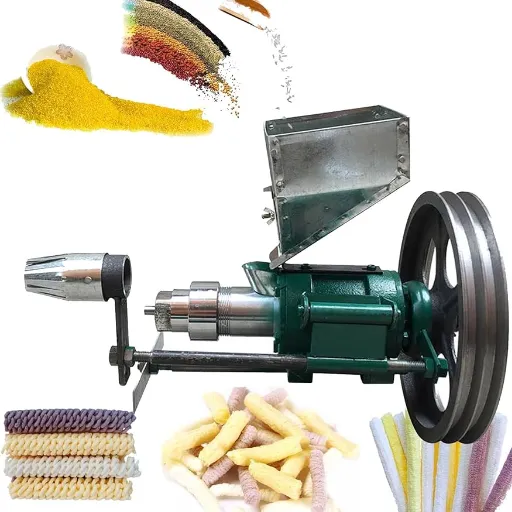
- Feeding System: The feeding system is responsible for introducing raw materials into the extruder. It typically consists of a hopper and a feeder mechanism that ensures continuous and controlled input. The process establishes material movement across the system which results in uninterrupted product flow and material transition throughout the entire production process.
- Extruder Barrel and Screw: The extruder barrel houses the rotating screw which functions as the main element of the extrusion process. The screw moves the material forward while applying mechanical shear and pressure. The screw’s design including its pitch and diameter determines factors like mixing efficiency and the degree of cooking. Different barrel zones are heated to precise temperatures to facilitate optimal material transformation.
- Die and Cutting Mechanism: The die serves as a custom component which designers use to create specific product shapes through the extrusion process. Manufacturers can create various shapes and sizes through the production process by adjusting the die configuration. The cutting mechanism uses rotating blades to cut the extruded product which exits the die into equal parts.
- Control Panel: The control panel in advanced extruders enables operators to modify temperature and pressure and screw speed settings. The system enables operators to manage extrusion operations with exact precision thus generating identical results through multiple production cycles.
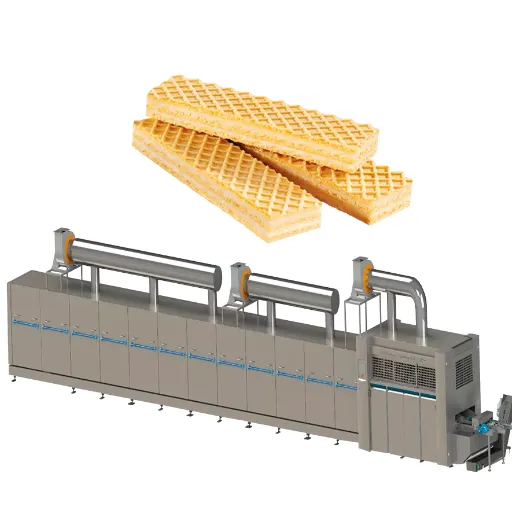
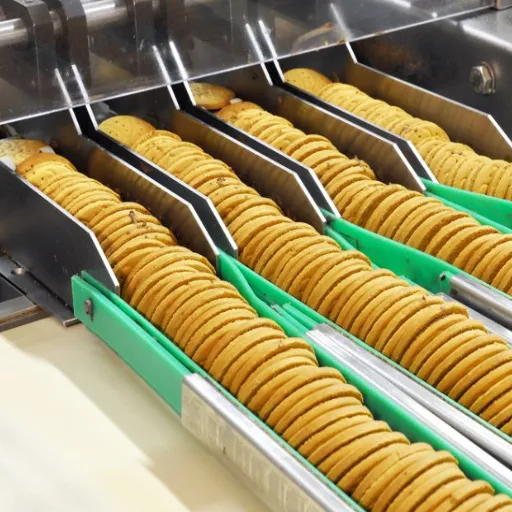
- Post-Processing Components: After extrusion the product needs to undergo multiple processing steps which include drying and cooling and coating. The components complete the product’s final texture and flavoring and packaging preparation process to meet required standards.
The system operates as a unified system which provides consistent extrusion results. Through the system operators achieve complete control over the extrusion process.
Types of Snack Foods Produced
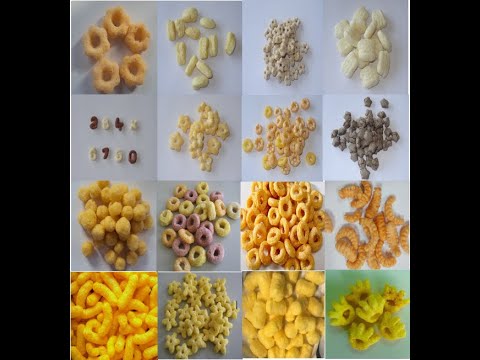
The method of extrusion technology produces various snack food items which match different tastes of customers and requirements of the marketplace. Puffed snacks represent one of the most widely produced snack types which manufacturers create through the process of expanding basic materials by using controlled pressure and temperature methods. Cheese puffs and puffed corn and rice-based snacks serve as examples of puffed snacks which enjoy widespread popularity because of their light texture and tasty flavors.
The category of formed or shaped snacks includes various products which consist of potato sticks and vegetable-based chips and related food items. The process of manufacturing these snacks requires the creation of specific designs through shaping raw materials which results in a finished product that attracts customers through its visual charm. The snacks can undergo additional seasoning and coating processes which enable them to achieve specific flavor profiles that match regional and global taste preferences.
The market also includes snacks which use coating or seasoning methods to prepare trail mix and coated nuts and caramel-dipped popcorn as their main products. The snacks begin their production process through extrusion but undergo further development when new flavors and colors and coatings are added. Manufacturers can use this ability to create diverse snack products which help them reach specific niche markets. The snack food industry demonstrates how extrusion technology provides multiple applications through its various categories of products.
Innovative Extruder Technologies
Twin Screw Extruder vs. Single Screw Extruder
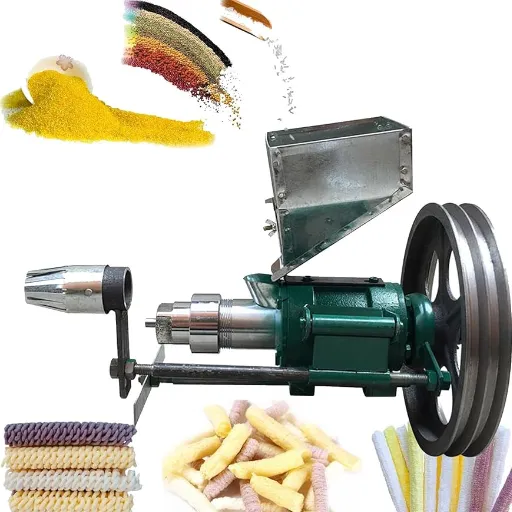
Twin screw extruders excel in versatility, efficiency, and advanced processing, while single screw extruders are cost-effective, straightforward, and ideal for basic operations.
|
Aspect |
Single Screw |
Twin Screw |
|---|---|---|
|
Design |
Simple |
Complex |
|
Mixing |
Basic |
Advanced |
|
Cost |
Lower |
Higher |
|
Output |
Moderate |
High |
|
Control |
Limited |
Precise |
|
Versatility |
Low |
High |
|
Energy |
Efficient |
Moderate |
|
Maintenance |
Easy |
Complex |
Advancements in Food Extruder Machines
The drive towards efficient, accurate and flexible food production has largely driven the evolution of food extruder machines. Modern-day technology advances embodied into the systems over the years have contributed to better process control, minimization of waste and consistency of the end product. For example, smart sensors and IoT-enabled systems have been incorporated to allow real-time monitoring of temperature, pressure and moisture levels during the extrusion process. These devices optimize the quality while the variations during the processing are held to a minimum.
Along with that, the construction of advanced barrel and screw materials made it possible to extend the life and the capacity of the extruder, thereby limiting downtime. Additionally, another noteworthy breakthrough provides multiple stages of extrusion: such machines are capable of conducting more sophisticated processing like simultaneous cooking, texturing, flavor encapsulating in one processing cycle. Such capability is particularly sought after in the manufacture of protein-based or meat analogue systems, due to handling difficulties, among other things.
Sustainable development is an essential feature among most new extruder designs as well. Superior efficiency models employ effective thermal deposition, and waste heat is absorbed into the processes for further use. Also, in aerial trends, there have been manufacturers producing some of these systems which include packagings made of recycled materials, as part of evolving strategies to address environmentally-friendly protective measures. All this, to say that technological breakthroughs that can be seen nowadays in relation to food extruders illustrate how the machines used to produce food are looking at two aspects, firstly performance, and then other issues such as pollution in the food industry today.
Benefits of Using a Snack Extruder
- Improvised Manufacturing Process: The Snack Food Extruder Machine eliminates the need for separate mixing, cooking, and shaping processes, which is quite time-consuming. This study showed how this enhanced processing method could potentially shrink the processing cycle up to 30%, increase output, and cut overall costs of production.
- Flexibility in Product Development: The current snack food extruder machine designs provide the possibility to make an endless list of snacks just by tweaking the available options on a machine such as the temperature or the pressure of the machine as well as the die configuration. As a result, they facilitate the development of varying textures, shapes, and tastes of playing products to suit changing consumer interests.
- Preservation of Product Quality: While working, these extruders control every process step precisely such as controlling moisture, temperature and pressure, therefore the quality of production is consistent in every batch produced. This is critical in order to protect the image of the brand and to meet the market’s expectations.
- Economically Viable Manufacturing: In snack extruders, operational costs are complemented with energy consumption and cost-efficient waste management during production. Also, extrusion can use less expensive inputs and still produce quality outputs, which is quite efficient.
- Sustainability and Environmental Benefits: Most of the current snack extruders are also fitted with energy recovery systems and use friendly to the environment materials. Such practices are good to the environment in terms of what the process does to the environment and supports the industry and existing laws and regulations on production.
Integration of Sustainable Practices in Production Lines
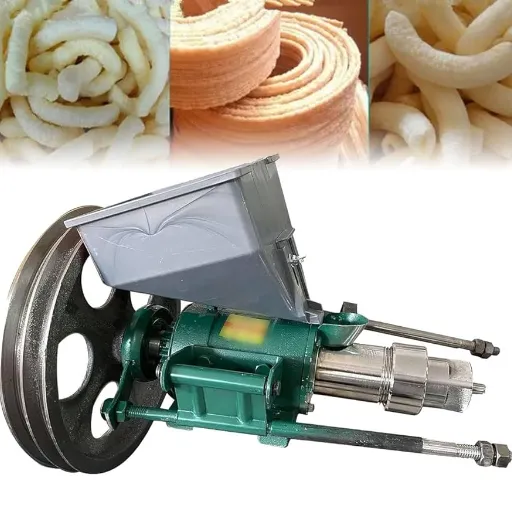
Eco-Friendly Materials for Snack Packaging
Snack production companies both large and small are leaning toward the use of eco-smart materials owing to the clients who get attracted by the packaging that contributes less to the pollution. These materials are eco-friendly since they do not allow pollution of the environment and at the same time help in meeting the relevant functionality, durability, and food safety demands. For instance, popular eco-packages are manufactured using bio-degradable polystyrene utensils. Examples include polylactic acid (PLA) biodegradable plastics made from corn starch re-newed sources or compostable materials which are broken down in food deposits within an industrial or a household shovel.
These days, looking at the environmental degradation thought process is quite different for new materials with innovative packaging development because there are plant films as well as cellulosic wraps that offers the functionality of plastic but it is fully recyclable or biodegradable. Furthermore in the light of sustainability, use of paperboard surfaces to consume products is becoming more admirable because it fabricated from softwoods which are grown under controlled rainforests or FSC as it is commonly known does not hypercarbonate green among other trends and features.
Available data indicate that the global green packaging industry will likely be worth $474.2 billion by 2028, growing at 5.7% CAGR during the 2021 forecast period. There are two major dynamics, namely, enhanced policies restricting single-use plastics and the rise in consumer consciousness in relation to environmental concerns. Hence, organizations whose manufacturing processes have incorporated eco-friendly components are not only cutting emissions but at the same time, meeting current regulations as well as improving their reputation to consumers who are green.
Reducing Waste in Snack Food Production
The necessity to cut down waste in the production of snack foods is crucial for environmental regulations as well as enhancing productivity and effective control of expenses. By means of utilizing advanced processes optimization and materials recovery systems, production waste is hugely minimized. Precision equipment such as optical sorters and automatic quality control systems for example eliminates the production of defectives and optimally utilizes the resources.
Moreover, setting up byproducts recovery programs allows manufacturers to convert the waste into secondary products such as animal feed, biofuel or food additives, helping in economy approach. Lean manufacturing techniques such as just-in-time production are also applied which also helps in preventing over production and inconvenience by the excess inventory. And of course, a customary Snack Food Extruder Machine requires additional storage area for a drying process whose size is determined by the amount of moisture in the dough before a vacuum forming process takes place.
Systems that utilize the digital platform do not only provide monitoring and analysis in real-time but also help against inefficiencies and misuse of materials in the production line since it tracks the usage of all materials. For instance, in the fourth industrial revolution, or industry 4.0, tools like IoT sensors and AI driven software algorithms deliver business information that enables changes to be made within a very short period of time in order to cut downtimes and losses of materials.
Besides that, more work with other partners towards acquiring eco-friendly input materials or improvement in the packaging materials employed is another aspect that is worth mentioning since it aids in reducing wastes and meets the needs of the environmentally conscious customers who yearn for even more healthy snack food products.
Energy Efficiency in Food Extrusion Processes
More elaborate details on energy utilization in the food extrusion process is one of the focus areas for the improvement of industries energy conservation and reduction of unnecessary expenses. Among the major attention of energy dependence focuses on thermal and mechanical parameters in the extrusion chamber, order and profile of screws, and ingredient properties. Monitoring of all these process parameters, specifically the feed rate, moisture level, and barrel temperature, is an indispensable necessity for consideration to enable energy saving in this process.
Modern production facilities are equipped with cutting-edge equipment which involves diverse arrays of real time devices and sensors allowing them to gather the most comprehensive information regarding operations. Application of current technologies simplifies and enhances predictive analysis and creation of energy saving strategies that are specific to each production situation. As for instance, there are systems incorporating motors with variable frequency drive (VFD) that decrease the power utilized by altering the speed of the motor only if the load conditions changes.
It is also worth mentioning that there are thoughts moving in the direction of improving the overall efficiency of the processes by employing methods, which may be termed as heat recuperation, heat recovery or heat reuse. Exhaust gases from extruders and heat from cooling sections of other machines may be exploited thereby saving energy an increasing the heat equivalent of the alloy. Such practices help in reducing energy even further and contribute towards green food production processes as well.
Snack Food Extruder Machine seeks to optimize energy into further activities since the facility evolves. Machine learning may be used in such circumstances as it allows collecting and analyzing past and present data to offer modifications of processes in normal operation that utilize less energy. In this way the reduction of wasteful use of resources, both in terms of energy and raw materials, remains a work in progress but progress is always occurring.
Challenges in Snack Food Production Lines
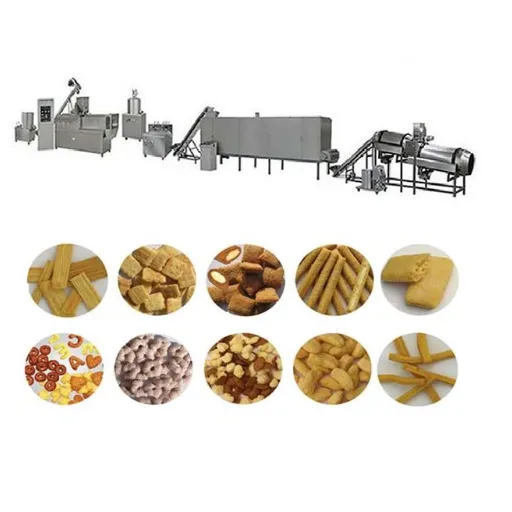
Maintaining Product Quality in Extrusion
It is crucial for the companies that produce foods through extrusion to control the quality of their products at every stage of processing. Significant end-product differences, which could be in the texture of the product or its flavor or even the structure — and hence physical durability of the product for a particular use — are typically due to variations in the moisture content, particle size, and so forth in the raw materials used in the process. Therefore, it is of utmost importance to achieve that temperature, pressure, and screw speed are contained within the acceptable limits. Quite lately, process control systems with sensors and control drift compensation including the feedback control systems have been incorporated in extrusion machines in order to check the unwanted process variation henceforth ensure that the products are processed according to the desired process.
Statistical analytics along with tools powered with machine learning are being increasingly adopted by many manufacturers to improve quality control in the process. Using information spanning from all stages of the extrusion workflow, those can detect any fluctuations or dangerous trends before the expenses related to low quality issues arise. Hence, it would be easy to make changes in the operation such as slowing or increasing the feed rate if necessary to avoid any small variation that would make the product not uniform thereby resulting in loss. Furthermore, the observed emphasis on algorithmic improvement in the design is not only beneficial in improving the end product but also serves in improving the process of production.
The area of material chemistry is an essential condition for the preservation of given properties. Take for instance an extruded snack filled with starch-based ingredients which insist on a high level of strict gelatinization process to bring out the needed texture and form according to consumer preferences. It is well understood that moisture and heat lend interactiveness with the configuration of the starch molecules thus anything outside the stated range of them would reflect negatively on the starch gel. Efforts to improve ingredient systems through increased material understanding are continuing for reasons that ensure snack product designers can achieve reliable behavior where it matters most – during production. All of these processes and the acquired scientific knowledge allow the production of a constant high quality with respect to the market dynamics.
Regulatory Compliance in Snack Food Manufacturing
Snack food manufacturers are responsible for providing safe and quality products within the constraints of regulations applicable to their activities. Such institutions include, but are not limited to the Food and Drug Administration (FDA) of the USA and the European Food Safety Authority (EFSA) in the EU. Any deviation of the food ingredients, labels and the process of production is considered to be legally unacceptable. These guidelines ensure that food borne diseases, allergens, fraud in labelling of products, among other things that might affect the health of the people, are kept as low as possible.
World producers are also under obligation of good manufacturing practice with pre-establishment and hazard analysis critical control points. In simple terms, GMPs guarantee the products’ quality by implementing strict control of processes whereas HACCP demands detection and management of any hazards likely to occur during the production. Furthermore, new sets of regulations especially towards waste management such as plastic reduction in packs to minimum or at least to a bearable levels during production are going to define any compliance structure.
In any case, it is crucial to be aware of the determinants of the regulatory regime with direct implications or those which might have such implications. It is also important to have and execute proper internal inspection procedures in order to remain within certain guidelines. In a lot of these processes, the use of innovative and effective traceability or document management systems allows controlling bodies to ensure their efficacy, without incurring in the risk of disrupting the operations of certain individuals or groups. The consequences of non-compliance are very serious, like recalling the products, fines and loss of reputation, portraying the centrality of regulatory awareness in what can be called the snack food production.
Adapting to Market Trends in Snack Foods
The Snack Food Extruder Machine current’s developments, culture of consumption and even demand from the market have had transformative effects on the snack food industry as we know it today. Such health aware consumers are now looking for snacks that are consistent with consumption, that is, very low calorie, high protein, and that the calories come from nutrient dense sources. As a result, more and more manufacturers are drawing on plant-based products, organic labels, and functional food with health benefits such as probiotics, fiber, and antioxidants. Also, in the wake of a global clean-label revolution, brands have responded by removing colored and flavored additives and have started to supply clear product formulation charts and ingredient origin information.
With the advent of new technologies and data analytics, it has become easier for snack manufacturers to respond to these changes in trends. The incorporation of sophisticated tools in consumer behavior helps to identify the consumer’s consumption profile, and predicting the changes, who and how the consumption. This has been possible due to interdisciplinary personalization development based on AI, which has made it easy for manufacturers to create options for customization of snacks based on personal flavor preferences and diet specific needs. Also, change has been made towards improvement investment, as consumption of foods in environmentally safe packages, or with sustainable ingredients is as a rule attracts significant segment of consumers. These attract green shoppers and fulfill where applicable regulatory as well as environmental concerns.
Effectively planning one’s competitive strategies in the snack food industry today requires localizing and broadening existing product concepts to innovation within cultures and international taste buds. There has been a rise in the call for regional tastes as newer generations are keen on authentic fused snacks and not just any other snack that has been made modern. Global role models are revered and assembled in a particular range of products so as to enable even the snack brand to keep up with the times and function in the contemporary society. Along with the extensive use of digital channels and person-to-person marketing, there is a realization of how these activities help a business build its image, appeal to customers on the ground and push for innovative products. The ability to adapt to these evolutions becomes a key factor of survival for an industry that thrives on ongoing consumer growth in each and every subsequent period.
Future Trends in Snack Food Extrusion
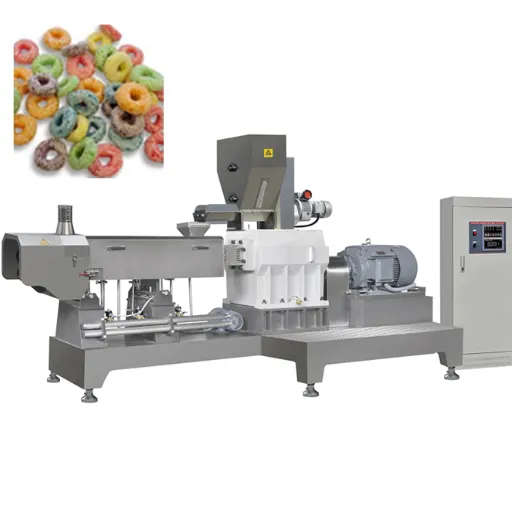
Emerging Snack Food Products and Innovations
Changes in the dynamic tasted snack food extrusion to healthy snacks are spearheading the developments in the sector. Products that are healthy and especially, protein rich, together with sources of protein from plants such as peas and lentils is becoming more and more common as more people consume them. In the same way, the penetration of meshbacks containing prebiotics, probiotics, and other unconventional constituents augments the rise of interest in facilitating digestion and stress alleviation.
Another rising trend is textile and flavor combination advancements. The snack development has achieved multilevel products comprising both crispy and chewy textures due to extrusion of dough. Modernized equipment such as the Snack Food Extruder Machine allows for the combination of different layers within a snacking product, as well as the development of oriental or exotic centered flavors. These could be very well flavoured with kimchi or harissa or even matcha. Similarly, conscious indulgence has contributed towards acceptance of new ingredients including food waste products such as the spent grains and even the fruits that otherwise may have been discarded, presenting fewer opportunities for disposal and more for the economy.
A number of companies tend to utilize recent advances in packaging in view of environmental issues. Edible and biodegradable packaging is an emerging trend that consumers want most as it provides heretofore impossible zero waste solutions to their needs. These changes happen in the context of a growing concern for better food and beverage products since existing ones simply wont do anymore for the health conscious and sophisticated consumers since they are all monotonous and full of unnecessary ingredients. For the better snack and beverage packaging this concerns only aesthetics and functionality that will not satisfy contemporary active and social consumer while it should.
Predictions for the Snack Food Market
The trends within the snack food industry are expected to experience futuristic changes initiated by the technological change, consumer behavior and the environmental initiatives across the globe. Manufacturing process is expected to become more efficient with reduced wastage due to the inclusion of AI-driven processes and IoT in automating manufacturing activities. The market for healthy or functional, especially plant-based, snacks free from protein additives is also expected to increase.
There will also be a need for customization and this will be enabled by data analytics and innovations such as 3D printing of products. With the help of the collected data, companies will be able to determine the segments they should concentrate on, even the new ones. They will make snack products possible for everyone’s preference, restrictions on food and allergenic reaction included. On another note, the online distribution channel is going to be very useful in selling snacks where the consumer-oriented and business oriented consumers are going to be targeted by pre-installed packaged and subscription based ecommerce channels.
The agenda of the industry will remain dominated by sustainability. Manufacturers will focus their efforts on minimizing the environmental impact of snack production, right from using eco-friendly packaging material to adopting sustainable transport means. It is expected that plant-based snack foods and food products made of recycled waste will become more prevalent in food systems meeting also new market trends.
In general, the promotion of the snack foods industry will sustain because of resilient consumer expectations for creative, flexible, and well-traceable production practices. All these factors will change completely how snacks will be produced as well as distributed.
References
-
Extrusion in Food Processing: An Overview
This paper discusses extrusion cooking technology, including its application in snack food production and the use of single and twin-screw extruders. - Click here to read more.
Frequently Asked Questions (FAQ)
Q: What functions does a Snack Food Extruder Machine serve?
A: Also known as a Snack Food Extruder Machine, it is a type of industrial equipment that applies direct extrusion to process a wide range of raw materials into extruded products such as crispy fried snack items, corn puffs, pasta, meat analogues and animal feed with the use of heat in the food sector. In the system, the extruder is the central part of the process in most food processing lines or lines meant for snack production, and the onus of regulation of factors such as residence time, temperature and screw arrangement features, in order to obtain a certain form and texture for engineering of the product in such a big volume of operations in such industrial food production lies with it.
Q: Can extruders with parallel screws help in multiple manufacturing processes?
A: Medical Devices for Sterilization, Medical Autoclaves, Microdentistry Devices are mainly used to produce a far reaching range of food items such as puffed snack, corn puff, breakfast cereal, pellet feed, sandwich rice and high moisture texturized food. Most of the twin-screw extruder layout enhancement enables better mixing, heating on the barrel surface and improved modeling or more difficult to handle food structures such as these two twin expansion screw Snack Food Extruder Machine.
Q: What are the individual benefits that could be gained from extrusion cooking and what is the control from one stage to another of the product primarily contributing the most to?
A: The mechanism of high-pressure extrusion process in the Snack Food Extruder Machine helps to cook raw feed and when extruded out of the die, the expansion of the cooked feed leads to puffing. Starch is gelatinized, protein denatures, and essentially a puff is created because there is pressure inside the extruder. Puffing of food has been with mankind for well over a century. It can be described as a very old technology of expanding foodstuff, which utilizes hot air based techniques in order to create a certain foam texture. This effect is often enhanced with an optimized amount of moisture.
Q: What kinds of additional equipment should be included in the main puffed snack food processing equipment?
A: Typically, an entire system of a puffed snack food making machine entails having the existing milling and mixing equipment – the Snack Food Extruder Machine (this could either be a corn puff extruder machine or twin-screw extruder) powered to cut and transport material, optional frying equipment fitted for fried snack lines, the use of seasoning and cooling equipment and the conclusive activity of packaging. Dryers and pelletizers may be incorporated in pellet and pet food production lines. All this equipment comprehends high-productivity machinery for food processing.
Q: Do all materials fit in an extruder and if not, what select materials?
A: Sure, the current extrusion technology is open to various raw materials for instance grain such as corn, rice and potato as well as wheat, soy for TVP purposes, and combination pelleted feed like pet and breakfast cereal. The ability to force the dough through the extruder will be determined by the formula used, moisture level, duration of extrusion, settings of the screw, and whether the extrusion system can be calibrated to facilitate operation at the high temperature or moisture conditions. Appropriate designs of formulas and machines are important for uniform expansion and forming different geometries.
Q: How can snack foods in a puffed state be made differently from snacks in a fried state that are made by extrusion?
A: Preparation of puffed food products in snack food production generally makes use of steam expansion and pressure release at the die discharge of a Snack Food Extruder Machine for processing corn puffs or other puffed food products, while some process of fried snacks production usually involves dashed line cutting, shaping, followed by frying in the case of snorted puffs. Extrusion cooking is capable of making different shapes which can be fried directly or non-fried seasoning type chef-shape depending the kind of cooking and the process line in the snack production factory.
Q: Would you please elaborate what is most considerable for the manufacturer when it comes to corn puff extruder machine or corn puff machine price?
A: Manufacturers, when selecting the corn puff extruder machinery, would consider the output (where high volume is required), one-screw or both screws machines (twin screw being more advanced and complex), the ability to fit into their existing food processing and material supply systems, power needs, the structural quality of the extruder machine, and the level of support and spare parts availability. Also, the fitting of the machine with the food grade oil frying, seasoning and sealing, and machinery should be considered. The price of the corn puff machine does depend on size, degree of automation and completeness of the capacity in being able to produce puffed snacks, therefore, would be weighed against the cost of ownership and production benefits.