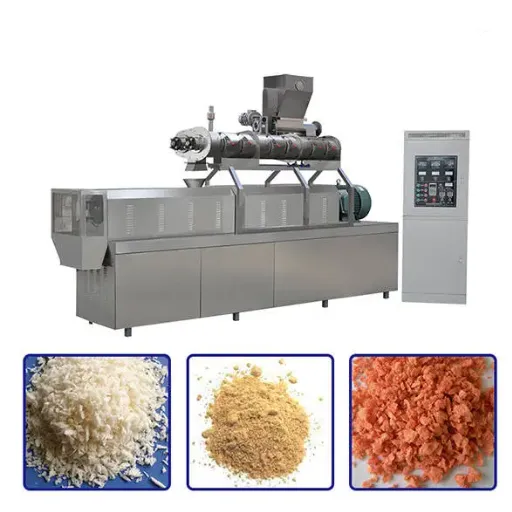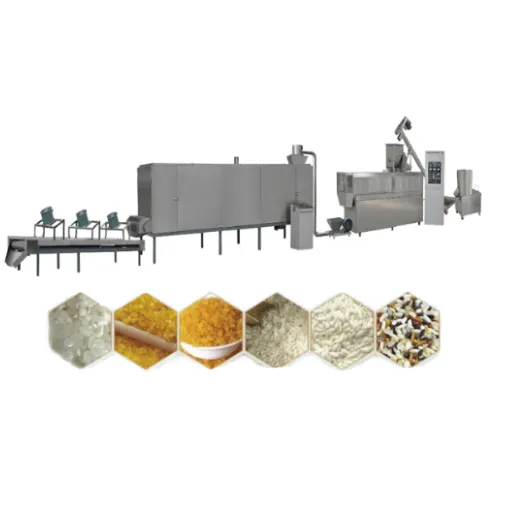
Rice serves as a fundamental food source for more than two billion people around the world because it constitutes a basic component of meals in various cultural traditions throughout different geographic areas. The present focus on rice processing methods has grown more significant because nutritional needs of people have started to change. The article investigates the primary distinctions between natural rice production methods and fortified rice production methods to demonstrate how these two processes affect nutritional value and operational efficiency and health advantages for users. This comprehensive study enables industry experts and nutrition specialists and general public users to comprehend how technological advancements are transforming rice production methods while assessing their effects on food security and human health.
Overview of Rice Production
Introduction to Rice Milling
Rice milling is a vital procedure which transforms harvested rice grains into consumer and industrial edible products. The main goal of rice milling operates to eliminate inedible materials which consist of the husk and bran while the process aims to protect grain integrity. The final product reaches high quality standards which make it suitable for storage and consumption and subsequent processing. The nutritional value and texture and overall quality of the rice depend on how effectively the milling process functions.
The process typically begins with paddy cleaning, where impurities such as stones and dust are removed. This step is critical to prevent contamination and damage to the milling machinery. The process begins with dehusking which separates the rice kernel from its outer husk to produce brown rice. The whitening phase leads to white rice appearance because it removes the bran layer from the grain. Advanced machinery is designed to retain optimal yield while preserving the structural integrity of the rice grain.
Modern rice milling technologies integrate automated equipment to enhance precision, reduce losses, and improve efficiency. For instance, innovations like optical sorting machines and multi-stage milling systems ensure higher milling recovery rates and better grain uniformity. The advanced methods affect bran which results in the loss of certain micronutrients but fortified rice production should be implemented to solve potential dietary deficiencies.
Importance of Rice in Global Agriculture
Fifty percent of the world’s population relies on rice, a crop that is fundamental because it acts as a major food source, and this one crop is completely detrimental to a lot of people all over the world. Nowhere is this more true than in Asia region which accounts for almost nine out of ten of the rice that is produced and consumed worldwide. In multiple developing countries, rice is enabled to solve the greatest problem of food more easily as it constitutes the majority of food or the main source of food eaten. It is very important especially considering the global commodity value of rice due to its tolerance to different climates and ease of growing this crop in normal farming conditions.
In terms of importance, rice farming plays a significant role in the creation of earnings, especially in economically marginal areas where it is grown. The full range of farming activities from growing to distribution is of tremendous interest to the small or the small-scale farmer since it is the primary source of work and foreign exchange earnings. Furthermore, rice export plays a central role in boosting the economies of major rice exporting nations like India, Thailand and Vietnam. This helps the regional and international market economy and makes rice available to alleviate the needs of areas that do plant food.
Rice farming is not only significant for food and economic security but also has a huge impact when it comes to issues of sustainability. Across the world, many farmers are adopting old practices with innovations such as better water management, pest management, and crop variety so as to lessen the environmental impact of such farming activities. Growing governments and institutions associated with agriculture are encouraging these farmers to adopt good rice cultivation practices in order to match mar and at the same time cut down on the carbon footprint that arises from the production of the precious cereal. Rice pretrniues in the global context as a tradetion, originating out of neccessity – hunger, poverty alleviation and agricultural sustainability.
Types of Rice Production Lines
You can group rice production into three major types in view of techniques used and degree of mechanization. They all fit particular scales of operations and environmental capacities and/or technological needs in the society- heightening Agricultural versatility.
- Types Of Rice Production Line: For traditional rice production lines, they are heavily dependent on human labour and very little machine power is used when performing operations. Such systems are evident in areas where agriculture is on case to case subsistence levels among many developing nations. The process involves preparing the land, transplanting, and harvesting and post-harvest supporting of the produce and in most instances, it is done through the use of simple instruments. Such methods combine low technology development but flexible to different environment as well as enhancing the local employment.
- Semi-Mechanized Rice Production Lines: Semi-mechanized systems, not being a novel technology, are neither fully mechanized nor traditional methods. Simple mechanical implements, such as mechanical hoeing or rotavation, mechanical transplanting, or irrigating techniques, which may reduce the amount of labor, are encompassed in this chapter. An apparent resolution will be able to use such an approach in the case of medium-size farms, where there is currently a shortage of the facilities or equipment which can allow full mechanization.
- Rice Production Lines in a Fully Mechanized System: Actualizing rice production in a mechanized system however is done by the application of equipment at every level of both growing and processing rice. It includes drainage machineries, controlled planters, harvesters, and modern rice mills meant to enhance the performance. This working set is mainly applied to the agricultural practices of large farms in developed countries since it offers cost saving measures and improvement in crop production without over relying on human labor.
Each of the systems represents the territorial and economic conditions where rice is grown in the world, addressing the needs or resources available, or both. Due to the need for investment, infrastructure, and regional preference for agricultural sustainability, it is often impossible to move from one system to another without difficulty.
Understanding Rice Mill Production Lines
Components of a Rice Mill Plant
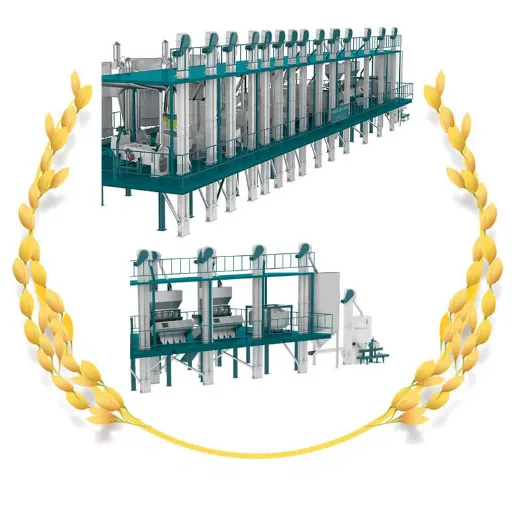
When setting up a rice production line, many different types of equipment are used for huge output of the milled rice, rice polisher, a material handling plant and other necessary components. These components form the complex structure of the work and are very useful as they make it effective. The fundamental units of each and every facility presenting a common rice milling facility are listed as follows:
- Skimming: The machine cleans out bin contamination such as sand and stones, feathers biological waste including dust that is common in fresh paddy. Normal cleaning enhanced by vibrating and rotary systems is practiced for accurate cleaning.
- Desikha: A device to degrade the quality of the paddy stones, this device, with mechanisms exploiting density differences, removes stones and heavy matters from paddy for safe and quality products.
- Paddy strainer: It lays a thin film by orderly cycling all grains having the same grains of different color and density in a motion, dehusked paddy from brown rice is collected into different compartments along with other machineable residues.
- Rubber Roll Sheller/Dehusker: The paddy husker machine works on a friction basis for keeping the husk layer from the unprocessed paddy. The use of rubber rollers allows performing the hulling process with a high efficiency and little breakage of the grains.
- Rice Whitener/Polisher: It is the one, which removes the bran layer and results in a white rice. The types utilizing the abrasive /friction polishing principles highly enhance the appearance of the rice by beautifying its surface.
- Grain Grader: A rice grader grades the rice according to the size and eliminates pieces and also goes a long way in homogenizing the end product.
- Color Sorter: In optical graders, the sorting is performed in colors of the rice grains, excluding the defective/dark items, thus for entering the processing stage and for release of products free from such proteins.
- Storage Bins and Conveyors: Storage bins and conveyor systems are automated for the storage and transport of any as well as end products at increased hygienic levels eliminating hard labour.
- Packing Section: From that point, the smooth grains in the pipeline are sorted into the milling categories for rice that is polished and packed into packing machines. The machines are fully automated and there is no human intervention in weighing and packing of processed rice.
IoT and AI enhanced technologies in modern rice processing plants are associated with the increasing use of precision techniques to monitor and track processes in real-time and analyse data to enhance efficiencies. More generally, sustainability is achieved through the use of such items which also incorporate energy saving devices for the demand for more eco-friendly practices in agriculture is growing.
How Rice Milling Equipment Works
Such a rice production line should function considering on the one hand higher performance of the operation, on the other hand less fiber loss during processing. The first step is cleaning the product; which raw rice paddy being loaded into the machine with interred sieves and aspirators to clean all unnecessary materials including but not limited to stones, white dust, broken arises with different noise and lesser of Ethiopian rooftop as there is no hay. Next, the hulling machines employ rubber roll hullers in dishing out the outer cover of the grains, which is undertaken while at the same time working fast enough not to destroy the rice.
Upon dehusking, the resultant rice is further subjected to whitening or polishing whereby, the milling system either through the use of abrasives or friction rakes the bran layers to produce white rice with no variations in texture. Nonetheless, multi-stage polishing is often incorporated into modern whiteners to avoid withstanding much heat which may destroy the grain. After that, different sizes and quality levels of milled rice are separated in different grades by the grading machines for processing final products.
Examples of such equipment are the new ones that use precision milling technology because of automation sensors and integration of IoT applications. For instance, the systems consist of real-time alerts and stores include capabilities of measuring parameters during processing, such as grain size, temperature or moisture content. The objective of these optimizations based on real performance data is to achieve high quality of outputs, reduction of energy used and improved visibility and management of operations. To add to this, the use of pneumatic conveying systems and vibrating screens for separating materials allows for effective and efficient means of carrying out these processes without posing any risks, such as those generated while handling those materials, which makes the milling process easy even with the industrial scale.
Advantages of Automatic Rice Mills
Modern rice production line systems have evolved to industrial and economic practices involving minimal or no manual labor, thanks to the technological advancement of automated processors. The most compelling success story is that these systems increase productivity many times over, by facilitating the processing of large quantities of rice without employing hosting intervention. Controlled operation and high precision engineering factors ensure quality delivery as key variables such as dehusking pressure and polishing speed and temperature are regulated within an acceptable range and monitored continuously.
With the adoption of advanced monitoring and control systems, it is possible for the rice production line to be reinforced with greater energy efficiency. Energy waste tends to be controlled and costs of operation reduced without compromising productivity. In addition, the automatic rice mills are equipped with a number of modular units such as husk blowers, bran separators, etc. which facilitate proper management by utilizing the by-products produced for other purposes like energy generation from biomass and animal feeds production.
The other labor aspect is that automation reduces a lot of the lifting and the reaching activities associated with the work, also preventing accidents cue to such activities and keeping up the pace of work. Moreover, there are state of the art safety features incorporated in the modern automatic mills such as the overload systems and dust abatement apparatus for safe and smooth operations in relation to the set occupational health regulations.
Advanced automated rice mills also improve the sustainability of the rice industry. Employing new technologies to reduce broken rice and more efficiently use resources, thereby significantly reducing waste. This plays an important role in addressing food security issues globally as it helps utilize the limited raw material by increasing its productivity. In conclusion, embracing automatic rice mills is in line with industry pressures that are aimed at improving efficiency safety and eco-friendliness of agricultural processing.
Fortified vs. Natural Processing
The Process of Natural Rice Milling
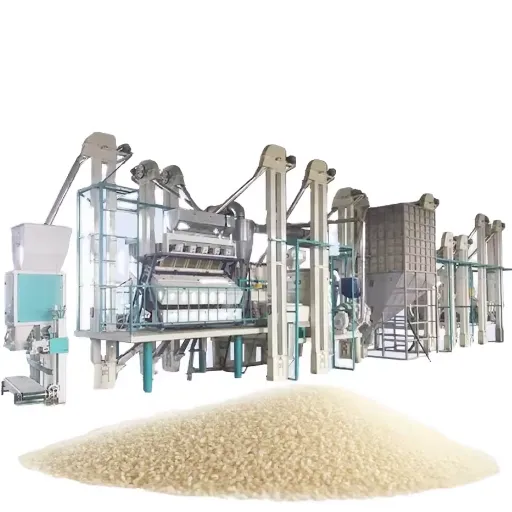
Traditional rice milling involves a conventional method that focuses on processing rice with minimal operations so as to preserve the nutritional value and the shape of the grain. In executing this process, a series of steps, which are quite clear in definition, is involved with the beginning, which is cleaning of the paddy of impurities in the form of stones, straw, or dirt. The paddy thereafter having been cleaned shall be taken to the next stage of development, that is husking whereby the husk shall be removed in a mild manner in order to get the brown rice grain. This principle works with most potatoes, who are dense and difficult to compress. As a result of this, basic nutritional components are retained, namely, celluloses, elements of magnesium, and vitamins of the B group.
After all the grain is husked, The raw grain undergoes polishing, except that this process is either greatly limited or omitted in natural milling techniques. This is done to minimize the removal of the bran layer, which mostly contains important nutrients such as vitamins, minerals and antioxidants and natural rice milling avoids use of chemical or synthetic additives where possible for what is known as rice production line. The practice is also in the face of increased clamor for healthier and more sustainable meals in the form of whole and unprocessed foods.
Even though an automated process is not considered a major element in natural rice milling, there is some modern mechanization only to an extent, which aims to enhance the economies of scale and variability of losses, and it does not affect the end product. For instance, nowadays, some natural milling units have installed precision sorting machines to sort out any broken and underdeveloped grains in a better way. For instance, this method is a blend of practicality and tradition in the full extent, respecting the traditional practice, and the technological advances available.
Fortification Techniques in Rice Production
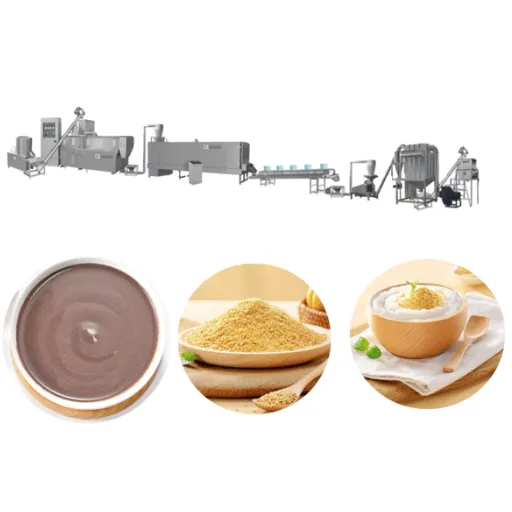
In order to improve the nutritional value of rice and to combat the problems with microelements deficiency among the populace that mainly consumes rice, rice fortification is used. Basically, rice enrichment is achieved through coating or blending approaches, where vitamins and essential minerals such as zinc, iron, folate and B complex vitamins are added. In the coating technology, fortified pre-mix is coated on the rice grain kernels such that it is sticky in nature, whereas, in blending, physical mixing of fortified and regular rice kernels takes place. Fortification includes extrusion technology which makes fortified rice with homogenous micronutrient content possible due to the high level of accuracy In some regions fortified rices are made through extrusion of rice powder added with nutrients followed by running the mixture through an extruder to form and cook rice shaped grains.
Development work on rice fortification now includes a dual fortification rice development that addresses both Iron Deficient Anemia as well as Iodine Deficiency Disorders. The double fortified rice kernel components are encapsulated and an appropriate stable form is used for iron salts obviating cooking conditions adverse to these sensitive nutriants. This innovation has ensured that fortification does not alter the flavor or appearance or consistency of the rice, all critical attributes for acceptability by the consumers. As a plus, the enhancement of rice fortification techniques has optimized the Rice Production Line such that the large scale fortification of rice is both feasible and affordable for the private sector and public health programs.
Recent studies have highlighted that constructing nutrient rice extruder equipment underdeveloped is highly efficient in dealing with nutrient deficiencies in terms of changing such populations. For instance, initiatives targeting global nutrition regimes, such as the inclusion of rice fortification in diets, particularly in young children, has resulted in a statistically significant reduction in anemia prevalence output levels. Additionally, with advancements in nutrition stability, fortified rice is already patented how to proceed, even in the harshest environments or storage solutions. Such a combination of scientific additions and creative elevation in practice suggests that the use of rice fortification is a most important activity in the struggle against malnutrition.
Health Benefits of Fortified Rice
- Cutting Down Iron Deficiency and Anemia: The rice that has been enriched with iron is very handy in making red blood cells. Research findings have indicated that people who live in such a region and consume such rice experience reduced cases of anemia. Such is one study carried out in Southeast Asia whereby the number of women in the study inflicted with anemia was reduced by 35% due to the intake of esta fortified rice.
- Boosting Intellectual Abilities: The consumption of fortified rice with the incorporation of basic nutrients like zinc, iron, and folic acid has also been found to promote brain growth and performance of the brain especially in kids and teenagers. It has been observed in studies that these areas experience impressive school performances after a long period of the fronts taking such rice.
- Support for Pregnancy and Fetal Development: Women in pregnancy benefit from the consumption of fortified rice supplemented with folic acid and vitamin B12 due to the lower incidence of neural tube defects in children. Evidence from research conducted in Latin American countries indicates a 23% in the instances of birth defects associated with folic acid deficiency after the inclusion of fortified rice.
- The Immune System Benefits: An absorption of fortifications, such as vitamin A and zinc in fortified rice, strengthens the immune system and aids in efforts of overcoming any infection or disease. In sub-Saharan Africa, the incidence of common illnesses like respiratory infections among school-age children dropped by 28% after eating fortified rice.
- The Problem Of ‘Hidden Hunger’: Another word for hidden hunger is micronutrient deficiencies among the human race. It is an issue very common among people and results in numerous side effects in the long run. Rice production line was started for the aim of delivering all the much needed micronutrients like vitamin D, B-complex vitamins among others in all the meals. In turn it prevents health complications due to malnutrition among others. According to data from UNICEF, the extent of micronutrient deficiencies is reduced by up to 40% in the communities with fortified rice programmes.
Modern Rice Milling Techniques
Integrated Rice Milling Systems
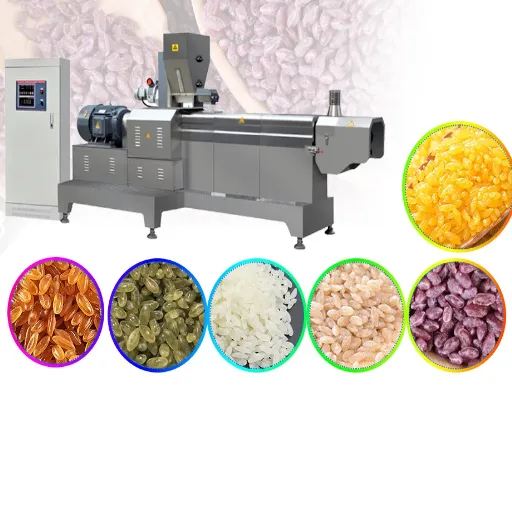
Rice Production Line: Rice mills now support a range of automated processes that work in unison for quality assurance and operational effectiveness. Most of the manufactured systems consist of several stages for the performance of cleaning, dehusking, paddy removal, polishing and grading with utmost accuracy. Such machinery also uses sophisticated gadgets like optical sorters and system controllers to achieve uniform products and hence reduce human intervention. Most importantly, such a system is designed to optimize grain breakage, which is one of the key factors of productivity as well as cost-effectiveness especially for processors addressing the upper segment of the rice market.
Integrated systems comprise an integral rice production line process to ensure grains are first, cleaned of all foreign objects such as stones, debris, immature grains among other materials even before starting milling, and this process is very crucial. There are pre-cleaners and for example there are de-stoners for instance, all these with sensors that minimize rice loss when cleaning and removing the contaminants. This leads to the dehusking step, which happens through the use of rubber roll shellers and allows enhanced husk removal without damage to the kernels. Paddy separation which comes right after dehusking employs modern gravity separators capable of effectively distinguishing unhulled from brown rice to ensure easy processing of all rice. All these steps are interconnected and there is no stop or slow down of production as everything moves efficiently.
Moreover, certain technologies like polishing and grading, used in the integration of rice mills, are considered extremely important in the rice business as these systems help to attain customers’ requirements. A machine used for polishing contains abrasives that scrape off the layers of bran to make rice more appealing and smooth to the touch. The graded machines retort and distribute the rice grains into different categories as per the size and weight of the rice and a plurality of markets for the rice. In contemporary designs, waste recovery technology is included so that by-products such as rice bran can be used for the feeding of animals or making oil that makes it more economical and conscientious. The society integrated rice mill is able to handle these demands while increasing the efficiency in production making it part of the current global food processing sector which enhances and economizes resources as well as food. Rice Production Line containing all above stated machines is provided as rice processing factory for the client.
Role of Technology in Rice Processing
It is quite clear that the use of modern technology in the manufacturing of rice has transformed this industry. That is, and there is no exaggeration in this argument, there is no wastage, efficiency is optimized, and yield is maximized. Several improvements which have been undertaken have significantly advanced the international production practice, while at the same time meeting the set benchmarks, as more than five technologies can be shown, together with their functions,in the rice production line below.
- Preliminary Screening and Dust Collection Equipment: The most sophisticated pre-cleaning equipment uses highly efficient separators into which various impurities such as stones, straws, dust, and any other unwanted particles that are like stones can be removed much earlier than the time rice reaches milling. This prevents frequent downtimes due to clogging and abrasion of the internal components of the further processing machine and enhances the standards of the incoming product.
- Huskers without Human Intervention: To achieve that, the paddy husker is equipped with an automated rubber roller that removes the husk from the rice kernals with very little chance at breakage. Based on the current technology, these systems’ efficiency of shucking exceeds 95% and facilitates a decrease in the shucking costs.
- Visual Sortation Systems: Highly efficient optical sorters with cameras and AI serve the essential function of removing defective and discolored grains. The sorting process itself lasts for several hours and guarantees the output will be within allowed standards even when it is intended for the domestic production or export.
- Multi-Pass Milling Machines: Multi-pass milling machines utilize multiple whitening and polishing steps ensuring that it removes a smaller amount of grains during the finishing processes. It can be adapted to the extent of polishing as desired by consumers and the level of this aspect of the market, with the minimal and trim effectiveness.
- Sophisticated Understanding of Processes: Smart control technologies allow for intelligent monitoring of the entire production process using programmable logic controllers, commonly abbreviated as PLCs, as well as human-machine interfaces, also known as HMIs. These mechanisms furnish the users with moisture content, grain production rates, power consumption, and other variables in real time, maximizing costs and quality.
All the above techniques prove that modern instruments can enhance rice processing operations to the highest productivity level as well as create new market niches and improve eco-friendliness of the sector.
Choosing the Right Rice Milling Equipment
Factors to Consider When Selecting Machinery
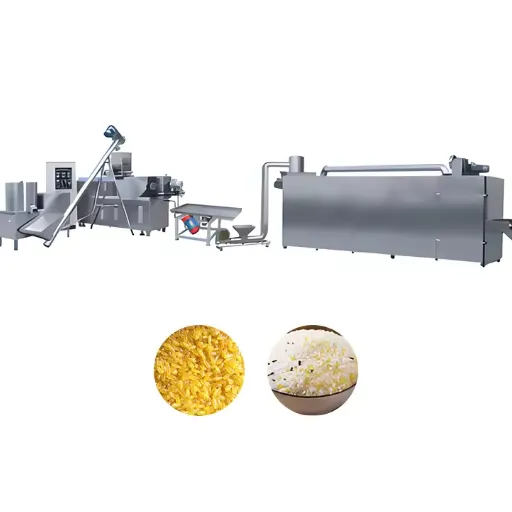
Rice Production Line will include some core operational and technical parameters that will affect the performance, efficiency, and cost. The first of all is the capacity or throughput of the unit in question. It is imperative to pack equipment related to the purposes of production, whether it is a small operation or an industrial production facility. That is, it is important to know the number of units that can be produced in one hour of operation and that under no circumstances would the equipment be used to produce less than the specified amount of units.
The next key goal is energy savings and power use. New milling machines mostly employ cutting-edge technology to ensure better energy use without affecting performance. Reduction of idle energy can realize effective savings on the cost of operations plus minimize emissions. Moreover, machines with adjustable features and controls are better as they enhance the smooth running of operations and cater for different milling needs.
Finally, the durability and refurbishing requirements of the equipment also matter a lot in the selection process. Using tough materials together with easy and robust mechanical structures prolongs the equipment’s useful life while keeping the cost of repairs low. Availability of necessary spare parts and help desks should also be taken into account in the appraisal. Also, it goes without saying that the equipment will need to adhere to international hygiene and safety standards, especially if the milled rice is meant strictly for foreign markets. Evaluation of these aspects will ensure rational business decisions that guarantee the continuity of an enterprise.
Cost Analysis of Complete Set Rice Production Lines
Total Expenditure on Rice Production Line from Scratch or Setting Up a New Rice Mill Varies as but Not Limited the Following Core Factors; Capacity, Level of Technology, the Equipment Elasticity to Various Types of Wear and Tear, the Domicile of the Manufacturing Company. Take for example production lines equipped with the most up-to-date automation and monitoring digital technology require high capital outlay but cut down on labor costs and other operation costs in the long run.
It also must be considered that the possibility of cost neutralizing arises with the power of the machines. Very cost as well as time efficient small lines are on the market. Usually such lines process 1-10 ton/day. Nowadays, large plants are in common use and such production lines are in fact more costly as they process over 100 tonns per day. For example, additional features like color sorting can be added to the processing line because they ensure better quality of grains. Or a feature like a husk recycling system that adds in sustainability might be added, this increases the cost and even special benefits come in handy especially when the demand is high.
Per the region in question, the costs entailed in setting up the production line can be affected by such factors as the cost of labor within the region, the costs of tariffs, and the transportation cost. Acquiring equipment manufactured by the major world leaders in countries like Japan, China, or Germany for instance, would attract more cost at the outset in terms of shipping and importation but offers a better technology that the local provides cannot offer. What commercial entities must do is to properly assess the costs beyond the purchase price, that is including and not limited to, installation, maintenance, and operational cost, among others, to have an effective analysis.
Understanding the latest available industry standards and cost modeling tools will be necessary in order to correctly project ROI’s. With this in the bag, plus a deeper knowledge of the actual functionality requirements, it becomes possible for the organization to ensue a procurement and Rice Production Line management strategy which ensures profit in the long run.
References
-
IRRI Rice Knowledge Bank: Milling and Processing – This source provides detailed insights into rice milling systems, by-products, and quality assessment.
-
USDA Economic Research Service: Rice Sector at a Glance – Offers comprehensive data on U.S. rice production, trade, and global market trends.
- Click here to read more.
Frequently Asked Questions (FAQ)
Q: What exactly is Rice Production Line and can you explain the working of an overall rice milling production unit.
A: Rice Production Line implies a whole solution that is proposed to realize since from paddy forming and harvesting to packing brand new red rice; even beyond. An overall rice vacuum packing machine, that is sometimes knows as a complete set rice processing module or a single set of solution for rice processing, contains the equipment and steps such as cleaner (rice cleaner), disintegrating (rice huller/ husker, or decanter), stripping or denudation (rice separator), bleaching or polishing (roller rice mills), separation or sifting i.e. classification (rice grading), Control of the Corresponding Colors such as Color sorting (rice color sorter), and the packing of rice (rice packing machine). It is a methodology of utilizing paddy rice efficiently beyond consumption to produce high quality rice, finished rice or certain outputs such as for instance, parboiled rice and long grain rice as per customer requirements.
Q: What is a complete rice milling machine system or auto rice milling machinery outfitting? What does this entail?
A: Complete machinery for rice milling or fully automated rice processing line comprises, normally, a rice cleaning machine, destoner, rice husker (huller), paddy separator, second generation rice mill, rice roller machines, rice machines for sorting colors, packager and grader for rice. Moreover, these have modern parboiling equipment as well as computerized rice processing systems. These together provide a complete milling facility – efficient enough for handling the large quantity of rice as well as smaller capacity production to fit within the smaller factory footprints.
Q: How about the factory layout in designing of a large scale rice processing plant or rice milling operation?
A: What one considers when planning to construct a new rice production plant or enlarge the already existing more advanced rice processing should include the available output, in-put/output organization in relation to the layout of a functional processing plant and sections where preliminary, milling, packing, raw rice and processed rice storage and/ or access has been considered. Any design of the factory is therefore optimum when it is able to maintain rice temperature in a narrow range, keep parboiled rice and raw rice properly separated, and provide for automated rice processing and efficient,rice handling to ensure more effective production and other given processing and production requirements.
Q: Is it possible to adapt Rice Production Line for parboiled rice or any special processing of rice, for example – long grain rice?
A: Of course, the processing line is aimed at the process of specific transformation for parboiled rice, long grain rice or combined rice products. In the case of parboiling, it is necessary to steam and dry the rice before milling or in case of long grain rice it might be required to cut it gently without breaking and grade it without causing grain breakage. Such production line contains parboil tanks, a drying section, and appropriate milling as well as rice precision settings for manufacturing rice with 100% acceptance.
Q: How extreme is the use of rice packing in a rice production line?
A: The preparation of rice for packaging and transportation is the very last step in modeling the Rice Production Line as milling the rice properly and conveniently packed ready for further distribution. This optimal packing of rice safeguards the product, achieves accurate dosage and enhances the market appeal by packaging. It is essential to note that some of the contemporary rice packing machines have the advantages of allowing a monitoring system in the rice processing section, therefore, facilitating the whole production process, eliminating the foreign matter, faster and consistent delivery of quality finished rice to customers.
Q: In what way do rice cleaner, rice husker and rice separator aid rice processing and reduction of breakage?
A: Within the rice production line, a cleaner separates impurities and detars rice from pebbles prior to undermilling, a husker delicately declutches the made up of tan; while a separator segregates the brown rice from hulls or unhulled relean paddy. All of them lessen grain deformation due to heating up of rice during processing and braking rice internance and heating up of rice processing days leading to profitably high whole rice yields and nearly perfect processing plants. By ensuring that these devices are properly adjusted improves the quality of the rice, reduces the requirement for secondary milling and attains the appropriate rate of production with the precision of rice.