Korean cup noodles are hard to beat when it comes to fast and filling meals. The combination of convenience and strong taste is hard to beat. These noodles have traveled around the world and, they have become very popular because of their exciting taste and the fact that they are available in so many different ways. Korean cup noodles can be very spicy and hot or very tasty and soothing soup-like. There is always a choice suitable for every taste bud. But what are the things that make them so unique? What is the role that Korean cooking plays in their tiny form? This guide will lead you through a delicious journey, probing into the past, looking at the varieties, and understanding the attraction of Korean instant cup ramen. A noddle connoisseur or an enthusiastic eater wanting to try out new stuffs? Then you are going to find out the tips that are behind this universally adored comfort food.
Introduction to Korean Cup Noodles

What Are Korean Cup Noodles?
Korean cup noodles are a type of instant ramen that is quite popular and most convenient among the kinds of instant noodles that are produced in South Korea. Moreover, the product typically contains precooked & dried noodles along with seasonings and dehydrated toppings such as vegetables, meats, or seafood in a disposable cup or bowl. The instant noodles are intended to be prepared really fast and can be served within minutes just by adding hot water to them.
These cup noodles are noted for their strong tasting, and they usually characterized with the spicy, savory, or umami-rich taste which is the main aspect of the traditional Korean cuisine. The collection has been made to feature great Korean dishes such as kimchi, jjajangmyeon (black bean noodles), or bulgogi-inspired. The unique Korean cup noodles are made by balancing the spices and different ingredients so that they can be portable with the authentic and pleasurable taste.
One of the products in the Korean cup noodles line that was initially not very widespread but is slowly moving into the mainstream is the cup noodles in Asian and non-Asian flavors. Growing demand for such a product mainly from the youth has resulted in various manufacturers introducing the product in a range of different flavors, and now the market has become very competitive. The Korean cup noodles have truly gained the status of a worldwide phenomenon due to their huge popularity among (and still, growing) food lovers from all over the planet.
The Rise of Instant Cup Noodles in Korean Cuisine
In Korean cuisine, the use of instant cup noodles became popular mainly due to the factors of convenience, versatility, and the fast-paced lifestyle that they matched Korea’s way of living. Initially, these noodles were presented as a quick, satisfying meal for those who could not or did not want to spend time in preparing their food. Nevertheless, they gradually changed into a necessity for everyday life, not only available at homes but also workplaces and even in upscale restaurants where improved versions were offered.
Korean instant cup noodles are distinguished from others by their strong and diverse flavor. Some of the most popular flavors that are already mixed and ready to eat like spicy kimchi, rich seafood, and creamy cheese are very different from each other and thus, attract a wide range of customers. The fusion of local inspired spices and high-quality raw materials not only means that these noodles are easy to make but also connected to the old-fashioned Korean culinary practices. Moreover, the innovations of being able to choose your spice level and adding trendy toppings have secured their place in the modern Korean food culture even more.
The market for Korean cup noodles beyond the domestic one has become worldwide owing to the Hallyu (Korean Wave) phenomenon, which is a major factor in the global demand for these noodles. Not only have the mentions of the product in popular Korean dramas and films but also the facilitation of shipping through the internet conspired to create a strong global fan base for the noodles. The noodles’ pricing, coupled with their ability to constantly alter to the changing tastes of the customers, is indicative of their survival and sustainability in the world food market.
Types of Noodles: Exploring Ramen vs. Ramyun
Ramen and Ramyun differ in origin, preparation, flavor, and cultural significance. Ramen is a Japanese dish with fresh or instant noodles and umami-rich broths, while Ramyun is a Korean instant noodle dish known for its bold, spicy flavors.
|
Aspect |
Ramen |
Ramyun |
|---|---|---|
|
Heritage |
Japan |
Korea |
|
Form |
Fresh/Instant |
Always Instant |
|
Taste |
Umami, Savory |
Spicy, Bold |
|
Soup Base |
Soy, Miso, Pork |
Chili-based |
|
Texture |
Thin, Chewy |
Thick, Curly |
|
Add-ons |
Pork, Egg, Nori |
Kimchi, Cheese |
|
Cook Time |
Hours/Minutes |
Minutes |
|
Tradition |
Culinary Art |
Community Focus |
Understanding Spiciness Levels in Korean Cup Noodles
Guide for Beginners: What to Expect
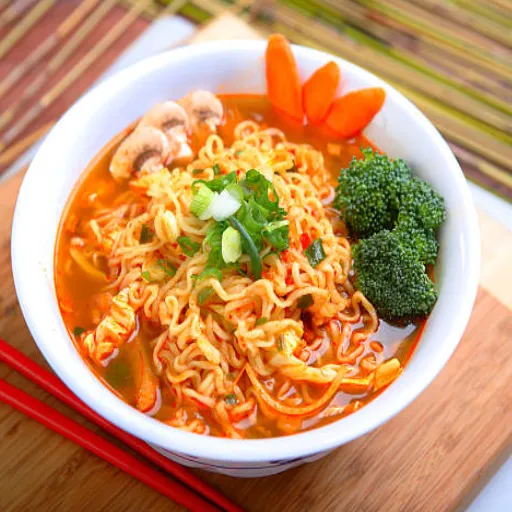
If a person is trying out Korean cup noodles for the first time, the whole process will be a mix of emotions as well as a chance to explore new flavors. The majority of Korean cup noodles come with very strong and impactful tastes that attract very different kinds of people, with a major commonality being spiciness. A novice should get ready for the hotness since a lot of the popular ones were made using gochugaru (Korean chili flakes) or other hot ingredients that have different ranges of heat from mild to really hot.
On top of that, the method of cooking is super easy and it usually just involves pouring hot water and waiting for a few minutes. One cup ordinarily has the dried noodles, seasoning sachet, and sometimes also dehydrated vegetables, meat or fish for the sake of adding different tastes. You could almost consider the experience authentic if you add some toppings like boiled egg, spring onion or kimchi to your cup noodles.
In terms of nutrition, cup noodles are simply a fast and convenient option. However, they are also often high in sodium and calories, hence the need to enjoy them in moderation. It is recommended that beginners try the less spicy or mild flavors first to gradually the Korean-style noodles before getting to the hotter ones. The discovery of these noodles is an amazing culinary adventure!
How to Balance Heat with Flavor
Finding the ideal heat and flavor combination is a delicate process that gives your food a very new life. You can make this part of your cooking by learning the hot and spicy ingredients that are available in the market. Hot sauces, spicy seasonings, and chili peppers will be some of the new flavors that will affect the dish. For example, some peppers are very mild, such as jalapeños, whereas, others are very hot like habaneros and ghost peppers, though they have fruity undertones. The recognition of the variety lets you make the right choices and use the right amounts of the ingredients in the recipe to enhance other flavors in it.
A great way to do this is to take the hot taste with opposite flavors, which will suppress the spiciness and build up the harmony. The sweetness from honey, sugar, or coconut milk will not only be a great heat countermeasure but on top of that, will be an additional complexity layer. Meanwhile, the acidic ingredients such as lime juice, vinegar, or tomatoes will not only brighten the dish but also neutralize some of the spice. The creamy and rich options like yogurt, sour cream, or cheese will not only reduce the heat but also make the dish very smooth due to the dairy products used. Such a method of combining flavors will always keep the spiciness at a point to enhance but never to overpower your food.
Still another significant aspect is to think of the texture and the seasoning. If you add something like nuts or fresh vegetables that are crunchy, they can make a good contrast and at the same time lower the heat perception. Moreover, don’t forget about the salt—it can be the hidden hero of proper seasoning that will reveal the full complexity of the dish and link flavors together perfectly. Uniting heat and flavor is to take the taster through a journey of the senses where the spice is a lively awaken but not a prevailing conqueror—resulting in a very memorable and enjoyable meal for both you and your guests.
Step-by-Step Instructions on How to Prepare Korean Cup Noodles
Basic Preparation Techniques
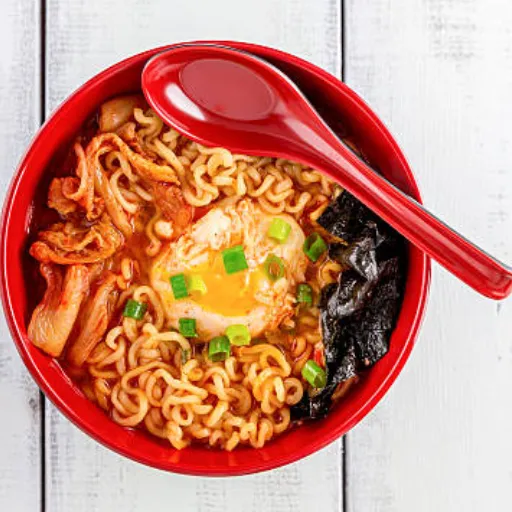
Korean instant noodles have gained popularity as the instant food item that one can rely on when they want to eat something with strong taste and make it fast. First of all, read the exact instructions that come along with the product because that may be different for each brand and even types of noodles in the same brand. Normally, you will have to boil the water, pour it into the cup of noodles (make sure to pour it up to the line) and put the lid on. Let the noodles cook for the time given (around three to five minutes in most cases). To make sure the noodles get cooked evenly, you can stir them once during the cooking time. After the time is over, mix the noodles with the seasoning packets in a way that the flavors get to be mixed up completely.
As an alternative to the standard, you could add more ingredients to make your Korean cup noodles taste even better. Dressing up the dish with vegetables such as green tops, carrots, or bean sprouts can turn the dish into a great one, because of the added taste, the nice texture of the crunchy veggie, and the beautiful colors. If you need your dish to be richer in terms of proteins, then along the line soft-boiled eggs, tofu, or even pre-cooked meat such as chopped chicken or beef slices can be used. These additional components can completely change and uplift the instant noodles from just being an instant cup of noodles to a good reason for dinner, or a more balanced and satisfying meal. Get your creative juices flowing—these personalized details let you define the dish according to your liking.
To conclude, although the usual method of preparation is through the boiling of water, there are also different ways if you happen to be in situations where it may not be possible to do so, e.g., traveling. In case of no hot water, put the noodles in cold water for approximately 15-20 minutes maximum to soften them just enough for eating; however, at this time, the flavors may not be mingled very well. Alternatively, microwave cooking is another fast way that certain brands offer—just check that the materials are microwave-safe. With these methods, you can savor Korean cup noodles no matter where you are and at any time, either through the simple way or a gourmet version of it.
Tips for Enhancing Flavor with Gochujang
Gochujang, a fermented Korean red pepper paste, is a multipurpose ingredient that can genuinely do wonders to any dish. The mixture of sweetness, umami, and spiciness in the right proportions has made it a must-have in the stock of the Korean kitchen and an intriguing candidate in the cooking of the world’s gourmet with the contemporary palate. Just try to get its flavor potential to unfold by starting small and then going up to a level that suits you, particularly if you are not yet that familiar with its loud and complicated nature.
Gochujang can be used as a mixing agent for other ingredients bringing out their flavors and making the dishes tastier at the same time. For example, if you whip gochujang into a sauce of sesame oil and soy sauce or rice vinegar, you will obtain a dressing or marinade that is both spicy and saucy – just right for salads, meats, or roasted veggies. Gochujang might be used in combination with honey or brown sugar to get that hot-and-sweet glaze ideal for drizzling over grilled chicken, tofu, or even seafood. The paste can be thinned out with water or stock to make it as thick as needed, thus making it suitable for different uses from dipping sauces to soups.
Those, who are ready to take the risk and delve deeper, might be surprised to find out how embracing gochujang in their cooking with other cuisines might yield nothing but fun and exciting results. For example, a spoonful added to pasta sauces will give a spicy kick; while mixing it with mayonnaise or yogurt will produce a tangy, spicy spread for sandwiches and burgers. The paste is equally good in soups, building up broths or even making a simple ramen dish more flavorful and hearty. By going the creative way with gochujang and a range of ingredients you can get to discover a never-ending list of improved flavors that suit your taste, making each dish uniquely gratifying.
Creative Add-Ons: Making Your Cup Noodle Unique
A gourmet meal can be unlocked with just a bit of imagination and the right combination of ingredients when transforming a simple cup noodle. Protein additions like a soft-boiled egg, shredded chicken, or tofu add richness and help make the meal no longer just a snack. If you want to increase the texture and crunch in your meal, fresh vegetables such as sliced scallions, bean sprouts, or julienned carrots would be the best choice. As for the healthiness quotient, just winter greens like spinach or bok choy could keep the appearance of the dish and it would be savory as well.
For those who are not afraid to experiment, spices and herbs can be the main source of flavor. A dollop of sesame oil or soy sauce not only give the dish a rich umami finish but also; chili flakes or Sichuan peppercorns ramps up the heat of such a dish. Let us not be terrified by the opposite tastes—sour or sweet—adding a bit of lime juice or brown sugar could be a great surprise for your palate and would further develop spicy undertones.
To produce the restaurant-style look, your cup noodles can be decorated with nuts, toasted sesame or a sprinkle of furikake seasoning. Not only these very little things make the taste better but also, they make your meal very appealing to the eye. Using these inventive extras, it is possible to change an ordinary cup noodle into a custom-made culinary pleasure.
Recipes Involving Korean Cup Noodles

Beef and Chicken Variations
For the beef version, the first step is to cut 200 grams of beef, like ribeye or sirloin, into very thin slices and then into small pieces. Let the slices soak in the sauce made of soy sauce, black pepper, and cornstarch for at least 10 minutes. Afterwards, beef that has been marinated will be sautéed in the frying pan until it is well done. Then the above instructions are followed with the addition of beef and seasoning mix to the noodles for a hearty, protein-rich version.
For the chicken variation, skinless chicken thighs are used, 200 grams that are boneless and cut into strips. The pieces are marinated with soy sauce, sesame oil, and a tiny bit of grated ginger. Fry the chicken strips on the pan until they are golden brown and fully cooked, then mixing them as before into the noodles. This chicken variation gives the dish a lighter flavor that still has a satisfying kick.
The two variations can be topped off with more vegetables, like carrots cut into thin strips, bell peppers, or bok choy, thus adding an additional layer of freshness and texture. These filling options give you a choice of how to enjoy Shin Ramyun, and at the same time, they allow your taste to shine through, as there are many different ways to make it.
Innovative Recipes for Leftover Noodles
Leftover noodles have the awesome potential to be the base of really creative and satisfying meals with really low effort. Instead of dumping them after eating, you can bring them to life by cooking in new ways – the resulting meals will be trouble-free and tasty at the same time. Below the lines you will find some of the inspiring and creative ideas to bring back your Shin Ramyun noodles or any other leftover noodles:
- Noodle Frittata: Mix your leftover noodles with beaten eggs, diced vegetables, and generous amount of shredded cheese. Transition the mixture into a skillet and allow it to reach the setting point to create a delicious savory frittata full of taste. This food item is a great choice for easy and filling breakfasts or brunches.
- Noodle Stir-fry: Don’t let your noodles become tasteless; just cook them in the style of a super-fast stir-fry. Place them in a sizzling hot frying pan together with soy sauce, sesame oil, garlic, and ginger along with whatever veggies or proteins you might have left from your last meal, and you are good to go with a quick and delicious dinner.
- Noodle Spring Rolls: Take your leftover noodles and use them as a filling for fresh or fried spring rolls. Wrap the noodles with sliced vegetables, herbs, and a protein of your choice, and pair with a dipping sauce to enhance the flavors.
- Noodle Salad: Turn your leftover noodles into a cold noodle salad by dressing them lightly in soy sauce, rice vinegar, and a hint of chili oil. Add crunchy vegetables like cucumbers, carrots, and shredded cabbage for a refreshing twist.
- Noodle Soup Revamp: Get creative with those leftover noodles and make them the new soup’s base. Boil up the broth, add fresh vegetables, proteins, and seasonings; then fold in the noodles for a dish that is hearty and soul-warming.
After all, if you use your imagination, leftover noodles will not only be the basis of the new main courses but also help you to manage your waste and take a culinary trip to your kitchen.
References
-
University of California, Berkeley – Homemade Instant Noodle Cups
A guide on making instant noodle cups, which includes information on ingredients and preparation, relevant to understanding the concept of cup noodles. -
PubMed Central – Instant Noodle Consumption and Health
A research article discussing the health impacts of instant noodle consumption, including associations with obesity and cardiometabolic syndrome. - Click here to read more.
Frequently Asked Questions (FAQ)
Q: What are the characteristics of Korean cup noodles and the differences between them and other ramen noodles?
A: Among the types of instant noodles, Korean cup noodles are the most instant soups in cups, which are disposable. They normally have more flavor and are spicier than other instant noodles and also have toppings such as dried vegetables or mushrooms. If you compare Korean-style ramen noodles with Japanese ones, the Korean ones made by the likes of Nongshim and other noodle brand makers are more inclined to use hot seasoning in packets that will definitely give birth to an original or a modern twist.
Q: How to pronounce “ramen” properly and what about the rest of the terms related to Korean cup noodles?
A: Pronuncation is not consistent, however, the word “ramen” tends to be pronounced as RAH-men in English. For Korean names, try to imitate the pronunciations of the brands (for instance, Nongshim is pronounced “Nong-sheem”). When uncertain, online video guides will render you help regarding the proper pronunciation of the brand names and descriptions of flavors.
Q: Is it a good practice to share Korean cup noodles with the family and do they have the potential to be a healthy alternative?
A: Korean cup noodles make a family-sharing option for quick meals or snacks since they are easy to prepare, but they are also usually highly processed and contains a lot of salt. You can make them more nutritious by mixing in fresh vegetables, eggs, or mushrooms while controlling the portions. It’s okay to have a cup of noodles now and then, but make sure you’re also consuming a good amount of whole-food meals.
Q: Where in the U. S. are Korean cup noodles usually found, and is there a possibility of them being shipped internationally?
A: Korean cup noodles in the U. S. can be purchased at Asian supermarkets, regular grocery stores, and a lot of online retail stores. A good number of online shops and international marketplaces offer worldwide shipping, thus, allowing the fans of original and limited-edition flavors from brands like Nissin and Nongshim to order.
Q: Are there vegetarian options available for Korean cup noodles having flavors like mushroom or others?
A: Certainly, a lot of brands provide mushroom, vegetable, and non-seafood varieties in order to appeal to different preferences. The mushroom-flavored cup noodles and the ones made for vegetarians are becoming more and more common, and the good news is that they are usually customizable even further by mixing fresh produce with them according to the dietary needs.