Japanese instant noodles are not just a quick meal but a global phenomenon that brings convenience, taste, and culture to people worldwide. From simple ramen packets to elaborate bowls with creative toppings, instant noodles have become a staple food item in countless homes. This article unfolds the fascinating world of instant noodles from Japan, exploring the expertise involved in their creation, their cultural significance, and their enormous impact on cuisines across continents. Join us on a journey to unveil the untold stories and flavors of this beloved food innovation.
The History of Japanese Instant Noodles

Origins of Instant Noodles in Japan
In 1958, the first instant noodles made their debut in Japan, thanks to Momofuku Ando, founder of Nissin Food Products. His creation, Chikin Ramen, aimed to provide a quick, economical, and nutritious meal alternative for the masses. Ando’s innovative technique involved flash-frying noodles to eliminate water content, which not only extended their shelf life but also made preparation simple—just add hot water.
The innovation was quickly embraced by Japanese families during the country’s post-war recovery period. Instant noodles became a versatile and dependable food alternative, with Ando’s goal of making food both accessible and delicious winning him the largest possible audience. This made instant noodles a permanent fixture in Japanese cuisine.
By the 1970s, instant noodles were enjoying their peak in Japan and beginning to conquer international markets. Their affordability and quick cooking time turned them into a global sensation, reflecting both the success of Ando’s invention and its capacity to adapt to different cultural and economic environments. This excellent Japanese innovation remains an indispensable part of global culinary practice today.
Key Milestones in Instant Ramen Development
1958 – The Birth of Instant Noodles
Momofuku Ando introduced the first-ever instant noodles called “Chicken Ramen” in Japan, revolutionizing the concept of convenience food. The innovation was quick, easy, and surprisingly tasty—a combination that changed how people thought about prepared meals.
1971 – The Launch of Cup Noodles
Nissin Foods introduced Cup Noodles, a revolutionary packaging innovation. This development made noodles even more convenient and accessible, allowing them to be prepared and consumed directly from a portable cup—perfect for on-the-go lifestyles.
1980s – Global Expansion
Instant noodles became a worldwide phenomenon by the 1980s. Manufacturers began experimenting with regional flavors—spicy varieties for South Korea, seafood options for Southeast Asia—transforming the product into a truly international offering.
Early 2000s – Health and Variety Focus
The first decade of the new millennium saw consumers prioritizing health and variety. Manufacturers responded by creating low-sodium options, whole-grain noodles, and diverse broth varieties to accommodate changing consumer preferences.
Modern Innovations
Today, instant ramen continues to evolve with plant-based options, gourmet varieties, and eco-friendly packaging. The market is transitioning toward quality, sustainability, and inclusiveness, reflecting modern consumer values and expectations.
Key Insight: The development of instant ramen over more than half a century represents a series of innovations driven by consumer needs. Its widespread acceptance as a universally preferred product testifies to its significance both as a food option and as a symbol of culinary ingenuity.
Unique Flavors of Instant Noodles
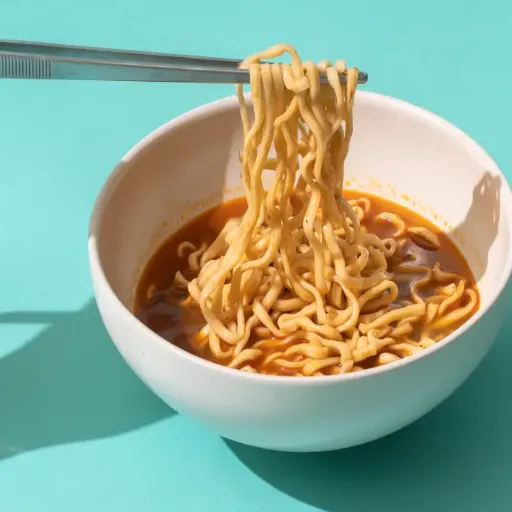
Miso Ramen: A Flavor Profile
Miso ramen stands among the most delightful and famous types of Japanese ramen worldwide. The dish features a bold and rich taste derived from fermented soybean paste (miso), which brings a deep umami flavor to the soup. This creates a full-bodied, slightly nutty broth that is both comforting and absorbing. Typically, miso ramen presents a thick, clouded broth with an amber hue, often garnished with bean sprouts, corn, chashu (pork), scallions, and nori—creating an enjoyable mix of tastes and textures.
The history of miso ramen is closely linked to Hokkaido, Japan’s northernmost island, where it gained popularity in the mid-twentieth century. Hokkaido’s harsh winters made miso ramen a seasonal necessity, as the hearty, warming soup provided comfort after cold outdoor activities. Different types of miso—from mild and sweet shiro to salty and strong aka—offer variety based on regional preferences and individual tastes. This diversity has helped miso ramen achieve its status as a creative dish, with chefs continuously inventing new flavors by adding chili oil, butter, garlic, or seafood.
Traditional miso ramen recipes continue to be passed down through generations and remain beloved in Japanese cuisine. The dish’s fame has crossed international borders, with restaurants worldwide now serving miso ramen, adapting it to local tastes while preserving its essence. Instant noodle companies have also incorporated this classic flavor into their portfolios, making quick yet delicious miso ramen accessible to everyone. Whether enjoyed in a traditional ramen shop or prepared at home, miso ramen consistently delivers comfort, craftsmanship, and culinary innovation that stands the test of time.
Tonkotsu Ramen: The Rich Pork Bone Broth
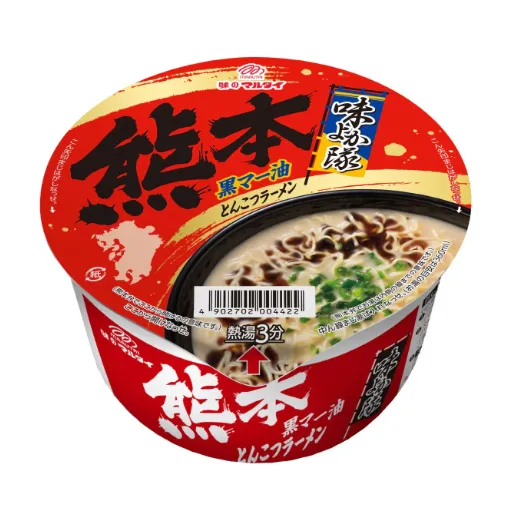
Tonkotsu ramen is undoubtedly one of the most famous and luxuriant ramen styles, celebrated for its creamy and savory pork bone broth. Originating from Fukuoka, a region in Japan, this dish involves boiling pork bones for extended periods—often more than 12 hours—to extract rich flavors and gelatin, creating a silky and hearty base. Making tonkotsu broth requires careful attention to achieve the perfect depth, umami, and richness without becoming overpoweringly heavy. The resulting white, nearly opaque broth is one of tonkotsu ramen’s most distinctive features.
Typically, tonkotsu ramen features thin, straight noodles accompanied by various toppings that complement the broth’s robust flavor. Common additions include sliced chashu pork, soft-boiled marinated eggs (ajitsuke tamago), wood ear mushrooms, green onions, and nori, all of which enhance both the flavor and texture of the dish. Many ramen shops also provide condiments such as garlic, sesame seeds, spicy paste, or pickled ginger, allowing customers to customize their bowl to personal preferences. This customization reflects the flexibility of tonkotsu ramen and contributes to its widespread appeal among ramen enthusiasts.
Today, tonkotsu ramen enjoys popularity not only in Japan but worldwide, recognized as a favorite comfort food across continents. Chefs globally are exploring the rich and satisfying flavor of this ramen in numerous ways, creating fusion bowls with local ingredients. Many renowned ramen shops specialize exclusively in tonkotsu, each presenting its own version of the classic recipe, while instant noodle makers bring the essence of tonkotsu ramen to kitchens worldwide. Whether in a bustling ramen restaurant or a home kitchen, tonkotsu ramen thoroughly expresses the dedication, culture, and innovation that define Japanese food.
Shoyu and Shio: Traditional Soy Sauce and Salt Flavors
Shoyu ramen (soy sauce-based) and Shio ramen (salt-seasoned) represent two of the most classic and favored flavors in Japanese ramen culture. Shoyu ramen traces its roots to Tokyo and is distinguished by its rich, flavorful, and somewhat smooth broth created from a blend of soy sauce with chicken, pork, or vegetable-based stock. This combination typically provides a satisfying umami backdrop with subtle notes of dried fish or seaweed. Common toppings include menma (fermented bamboo shoots), soft-boiled eggs, and sliced chashu pork, all contributing additional texture and taste.
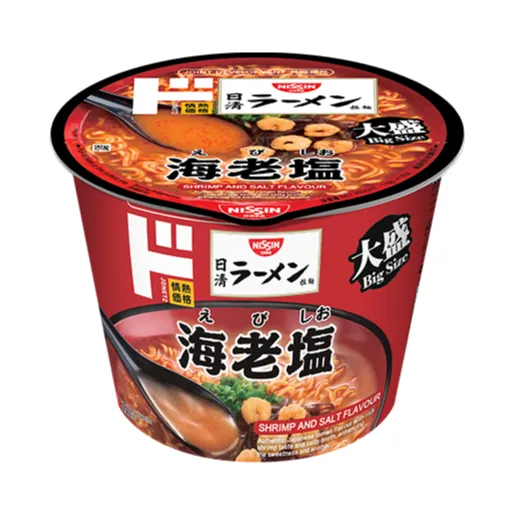
Conversely, Shio ramen offers a lighter, more delicate flavor profile. Shio, the Japanese word for salt, represents the oldest ramen seasoning and typically features a clear or pale broth. This style is generally less oily, focusing on the natural rich flavors of base ingredients such as chicken, seafood, or pork. With a subtle sweetness from the salt, Shio ramen is particularly favored in coastal areas of Japan where seafood-flavored broths are highly valued.
Both Shoyu and Shio ramen remain integral to today’s culinary scene, constantly being reinterpreted by modern chefs while maintaining their classic roots. Their adaptability ensures that whether enjoyed in a small Japanese ramen-ya or a Michelin-starred restaurant, these flavors continue to captivate ramen lovers around the globe.
Cultural Significance of Instant Ramen in Japan
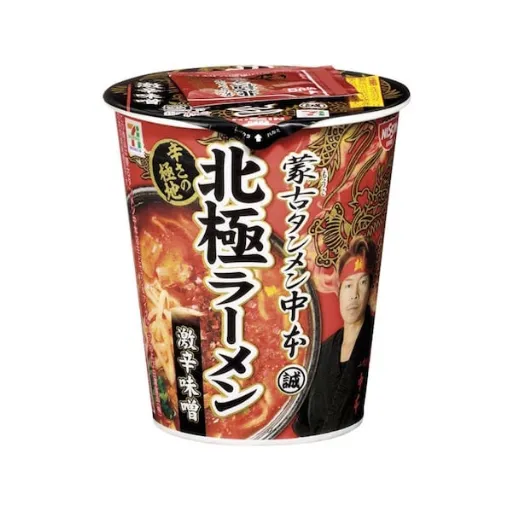
Instant Noodles as a Staple Food
Instant noodles have become an integral part of daily life in Japan and numerous other countries, earning their reputation through convenience, affordability, and versatility. Invented in 1958 by Taiwanese-Japanese entrepreneur Momofuku Ando, the product was designed to address Japan’s post-war food crisis. Gradually, instant noodles evolved into a globally recognized product available in every corner of the world, with diverse flavors and styles catering to regional tastes.
Recent market analyses indicate that instant noodle consumption in Japan remains among the world’s highest, with billions of servings consumed annually. This enduring popularity manifests through both a strong domestic market and substantial export sector. Instant noodles are particularly popular among students, professionals, and the general public seeking quick, satisfying meals. Additionally, they are frequently used as ingredients in gourmet dishes, with chefs and home cooks adding fresh vegetables, eggs, and meat to create customized, nourishing meals.
Beyond providing convenience, instant noodles have become symbols of innovation, resilience, and culinary creativity. They bridge the past and present, offering comforting taste while adapting to modern lifestyles. The product’s lasting popularity continues to inspire innovations in packaging, flavors, and health-conscious alternatives, ensuring ongoing market relevance for the future.
Ramen Shops vs. Instant Noodles
Ramen shops offer freshly made, artisan noodles with powerfully flavored broths, while instant noodles provide convenience, affordability, and extended shelf life. Here’s how they compare:
Tips for Selecting the Best Instant Noodles
Identifying Quality Ingredients
Selecting premium instant noodles begins with carefully examining the ingredient label. Always prefer products with fewer chemical additives or preservatives. Look for brands that use real vegetables, spices, and meats for seasoning rather than synthetic flavor enhancers like MSG. Additionally, consider the type of oil used in noodle production. The best options use healthier oils like palm olein or sunflower oil instead of hydrogenated fats.
The noodle category also plays an important role. Some instant noodles today are made from whole grain or are non-fried, offering healthier alternatives to regular fried noodles. These varieties contain lower fat content and higher fiber. For those seeking the cleanest, most natural ingredients, look for non-GMO and organic certifications. Clear labeling typically indicates a company’s commitment to quality products, making it worthwhile to choose brands that provide detailed ingredient information.
The seasoning sachet also deserves attention. Some manufacturers now include paste-type or liquid-type sauce sachets alongside powdered flavoring. These options can deliver fresher, richer flavors closer to authentic noodle dishes. Reading customer reviews and checking product ratings can help you gauge satisfaction with taste and quality, enabling smarter purchasing decisions while avoiding potentially inferior options. By selecting brands that prioritize both nutrition and flavor, you can enjoy instant noodles while remaining quality-conscious.
Understanding Noodle Types: Cup Noodle vs. Packaged
Cup noodles prioritize convenience and portability, while packaged noodles offer greater customization and better nutritional potential. Consider these differences:
Evaluating Flavor Profiles and Spiciness
Both cup noodles and packaged noodles offer wide-ranging flavor profiles suited to individual tastes. Cup noodles typically come pre-seasoned with strong, uniform flavors designed to appeal to the broadest audience. This instant seasoning frequently features chicken, beef, or shrimp flavors, sometimes with regional twists. The predictable taste makes cup noodles an easy choice for those who value speed and simplicity, though it might be too uniform for those seeking more complex flavors. Spiciness levels in cup noodles usually target medium heat with broad appeal, though some brands offer extra-spicy variants for heat enthusiasts.
Conversely, packaged noodles provide opportunities to create custom flavor combinations. Since preparation involves cooking in a pot with added ingredients, users control and can modify or enhance flavors. Adding fresh vegetables, proteins, and herbs creates nearly limitless customization possibilities. This personalization allows cooks to control both flavor intensity and heat level—a significant benefit for those who enjoy culinary experimentation. Additionally, regional varieties often feature spice packets or mild seasonings catering to local palates.
Spiciness has always been a key attribute, with Asian cuisines playing major roles in the instant noodle industry by introducing various levels of heat and flavor depth. Korean brands have achieved particular success with fiery offerings, gaining both domestic and international followings. Thai noodles sometimes present spiced-up flavors complemented by citrus and sweetness for more intriguing tastes. Ultimately, choosing between cup noodles and packaged noodles depends on personal preferences regarding appealing premade flavors versus complete gourmet adventures in the kitchen. With abundant options available, consumers can easily discover their perfect match in both flavor and heat intensity.
Creative Ways to Enjoy Instant Ramen
Innovative Toppings for Enhanced Flavor
Transforming instant ramen with creative toppings can elevate it to gourmet status. The simplest enhancement involves adding soft-boiled or perfectly poached eggs, which provide vibrant flavor and smooth creaminess to the broth. Another option includes proteins such as shredded chicken, cubed tofu, or thinly sliced pork belly, which quickly add more filling and satisfying components. For health-conscious eaters, fresh vegetables like spinach, bok choy, or bean sprouts create pleasant crunchy contrasts with the noodles while balancing the soup base’s saltiness.
Beyond traditional toppings, experimenting with condiments and spices offers additional ways to enhance ramen. A gentle drizzle of sesame oil or chili oil can contribute aromatic, nutty, or fiery flavors, making the dish more diverse. Adding small amounts of miso paste or soy sauce to the broth enhances umami taste. For those who enjoy bold flavors, mixing in sriracha, hoisin sauce, or even a dollop of peanut butter creates nice creamy, nutty undertones. Finishing touches like nori sheets, furikake seasoning, or finely chopped green onions add character and tanginess while elevating the dish to restaurant quality.
Finally, unconventional toppings can create entirely new ramen experiences. For instance, adding cheese and allowing it to melt into the soup offers a rich and indulgent variation. Sweet corn or caramelized onions provide pleasant sweetness. Adventurous eaters might experiment with kimchi for tangy, spicy kicks or crushed peanuts for added texture. These creative toppings not only guarantee more flavorful instant ramen but also provide opportunities for experimentation, allowing you to explore diverse flavor combinations and create meals perfectly suited to your taste and preferences.
Combining Instant Noodles with Other Dishes
Instant noodles’ convenience and versatility make them excellent additions to various dishes across different cuisines. Combining instant noodles with stir-fried mixed vegetables and proteins such as tofu, chicken, or shrimp creates quick, balanced meals. The noodles readily absorb soy sauce, sesame oil, or other savory seasonings, allowing you to prepare satisfying stir-fries with minimal effort and maximum flavor. Adding fresh herbs like cilantro or Thai basil elevates the dish further, providing wonderful aromas that enhance the entire experience.
Another innovative approach involves using instant noodles as crunchy toppings or breading substitutes. Crushed uncooked noodles can be sprinkled on salads or casseroles to add interesting texture, making each bite more engaging. Similarly, they can coat chicken or fish fillets as breading before frying, creating unique, deliciously crispy golden crusts. This unconventional use demonstrates instant noodles’ versatility, showing how they can easily transition from regular soup bases to fun, functional ingredients in other recipes.
For dessert enthusiasts, instant noodles even invite sweet applications. When boiled and lightly sweetened, noodles can become bases for puddings or noodle kugel-inspired desserts. Topped with dried fruits, nuts, and honey drizzles, this unexpected application offers glimpses into the ingenuity and culinary creativity associated with these humble noodles. By mixing flavors and textures through creative uses, instant noodles break away from traditional roles, allowing both chefs and home cooks to explore unlimited possibilities in the kitchen.
DIY Recipes Using Instant Ramen
Instant ramen noodles are incredibly versatile ingredients that can transform numerous dishes with convenience and minimal cooking skills. By adding just a few more ingredients, you can elevate affordable instant ramen into impressively flavored, delicious meals. Here are some homemade recipes demonstrating instant ramen’s flexibility:
1. Ramen Stir-Fry
For a fast, filling dinner, transform your instant ramen noodles into stir-fry. First, cook the noodles per instructions but set aside the seasoning packet. Heat oil in a skillet and stir-fry your preferred proteins—chicken, shrimp, or tofu—along with fresh vegetables like peppers, carrots, and snap peas. Add soy sauce, garlic, and a little sesame oil for flavor, then combine with the cooked noodles. This dish is quick to make while delivering bright tastes and satisfying chewiness.
2. Ramen Salad
For a different approach, use instant ramen to create a refreshing chilled salad. Break uncooked ramen into small pieces and mix with shredded cabbage, carrots, and green onions. Toast the ramen pieces along with slivered almonds for added crispiness. For dressing, combine rice vinegar, soy sauce, sugar, and a little sesame oil, then toss everything together. This crunchy salad works wonderfully as either a side dish or light main meal, offering tangy, savory, and crunchy flavor combinations.
3. Ramen Carbonara
Add an Italian touch to your instant ramen by creating a playful carbonara variation. Boil the noodles but don’t drain them completely—reserve some starchy water. In a bowl, combine an egg with grated Parmesan cheese and a dash of black pepper. Toss hot noodles with cooked bacon or pancetta, then slowly add the egg mixture while stirring to create a creamy sauce. If needed, add reserved noodle water to achieve desired consistency. Though simple to make, this dish tastes decadently rich.
Pro Tip: By dressing instant ramen in creative ways, you can certainly transform a pantry staple into something extraordinary. These recipes encourage culinary boundary-breaking and inventiveness while remaining satisfying and enjoyable. Instant ramen always offers the perfect base for culinary inspiration, whether you’re rushing or seeking new experiences.
References
-
-
- Emory University – History, Forms, and Impact of Instant Noodles:Explores the history and cultural impact of instant noodles originating in Japan.
- Amherst College – Instant Noodles Won’t Save the World: Discusses the invention of instant noodles by Momofuku Ando in 1958 and their significance in Japanese modernity.
- National Center for Biotechnology Information (NCBI) – Food and Nutrient Intake Comparison: Provides insights into the origin of instant noodles in Japan and their global influence.
-
Frequently Asked Questions (FAQ)
Q: What is Japanese instant noodle and how does it differ from authentic Japanese ramen?
The term “Japanese instant noodle” refers to instant ramen products from various companies that are ready-to-cook or ready-to-eat. Unlike authentic Japanese ramen prepared with fresh noodles, rich pork broth or tonkotsu, and fresh toppings in restaurants, the instant version emphasizes convenience. It typically comes in cup ramen or bagged noodle soup form with soup bases made from powder or concentrated liquid and dried toppings.
Q: When were instant noodles invented and what is the history of ramen in Japan?
Instant noodles were invented by Momofuku Ando in 1958, marking a significant 20th-century innovation. The history of ramen in Japan traces back to Chinese noodle soups and Japanese adaptations in port cities such as Yokohama, Sapporo, Osaka, and Kyushu. This evolution led to different ramen styles including miso, shoyu, and rich tonkotsu.
Q: Are there different types and varieties of Japanese instant noodle and noodle soup?
Yes, the market offers a broad range of noodle forms—thin noodles, flat noodles, lamian-style, udon-style instant noodles—and different soup styles from rich miso and pork broth to chicken broth, hot and sour, or dan dan-inspired soups. This provides extensive ramen and Asian noodle choices for consumers.
Q: What popular Japanese instant noodle brands should I try, like Sapporo Ichiban or Nissin Cup Noodles?
Popular brands include Sapporo Ichiban (noted for Sapporo and miso-style instant ramen), Nissin Cup Noodles and Nissin’s premium ramen lines, and international favorites like Shin Ramyun, Neoguri, and other spicy ramen options. Each brand offers unique soups with different noodle profiles.
Q: How do instant ramen noodles compare to Chinese noodle soups and lamian?
Although instant ramen noodles descended from Chinese noodle traditions, they were specifically processed for Japanese ramen preferences. Instant versions capture ramen soup and topping flavors like scallops, chicken meatballs, or sweet corn but cannot replicate the precise texture and lengthy manufacturing processes of fresh noodles.
Q: Can instant ramen be made more authentic or premium at home?
Yes, cup ramen and bagged instant noodles can be upgraded by adding fresh ingredients like soft-boiled eggs, green onions, sliced pork, sweet corn, or black garlic oil to imitate premium ramen. Using real chicken broth or pork bone soup and reducing oil can produce richer, thicker textures similar to restaurant-style ramen.
Q: Is spicy ramen like Shin Ramyun the same as ramyun and how spicy are instant spicy varieties?
Shin Ramyun is an iconic spicy Korean instant ramyun. Many spicy ramen from Japan or Korea taste different and vary from medium to high heat levels. Instant spicy varieties typically include added chili oil or powdered spices with heat levels ranging from boldly spicy to extremely hot, with ingredients like black garlic or miso sometimes softening the heat.
Q: Are there healthier choices among instant noodles and what should I look for on labels?
For healthier options, prefer noodles with less sodium and oil, reduced artificial additives, whole-grain or thin noodles with less saturated fat. Look for cups with pre-measured serving sizes, real ingredients in soup and toppings, and consider pairing instant noodles with vegetables and protein to create more nutritious meals.
Conclusion
Japanese instant noodles represent far more than convenient meals—they embody innovation, cultural significance, and culinary creativity. From Momofuku Ando’s revolutionary invention in 1958 to today’s diverse global offerings, instant noodles have transformed how millions of people experience food. Whether you prefer traditional miso ramen, rich tonkotsu, or creative fusion variations, instant noodles continue to evolve while honoring their Japanese heritage. By understanding their history, selecting quality ingredients, and exploring creative preparation methods, you can fully appreciate this remarkable food innovation that has touched lives across every continent.