Instant noodles have found being a much-preferred meal across the global village, yet few have reached the recognition levels of Indomie. The flavors that the brand provides at a cheap cost is a carryover from its becoming a day-to-day staple found in every Indonesian household, just as it did quite well in winning the hearts of many around the world. Besides Indomie, other Indonesian instant noodle varieties will also be taken into consideration and explored for their various attributes that make them appealing to noodle lovers worldwide. Be it for the love of fast food or to understand Indonesian contribution stepping into the instant noodle realm, the article is a journey to all those who celebrate the good flavors in life.
Understanding Instant Noodles

What Are Instant Noodles?
Instant noodles are pre-cooked noodle types which are dried to allow fast re-cooking either by boiling or soaking in hot water. They are often sold with seasoning packets, providing a fast and cheap alternative to those of all ages longing for a quick meal on the go. Noodles are basically comprised of wheat flour, water, and a preservative such as salt that helps in extending their shelf life very much.
These long shelf-life noodles are always made by first cooking the noodles by steaming, and then being dried by frying or air-drying which gives the product ability to be rehydrated easily when cooked; this, therefore, calls for large-scale manufacturing as well. Depending on the region in which they are made, the seasoning packets can include spices, flavorings, oils, or even vegetables that are meant to allow consumers to experience various taste profiles.
The existence of instant noodles began in the 1950s with the development in Japan. Today, it has turned into a global food. This miracle food has proved itself all over the world for its easy-to-make procedure, adaptability in flavors to suit different regions, and adjusting to the recipes of those regions. For some places, even for millions of people, direct noodles are one of those food items that hold multiple cultural significances.
The Global Popularity of Instant Noodles
The world loves instant noodles mostly because it is convenient, affordable and adaptable. These instant noodles are really quick to prepare and usually require a few minutes, if you need to have them prepared with just a few ingredients. They are very ideal for people leading very busy lifestyles. Somehow, their low cost gives such ease of penetration across a large segment of the global audience. So, any time of the day the most practical food options can be found in instant noodles.
Being the other reason, instant noodles add in catering to diverse tastes and culinary traditions. Thus, instant noodles are produced in many regional forms, with flavors and ingredients appealing to their respective local palates. Spicy ramen may appeal to people in Korea, and curry flavors are admirably cherished in India. The localization of flavor profiles has led instant noodles to provide a very smooth and poignant harmony with the native cultural preferences; this nurtures a relationship of positive association with cultural tastes.
Instant noodles are comfort food, accepted quite widely by people the world over. They have become some kind of emotional support during tough times such as homeland crises and economic burdens, giving personal satisfaction with every bite.
Instant Noodles in Indonesian Culture
Instant noodles is something Indonesians value above their convenience. These unique pack foods were something that appealed to everyone regardless of their background, having become an integral part of the nation’s culinary identity. Their cheap price and quick cook times plus flavored tastes become resistant partners for quick meals aimed generally at the busy or budget-strapped masses.
Instant noodles have seeped into traditional and daily Indonesian life besides being an instant source of food. They are something people would eat at their family loud-lots, at late-night cramming sessions, or while eating at a hearty dose of comfort in the rain. These noodles can be upgraded with personal touches (either are eggs, vegetables, or spices) which can turn them into a truly fulfilling meal. The variability and creativity used to do this serve not only to inspire growth of food skills but also to stimulate attachment to the food.
The extent of the versatility in the use of instant noodles has a strong correlation to Indonesia’s lively street food culture. Street vendors dotting the country are now serving “warung mie instan” (instant noodle stalls). They serve noodles that taste uniquely Indonesian, served with special accompaniments. These vending stalls have grown to become social gathering centers, where people get together to eat and gossip. The perfect and universalizing capability of instant noodles to unite people is the essence of what those noodles represent within the Indonesian society.
Indonesian Instant Noodles vs. Other Varieties
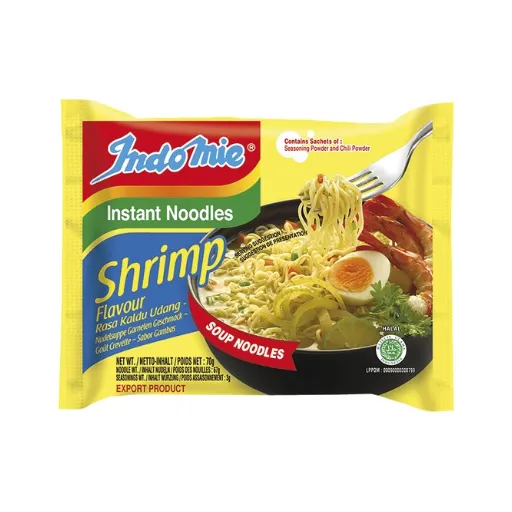
Comparison with Malaysian Instant Noodles
For example, Indonesian instan mi is defined by uncomparably low prices, fancy flavors, and high localization, as compared with Malaysian instan mi that accentuates flavor personalization, premium choices, and halal certification according to the particular locality.
Indonesian Noodles vs. Ramen and Other Asian Varieties
Flavors are potent and prices lower on Indonesian-style noodles, whereas that’s the opposite for ramen noodles and other localization-specific Asian varieties, which are more into desired mouth feel, regional authenticity, traditional ingredients, and premium selections.
Nutritional Aspects of Indonesian Instant Noodles
⚠️ Key Statistics
- Calories per serving: 300-400 calories
- Sodium content: Over 1,000mg (half the maximum daily intake)
- Primary composition: Wheat flour and carbohydrates
Indonesian instant noodles are a key player in the international instant noodle trade because of their low cost, rich flavors, and ease of preparation. Their primary nutritional content often deemed that of a carbohydrate source because they are primarily composed of wheat. On average, instant noodles have about 300-400 calories per serving, a high concentration making them energy-dense foods. So these foods do offer quick energy, but they lack in basic nutrient provision like vitamins and minerals. Despite what’s shown on the nutrition content, there are companies which are beginning to preserve their fortification of these noodles with micro-nutrients, such as iron, vitamin A, and zinc to put an end to nutritional deficiencies.
One of the foremost matters to watch out for when eating instant noodles from Indonesia is its sodium content. An average serving may contain over a thousand milligrams of sodium which is half the maximum daily intake. And a high sodium diet poses potential health risks or damages-including hypertension and cardiovascular diseases. Despite that the seasoning packet may deliver artificial flavor enhancers like MSG at a safe level, some individuals really are sensitive to it. To lighten the problem, the ideal is to avoid seasoning packets or incorporate fresh ingredients such as vegetables or lean protein to give an eating balance.
Another nutritional aspect would be the fat content but, notably, the fried noodle product. Many instant noodles are fried during processing for the sole purpose of creating a texture and extensibility characteristic, and to lessen the possibility of lipid peroxidation, which naturally increases their saturated fat content. Due to this fact, instantaneous, air-dried or oven-baked noodles are being made as a substitute, presenting a somewhat lighter and healthier counterpart to their deep-fried cousins. The market evolution of instant noodles shows an adaptation to cater more to healthy food-minded customers who are not willing to compromise on flavor. These instant foods are gradually being fused with nutrient-dense foods, while consuming them less frequently would be a better proposal for a regular diet.
Popular Indonesian Instant Noodle Dishes
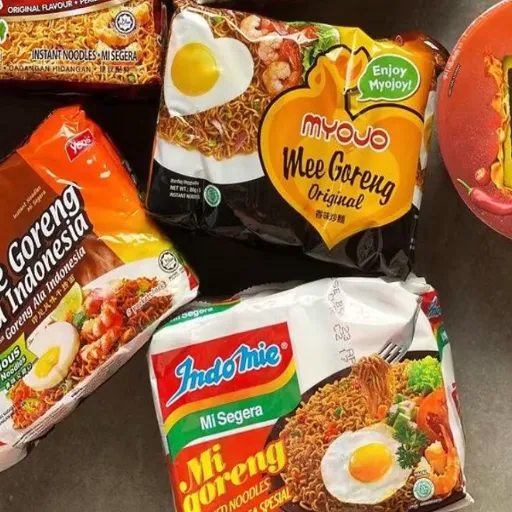
Mi Goreng: The Fried Noodle Sensation
Its name is literally “fried noodle,” yet counting as one of the most popular instant noodle dishes in Indonesia and well beyond. The taste is rich, mouthwatering and laden with a mesh of sweetness, saltiness, and umami tastes. The typical flavors in the seasoning begin from a blend of soy sauce, garlic, onion, chili paste, and a discreet sweetening that can be contributed by thick Indonesian soy sauce known as kecap manis. This, along with the good springy texture of the noodles, gives Mi Goreng the essence of authentic street Indonesian cuisine that people have fallen in love with around the world.
💡 Popular Mi Goreng Additions
- Fried shallots and scallions for aromatic crunch
- Eggs in various styles (fried, poached, or scrambled)
- Meats like chicken or prawn for protein
- Vegetables such as bok choy, cabbage, or beansprouts
The influencing factor of Mi Goreng is its flexibility; while the instant noodle variety has its seasoning sachets to make a dish, it is mostly fixed with precious accompaniments such as fried shallots, scallions, eggs in various styles, and meats like chicken or prawn. Likewise, vegetables like bok choy, cabbage, or beansprout were important to provide hydrogenated vegetable oils to balance its fattiness and heartiness. Therefore, the adaptability and frequent tweaks to the base recipe have developed Mi Goreng as an all-inclusive dish for many different tastes and dietary preferences, setting it apart from being solely limited to any particular cultures.
Mi Goreng has gained global appeal and brands like Indomie have become household names in many countries, making it one of the most popular flavors in the world for instant noodles. It has resulted in a fan culture and fan-created recipes as people hold Mi Goreng cook-offs and taste tests on various social media platforms. Behind Mi Goreng’s enduring appeal lies an effort to recognize with nostalgia the sumptuous family dinners of yore, all while being a fast and convenient bite to grab. Through the success of Mi Goreng, this single example greatly represents Indonesian cuisine and the global appreciation of robust, flavor-strong dishes.
Noodle Soup Varieties: From Ayam to Rendang
Indonesian indoctrinates a vast and varied culinary bowl full of regional significance and traditional techniques. Among the celebrated dishes, the noodle soups have captured a significant place for good comfort and hearty application as well as flavor profiles so complex. Especially noteworthy are Ayam and Rendang versions indeed.
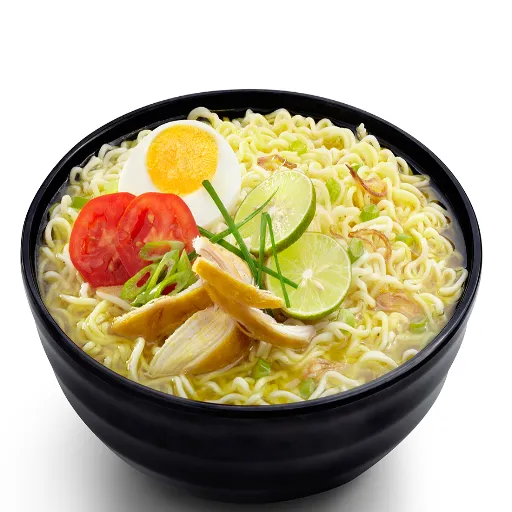
Ayam, otherwise known as chicken soup noodles, is foreyled as comfort food in the vast lands of Indonesia. Its light, silky plant comprising egg noodles in a chicken broth—maybe tow with ginger, garlic, shallots, or not,customary salt, or no. With their own uniquely faded allure, shredded chicken, scallions, and sometimes fried shallots are strings of simplicity and grace in their entirety. The soup is still a common sales commodity in Indo streets from vendors or warung (food stalls) trying as tactfully as possible to concoct their own spice blend for the added scent, or simply ignoring the most advisable way to become an intelligent bypasser.
Rendang, on the other side, presents a richer, indulgent, noodle soup version that has been inspired by the famous dish of Minangkabau origin. The Rendang noodle soups are a reinterpretation of the tender beef meat or slices perfectly united with the thick spiced coconut gravy that are reminiscent of the slow-cooked flavorful curry that it is based on. Accompanied by a myriad of layer deep spice flavoring-the pungent turmeric, ginger, and kaffir lime-enshrined all on the palate. While much less common than Ayam noodles, the dish is a regular luxury only found on special occasions or those who would like to taste a great twist to their noodle soup palate.
A signature of Indonesian culinary prosperity, the noodle dishes presented here are a perfect pair that attests the balance and innovative advantage that Indonesian meets the long-standing heritage and the birth of modernity. Bearers of many adaptations made by food resources, which entwine limitless tastes into their local cuisine: whether you are into adsorbing the very mild warmth of Ayam, or Rendang-inspired noodle soup with spiciness.
Exploring Laksa and Other Regional Dishes
Laksa is among most outstanding dishes of Southeast Asia, representing piquancy and a rich tradition. It is an amalgam with sweet, spicy, and sour flavors, an intersection of Malay, Chinese, and Peranakan artifacts. The chicken curry taste of laksa is formed prior to custom, creating a deeply succulent, luxuriant broth based on coconut milk, spices, and shrimp paste. It may seem so likeminded: Laksa provides a gourmet red carpet to most spices, including Asian potherbs, coconut milk, tofu, vermicelli rice.
🌏 Regional Laksa Varieties
- Malaysian Curry Laksa: Richer and spicier with prominent coconut flavor
- Penang Laksa: Tangy tamarind-fish base with unique flavor profile
- Singapore Katong Laksa: Finely chopped noodles with creamy, coconutty soup
- Indonesian Betawi Laksa: Local spices combined with regional ingredients
The many forms of laksa in various regions help reveal their understanding of cultural proofs. For example, Malaysian-style Curry Laksa is richer and spicier with the flavor of coconut, while the Penang version is prepared on a tangy tamarind-fish base, brimming with another flavor profile. Singapore’s Katong Laksa differs with its finely chopped noodles and creamy, coconutty soup in color-in comparison a more modern take on the traditional flavors of a city-state. On the other hand, Indonesia also has examples such as Betawi Laksa, which speaks much toward the ability of the locals to combine the spices of their country with the ingredients to develop unifying and uniquely specific regional flavors.
The landscape in food doesn’t end with laksa; Southeast Asia presents a true smorgasbord of diverse regional dishes. Vietnamese pho breaks tradition with the likes of a clear consomme, while the flavors that marry it with herbs make it a disarming yet intense noodle soup. Tom Yum soups from Thai tradition light up your taste buds with tamarind’s sweetness offset by tingling lemongrass earthiness and hellfire-red capsicum. This parallel of sour soup becomes exclamatory in the Filipino dish Sinigang, where verdant, fresh tamarind fruits are garnished with root ginger, sampalok buds, and often even mouth-puckering green mangoes. Appreciating varnishing eyeballs comes across not merely toward fantastic taste experiences but also vivid windows roles through culture, destruction, and memory in identifying these tastes in the world lives intermingled by change.
Trends and Innovations in the Instant Noodle Market
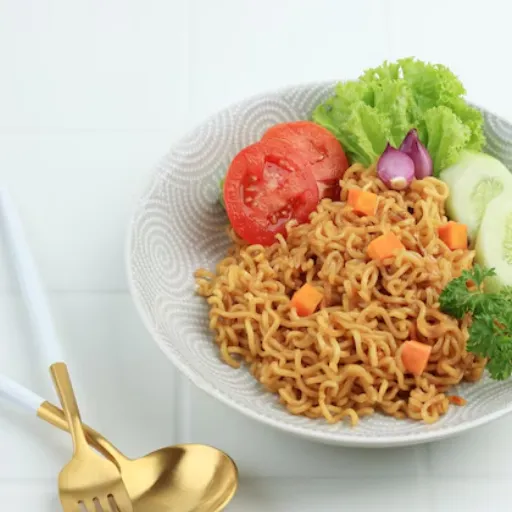
Emerging Flavors and Trends in Indonesia
Indonesia’s instant noodle market has faced multiple challenges in the past years, fluctuations in food preferences as well as those in consumer behavior. Fortunately, the subsequent establishment of original and unique Indonesian tastes, based on local heritage foods including the Soto, Rendang, and Ayam Geprek, have tried, in many ways, to harness the local culinary art while recognizing the rising market demand for authenticity in flavors. Alongside this, localized spices and ingredients, such as candlenut, galangal, and kaffir lime, have also begun to become part of the recipe for instant noodles, supplementing their tastes with earthy and deep tones.
🔄 Current Market Trends
- Health-conscious options: Low-salt varieties and whole-grain noodles
- Nutrient fortification: Essential vitamins and minerals added to products
- Eco-friendly packaging: Sustainable and environmentally conscious materials
- Premium ingredients: Real local ingredients for authentic taste
- Traditional flavors: Soto, Rendang, and Ayam Geprek variants
Health-inspired movements are also steering the market, with companies displaying low-salt options, whole-good noodles, and programs pumped-up with essential nutrients. The ever-increasing environmental consciousness among Indonesians is reflected in hug packaging, ecofriendly ones, and the new wave of individual pack samples. Along this line, there are noodle lines put out in secret packaging, many of which use real local ingredients from high demand. These represent true, commercial catering for consumers with a knack for real, less-processed food that can replicate artisanal meals with a punch of instant gratification.
These developments indicate a major shift in the instant noodle trade, where the meeting point of old styles and innovation therefore attempts to cater for the new desires of consumers emerging locally as opposed to worldwide.
The Role of Social Media in Instant Noodle Popularity
Social media has been a major factor in the global demand growth for instant noodles, as it provided a very efficient way of connecting the brands and the consumers. Below are the five detailed ways that social media has contributed to the rise of Instant noodles:
🔥 1. Viral Challenges and Trends
Social media has become the home of upsurge trends, one of which is the hot noodle challenges where participants visibly compete to consume an extremely hot instant noodle bowl. These kinds of activities have received millions of views and have been very engaging, thus, creating a noise surrounding the particular companies.
👥 2. Influencer Marketing
Users with a huge following, and so-called food bloggers, constantly provide new flavors and thus, promote new ones, or even present their lives centered around their brands. The vast audience these influencers have make it possible for the instant noodles to reach new consumers and thus, the sales and brand recognition are contoured to be increased.
📱 3. User-Generated Content
Certain platforms are places where the users can post not only their experiences with instant noodles but also share cooking methods, regional flavor twists, and much more. The content made by the users acts as if it is an advertisement that the brands do not have to pay for; it also encourages the brands to be more authentic and leads to the building of a community around them.
📖 4. Behind-the-Scenes Storytelling
Brands have very often used social media as their marketing tool to share behind-the-scenes information such as where their noodles are made or to introduce the cultural roots of the flavors. These kinds of stories bring the consumer to the product more intimately, thus, creating a stronger bond between them.
💬 5. Real-Time Customer Engagement
Social media has created a situation where officially there are brands voicing their customers and vice versa through replies, shares, comments, and personal responses to inquiries and feedback. This instantaneous communication fortifies the bond between the brand and the consumer while at the same time aligning the product with consumer expectations.
It is by taking advantage of these features that instant noodle brands are able to maintain and even enlarge their digital presence and attractiveness while at the same time altering the global audience through the connection that they have established.
Cooking and Enjoying Indonesian Instant Noodles
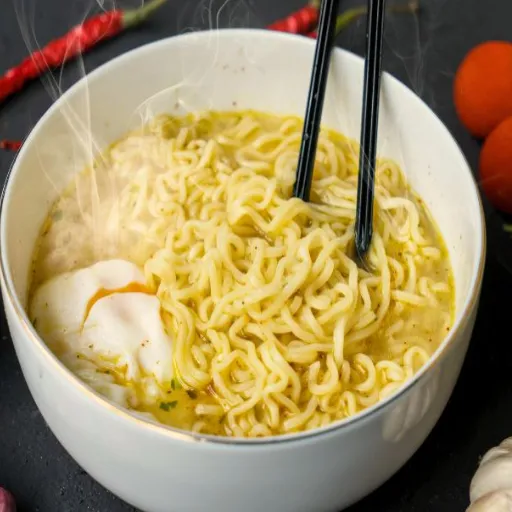
Best Practices for Preparing Instant Noodles
In case you follow just a few steps, those instant noodles become easy to prepare and simply hard to resist. Steps are as follows:
1. Boil Your Water
Attend to your saucepan by filling it with fresh water and rapidly boil it; then, put the noodles inside. The reason for this is that it ensures even cooking of your noodle and eliminates any signs of unwanted impurity if any from the water.
2. Correct the Noodles
There are precise cooking periods written on your package, which are typically 2-3 minutes. Overcooking them would make noodles a bit mushy, while undercooking them would render them somewhat hard or chewy. Each way spoils the fun anyway.
3. Flavours
The flavour packets comprise a lot in the taste department. You can determine in each noodle package provided the type of seasoning and powder, respectively; so why not use them or adjust them to suit your taste? Some, for instance, prefer just a little bit of the sodium heavily seasoned to represent the light taste better.
4. Take Things Beyond
To enhance the “healthier” perspective, put in fresh ingredients like vegetables, eggs, bits of meats like chicken, shrimp, or tofu. Such balanced additions might provide a much longer creation for a big meal!
5. Heat the Broth or Bowl
Your noodles could use a touch though; if they have soup along, do give it full seasonings adjustments but stir it well. If no soup, drain these noodles well, and seasonings and noodles must immediately be mixed.
6. Service
Noodles get soggier in a short while. To take the best possible leisure out of them, eat them promptly.
Putting your personal spin on it instant noodles makes for more enjoyable and lasting satisfaction in what the classic recipes provide. Fresh bits reinforce each bowl to chime with one’s tastes.
Creative Recipes Using Indomie Products
🍜 Indomie Noodle Stir-Fry with Vegetables and Protein
Make a full-on stir-fry meal of Indomie noodles by mixing it with a variety of vegetables such as colored bell peppers, carrots, and broccoli, plus the protein of your choice, for instance, chicken, tofu, or shrimp. First, prepare noodles according to the package directions, but make them a little less cooked as they will complete their cooking with the stir-frying. Take a wok, pour in some oil, and when it is hot, add garlic, and onions, then put in your vegetables and cooked protein. At last, the noodles and seasoning are coming in for a quick, tasty, and healthy meal.
🍝 Indomie Carbonara Fusion
Hold on a second, you can make a delicious, and unique Italian-Fusion dish by creating a creamy carbonara and using Indomie as the base. Get your Indomie (the chicken or the original flavor is preferred), cook and drain it, and set it aside. Make the carbonara by mixing egg yolks, grated Parmesan cheese, and a little bit of heavy cream. While the noodles are warm, toss them in the sauce and add crispy bacon bits or mushrooms for more flavor. This rich dish takes comfort food to a whole new level of international flavors with a creative twist.
🥟 Indomie Spring Roll Filling
Craft Up Indomie noodles like a spring roll filling in a creative way and then, serve it as an appetizer or snack. Boil the noodles after which mix them with known vegetable ingredients like shredded cabbage, julienned carrots, and minced chicken or shrimp. Add in the seasoning mix for that signature Indomie flavor. Wrap the mixture in spring roll wrappers and fry them until golden brown. Preferably serve them with a sweet chili dipping sauce or a peanut dipping sauce to offer a crunchy and delicious treat that appeals to the whole crowd.
🥞 Indomie Breakfast Pancakes
Transform your breakfast into a fun dish with a savory Indomie pancake made from noodles. Noodles cooked are mixed with beaten eggs, chopped scallions, and a handful of shredded cheese. A non-stick pan is heated up and the mixture is fried in small, pancake-like portions until golden and crispy. The pancakes can then be topped with a little bit of your favorite condiments, such as sriracha or ketchup, and a sweet twist on the breakfast staples is enjoyed.
🍲 Spicy Indomie Ramen Bowl
Don’t just confine Indomie ourselves to being plain noodles, use it instead as the base of a loaded ramen bowl. You could make the broth richer using miso paste, soy sauce, or chili oil plus add the toppings of boiled eggs, nori, diced scallions, and then pork or tofu slices. The combination of contrasting textures and flavors in the bowl makes this dish not only enjoyable but also very attractive.
These creative recipes are proofs of how versatile Indomie products are, as they can be enjoyed in numerous ways with the same noodles. Indomie is always a sure bet and tasty choice no matter if you are making a quick snack or doing a gourmet experience; It is a culinary experiment that can be adapted and embraced in full control thanks to its versatility.
Pairing Instant Noodles with Other Dishes
Instant noodles are a flexible sort of food that can be used to get the most out of the taste of the dish, and also presentation, as they can be served with many different dishes. If you want a meal that consists of the noodles and the healthy stir-fried vegetables that include bok choy, carrots, and bell peppers, then you have a very good choice already. These veggies bring not only stunning colors and a very nice crunch but also the important dietary fiber. Also, adding some grilled chicken, poached eggs, or shrimp can make the noodles dish very good, as it would be balanced and filled with protein.
🌍 Cultural Pairing Suggestions
- Thai Style: Serve with Thai curry for an aromatic experience
- Japanese Inspiration: Top with seaweed, corn, and soft-boiled eggs like ramen
- Korean Comfort: Pair with kimchi jjigae for a spicy, warming meal
If you want to indulge in a reinterpreted dish, then it’s better to use instant noodles in the way that they could be mixed with very different cultures. For example, you could serve them with a Thai curry and meanwhile, they could be used as a topping in ramen bowls made of seaweed, corn, and soft-boiled eggs that you draw inspiration from Japan. Moreover, in the winter, instant noodles can be eaten with hot stews like kimchi jjigae, which will lead to a very nice and spicy feeling.
Going through the pairing of instant noodles with these various items gives not only the full potential of instant noodles but also a quick, customizable, and very satisfying dining experience for any taste.
References
-
The Nation and the Noodle: Indomie and Identity in Indonesia: Explores Indomie’s role in Indonesia’s culture and its global commercial success.
-
Consumers’ Preference and Future Consideration Toward Instant Noodles: Discusses Indonesia’s high instant noodle consumption and its relation to sustainable lifestyles.
- Click here to read more.
Frequently Asked Questions (FAQ)
Q: What are some well-loved brands of instant noodles in Indonesia?
A: The most loved indonesia instant noodles brands are Indomie and Indofood while there are various international brands also achieving attention, like Shin Ramyun or Nissin for their Japanese offerings. The most popular types are the indomie mi goreng, the indomie special fried curly noodles (the special fried curly), the mi goreng rasa ayam panggang (chicken barbecue flavor), the mi goreng rendang, the mi keriting (fried curly noodles), and the satay flavor. This variety enjoys its existence in dry noodle styles with beef noodle soup and soto mie style base soups, and for that, an extensive list of different flavors of instant noodles can be chosen from.
Q: How should I sort a bowl of indomie mi goreng and the dry mi goreng flavors?
A: For a bowl of indomie mi goreng and its various dry flavors, boil the noodles for a short time, just so they are al dente, remove them from the measured water for use, and sprinkle them with the seasoning oil, sweet soy sauce, fried onion, chili sauce or sambal, and garnished with all that is available-exploring many combinations! When preparing mi goreng rendang or mi goreng rasa ayam panggang, add the dry provided seasoning with pasle; when preparing for iconic indomie special fried curly noodles, a brief fry in the pan will provide an interesting textural contrast. The more conventional addition; from sambal to raw chilies to tuna, can catch you a unique favorite.
Q: What truly separates indomie mi goreng from ramen or yakisoba?
A: As compared to Japanese ramen and the actual-yakisoba which do come in soup or stir-fried forms and have differing noodle and seasoning preparation rates, indomie mi goreng is more of the Indonesian fare along dry noodle lines (mi goreng) topped with sweet soy sauce, fried onion, and spicy components. Ramen (Shin ramyun) and other Japanese ramen-instant varieties lean more toward soup ranges and a wonton-like flavor, so mi goreng catches the rest of the world’s flavor preferences of the unique taste and appeal.
Q: Can we say that indomie instant noodles of Indonesia are protein- and vegetable-friendly?
A: Definitely. Like the other dry types indomie provides in mi goreng iga penyet or rendang, you can have this, but with protein inclusion: all forms of egg, rotisserie chicken, barbeque chicken, Shiok lightning yellowfins, or thinly sliced beef for beef noodle soup versions. Scallions, cabbage, and bean sprouts add balance; many added fried onions and sambal for additional flavor and texture.
Q: What are the premium or special instant noodle variants available in Indonesia?
A: Premium-grade instant noodles are made in special series such as indomie special fried curly noodles, mi goreng rendang, and other luxury gourmet-taste variants that replicate the indigenous traditional dish. Varieties of indomie indicated by the phrase “goreng spesial” or ‘mi goreng perisa’ generally present richer spice pastes or incite fitter sacks. Indeed, several branded makers offer deluxe packs with real meat flakes, causing it to be an instant gourmet eating experience.
Conclusion
Indonesian instant noodles, particularly Indomie, have transcended their humble origins to become a global culinary phenomenon. Their affordability, rich flavors, and cultural significance have made them beloved staples in households worldwide. As the market continues to evolve with health-conscious innovations and authentic local flavors, instant noodles remain a testament to Indonesia’s culinary creativity and its ability to bring people together through food.