One of the most popular brands that produces instant noodles is Indomie, appreciated by many in various parts of the world and for good reason. Unlike other brands, this particular brand of noodles is so popular it has become associated with certain attributes: delicious, easy to make and never short of adaptable. Yet, how did this noodle brand achieve such a level of adoration? This answer provides an in-depth discussion on the question of indomie noodles and looks into the history, varieties, and sources of the appealing tastes of this noodle.
History of Indomie

The Origins of Indomie Noodles
The indomie noodles were first made in 1970’s in Indonesia by Indofood which is an instant noodle manufacturer in the global market. The brand was established to offer consumers within the Indonesian market a fast, affordable and tasty meal in line with their culture and traditions. It was its very innovative recipes based on what the Indonesian market had to offer which made the brand so very unique and acceptable among all its consumers from a local scale.
Indomie Kuah Rasa Kaldu Ayam (Chicken Stock) was the first variant and it received a lot of positive feedback for being laden with flavor. It is however the introduction of the Indomie Mi Goreng in 1983 that revolutionized everything. Inspired from the famous Indonesian fried noodles “mie goreng”, it was a total success. This variant which has all the texture, taste, and spicy attributes of an Indonesian dish turned out to be a winner in every home.
Indomie also managed to flourish on the international market surpassing the limits of one country over many decades due to its delicious taste and a very high quality at competitive prices. These days, Indomie is as popular in Southeast Asia, various African countries, the Gulf States and many other regions of the world. The fact that the brand enjoys such great lengths of success should be attributed to its quality consistency, placing this alongside its capability to grow along with modern needs while keeping its genuine Indonesian authenticity. Indomie’s history shows how such a product, which is simple and flavorful, can be easily admired and gain cultural relevance.
Development and Growth of the Brand
The year was 1972 when Indomie’s growth journey began. Indofood Enterprises came up with a novel idea within the household meals sector. Its sales increased as it was manufactured and sold inside Indonesia due to its high popularity. The products successfully addressed local people’s economic needs, which were particularly strong growing factors for the promotion of Indomie noodles.
Indomie also thrived because of the strategic initiatives they deployed, particularly expansion and innovation. Therefore by the 1980s and 1990s, Indomie was able to expand its reach beyond all borders of Indonesia and made inroads into other countries, adapting its flavors to suit other cultural tastes as well. The move towards halal certification additionally increased its marketability, especially in the regions where a large number of customer bases are Muslims. Growth of the brand was facilitated by collaborations with local distribution companies and setting up manufacturing plants for instance in Nigeria which enhanced supply chains across the world while also keeping the cost of production in check.
Over time, the popularity of Indomie has exceeded expectations since many people worldwide easily relate it to instant noodles. Through perpetual marketing and strategic initiatives, the brand has not only retained its old customers but also acquired new young fans. Indomie has fully capitalized on its popularity by organizing cultural activities among other initiatives to retain its position in the market but at no point has it forsaken the Indonesian culture. This approach demonstrates how brands can go far beyond local products by focusing on innovation, adaptability and always being responsive to consumers.
Indomie in Global Markets
Indomie has derived its wide acceptance on the international scene, and has been one of the favorites of many instant noodle brands globally. In its approximately one hundred and thirty plus markets, Indomie is still able to meet more regional taste variations with flavors like Middle Eastern Chicken Curry or South East Asian Mi Goreng Rendang. Such adjustment is meant to appeal to consumers of different traditions while the principles of Indonesian culture are preserved.
The price of Indomie is one of its main competitive advantages. It is a low-priced product targeted at many people ranging from students to families with busy schedules as a delicious fast food. Moreover, the distribution network of Indomie ensures the brand works in hypermarkets and convenience stores, offering this product around the world to many families.
In addition, the marketing campaigns brought by Indomie have helped in strategically expanding internationally. Social media marketing campaigns as well as working with popular influencers enable the company to reach core audience groups. Not to mention, branding around cultural events heightens the connection to an extent that its nature does not just remain confined to serving meals. With this adaptability, economical pricing and clever marketing tactics, Indomie still manages to navigate competitive environments and improves on its track record of being in demand over several decades.
Varieties of Indomie Noodles

Indomie Mi Goreng: A Fan Favorite
One excellent example is Indomie Mi Goreng. This Indonesian word means ‘Fried Noodles’, and it is one of the most popular instant noodle dishes in the world. The product is an adaptation of the traditional Indonesian fried noodle dish and comes in dry form making it simple to prepare yet effective in delivering the original flavor. Being neither too salty, nor sweet or heavily based in umami flavor, it delivers a balanced combination of flavors. This type of noodle significantly portrays the street food culture of Indonesia, spreading far and wide in the world as the representative image of the country’s cuisines.
Mi Goreng Seasoning Components
- • Sweet soy sauce
- • Chili sauce
- • Seasoning powder
- • Dry fried shallots
- • Oil with garlic and onion infusion
The preparation of these noodles is dry unlike the ordinary noodle dishes. Hence the very rich taste comes from the mild heat from the chili sauce, the soy sauce’s sweetness and the crunchiness of the fried shallots so liked by many consumers.
The enduring success of Indomie Mi Goreng can also be attributed to the fact that it is not a one-dimensional product – it allows room for creativity. For example, some of its worldwide fans incorporate eggs, vegetables, meats, or seafood into the noodles in order to enjoy a different variation of the meal. Its low cost and practicality also made it very popular in various spaces globally such as dormitories, kitchens, and pantries. It can be eaten very quickly as a snack or utilized as a main dish due to which Indomie Mi Goreng appeals to millions with sweet nostalgia of delicious and easy comfort food.
Specialty Flavors and Limited Editions
Indomie noodles will introduce specialty or limited-edition flavor variants to the market once in a while. The purpose of such variants is to promote a certain local cuisine, try out new tastes, or mark a special event. For example, sambal, rendang or satay in form of noodles are some of the flavors that are popular in Indonesia. Most of the time the specialty flavors draw from the rich history of different Indonesian cultures while modernizing the Mi Goreng concept.
Indomie has added new ranges of unique flavors which are limited editions to attract the international market based on the taste of certain foods in other countries such as Korean instant noodles, Japanese teriyaki, and sauces with barbecue flavors for instance. These individual products satisfy the palettes of fans in different ways. Also, there are product additions each year with seasonal variations like Christmas and Halloween where special products are only released based on collaboration with notable chefs. People collect them for sure as food lovers and consumers eagerly await such releases and ultimately help drive both traditional retailing and e-commerce.
These special and unique versions of this product are usually the most popular, thanks to the prevailing social media sentiment and engagement. More often than not, devotion to a brand means sharing taste tests, appealing food photos and creative recipes. This word of mouth advertising does not only help grow the Indomie brand but also creates valuable feedback for future innovations.
Cooking Indomie: Recipes and Techniques

Basic Cooking Methods for Indomie Noodles
One of the favorite foods consumed by many people who love cooking is instant noodles due to ease of preparation and fast cooking time. Indomie noodles certainly fall within this category. These are the procedures that should be followed while making this dish:
Step-by-Step Cooking Guide
- 1
Boil The Noodles: In a small sauce pot, bring 400ml-450ml of water to boiling temperature. Then add the Indomie noodles and cook for three minutes or less until they are cooked to the right degree of doneness or ‘al dente’ state. - 2
Add The Seasonings: When noodles are boiling, take the sachets with seasoning (such as oil, powder, chili) and open them, lay out the contents in the plates or bowls. Stir these up well. - 3
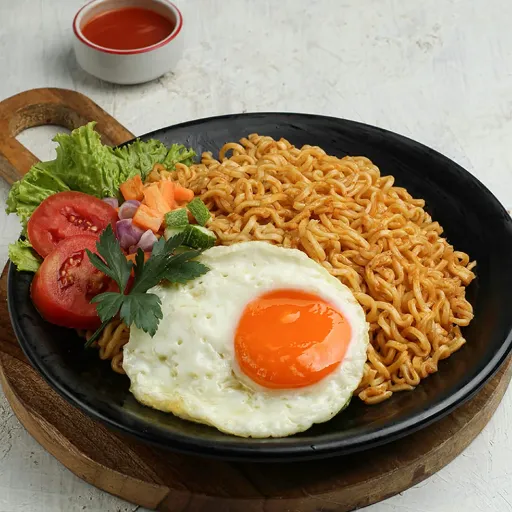
Serving Suggestions: If desired, serve the noodles topped with additional ingredients such as fried egg, chopped green onion, fresh peppers, or fried onions.
Indomie noodles do not restrict one to any one style in cooking. Other possibilities include, for instance, using them as one of the ingredients in a stir-fry or soup, or, to the more creative end, transforming them into noodle omelet or Indomie burgers by fashioning them into patties.
How to Make Indomie Mi Goreng
Preparation of Indomie Mi Goreng is quite easy and adaptable. To do this, initially prepare a single pack of Indomie Mi Goreng noodles and place in a pan with enough water to cover and boil for 3 minutes or as you would prefer. While the noodles are cooking, tear open the seasoning packets including oil, powder and chili sachets, and place them in a bowl. Mix these ingredients together and allow them to rest in order to create a delightful seasoning sauce for the noodles.
When the noodles have finished cooking, drain them very well and pour them into the already prepared seasoning mixture without delay. Blend all the ingredients so that they are perfectly infused onto every part of the noodles. Here is the best part, the real Indomie Mi Goreng experience that we all love. It is savory, spicy and mildly sweet all in one dish.
Toss the noodles into a bowl. It is common to serve the noodles with a fried egg, together with deep fried shallots for more taste, or with fresh chilies or spring onions cut into slices. Of course, an option to consider is to serve the noodles with vegetables, shredded chicken, or some tofu, in order to make the dish more complete and hearty. Beyond the conventional method of cooking, Indomie noodles has gained popularity for its taste and the ease of preparing.
Creative Stir Fry Recipes with Indomie
Indomie Mi Goreng noodle isn’t only a mere fast food meal anymore; it has become a very creative base for different types of stir fries. These simple noodles can easily be turned into chef-quality food with full flavors and accents with a multitude of possibilities. Given below are some modern ideas for stir fry that you can make.
1. Indomie and Garlic Butter Seafood
Set aside the stipulated amount of extra contents that come with the pack and cook your Indomie noodles as normal. First, fry the seafood in butter, add minced garlic and chili for the required spiciness. The noodles are added together with the flavor packet and then combined till all the noodles are covered in a savory butter sauce. As an added bonus you can sprinkle some fresh parsley or add some lemon to the dish just before serving. This combination enhances not only the taste of the dish, but also gives it a mouth-watering appeal.
2. Vegetables and Spices Indomie Noodles Fry
This is a colorful dish mainly for vegetarians or for those who want to add more vegetables to their diet. First, a blend of carrots, broccoli, bell peppers and snap peas is stir-fried in a hot wok using sesame oil. Add the cooked Indomie noodles plus the popular Mi Goreng seasoning plus some soy sauce, sriracha and a little bit of sesame seeds just to sharpen the taste. This excellent combination of sweet, salty and chili makes this crispy and vividly filled vegetarian offering delicious and enjoyable.
3. Nasi Goreng with Indomie Noodles
What if you find it hard to choose between fried rice and Indomie? Why should you make a choice at all? Take some diced onions and garlic, besides scrambled eggs, fry all these ingredients with already cooked rice in a wok. When everything is fried a bit, prepare one pack of Indomie Mi Goreng noodles, and mix making sure it is seasoned heavily. Toss in cooked chicken, some chopped green onions, and a few dashes of soy sauce before serving, and you will notice how lovely the combination of different ingredients feels all at once. It brings together the best of both dishes in one meal.
The versatility of Indomie Mi Goreng can be seen in how the noodles have been embraced and incorporated in the most interesting and innovative stir-fries. Indomie comes in handy in the preparation of a variety of dishes including those that need seafood, vegetables or even fusion blends. All you need is to pick up a recipe and experiment with the making to create your own!
Nutritional Facts and Health Considerations
Nutritional Breakdown of Indomie Noodles
There are numerous reasons why Indomie noodles might be appealing to consume, however, it is also very essential to know about the composition of these noodles in order to maintain good health. First and foremost, an ordinary size serving of Indomie Mi Goreng has on average 390-400 calories and provides an effective method of restoring energy levels. Such noodles, as any typical instant type, are mostly made of carbohydrates and a single serving directly gives about 50-55 grams in quantity, which is sufficient for physical activity. In addition, they contain approximately 7 to 8 grams of protein, which is necessary for muscle repair and development.
| Nutrient | Amount Per Serving | Notes |
|---|---|---|
| Calories | 390-400 | Quick energy source |
| Carbohydrates | 50-55g | Primary energy fuel |
| Protein | 7-8g | Supports muscle repair |
| Fat | 15-17g | Includes saturated fats |
| Sodium | 800+ mg | Consume in moderation |
We should, however, remember that noodles from Indomie have relatively high levels of fat, usually 15-17 grams in any portion. This value is majorly made up of saturated fats and should be eaten in moderation for purposes of a healthy heart. In addition, the level of sodium found in noodles from Indomie is quite high. In most cases it is over 800 milligrams in a single serving. It’s important to limit salt consumption because high sodium intake is a risk factor for diseases like hypertension.
Some suggestions for improving the nutritional profile of regular Indomie noodle consumption include adding fresh herbs and vegetables, lean meats like chicken and tofu, and some healthy fats in the form of avocado or olive oil. The flavor and texture are made more interesting in this way, and more importantly, the meal becomes more nutritionally beneficial. With careful regard to portion size, along with the addition of nutrient-rich ingredients, the dish can be indulged in as part of a balanced diet.
Healthier Cooking Options and Additions
When one considers taking a healthier approach to cooking Indomie noodles, the appropriate incorporation of some alternatives and methods can play a big role. First of all, there is the option of using homemade seasonings instead of the seasoning packet included, which is great since you can control your spice levels, and it also helps lower sodium intake. Boiling the noodles in vegetable broth instead of water is even better because broth has more nutrients and is tastier.
Healthy Enhancement Tips
- ✓ Add vegetables like kale, carrots, spinach, or bell peppers for fiber
- ✓ Include protein sources: shrimp, eggs, tempeh, chickpeas or lentils
- ✓ Use whole-grain, brown rice or zucchini noodles as alternatives
- ✓ Incorporate healthy fats like sesame oil or avocado
In many ways, utilizing more nutritious and healthier cooking methods allows Indomie noodles to transform into an equally filling and virtually healthier dish that can be prepared in different ways appropriate to various lifestyle needs.
Balancing Indomie with Vegetables and Proteins
Indomie can fulfill almost all of a person’s nutrient requirements adequately especially when there is a good amount of vegetables and healthy proteins added to the dish. Green vegetables such as spinach, broccoli, carrots, and bell peppers are not only decorative, but serve their purpose of being healthy as they have iron, vitamins, and fiber inside. They make the dish tasty, filling, and support healthy dietary goals. They are crunchy when cooked properly, adding texture that complements the softness of Indomie noodles.
Quality sources of protein include meats like chicken, turkey, or beef, as well as plant-based foods such as beans, tofu, tempeh and edamame. Another useful consideration in increasing the protein level of any dish would be to add eggs as they offer complete protein that contains all the essential amino acids. Seafood may also be beneficial for a diet; for instance, fatty fish like salmon or shellfish like shrimp contain Omega-3 fats which are healthy fats. When these categories are used in preparing Indomie, it ensures every nutrient is provided and makes it not only a tasty but also a balanced and complete meal, perfectly consumable at any occasion.
Additionally, in order to reduce sodium levels, it is appropriate to think about the usage of seasonings. If there is a flavoring packet included, use only a portion of it and finish up with some fresh herbs such as cilantro, basil, or parsley. You can have quite a lot of flavor boost with spices like chili flakes, turmeric, or black pepper without significantly increasing calories. These easy and practical additions make you convinced that every meal can be ample and nutritious, yet simple and pleasant.
Cultural Impact and Global Popularity
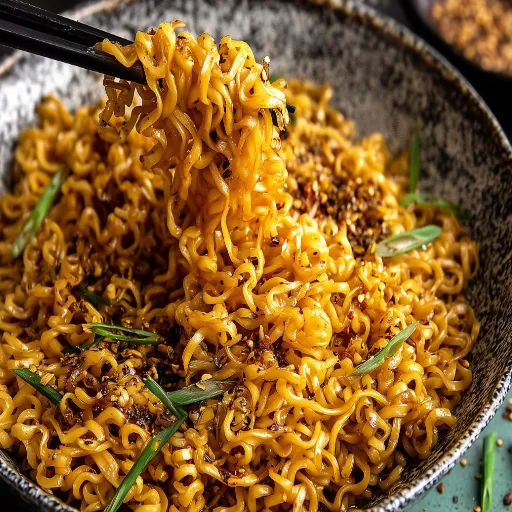
Indomie as a Cultural Icon in Indonesia
In some way, Indomie can be held to be more than mere instant food — it is in itself a cultural staple in Indonesia. In the last decades of the twentieth century, the company launched Indomie, which became widely available as inexpensive food with proper seasoning which was enough to satisfy the taste of the locals. It is viewed as a must-have in every home in Indonesia, irrespective of one’s socioeconomic status, as it enhances the dietary pattern of every individual. Flavors such as Mi Goreng and Soto Ayam have been greatly incorporated as they captured the epitome of Indonesian food culture, creating a product that combines both traditional and modern ways of eating.
Extending beyond the basic function of food is an embedded feature for all Indonesians, including the diaspora, where Indomie is concerned. Generally considered as comfort food, it is often seen as a nostalgic favorite of many people who emigrated from their countries. The brand has inspired pop art and cultural items, with recipes fostering creativity as well as creating social media engagement. Different ways of cooking Indomie, from just boiling the noodles to creating sumptuous delicacies, reinforces the centrality of the product within culinary practice.
The product has targeted global markets, which has promoted the image of traditional Indonesian food. So far, it has been exported to more than 90 nations, which clearly depicts the globalization of Indonesian cuisine. The persistence and success of Indomie can be attributed to its affordability, easy availability, convenience and most importantly, ease of preparation in the majority of consumption markets.
Regional Preferences and Culinary Adaptations
The local customs of different countries have influenced the preparation methods of Indomie, resulting in increased popularity in almost every region. Take the example of Nigeria where Indomie is now a staple food and part of almost every meal prepared with other ingredients including not only boiled eggs and vegetables but also spicy pepper mix to create a combined Indonesian-Nigerian fusion. This adaptation has turned Indomie into one of the most sought after convenience foods popular in Nigeria and many other African countries.
Regional Variations Around the World
Middle East
Dressed up with fresh herbs, spices, and olive oil to create Mediterranean-inspired dishes
America & Europe
Used as an ingredient for creative fusion cooking, including ramen-style dishes and stir-fries with unconventional sauces
Africa
Combined with local spices, vegetables, and proteins to create unique regional flavors
In the Middle East, Indomie noodles have become a popular alternative in various cuisines. They are normally enhanced with the addition of ingredients such as fresh herbs, spices, and olive oil to make a flavorful meal. Its ease of preparation fits within the hustle and bustle of busy city life while also being affordable and accessible for more people. In America and Europe, Indomie is more than just a quick meal to cook; instead it is an ingredient used to build culinary creations. The instant noodles are taken to another level through creative cooking, for example making ramen-inspired dishes or stir-fried noodles with unique sauces and meats.
The brand embraces these diverse approaches to cooking, which serves its purpose globally. By targeting preferences of specific regions, Indomie has not only expanded beyond its Indonesian roots but has transcended cultural boundaries. This reputation is further enhanced by the brand’s universal appeal and consistent quality, both of which actively work towards making Indomie noodles a classic comfort food across the world as well as an instrument of culinary innovation.
References
- Model Analysis of Customers’ Attitude and Behaviour Upon Instant Noodle Products
This study analyzes consumer attitudes and behaviors toward instant noodles, with a focus on Indomie as a leading brand. - The Influence of Taste, and Promotion Decisions to Purchase Indomie Instant Noodles
This study investigates how taste and promotional strategies influence consumer decisions to purchase Indomie noodles. - Click here to read more.
Frequently Asked Questions (FAQ)
What are Indomie noodles and why are they so popular?
Indomie noodles are a brand of instant noodles from Indonesia, considered to have good taste and easy to cook. Known as Mi Goreng in many parts of the world, these noodles include authentic Indonesian spices. The package contains various flavors including chicken, beef and vegetable variants, which has helped them become popular globally.
How do I cook Indomie noodles properly?
Cooking Indomie noodles is quite simple. First, bring a pot of water to boil and in about 3 minutes, cook the noodles by dropping them in. Once tender, drain the water (for Mi Goreng noodles) or keep the water (for noodle soup) and add the seasoning packets provided in the packaging. For those who wish to make it a complete meal, there are many options including boiled egg, vegetables of their choice and chicken.
What’s the difference between Mi Goreng instant noodles and noodle soup versions?
Mi Goreng is a dry fried noodle with spicy seasoning and no soup, served with sweet soy sauce and fried shallots as garnishing. The noodle soup version has broth and is quite often garnished with boiled eggs, chicken slices or vegetables. Both have their own distinct flavors and textures — one being more savory and flavorful while the other is more of a comforting soup with noodles.
Can I turn Indomie noodles into a healthy complete meal?
Absolutely, yes. Transform Indomie noodles into a hearty meal by adding proteins such as chicken, beef or tofu; vegetables like carrots, cucumbers, and spring onions; and a boiled egg on the side. This elevates the flavors of Indomie noodles and makes it more nutritious without being time-consuming.
Are there regional differences in how Indomie noodles are prepared?
Yes, indeed. In Nigeria, Indomie is prepared with tomato, onion, egg or pepper, creating a unique Nigerian flavor. Indonesians utilize Mi Goreng instant noodles with sweet soy sauce and fried toppings. Both Africans and Indonesians have made Indomie noodles a part of their culinary culture with regional adaptations.
How can I make Indomie noodles more spicy and flavorful?
For more spice and flavor, add chili oil, fresh chilies or an extra packet of sambal. Incorporate dark soy sauce, a pinch of curry powder, or sauté some ginger and garlic prior to adding the noodles for better taste. Moreover, toppings like grilled chicken, fried shallots, or BBQ chicken make the dish richer and more appealing.
What are some recommended toppings for Indomie noodles?
Boiled egg, cucumber slices, grilled chicken breast or beef strips, vegetables, and lime or lemon wedges are some topping options you can try. For quick enhancement, some fried onion or shallot portions could be added too. These simple additions transform Indomie noodles from just a snack to an actual meal in minutes.
How long does it take to prepare Indomie noodles and how should I store them?
Preparation usually takes about 3 to 5 minutes when cooking noodles in boiling water as indicated on the packaging. Store unopened packs in a tightly sealed container or storage bag to preserve the seasonings. Keep them in a cool dry place such as a pantry or kitchen cabinet. This helps preserve the flavor and quality of the noodles until your next preparation.