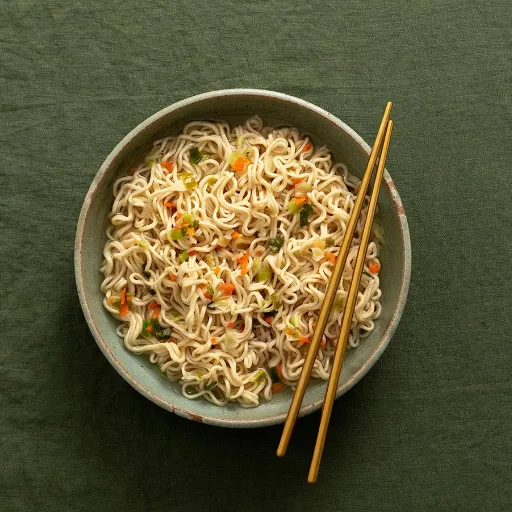
Instant noodles have been a favorite comfort food for ages, providing a fast and simple remedy for busy days or midnight cravings. Nonetheless, their image as high-sodium and low-nutrition foods often makes the health-conscious look for better options. What if you could have the instant ramen’s convenience and tastiness without affecting your health? This guide takes you to healthy instant noodles’ realm, examining how to convert your beloved bowl to a healthier one with nutritious choices, better components, and creative hints. Whether you are a cooking lover or just want to make wiser food decisions, this article will help you enjoy your noodles without feeling guilty at all.
Understanding Healthy Instant Noodles
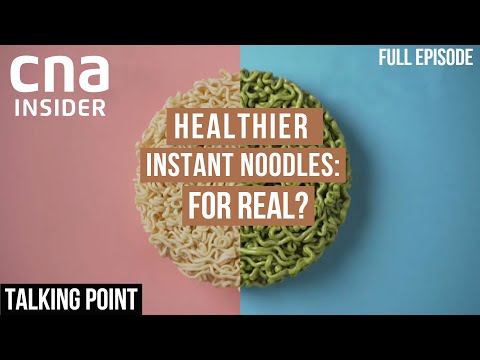
What Are Healthy Instant Noodles?
Healthy instant noodles are an easy and nutritious option for classic instant noodles, giving choices with fewer preservatives, less sodium, and better-quality ingredients. Generally, these noodles are made of whole grain or alternative flours like brown rice, quinoa, or buckwheat through which they gain extra fiber and nutrients. The seasoning packets are usually devoid of artificial additives and excessive salt; rather, they concentrate on natural flavors and health-promoting spices.
The air-drying or baking processes in place of deep-frying, for instance, is one of the main characteristics of the healthier instant noodles. This process cuts down on fat substantially, yet the noodles remain very much appealing in terms of texture. Besides that, numerous brands try their best to include plant-based proteins or superfoods like flaxseeds, seaweed, and kale in their recipes thus enriching each serving with more nutrients.
Moreover, healthy instant noodles are often seen in vegan or gluten-free options to meet the needs of different diets. These noodles have been made to be multifunctional allowing you to personalize your meal by throwing in fresh vegetables, lean proteins or just putting up a nice dish with herbs for a balanced and nourishing meal. By opting for these substitutes, you will be able to reap the benefits of the instantaneous noodles with less compromise on your health and wellness goals.
The Rise of Ramen Noodles in Health Culture
The transformation of ramen noodles from a fast, indulging snack to an important component of the health-conscious food trend has taken place over time. Nowadays, people are more aware of nutrition and are demanding such foods that provide convenience as well as health benefits. To this end, companies have started offering healthier products such as whole grain or low-sodium noodles, thus riding on the wave of demand for better-for-you alternatives. The processing of ramen noodles has reached a stage where the emphasis is on fewer additives, and through the use of such nutrients as kale, quinoa, and sweet potatoes, they will be included in the noodles themselves.
The change of the health culture is one of the main factors that contribute to the rise of ramen, and its main characteristic is its versatility. These noodles function as a base that can be customized and packed with nutrients. A health buff’s typical choice of toppings would include fresh veggies, a lean protein source like tofu or chicken, and a rich in antioxidants spice like turmeric or ginger. They might even opt for plant-based broth and superfood toppings to enhance flavor and nutrition. Ramen’s flexibility has made it a go-to for people who want to improve their diet without compromising on time or flavor.
This development in the food and health sectors also gives prominence to sustainability and diet-related inclusivity. Vegan, gluten-free, and organic ramen are some of the options that companies are putting on the market with the aim of meeting different consumers’ requirements and adapting to the environment-friendly practices at the same time. The power of social media is, moreover, facilitating the exposure through, for example, the viral status of creative recipes or health-conscious ramen bowls. The metamorphosis of ramen from merely a simple meal to that of a medium for health, creativity, and conscious living is now being emphasized by this cultural shift.
Instant Noodles vs. Traditional Noodles
Instant noodles are fast to cook and already flavored, whereas traditional noodles bring in diversity through longer cooking times and different flavors that can be customized to personal taste.
Nutrition Breakdown of Instant Noodles
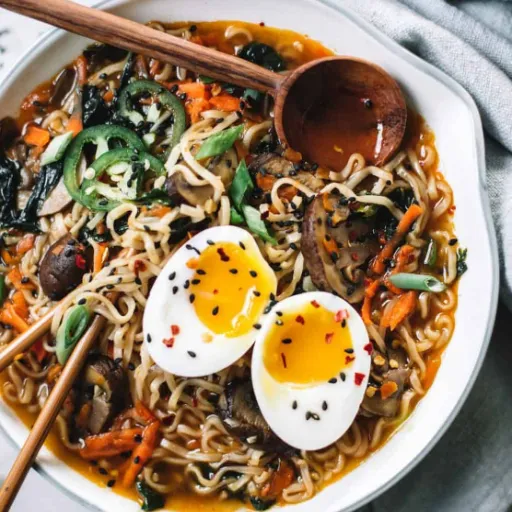
Sodium Content in Instant Ramen
⚠️ Important Health Note: A single ramen package can contain between 850 to 1,500 milligrams of sodium — that’s 37% to 65% of your daily maximum intake!
Instant ramen comes with its reputation for high sodium level, which predominantly comes from the seasoning packets that are mixed in with instant ramen. The general sodium content of a single ramen package could be anywhere between 850 to 1,500 milligrams, which is about 37% to 65% of the daily maximum intake that health authorities like the FDA suggest (2,300 milligrams). Long-term consumption of very salty foods can lead among other things to high blood pressure, heart disease, and kidney problems.
The dominant part of sodium in instant noodles comes from the soup or seasoning packets, which are very salty both for flavor and preservation purposes. The noodles usually have a lower sodium content than the rest, but their combination creates a high sodium dish. Some stores sell “low-sodium” or “reduced-sodium” instant ramen varieties to meet the needs of health-conscious consumers, but even these are often not far behind in terms of salt content compared to other meals. To lower sodium intake, it is a good idea to use less seasoning or to omit it altogether.
High sodium content does not stop instant ramen from being favorite and low-price option for many people over the world. They can add fresh veggies, lean meats, and spices to their cooking style, making it healthier, which not only increases the nutrients but also brings more taste without using the seasoning packets. Being aware of the sodium content and making suitable decisions can help consumers to have instant noodles in a way that is not so healthy but still minimizes the health risks associated with them.
Protein Options in Healthy Instant Noodles
Adding protein to your instant noodles is not only an essential step to achieving a more balanced meal but it also helps to keep you feeling full and supports the health of your muscles. The choice of protein can vary significantly from being very simple and accessible to more creative and gourmet depending on individual demands or nutritional goals. For instance, eggs are a wonderful addition that is both economical and rich in protein. A soft-boiled egg makes the dish creamy, and a poached or fried egg can make it more attractive and flavorful.
Plant-Based Protein Options:
- Tofu: Firm or silken varieties absorb flavors beautifully
- Edamame: Quick to add and nutrient-dense
- Chickpeas: Excellent source of fiber and iron
- Lentils: Provides complete protein when combined with grains
Tofu is a great plant-based protein source for those who want to avoid animal products. Tofu, whether firm or silken, can be cut into cubes and simply stirred into the broth where it will absorb the flavor and at the same time add protein. Likewise, edamame, chickpeas, or lentils can be effortlessly and rapidly incorporated into your instant noodles and thus will make the dish more nutritious by adding fiber, iron, and vitamins. These ingredients are suitable for vegetarians and vegans because when combined with the noodles’ grain base they provide a complete protein profile.
If quickness is the main factor, pre-cooked proteins such as shredded rotisserie chicken, canned tuna, or pre-packaged tempeh strips can be added very quickly. Users of the sea can add shrimp or fish slices for a lighter, omega-3-rich twist. At the end of the day, the choice of which protein to use is a matter of personal dietary preferences, but no matter what is chosen, these additions will change instant noodles from being a simple snack to a well-balanced, protein-rich meal.
Understanding MSG in Instant Noodle Packets
Monosodium glutamate—MSG for short—is a taste complainer and is regularly used to make instant noodles’ seasoning tastier. The umami-tasting primary receptors in the tongue are MSG’s target, along with making the dish quite rich and of course, the flavor would be dominant. Despite being a very popular additive, the food industry has been embroiled in discussions about MSG mainly due to the health impact myths that have been circulated.
🔬 Scientific Fact: The FDA and WHO have classified MSG as safe when consumed in moderate amounts. Adverse reactions are rare and typically only occur with very large quantities.
Scientific evidence has proven that the claims of MSG causing adverse reactions among the general population are unfounded. Notable institutions like the FDA (U. S. Food and Drug Administration) and the WHO (World Health Organization) have released studies that affirm the safety of MSG when consumed in small doses and classify it as a safe food. People, who have an allergic reaction to MSG, may suffer from symptoms like headaches, nausea, etc., but their numbers are very small and usually, the cases are those where huge amounts have been taken up.
The existence of MSG in instant noodles further confirms the importance of this material providing quality and enjoyable meal experience. For those who want to steer clear of MSG, several brands have come up with options that have less or no MSG, thus enabling consumers to live to their Dietary preferences more easily.
Making Instant Noodles Healthy
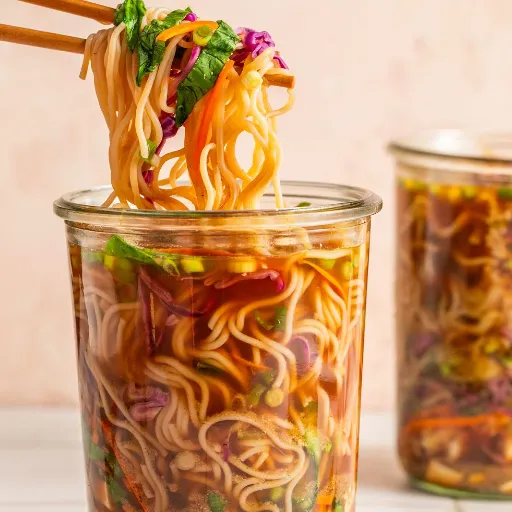
Tips to Enhance Nutritional Value
1. Add Fresh Vegetables
The nutritional value of instant noodles can be remarkably increased by adding fresh vegetables such as spinach, carrots, bell peppers, or broccoli. These veggies supply the body with important vitamins, fiber, and antioxidants that promote good health.
2. Include a Source of Protein
Support from a lean source of protein, like boiled eggs, grilled chicken, tofu, or shrimp, can turn instant noodles into a more balanced meal. Protein is of utmost importance in building and mending tissues, besides it strengthens the immune system.
3. Limit the Flavor Packet Usage
The seasoning packets that come along with instant noodle packs are usually very salty. By using only a small portion of the packet or by replacing it with spices and herbs like garlic, ginger, turmeric, or chili flakes, one can lower the sodium content while still enjoying the natural flavors.
4. Choose Whole-Grain Noodles
If whole-grain or buckwheat noodles are available, choosing them can help you get more fiber, which in turn will help you with digestion and also provide you with energy that lasts longer.
5. Cook in Broth Instead of Water
Cooking noodles in low-sodium vegetable or chicken broth not only adds rich flavor but also does not diminish the nutritional quality. Besides, the broth is a better base for adding more healthy ingredients.
Key Takeaway: Through these minor modifications, instant noodles will no longer be a fast, easy meal but a more nutritious and filling option that is in line with modern dietary requirements.
Healthy Toppings for Ramen
The addition of a range of healthy toppings to your ramen can significantly improve its taste as well as its nutritional value. Here are some great options to taste:
🥬 Leafy Greens
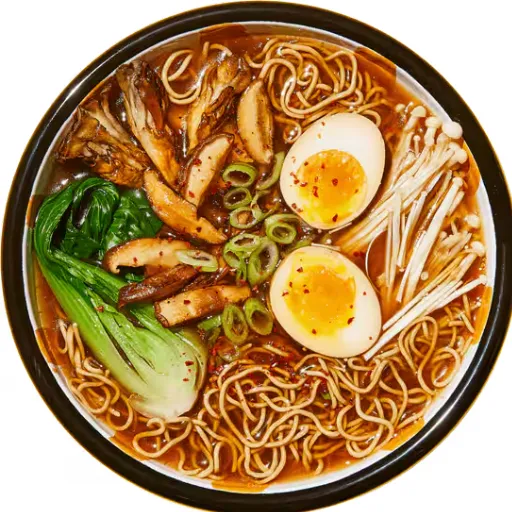
Spinach, kale or bok choy are the best ones to choose for the fiber, vitamins A, C and antioxidants which the body requires. Just put them into your hot broth and they will become wilted and softened.
🍗 Protein-Rich Options
If you use lean proteins like grilled chicken, tofu, shrimp, or a soft-boiled egg, then you will have a more filling, balanced meal with essential amino acids.
🥕 Fresh Vegetables
Sliced mushrooms, shredded carrots, bean sprouts, and corn kernels are natural sweeteners, crunche, and sources of different nutrients. They can be raw, steamed, or lightly sautéed.
🌊 Seaweed
Nori sheets or wakame pieces possess a distinct umami flavor as well as being rich in iodine and other trace minerals.
🥒 Fermented Foods
A teaspoon of kimchi or pickled vegetables not only adds a tangy kick but also helps the gut with probiotics.
🌿 Aromatics
Boost your ramen with scallions, cilantro, garlic, or ginger for a fresh, aromatic layer of flavor, along with anti-inflammatory benefits that are gained.
Your ramen has now turned into a nutritious and gourmet dish with these toppings that are good not only for your cravings but also for your health. Play around with combinations to come up with the perfect bowl for you!
How to Prepare Instant Noodle Cups for Maximum Nutrition
Making instant noodle cups healthier and more nutritious is easy with just a few smart tweaks. Following these steps will turn your meal into something more than just noodles:
With the help of these methods you will be able to turn instant noodle cups into a well-balanced, and nutrient-packed meal nice to your taste preferences and at the same time supporting your health overall.
Quick and Healthy Recipes
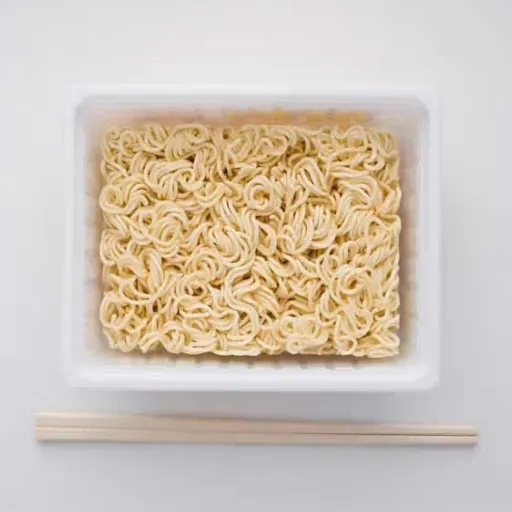
Creative Ways to Use Ramen Noodles
Ramen noodles are not only an ingredient that is easy on the pocket and very flexible but also can be turned into numerous creative dishes. Below are some of the innovative alternatives to use ramen noodles:
Such creative concepts not only upgrade instant ramen noodles but also let you personalize the meals with fresh produce while keeping the flavor, nutrition, and creativity balanced. Try your hand at these recipes to get the biggest return on your pantry staples!
Meal Prep Ideas Using Instant Ramen
Meal prepping with instant ramen is a fast and flexible method to prepare and create tasty dishes that will save your time during a busy week. Here are some imaginative ways to use instant ramen in your meal prep routine:
Ramen Stir-Fry Bowls
Prepare instant ramen noodles and mix them up with fried veggies, your choice of protein (tofu, chicken, or shrimp for example), and a delicious sauce like teriyaki or soy-ginger. Share into containers for a balanced and reheatable meal.
Ramen Mason Jar Salads
Put cooked and cooled ramen noodles in a mason jar along with fresh vegetables, cooked protein, and a light dressing kept at the bottom of the jar. Shake to mix before eating for a refreshing salad ready in advance.
Ramen Egg Muffins
Combine cooked ramen with beaten eggs, chopped vegetables, and cheese. Spoon the mixture into a lined muffin tin and bake until set. They are perfect for quick breakfasts or snacks.
Soup Kits
Portion out dry instant ramen, dehydrated vegetables, and pre-cooked meats into jars or bags. Add spices or bouillon cubes for extra flavor. When you want it, just add hot water for instant, homemade soup.
Ramen Sushi Rolls
Roll cooked ramen instead of sushi rice to fill nori sheets with your favorite vegetables, avocado, crab sticks, or any other sushi fillings. Cut into bite-sized pieces for a quirky take on classic sushi.
These meal prep ideas mix together style and convenience, so you can adjust each recipe according to your taste and dietary needs. With just a little imagination, instant ramen can be converted into a wide range of yummy and filling dishes for any event!
Common Myths About Instant Noodles
Debunking Misconceptions About Instant Ramen
Instant ramen has often been criticized for being nothing but junk food and an unhealthy product, but not all these accusations can be backed by facts. One of the biggest misconceptions is that instant noodles are empty in terms of nutrients. It is true that the classic instant ramen does not contain much protein, fiber, or vitamins, but cooking it with adding veggies, lean meats, and eggs can dramatically increase its nutrition. Instant ramen customization can make it a balanced and healthy dish.
❌ Myth #1: All Instant Noodles Are Extremely High in Sodium
It is a fact that the flavoring sachets are sometimes very salty, but just using less of it, or not using it at all and instead flavoring the noodles with your own spices and broth is a good way to lower the sodium content. On top of that, many brands nowadays have started low-sodium or healthy options that have whole-grain noodles and no artificial flavors.
❌ Myth #2: Instant Noodles Contain Harmful Wax Coatings
Modern methods of noodle production prove otherwise. The major noodle preservation methods used today are drying or frying, not using harmful substances. These myths are often the result of outdated or exaggerated statements that have hidden the practicality and versatility of instant ramen at mealtime. If prepared correctly, instant noodles could become a part of a healthy and balanced diet.
Are Healthy Instant Noodles Truly Healthy?
“Healthy” instant noodles are generally regarded as the ones that are low in sodium, high in protein, or enriched with extra nutrients like fiber, vitamins, or minerals. The aim of these healthier versions is to provide solutions to the usual nutritional problems that have been linked to the traditional instant noodles, such as high sodium content and a lack of nutrients. Although the brands frequently use whole grain flour or add plant-based proteins for this purpose they mainly target health conscious customers. On the other hand, the degree to which these products can be classified as “healthy” varies according to their specific ingredient profiles and their use in an overall diet.
⚡ Important Consideration:
Even “low-sodium” instant noodles can contain a large portion of the recommended daily limit of 2,300 milligrams. A single serving could take away a significant chunk of this limit. Always read nutrition labels carefully!
Sodium content is a major factor that should be taken into account when determining the health of a product. In spite of some companies producing “low-sodium” noodles, a lot of “healthy” instant noodles still have high sodium to make the noodles more palatable. Following the dietary recommendations, a person should not exceed the limit of 2,300 milligrams of sodium a day. Even a single serving of super healthy instant noodles could sometimes take away a large chunk of this limit. To make the right choice it is very important to read and understand the nutrition label since the sodium content may differ from one product to another or even from one brand to another.
It’s also necessary to assess the presence of other nutrients by looking at it from a different angle. Instant noodles that are marketed as healthy usually contain lentil or chickpea flour as a supplemental protein source along with added vegetables for fiber. These improvements do make the product nutritionally balanced, still, it is important to remember that no instant noodle product can equal the benefits of fresh, whole foods like fruits, vegetables, and lean proteins. If someone wants to make their instant noodles healthier, they should mix them with fresh ingredients like sautéed vegetables, boiled eggs, or lean meats to increase their nutritional value and make a dish that is more balanced. In the end, while some healthy instant noodles are a better alternative for people who are short on time, they should still be considered part of a diverse and thoughtful diet rather than the mainstay of one’s food supply.
Understanding Ingredients: What to Watch Out For
It’s crucial to take a look at the ingredient list very carefully when selecting instant noodles. This way, you will essentially ensure that you are making an informed choice. To start with, it is wise to be on the lookout for extremely high sodium levels since a major contributor to daily salt intake in instant noodles is the flavor packets that most people get addicted to. The World Health Organization suggests under 5 grams of salt per day as a safe limit, but to the surprise of many, some instant noodles will not only reach but exceed this amount in one serving alone. Apart from this, it is wise also to keep an eye on the presence of trans fats, which are sometimes hidden in the form of fried noodles, as they can raise the levels of bad cholesterol and cause heart disease.
📋 Ingredient Checklist:
- Sodium Content: Check if it exceeds 40% of daily value per serving
- Trans Fats: Look for “partially hydrogenated oils” in ingredients
- MSG (Monosodium Glutamate): Safe for most, but some may prefer to avoid
- Artificial Preservatives: TBHQ and other chemical preservatives
- Flour Type: Whole-grain or enriched varieties are better options
Another ingredient to pay attention to is monosodium glutamate (MSG). Even though it is commonly accepted as safe by the regulating health authorities, some people might have a reaction to it or simply prefer to avoid it. Artificial preservatives and flavor enhancers are also typical ingredients in instant noodle production and if one is targeting a clean diet, they should be avoided altogether or at least limited. One more thing to consider is the flour used in instant noodles. Some of the healthier alternatives to plain white flour may be whole-grain or enriched varieties, which will not only be more delicious but also contain more fiber and nutrients.
You can make your convenience meet the nutritional responsibility by additionally incorporating fresh and healthy foods together with the understanding of these key ingredients.
References
- Consumers’ Preference and Future Consideration Toward Organic Instant Noodles – Explores consumer preferences for organic instant noodles, hosted by AgEcon Search.
- Food Choice, Nutrition, and Health – Analyzes demand models for instant noodles, including nutritional considerations, hosted by the University of Georgia.
- Availability and Price of Low-Sodium Instant Noodles – Discusses the availability and pricing of healthier instant noodle options, available on PubMed Central.
- Click here to read more.
Frequently Asked Questions (FAQ)
❓ What makes healthy instant noodles different from your regular packet noodles?
The healthy instant noodles aim to increase nutritive value when compared to typical packet noodle varieties with the use of whole grain or rice noodles; air-dried or low-fat noodlecakes; much reduction in sodium; and including vegetables and protein such as sliced shiitake mushrooms, shredded chicken, or a protein ramen supplement. Selection of a tamari over high-sodium soy and avoiding heavily processed food and high-input tonkotsu-style fatty broths can make store-bought convenience food healthier options.
❓ How does one turn the healthy instant noodles into a balanced meal?
There must be a minute take for a healthy instant noodle package, as per the preparation time and customers’ wishes. Do curtail the waiting time by cooking the noodles straight in cool water for a speedy dish. Finishing the process with chopped veggies and protein completes the recipe preparation. One could toss in some green veggies, Shiitake mushroom, egg, tofu or some pulled chicken. Protein can come from other sources like protein-like ramyeon toppings and legume foods, while veggies jacked fiber and vitamin B content.
❓ Are there healthy gluten-free alternatives to instant noodles?
Yes. Rice noodle recipes are great, along with some sort of air-dried or renditions made from alternative flours that are naturally gluten-free. The allergens may be such things as wheat flour in disguised form, so read nutrition labels concerning gluten- and wheat-free terms. The main thing about these noodle dishes is that it is important that people are completely obsessed with gluten and cultured, either with obesity or celiac disease options.
❓ What is the optimal time to prepare a healthier instant noodle dish?
If you are looking for healthiness, you can still fit in some nutritious options without much effort on your part — you should be able to prepare them right after boiling water and cooking up the noodles, possibly more quickly so you are chopping the veggies that you will stir with a protein source. More involved meals call for some 10–15 minutes, enough to sauté some shallot, add shiitake mushrooms sliced up, and imbibe the broth with dimension from chicken stock.
❓ Is sodium among other health risks very concerning when eating instant noodles regularly?
Regularly consuming the high-sodium package noodles may be increasing challenges like hypertension and metabolic syndrome. The seasoning packets for many instant noodles are packed with sodium, as well as additives. While “low sodium” products are strongly recommended and the instructions for use advising against using all of the seasoning; replacing part of it with herbs, tamari, or low-sodium chicken stock and adding plenty of vegetables and protein make it a safe habit and a healthier plate.
❓ Are there any other ways to improve the flavor of a bowl of instant noodles without using the seasoning packet?
Replace the seasoning they provide with other flavors like tamari, hot sauce, a splash of chicken stock, finely minced shallot, or miso for a punch of umami. As for textures, avocado, greens, a boiled egg or tofu actually add depth, flavor, and some nutrition. Trading processed seasonings for “whole food,” one could make for brighter and healthier food experience.
❓ These instant noodles may also contain nutrients like iron, B-vitamins, and manganese, right?
Virtually all an instant noodle provides in terms of micronutrients is very low, but for the nutritional improvements, choose some fortified version to add in some iron (spinach, sliced shiitake mushroom, meat), B-vitamins (egg, yeast extract), and manganese (whole grain, nuts). So there you go, an assorted approach to mix-ins makes one a better option to fulfill your nutrient intake than plain packet noodle.