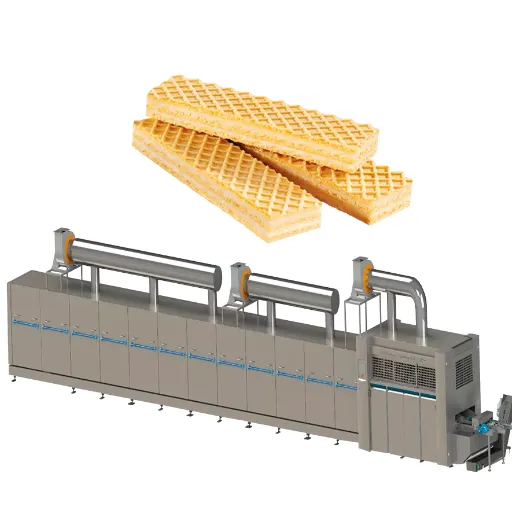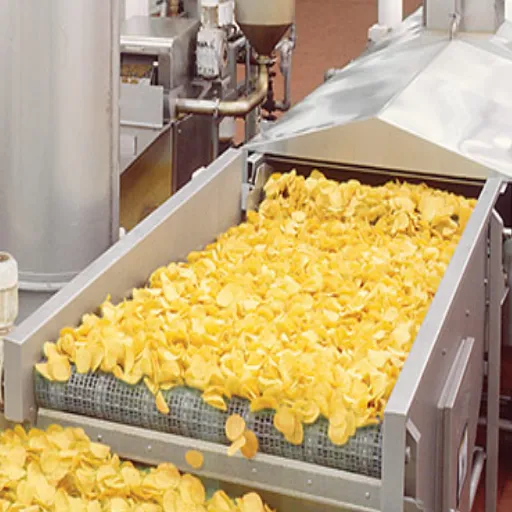
Food manufacturers need to create healthier breakfast products because consumers demand products with low sugar content and high nutritional value. Modern extrusion technology which scientists developed specifically for corn flakes production has become the fundamental technology driving this industrial transformation. The article demonstrates how new extruders improve production efficiency while providing optimal regulation of sugar levels and product texture and nutritional value. The guide benefits food industry professionals and product developers and breakfast cereal consumers by showing how new technology meets changing dietary needs.
Corn Flakes Production Line Overview
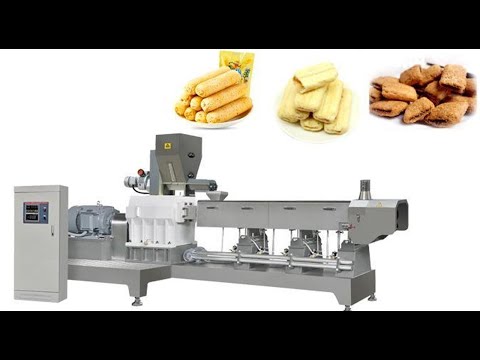
Introduction to Corn Flakes
Corn flakes are a widely consumed breakfast cereal which contains milled corn as its primary ingredient. The production process begins with the selection and preparation of high-quality corn kernels, which are cleaned to remove impurities and then cooked to soften the corn structure. The final product requires this stage to maintain both its consistency and its quality. During cooking, a mixture of water, sugar, malt, and sometimes salt is often added to enhance the taste and nutritional profile.
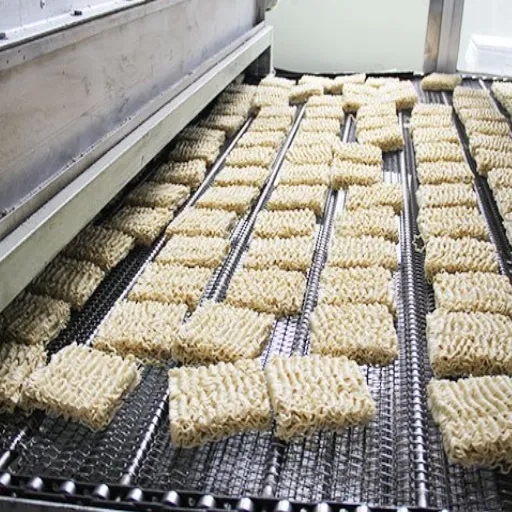
The processing of corn begins after cooking when workers dry the softened corn and then use rollers to create thin flakes. The flaking process helps create flakes which determine their texture and cooking performance throughout the entire manufacturing process. The flakes are then toasted in large ovens, where they acquire their signature golden color and crisp texture. The toasting process requires continuous monitoring because it uses specific time intervals to achieve even cooking results, while any burning that occurs will damage product quality.
The corn flakes undergo their cooling process after toasting, while vitamins and minerals are added to enhance their nutritional value, and the product is packaged in an environment that ensures its freshness. Modern production lines use advanced extruder technologies and automated systems to achieve operational efficiency while decreasing waste and producing consistent products during large-scale manufacturing. Consumer demand for refined and fortified breakfast cereals has increased because of these technological advancements.
Importance of Low-Sugar Breakfast Cereals
Cereals with low-sugar are indispensable for healthy living—especially with reference to limiting the amount of sugar eaten by an individual. The consumption of cereals with sugar helps to protect against the development of common chronic illnesses including obesity, heart failure, and type 2 diabetes. A diet rich in sugar is acknowledged to be one of the leading causes of these issues and encouraging healthy breakfasts enables people to have sustained energy throughout the day without raising their blood sugar. More specifically, according to the World Health Organization (WHO), added sugars should make up no more than 10% of daily calories; hence there is a need for such cereals as corn flakes production line.
These cereals also help in enhancing the overall nutritional structure of the diet as they encourage a better intake of nutrients. Many cereals that contain little sugar have the vitamins minerals fiber added to them and as result, they are not only consumed as supported and healthy breakfast but also satisfy one’s daily nutrition requirements. Fiber in particular helps in digestion and controls appetite which in turn aids in the attainment of weight control objectives. By eliminating sweets enhanced unnecessary sugar and emphasizing nutrient containing components low sugar cereals are in line with the public health recommendations which encourage an increased intake of healthy diets and less.
In conclusion, the trend of low-sugar breakfast cereals is in accordance with the increasing consumer demand of healthy and honest foods. It is being acknowledged that consuming unnatural amounts of sugars is detrimental and people are willingly looking for health supportive goods. Including low sugar filled cereals serves the community of organized shoppers and lets the manufacturers deal with these issues. This changing attitude corresponds to the overall trends within the food market which entails the need for product innovation oriented around health and sustainability in food systems.
Key Components of a Corn Flakes Production Line
The corn flakes production line includes a number of important elements that jointly help turn inputs into consumption ready cereal. All procedures are put in place in a way so that maximum productivity can be obtained and no compromises are made related to food safety. Here is a description of their main parts:
- System for Preparing the Raw Ingredients: In this phase, corn is stored, cleaned and pre-treated. Usually, the corn will be cleaned from any foreign materials and further converted into a specific shape, either grits, flour or any shape according to the needs of the finished product. So the material of the input is homogenized and feasible.
- Blending and Pre-treatment Machines: The mixing process is an important segment of the production cycle, wherein corn is blended with water, vitamins, minerals, sweeteners, and other components to form a uniform preparation. Immediately after this, the process of conditioning is normally done in which the prepared mixture is heated in a controlled manner for the purpose of further processing, such as extrusion or flaking.
- Cooking and Processing Equipment: An extruder is used for one of the extrusion processes which involves modeling the corn mixture into a specific shape. This machine ensures that correct temperature and pressure are practiced to cook the product well in a way that it maintains a uniform structure. This stage may also affect the qualities of corn flakes: both the nutritional value and its organoleptic properties may change depending on the construction features of this device.
- Drying and Flaking Rolls: Flaking of the extrudate is done by rollers which convert a thick extruded product into thin flakes of even size. These newly formed flakes are then subjected to a drying process to eliminate the surplus moisture thus making the product crisp and retaining it in the packet for an extended period. Careful attention must be paid to the temperature adjustment in order to avoid over-drying and high temperatures which might destroy the final product.
- The process of Toasting and Addition of Other Ingredients: Once dried, these flakes are put into a toaster to improve taste and improve structure. There is an option of adding additional flavors and coatings like sugar or even mapleo polycomposite glazes before the other steps are taken. This part of the process is necessary in order to achieve the desired crispiness and taste of the food.
- Systems For Packaging And Quality Assurance: The last step is measuring and splitting the flakes and then packaging in moisture proof bags. The product ready for sale is controlled using an integrated quality control systems including but not limited to flake size, moisture of the product, package. Advanced automatic machines transform dry output. Fill materials conveniently.
All these help make lots of good creamy cornflakes in a given or even greater degree of quality, consistency, flavor and nutrition. Each of the above mentioned steps has its nuances and careful observance of each component of the process guarantees that this dewlication will be achieved within the limits of the industry and consumer standards.
Machinery and Equipment in Corn Flake Production
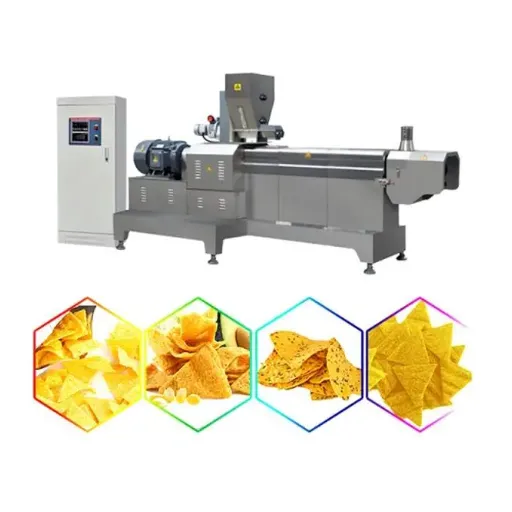
Extruder Machines in Cereal Manufacturing
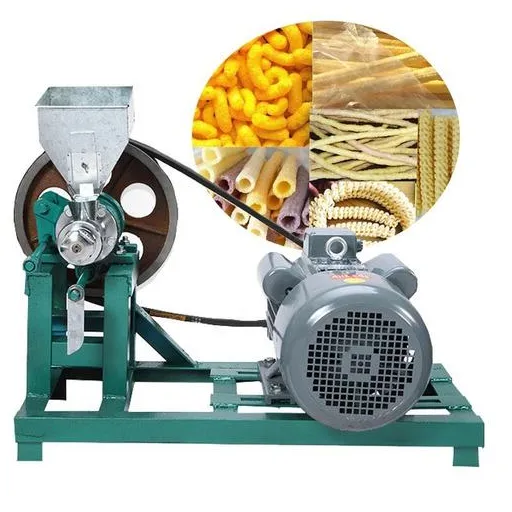
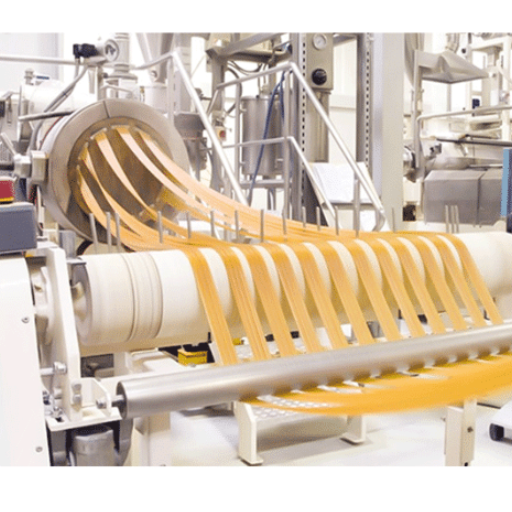
Extruder machines play a critical role in the production of corn flakes and other cereals by enabling precise control over the cooking, shaping, and textural development of the product. These machines function by forcing preconditioned cereal mixtures through a die under controlled temperature, pressure, and shear conditions. Modern extruders are equipped with advanced automation systems that allow real-time monitoring and adjustment of variables such as moisture level, screw speed, and temperature. This ensures consistent product quality at every stage of manufacturing.
One of the main benefits of using the extrusion process is its flexibility. The die shapes and processing conditions employed in making breakfast cereals allow for a great diversity of shapes and textures of the food, thus meeting different consumer needs. That said, twin-screw extruders are the most appropriate compared to other machines in cereal making. This is because the mixing function is improved, unlike single screw, diverse shapes and sizes are produced, and time is minimized. Food processing technology has established that extruders increase not only effectiveness of production but also ease the Þ. Þ is the degree of availability of nutrients in processed cereal products and is very important for improvements in consumer ots healthy products demands.
Including additional technology in the form of sophisticated sensors and application of data analysis tools provides even greater ability to work with the extrusion machine. These tools facilitate the maintenance of the apparatus by providing projections, which in turn reduces the downtime, and enhances the energy use efficiency. As a result, the design and operation of a extruder machines is characterized by mechanical artistry and digital technology integrating to a complex solution, which is why these machines are crucial and handy in making contemporary cereals.
Types of Corn Flakes Making Machines
Most machines used in the production line of corn flakes have their own specialty owing to the roles they play in the production process. We will now introduce the main types of machinery under corn flakes production line, equipped with appropriate recent editions of the machinery.
- Two-Screw Extruder Equipment: Such equipment is used in the cooking of the material and configuring it. Twin-screw extruders are characterized by the presence of two intertwined screws which allow the mixing and cooking processes to be carried out smoothly. The machines stand out due to their adaptability whereby even a volume of disparate materials can barely challenge them. New construction requires the delivery of precise characteristics with the help of elaborate sensors and controllers for temperature pressure and rotational speed thereby encouraging proper and consistent dosing of the product.
- Flakes Machinery roller type: Cooked kernels are baked in thin layers with the help of flaking rollers before the count and presence of kernels before and after growing conditions is donated to flakes, the baked sheet is cut. These machines are equipped with rigid rollers with a movable gap between them, for the control of the flake thickness. The development of many methods of roller surface coatings such as chromium plated rollers strengthens the rollers’ durability and also helps in realizing a better flake shape.
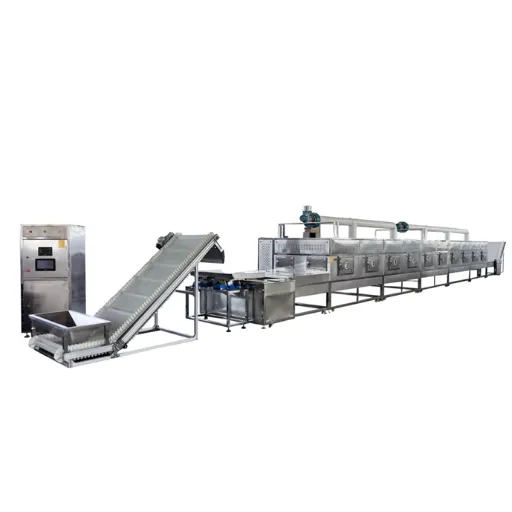
- Dehydrators and Solutions/Atomizers: The neat and appetizing feel of cornflakes can only be achieved with the help of such constructed machines. They dehumidify the flakes by employing regulated airflow and temperature followed by toasting them to increase the palatability and stability. Through energy savings as well as PLCs, drying and toasting equipment can enhance performance without affecting production levels.
- Furnishings and Refeeding/Mixing Facilities: In order to cater for consumers’ preferences, the producers of corn flakes at times tend to sweeten the surface with sugar, honey or other flavoring compounds. This is done using special coating machines that apply these substances uniformly. Instead of spraying cabinets, these machines are fitted with automatic sprayers and ruffles that improve accuracy, allowing less wastage and a top-notch product.
- Packing Equipment: Packing equipment is the very last stage of every process carried out in a factory; it maintains outwardly the product and improves transportation. These machines range from simple vertical form-fill-seal containers to complex robotic arms with the speedy precision-related tasks. Today’s packaging design might also use either vacuum packing or modification of the internal atmosphere based on the incorporation of nitrogen for storage purposes.
The machines consisting these systems do the actual work for Corn Flakes Production Line. These systems embrace the relevant concepts of automation and Internet of Things (IoT) thereby facilitating increased production on one hand, and on the other – providing appropriate concern for safety and quality that are required by consumer markets of the modern day.
Role of Conveyors in the Production Process
Conveyors play an important role in the corn flakes production line as they eliminate the hassle of moving materials from one stage to the other. Their construction is such that a large quantity of load can be carried continuously without any congestion or stops in the production. Let us now examine in detail and understand the purpose of the different five types of conveyers used in the process:
- Conveyors with a Belt: Belt-borne Conveyors: Such conveyors are used for moving materials like sugar and grains from one place to another. They are robust and efficient, enabling the transportation of materials of all shapes, sizes, and weights. These conveyor belts also have a high speed and are extremely hard making it essential for the feeding of materials for cleaning and processing to take place continuously.
- Helical Conveyors: The devices are also known as ‘augers’ and are used in the closed transportation of powdered or semi-solid materials, for example, milled corn flour. The structure prevents any spillage and guarantees health safety in food processing.
- Machines for Lifting through Buckets: The equipment most commonly used to convey materials upwards accommodates already cleaned grains to processed cornflakes eggs next. They are very economical when conveying materials to storehouses or machines for packing, then elevation, which provision is optimized.
- Vibratory feeders: This type of conveyor smooths and regulates the introduction of materials into processing plants i.e. seasoning. The trays are characterized by capabilities to diminish agglomeration of materials, while still presenting a hygienic construction.
- En-mass Conveyors: For bulk material movement, chain conveyors drag products through enclosed pipes thereby eliminating dust and shielding the material from the environment. This equipment is very helpful in handling waste or by-products for recycling or disposal of materials.
This is an important use of such conveyors since it facilitates the process of assembly and increases the output of production as more work is performed with less involvement and proper sanitation practices maintained. In line with the infusion of new technologies for monitoring, the use of conveyors also augments the operational management and performance.
The Process of Making Corn Flakes
Raw Materials and Their Selection
Corn Flakes Production Line involves selection of raw materials which basically implies a great concern for quality, the major ingredient being the maize whch is also called corn. It is important to note that quality preservation must entail control of moisture content, kernel size and purity because these parameters are especially significant for the texture and taste of end product. Also the corn will be checked to make sure it does not have any challenges like presence of mycotoxins or any pesticide in the corn. In a bid to meet the food safety and other regulatory requirements, as well as industry policies.
Supplementary elements are also imperative to realize the tastes and nutritional objectives of corn flakes. Sugar, salt, malt flavoring and the like are most often used in the formulations to make the food products more palatable. Certain variants may contain vitamins and minerals, which have functional purposes like these. The choice of these additional elements is influenced by consumer preferences, regulations and nutritional requirements.
Lastly, water is a crucial ingredient in the cornflakes manufacturing process, in particular when cooking and steaming. The water has to go through thorough filtering and processing until it reaches the requisite food grade, as any contamination of water will affect the safety and the taste of the product. Such an abrasive approach in selecting raw materials ensures there is no overcommitment between quality, safety and expectations of consumers as well as norms of the industry.
Extrusion Process for Corn Flake Production
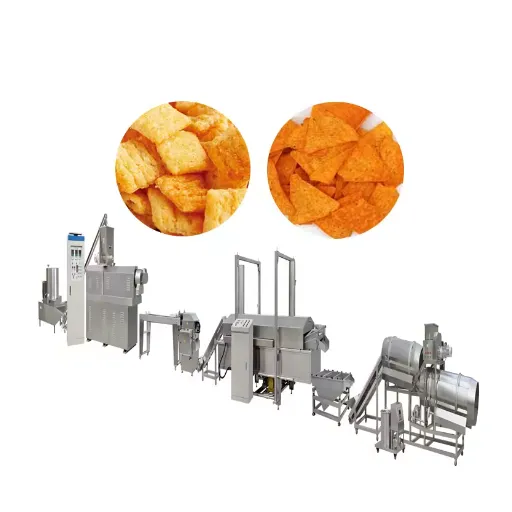
In the modern Corn Flakes Production Line, one of the key and important steps is the process of extrusion where heat and pressure are used to convert corn as a whole into a product that’s a mixture of all ingredients and ready for the next stage. For the extrusion, corn grits which can also be mixed in with other substances like malt or salt, are added into a preconditioning chamber. This allows the mixture to undergo some hydration and heating. This material is then introduced into the extruder, and made up of a barrel and screw elements. The screw element mainly mixes compresses and shears (not forgetting the heating) crushing the mix, inevitably turning parts of the absorbent elements (starches) into gel while also modifying the shapes of proteins in a manner that permits expansion, and extension of the product to the refined state.
To maintain product uniformity, it is essential to carefully control such important extrusion parameters as temperature, pressure, and screw speed. Thus, a typical temperature range within an extruder varies from 110°C to 180°C, depending upon the chemical composition and design specifications of the product. Modern equipment ensures strict control over moisture levels and the extent of material expansion in compliance with the quality regulations. In addition, the shape of an extruder helps in controlling levels of density and flake size which are key factors in terms of product offering and storage.
Extrusion technology has evolved in years and now comes with several features which include energy optimization and real-time monitoring of quality. These innovations enhance production efficiency and help reducing negative environmental impacts, energy costs as well as reduce the amount of wastes produced in large scale industry. This process is a marriage of the modern-day engineering principles and food science towards solving infrastructural and consumer problems.
Drying and Crisping Techniques
In the recent past, improvements in the methods of drying and crisping have taken food products development and manufacture to new heights of accuracy, uniformity and effectiveness. In addition, current methods of drying such as vacuum drying, freeze drying and fluidized bed drying are now being used to effectively eliminate water moisture without destroying the structure, the nutrient content, or the taste of the product. For instance, in the freeze-drying process, the temperature is maintained at a subzero level with low pressure. Such conditions allow freeze-drying a product without creating ice crystals which may destroy the texture of the product. This becomes important especially in the case of fruits, other foodstuff and shaped edible commodity that costs highly for processing to make goody.
Often advanced technology, such as infrared or convection cooking, is applied in a controlled manner for coating crisps. Infrared heat permits even and very fast dissipation of heat, cutting down on the time for the process and wasting less energy. Recent engineering literature suggests that a combination of the above methods and moisture sensors in situ improves control precision thereby, crispness and quality of the final product are not compromised. Even the process of weighing machine learning algorithms becomes useful since it allows the control of processes that provide food products of desired characteristics in a more stable manner.
Food products, therefore, meet the tastes of consumers while industrial expectations of energy conservation and productivity are met.
Quality Control Measures in Corn Flake Production
Ensuring Consistency in Texture and Flavor
A consistent texture and flavor are crucial in making corn flakes, which is why a robust regime of strict ingredient maintenance and optimization of process control is adhered to. Proper standards, congruous to that of thermally processed corn such as syrups and corn grits should be reinforced during the process. Among the developed analytical techniques is near-infrared spectroscopy (NIR), which is often applied for online moisture content, particle size, and starch composition determination. Through that, it is possible to track and note the conversion of raw material from one form to another and thereby ensure uniformity in all production cycles.
Monitoring critical control points at all stages of production is also exceptionally significant. It is worth mentioning that parameters including drum drying temperature, flaking thickness, and toasting duration are particularly. Every value is controlled using sensors and programmable control systems to an accuracy which no human can match. Corn Flakes Production Line quality, crucial such variables as temperatures, is controlled even in most unobtrusive way. For instance, temperature sensors that are placed inside toasting ovens for controlling temperature disturbances, are capable of sustaining the level of caramelization and crispness as original within desired temperatures. Inasmuch as that, on the other hand, thickness gauges using the laser technology adhering to the principle that the answer appears within specified dimensional regulations for the reason of texture.
To ensure still further and further stringent policy is imposed machine learning enabled systems for predicting system’s Picuture degradation tend to be widely adopted. According to the systems health data obtained, and analysis of all of those helps predict sooner the equipment will not comply with the purpose number decreasing the number of equipment failures associated with creating extended stoppages and production thereof. As a whole, these sophisticated processes demonstrate the use of one discipline, food science, in conjunction with new techniques such that the product such as the corn flakes will be within the internal quality standards without the time wastage or idleness. This optimizes the supply of well flavored, textured, and palatable foods that do not compromise the satisfaction of the consumers.
Testing for Nutritional Content
Evaluation of cornflakes serves as a very important part in quality control during the Corn Flakes Production Line. It assures the maintenance of regulatory requirements and consumer concerns about the nutritional value of the product at all times. Novel analytical instruments such as HPLC and mass spec are used to determine the concentration of micronutrients e.g vitamins and several minerals. This allows for accurate measurements even at low concentrations, therefore all the fortifications are respected within the formulation of the product. For the macronutrients such as carbohydrates, protein and fats, the focus of tests is normally the methods like proximate analysis which describes the product in terms of calories and division of the different components of nutrients.
Furthermore, food producers consider the availability of essential nutrients. It may include using pre-determined test tubes to estimate how well the body would absorb molecules found in the foodstuff. This notion is most widely spread in regards to fortified foods like cornflakes as they contain nutrients like iron, Vitamin B12, and folic acid that aim to fix inadequacies in the prevailing diet rather than improving it. It serves to understand what improvement is made to fortification and only strengthened nutrition and not just novel paper rice. Part of advancing this field has relied on new methods such as a genomic approach which emphasizes the again spectacle nutrient about food interactions and strengthening of local food markets to meet the needs of different groups.
Normal quality assessment of packaged food includes shelf-life tests, which aim to explore changes of content over time in different storage ambient conditions. Nutrients and the product itself can be destabilized due to various factors such as temperature, humidity, and light. To guarantee uniform product quality, maximum nutrient retention, and accordance with masks requirements, advanced testing techniques alongside modeling is employed to achieve this. All these features contribute to the in-depth understanding of why food production is a task that requires the utmost diligence and accuracy to guarantee that the product is of high quality, safe, and tasty and at the same time healthy.
Maintenance of Machinery for Optimal Performance
The upkeep of machinery used in industries is essential for enhanced production by cutting down on downtime as well as lengthening the useful life of equipment. Thorough upkeep methods, such as those requisite for preventive and predictive maintenance, are part and parcel of every industrial setup. Preventive maintenance entails imminent, concretized inspections of equipment with enabling maintenance measures to avoid equipment breakdown. This includes activities like oiling, gauging, replacing faulty components, and washing the equipment to sustain desirable working conditions. Contrary to preventive maintenance, in predictive maintenance, more advanced methods like vibration, thermal, and acoustic analyses, are used to in a bid to determine in real-time the condition of the machine for possible malfunctions that may follow.
The current technological advancement of Industry 4.0 and enhanced usage of intelligent systems in manufacturing has taken maintenance practices to another level. It is now possible to fit out machinery with IoT-based sensors that can analyze temperature, pressure, vibrations, etc. in real time and relay such data to the central system any process monitoring at this point is demanding and can only be done in a laboratory. Centralized systems create opportunities to arrive at conclusions based on such data by introducing machine learning programs, which makes it possible for maintenance sections to attend to problems rather than wait and settle issues when they occur. This kind of proactivity curtails unplanned stops to a very large extent and facilitates purposeful management of resources as well as improving retention of the Corn Flakes Production Line.
Moreover, in order to achieve long-term dependability from the machine, it is wise to follow the manufacturer’s instructions, after maintenance of the machine. This involves using correct spares, avoiding misalignments in the machine and operating the machine at the expected conditions. Instructing operations management personnel on the proper operation and safeguarding of procedures in relation to machines is Another equally important step in fighting damages caused by the users. Many industries provide and facilitate optimal performance, low costs and efficient machinery by integrating modern systems based on rules as well as conventional maintenance with Corn Flakes Production Line.
Emerging Trends in Breakfast Cereal Manufacturing
Innovations in Low-Sugar Formulations
Consumers are demanding healthier food options, while food manufacturers are limited in the amount of sugar that they can use. Manufacturers are taking advantage of recent developments in sweetening science, including the use of nut-derived, plant-derived and natural sweeteners such as stevia, monk fruit, allulose, and tagatose among others. This is achieved through the use of sugar alternatives that provide the required sweetness but with no calories so palates are preserved and sugars are eliminated forward. Such improvements, however, are also accompanied by the development and application of taste-masking as well as formulation approaches in order to mitigate the undesirable tastes and textures that are synonymous with such ingredients.
The use of precision fermentation methods is also another important advancement. These biotechnological methods allow the production of flavor compounds that taste like sugar, but do not have the calories and the metabolic effects that sugar has. Such compounds and prebiotic fibers are used together by food companies to improve the nutritional content of the food product without altering its mass and shape. This is crucial for both health-concerned customers and sustainable development in the industry as resources required in most cases to employ this technology, that is able to replace sugar and its uses, are less than those needed in sugar cultivation, processing and manufacturing.
The data-driven approach, where consumers’ preferences and business analytics shape the production of cereal, means manufacturers are able to adjust and improve the recipes of breakfast cereal. With the use of high-tech projections, reshaping and qualifying tools, they will ensure the ratio of sweet, crunchy and healthy to their varying audience is achieved. The first goal of the approach is to lessen the product creation period that in effect reduces the cost of modification. With these advancements, the future of the breakfast cereal industry looks to be encouraging towards the consumption of healthy yet tasty cereаl that does not feature significant sugar content.
Technological Advances in Extrusion
The development of extrusion technology is moving forward very fast. At present more improved systems are used, in particular tamper-proof twin-screw presses are able to maintain temperature, pressure and shear within the foodstuff during its processing to a considerable extent. It is needed for the system, every single detail of the texture or the amount of the moisture or the nutrients are kept in its consistency of the product. What is more, the modern management systems that are built into the machine in the food cannot be left out as they help reduce the use of energy and mitigate pollution and ensure quality as the tweaks can be done in the process without having to halt- idle the equipment.
One advancement related to extrusion technology which cannot be ignored is without a doubt the high-moisture extrusion cookers (HMEC) in the production of plant-based protein foods. With HMEC, it is now possible to achieve meat analogs that closely resemble conventional meat not only in taste but also in the fibrous texture. This development addresses an apparent consumer need for more sustainable and protein-rich food products. With the help of extrusion technology in which every parameter is well controlled, users will now be able to produce chewing quality and meat structure like plant-based proteins which will include soy, wheat, and pea proteins.
Moreover, progress in material science aided by revolutionary designs has augmented functionalities of extrusion lines greatly. As a case of point, extrusion technology with several layers enables preparation of products with certain shapes and fineness intended for certain market niches, for example gluten-free or enriched snacks. Along with that, digital twin technology has allowed introspective and predictive maintenance to reach new heights as well as provide optimal process simulation for any extruder process conditions. All of these new features are only contributing more towards the development of the extrusion process, allowing producers of such machines to easily handle more and more demanding customers without rendering the structures under consideration uneconomical.
Future of Snack Making and Cereal Flake
The way snacks and cereal flakes are manufactured has reached a peak and it is likely to be re-defined by the convergence of technology, changing tastes of the consumers and requirements of sustainability. The developments in fabrication methodologies like extrusion with accuracy ensure that the fraternity of producers comes up with complexly shaped, improved texture and even enhanced nutrition of their products. This follows accompanying requests for more vegetarian snack requests, allergen disposed and nutrient boosted.
In addition, it is worth noting that the industrial design benefits from the interfacing of the information technologies like artificial intelligence and machine learning supporting impacts as well as improving quality, efficiency, cost reduction and through among other things maintenance. For instance, such solutions now include continuous surveillance of its operator’s process conditions that seek to optimize output limits without too much wastage. Amongst the trends, such as high protein or low sugar levels in certain products, manufacturers can meet very rapidly using the available Analysis tool for Innovation.
At the same time, developments in sustainability do not presently stop, with search for green packaging and putting argument in favor of recycled content not only in defense of themselves but also into their food; thus going beyond any one industry by manifacticuring processes that need the least energy consumption. These measures in conjunction with other trends aim to lower the damage to the environment without affecting the taste and quality of the products.
Corn Flakes Production Line surface this larger trend where food snacking and cereal flaking interact with food tolerance and food choice but enhance optimization of the world food system.
References
-
The Development of Novel Functional Corn Flakes Produced from Different Types of Maize
This study explores the use of different corn types and extrusion technology in corn flake production. -
Development of Extruded Snacks and Corn Flakes Using Yellow Corn and By-Product Broken Beans
A study on producing corn flakes and snacks using yellow corn and by-products as protein sources. - Click here to read more.
Frequently Asked Questions (FAQ)
Q: Explain cornflakes producing line and its working.
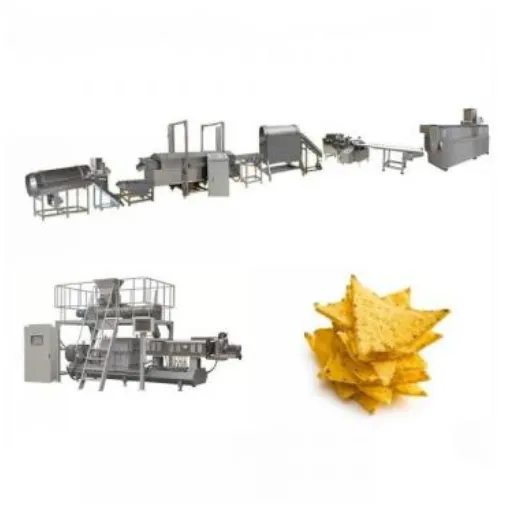
A: The term ‘Corn Flakes Production Line’ refers to a set of equipment that is used in production of consumable ‘breakfast cereals’/flakes or any other maize based processed food. Such a plant consists of an agitator or blender, a double-rotary granulator or a cornstarch grinder, corn puffing or extruding transforming, corn puffing or corn baking, corns drying stage, corn flattening and packaging machine stage. The basic terminating corn/ sorghum or grained wheat or a combination of two within each and every situation; is mixed inside a mixer where it’s then cooked under pressure in the barrel of the twin-screw extruder, then formed into stiff disks, expanded using puff or roasted to become crispy chips/flakes, in the end covered and sealed with the help of packaging and other food processing machines.
Q: What’s the apparatus, in terms of machinery used, composing a directed cornflakes cereal forming line apart from simple extruding machines?
A: The array of equipment in a standard cereal corn flakes processing plant like equipment comprises, dough or slurry mixer, flake extruder, almost invariably twin-screw extruder, expanding cook or puff machine, flakers or some flaking rollers, baking or roasting unit, seasoning and coating or packing equipment. These conveyors and auxiliary food machines are tailored for food factories which need high capacity, fully automatic operation.
Q: Can one corn flakes production line produce various shapes and varieties ?
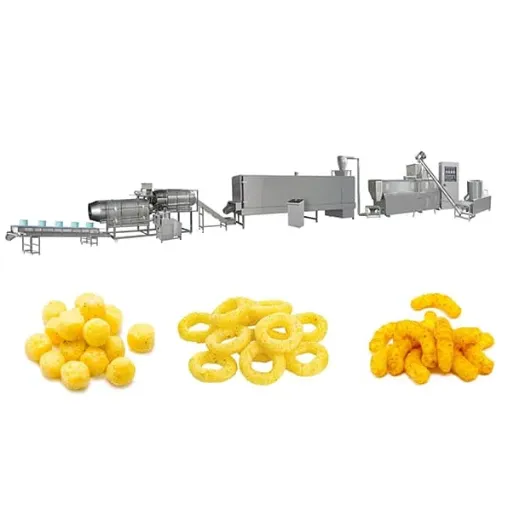
A: Absolutely. Existing corn flake processing lines and machines produce; puffs, puffed corn look, an instant corn snowflake, and other numerous designs by each changing extruder dies, screw extruding parameters, and flaking rolls. Manufacturers of machinery extend the capabilities to the production of corn flakes, curl shapes, and other shapes appropriate for food cereals or snacks.
Q: What is the function of a twin screw extruder in the production of corn flakes?
A: In several more corn flake production machinery systems, a compulsory unit is the twin screw extruder. It guarantees uniform mixing of the corn dough while ensuring its cooking and puffing in the twin screw extruder. This unit is functional for deep heating and non-stop high productivity processes, which produce instant puffed or semi-processed pellets of corns for further processing in flaking or grilling of the cereals.
Q: Do corn flakes production lines offer the option to manufacture breakfast cereals and snacks?
A: Absolutely. An adjustable corn flakes production line or food equipment can be used in the production of corn flakes and breakfast cereals as well as from processed grain foodstuffs. The recipes and apparatus in the extruder as well as those used after the extruder can be altered in order to make the required processed grains; these can either be whole meals where the processed grains are eaten especially in the morning hours or whole meals adapted into snacks via the use of a snack food extruder machine.
Q: What are the primary constituents as well as general guidelines for preparation?
A: The principal ingredient is always maize, though a given production line can process whole grain, corn endosperm grits, maize meal, or combinations thereof. Water, sugar, malt, vitamins, and minerals are common additives that ready-to-eat dry cereals are enriched with. To produce corn flakes and other cereal foods with the required puffed corn structure, with good crispness and extended shelf-life without spoilage, moisture content, cooking temperature and the extrusion screw speed would have to be within the desired range or limit.
Q: To what extent are kitchen lines nowadays utilized for the manufacture of cornflake cereal?
A: Today’s corn flakes processing lines range from simpler batch systems to functional fully automatic continuous lines. High capacity twin screw extrusion lines together with in-built packaging machines allow large foods processing plants to operate in a continuous process environment with little or no labor input. The capacities differ as a result of respective machinery manufacturers as well as the sizes of the equipment, ranging from a cereal set up pilot plant with a small machine to an industrial corn line producing several tonnes per day.
Q: Which are the essential maintenance and quality control interventions for food processing machines in terms of producing corn flakes?
A: Regular service and calibration of food processors such as the extruder corn, mixer, flaking rollers, oven, and the packing machine is a must. Hygiene upkeep, skewers and dies wear inspections and high-temperature control calibration machinery work together towards attaining such consistency. Quality assurance involves moisture exclusion, textural (crispiness or puffiness in moderation) variations and safety standards compliance to ensure the much appreciated food from crops does not fall short of regulators’ and other stakeholders’ minimum requirements.