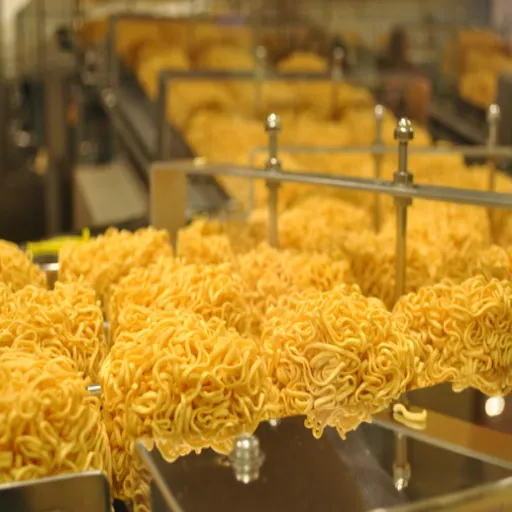
For companies operating in the food sector, an efficient production of instant noodles is paramount, given the quality and competitiveness it comes with. Many other processes such as raw materials procurement and packaging are subject to improvement efforts to raise output and still meet the set quality standards. Methods for enhancing efficiency in production processes are expounded upon in this article with the focus on the strategies, enhancement technologies and good practices which are taken into account throughout the whole period of work. If barriers are to be removed, if defects are to be cut down, or if the processes are to be set in a different way, this is the guidance material which will help you do it with actual performance information about instant noodle production.
Introduction to Instant Noodle Production

The Rise of Instant Noodles
The fame of Instant noodles has spread worldwide thanks to its ease of use, reasonable price and durability. The production of instant noodles started in Japan during the 1958 when Momofuku Ando – the head of Nissin Foods took some steps to solve issues that were being brought about by post war. The need to prepare food fit for quick consumption marked the beginning of a new era of preparing them as both household and commercial meals.
The continued growth of instant noodles attribute to factors such as quick and efficient production systems and a quite changeable nature that can favor the consumers. Ease of production has seen manufacturers produce large quantities of noodles using machines while preserving the fried product by flash-frying or drying the product using air. Giving a new taste or changing the flavor is another reason why instant noodles are distributed worldwide byland in Asia, Western Europe, North or South America, Africa among others. This competitive advantage has made them classic for some people all around the world.
The instant noodle industry has this age continued to develop instant solutions that meet the changing customer demands due to advanced technology and new designs of packages. There is an increasing concern for environmental issues, which is pushing this sector to adopt more eco-friendly production methods- for example, putting more effort into reducing an environmental harm produced by the packaging for the noodles, as well as, minimizing energy use within factories. Against the backdrop of these expectations, the consumption of instant noodles remains high due to the convenience of the products, the cost of purchasing the products and the familiarity with the culture in respect to the prepared instant foods that are available in many parts of the world.
Understanding the Instant Noodle Market
The instant noodle industry can be seen through big contributing issues affecting the market continually. One of these is fast population growth or urbanization, which is one of the reasons why people turn to things that can be made in an instant. Healthy, canned food ready to eat like instant noodles offers convenience to the fast paced modern-day life. In another direction, instant noodles are a preference by most as they are cheap and hence serve the interests of different social classes. It therefore guarantees a continuous market for this product as people in different age groups continue to buy it.
There is also, the other dimension to consider when it comes to brand orientation which pertains to changes in flavor, product packaging and nutritional characteristics. Encouraged by changing customer preferences it is important to understand all these developments in favor of regional flavors and better-for-you snacks presented by food manufacturers. For example, people who follow a gluten-free diet, or are trying to avoid fats built on noodles, and consumers who seek foodstuff with high protein levels have developed an interest in this delicacy. Alternative means of packaging food products that appeal even to the environmentalists are already in use even as the years’ people have gotten to be more wild.
It is worth pointing out that another turbocharger to the doing of business is the growing spread of e-commerce solutions. High prices tend to discourage the shoppers, resulting in online buyers being lost within no time. Many people wish that their brands are recognized universally hence they do not want to be barred from shopping since they are outside that country. Retail offers have been an outcome of technology hence many companies have seen these as opportunities to grow. Hence, a number of these aspects, taken together, certainly aid in the continuous progress of the global instant noodle market.
Importance of Yield Optimization
In a production line, maximizing throughput is a continuously being developed procedure that dwells through productivity, capacity, as well as profit margin across the industries. Enhancing the amount of manufacturing goods produced from the available inputs eventually supports the cost-efficiency and environmental conservation in an operational context hence, optimizing yields is necessary. In the cases of agriculture, the industrial and the energy sector, the notion of optimization seeks to achieve the most effective ways in which resources such as time, capital, raw materials and energy can be used without status leakage. Waste reduction helps, and increases the ability of an installed process to be of a larger size in order to meet the needs that will arise in the future, at the same time.
For businesses, yield optimization is a life and death matter when it comes to the quest of staying relevant in the market. Usually, the companies that are able to produce more output from the available market resources, are able to set competitive pricing without incurring huge losses and sometimes even making profits. Another benefit of obtaining a high yield is that it helps in the provision of goods and/or quality services at a more consistent level giving this reason for it to such comparatively overdismay of services exists in a field where services are driven by customer interests and the reputation of the brand is at its most acceptable level. There are measurement platforms such as analytics automation performance management reporting or a data warehouse that supports decision making and analysis strategy particularly helps the user target performance expectations and control activities in their respective departments on a day to day basis
Sustainable development is also an essential component of yield enhancement. In view of the increasing concern for depletion of resources, and its effect on the environment, the minimization of the carbon emissions is also achieved through optimization of yield by utilizing available resources sparingly. An excellent example is the application of precision farming techniques in farming, which involves the use of advanced data processing systems in order to achieve maximum yields with minimal inputs. Along the same line, conversion technologies in electricity production can decrease the consumption of water and power, and reduce environmental pollution by making use of environmental friendly materials. Assignment entails unequivocally that improvement of productivity is not only an end in itself and a function of business: it is a tool for moving towards development.
Raw Material Preparation
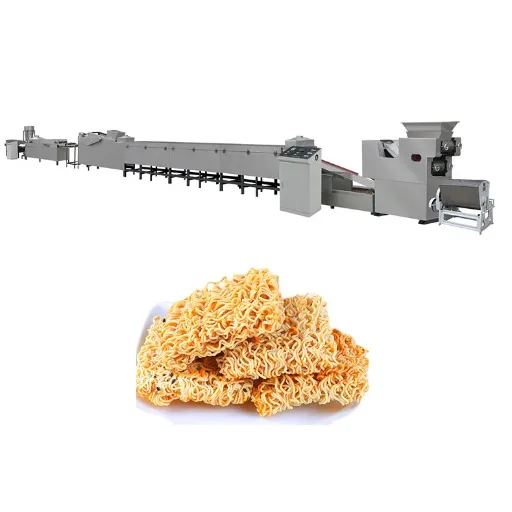
Ingredients Used in Instant Noodle Production
Crafting a packet of ready-to-eat egg noodles involves combining the various constituents in a specific manner to yield these key qualities, namely chewiness, taste, and longevity. The main ingredient is wheat flour owing to the fact that it forms the body of the noodle and even provides elasticity and tensile strength owing to glutenogy. Water is also part of the recipe but must be measured ensemble properly in order to form the dough while remaining the too wet for further use.
Other obligatory ingredients constitute salt and basic salts, mainly potassium carbonate or sodium carbonate. Salt helps to enhance and make instant noodle back to chewy components making it cover the flavor which comes from the basic salts used. In most cases, palm oil may be used in the form of frying fat that helps in the production of the noodles in high quality and for better maintenance especially with the decrease of water activity. As well, certain meals contain stabilizers and emulsifiers to help uniform the food texture and prevent components from separating while being fabricated.
Flavor seasonings and dehydrated vegetables are packaged separately trying to boost satisfaction. This is done to differentiate the flavors in the seasoning. The flavor packets on the other hand include powdered broths, spices, flavor tenders which are for example monosodium glutamate (MSG), and even dehydrated components in a manner that they will be used conveniently for a specific meal. These rely more on using a large quantity of diys and mp for disintegrating powder clumps, blending in the added flavors and even in spreading the given amounts over the required noodle loads such packaging provides. The preparation of such structures is a process that incorporates both preservatives and treatments.
Mixing the Dough for Noodle Production
One of the most crucial steps of preparing noodles is kneading the dough since that process is responsible for the flexibility, elasticity, and tolerance of the noodles. Usually, it is wheat flour, water, and perhaps salt or specific agents like potassium carbonate in order to highlight different textures and tastes levels. The proper quantities of the ingredients are provided depending on the specific recipe of the noodles and the tradition of the area in question.
In the mixing period, during which various types of machines such as batch or horizontal mixers are used, it is possible to make a very stable and uniformly hydrated flour. This also happens through the use of controlled speed and duration of ingredient mixing in these machines which is necessary for better gluten formation. This plays a crucial role in that the protein network gives strength and distributes stress evenly in the noodles. Highly developed monitoring tools create a suitable dough and easy meal mixture since they have the capability to prevent a large proportion of the bi-product is lost respecting various process parameters like moisture levels, mixing durations and temperatures in the nutritional substrate that is automated With all the latest techniques, the qualities of these mixes are perfected which would put these modern equipment at an advantage.
Research and Development works of science have also shown over the years that, in general good pasta shall form with respectable 30-40% dough water. It is true that the greater the dough water, the more tender the noodles shall be, and the dough easier to work with. Thanks to the breakthroughs that have been made in the food industry, this particular problematic issue can easily be solved by mass production process of the noodles.
Quality Control in Raw Ingredients
Noodles are fantastic products to base their own business around but such a big and time-consuming project needs to be approached very responsibly. Raw ingredients are the most important element in this production process. Thus, each raw material/raw ingredient such as wheat flour, salt, water, and other fortifiers or flavoring agents requires strict supplementation to ensure quality and functionality during manufacture. The functionality of each material directly impacts the final quality of the product hence much evaluation has to be done in order to maintain the functionality of the products. Protein content, for example, is particularly important as it affects the chewiness and snap response of the gel to the maximum. One way of keeping the raw materials consistent is by carrying out a rigorous supplier evaluation at the time of procurement, in addition to doing and recording laboratory evaluation of the raw materials.
Sophisticated types of analytical methods enhance this quality improvement examination remarkably. Pointing out that technologies in line with preserving such as near-infrared spectroscopy (NIRS) aid in the quick assessment of , most of all, the structure and the volume of wheat flour through these factors as its , moisture, protein, and ash. This specific type of technique requires quick evaluation of the component using an interferometer while adding a measurement to its entirety every time. Such swift and accurate feedback has ensured that producers do not deviate from the expected components during manufacturing. Similarly. concern in the form of microbial tests is found in raw water and other material in an effort to reduce the possibility of contamination. Aquifer specialists observe that managing the microbial distribution is more effective at the beginning of the process to avoid dissatisfaction or noncompliance with any food safety requirements like HACCP.
Quality control protocols today include as well traceability systems that extend to the raw ingredients which are used in the manufacturing process. This extends quality assurance to take off with the limitations and the rules imposed by authorities but also involves the confidence of the buyers regarding the safety and the efficiency of their purchased goods. Combined with machine learning strategies, these forms of quality control procedures allow companies to identify the best raw materials to use, thereby cutting down on costs, material wastage over a limited period of time and at the same time remaining competitive in the ever-reforming international food market. The process of assessing ingredients is neither static nor exclusively prolegomenal but rather one that undergoes changes and advances embodied in technology and scientific discipline.
The Manufacturing Process of Instant Noodles
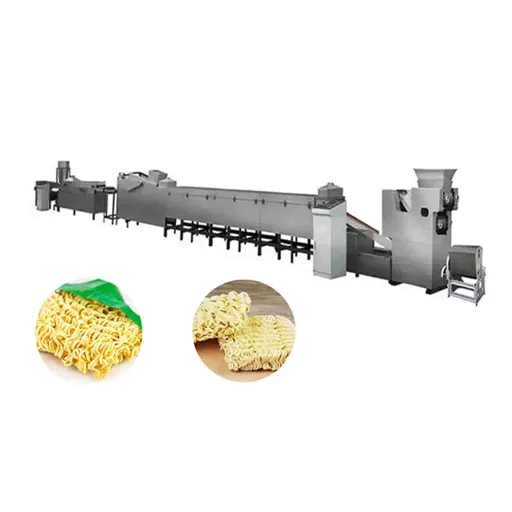
Step-by-Step Process of Instant Noodle Production
The process of preparing instant noodles involves a detailed set of steps each performed in a controlled manner to ensure repeatability, high product quality and efficiency. This method of manufacturing stresses on properly engineered systems for high throughput and quality assurance.
- Mixing and Kneading: The process starts with the mixing of the essential components mainly wheat flour, water, and salt. These ingredients are consistently mixed in specific proportions to yield a proper dough density and texture. High-speed mixers are used to ensure even dough hydration and the accurate mixing of any additional functional ingredients such as stabilizers and flavor enhancing compounds that have an effect on the quality of the finished product.
- Sheeting and Rolling: After the dough is completed the next procedure is the sheeting – a process where the dough is spread and rolled into a thin uniform sheet. This is followed by several rolling operations to achieve the necessary thickness, which is very important for the consistency of the noodles when they are ready. The accuracy of this process helps to attain even cooking times and consistent quality of the accomplished products.
- Cutting and Waving: The cutting machines come in handy when cutting fine strands from the dough sheet. These strands go through a waving process to produce the familiar wavy appearance of instant noodles. Besides that, waving is also important as it makes the surface area of the noodles in the container to as large as possible, which ensures that the noodles are able to absorb flavors in a better manner, thus reducing probability of some of the flavors being left out during preparation.
- Steaming: After the the quick noodle strand gelatinisation there follows this very important but complex process involving the steaming of the noodle strands aimed at both the prevention of further denaturation of the noodles from the stressed strands thus facilitating partial cooking of the noodles. this step always makes the noodles less brittled and strengthens the noodles and makes the drying and frying easier.
- Flavoring And Packaging: Once the drying process is done with, the cooled noodles are given suitable seasoning and also packed together with the seasoning that may have Flavor powders, oils, or paste for product development purposes. The sealed noodles are also put in portion sized packages that enable them not to absorb moisture as well as to prolog their freshness.
- Quality Testing and Delivery: Each finished item is checked for defects to make sure it complies with the safety and taste regulations. Tests are conducted in shich the following parameters may be whims and on very close measures e.g. water, artificial contamination, and even consistency. Once agreed upon, the noodles will be exported to a further locality under stringent product protection maintained by sealed conveyor systems.
In the process, advanced control and regulation systems as well as automatic equipment and health and hygiene measures aimed at the food industry are pinpointed to afford such capabilities making it possible to increase productivity while maintaining the quality of the product.
Cooking and Steaming the Noodles
It is the process of cooking and steaming of noodles that determine the texture, taste and also the structural integrity of the product. At this stage, the strands of raw noodle are lentils or steamed under the conditions set so that the starch is partially gelatinized which gives firmness and elasticity to the noodles. This is made possible by efficient configurations such as the injection and even the temperature he country supports balance across the numerous quantities.
In the more recent kitchens, the small batches are also cooked for different duration and temperature of cooking depending on the types of noodles. For example, when making the noodles from wheat steaming can be done at 100-120°C depending on the thickness of the noodles and the finish texture. Also the use of real-time sensors and control methods helps in optimization of the heating process and the chances of the noodles getting burnt within the noodle are minimized.
Controls and Protocols that are driven by data are further enhanced during this stage to improve standardization. Moisture retention droplets are measured using analytical equipment which, are well essential for the protection of a product’s elasticity. Through the provision of narrow control limits on the various design aspects the software enables the realization of a composite part that is universally acceptable and meets safety qualifications.
Frying vs. Non-Frying Methods
Frying methods result in higher fat and calorie content, while non-frying methods produce healthier, air-dried noodles.
|
Key Point |
Frying |
Non-Frying |
|---|---|---|
|
Moisture |
Removed via oil |
Removed via air |
|
Fat Content |
High |
Low |
|
Calories |
High |
Low |
|
Texture |
Crispy |
Chewy |
|
Health |
Less healthy |
Healthier |
|
Shelf Life |
Long |
Moderate |
|
Cost |
Lower |
Higher |
Quality Control Measures
Ensuring Product Consistency
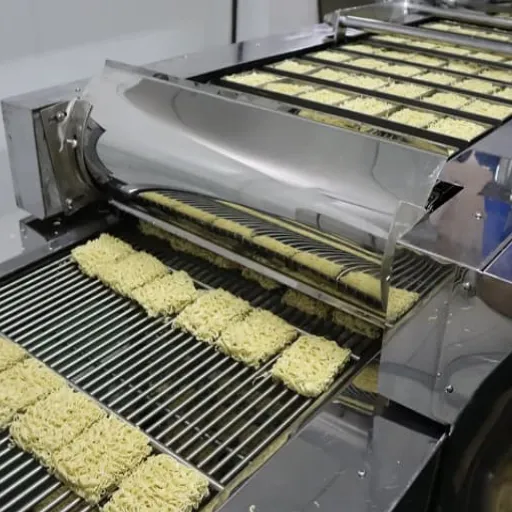
In order to keep the quality of products the same, the manufacturers should enforce strict rules that will be implemented in the whole stages of the production process. The main point is to examine the quality of the beginning material, separate stages of production, and the final product manufacture. For example, in the manufacture of noodles, moisture variations in automated systems, color and thickness measurements, can also ensure each batch complies with prescribed standards in a highly mechanized product line.
An increasingly wide variety of new technologies is available for product inspection and quality control. Within seconds the ingredient’s chemical makeup itself can be checked by use of near infrared (NIR) spectroscopy techniques by monitoring changes in the flour quality. Similarly out of line checks, such as the introduction of a quality control initiative in the production line, require regular sampling and lab testing. Even if a few other tests such as microbial count, checking the physical properties of food or perhaps even the packaging methods can also be done to assure the quality and safety of the product before the product is let out in the market.
Enhanced documentation system with traceability concepts is instrumental in product personalization. Manufacturers of consumer goods can easily tell where they stand wrong if they know every detail of a product that is produced and raw materials used, as per needed quality standards. The development of traceability documentation systems should enhance product quality and operational systems and this can only be achieved through implementation of best practices in the management and quality of product quality.
Testing for Texture and Flavor
Tasting texture and flavor tests are essential for manufacturing and quality control, especially in the food and beverage industries. Such analysis relies mainly on texture measuring, that involves usage of sophisticated equipment such as texture analyzers measuring different tactile attributes such as hardness, adhesiveness, springiness and viscosity. Thus these properties are subject to objective tests like compression, penetration and tensile testing, which generate measurable parameters of the structure to ensure fitness for the intended purpose quality of the product. What is more, rheological data is an essential complement to texture analysis since it provides valuable information such as viscosity and the behavior of flow especially in liquid or semiliquid materials.
Strictly speaking, the flavor profilling consists of different specialized instrumental and sensory approaches. Particularly new pieces of equipment appreciated in the field of volatiles flavour compounds analysis include gas chromatography-mass spectrometry (GC-MS) and electronic olfactometers. They offer rather in-depth chemical analyses, enabling the understanding of what contributes to the flavour, right down to the chemical level. Nevertheless, subjective evaluation in the form of taste panels is generally the next step after the quantitative chemical testing and quantitative evaluation and this kind of evaluation is through sensory evaluation performed using human subjects for the detection of taste, aroma and overall consumer acceptability thus ensuring the product fulfills the consumer expectations and upholds the brand image.
Looking at the derived results from texture and flavor evaluation aids the manufacturers to make evaluations that are of higher level, of the product, thus satisfying the customer better by ensuring the proper physical and sensory characteristics of the end product does not fall short of the requirements that should have been attained. These newer forms of analytics such as computer algorithms for machine learning take the analysis of the testing processes even further. Their role is typically aimed at identifying trends and weak areas by examining the data which has been obtained from a certain statistical operation. It Is This Precision Invigorated With Respect To The Quality Of The Makes It Possible For The Operating Of Business Organizations And Patiently Meet The Necessities Of The Toughest Correction That There In A Shifted Demand In The Marketplace.
Final Inspection Before Packaging
Inspecting the goods prior to their final product packaging is one of the necessary steps to make sure the products are where they are supposed to be which is meeting quality and safety requirements. The process of looking over products before they are packaged is called, final inspection and it can either be done mechanically or manually as well. The mechanism for inspection often involves use of tools such as cameras and other optical systems which make images of the objects for the purpose of identifying various deformations on the surface, in the geometric i.e. shape of the object, etc. The systems manage to work very fast and accurately process huge numbers of products. Nevertheless, the need for pictures these systems cannot detect makes it important to also have manual inspections. Especially in very detailed products that demand a human touch, and in which features such as beauty and touch require human decision making.
During this period the data that is being garnered is crucial in refining how quality control is done. Real-time analytics integrated with the power of machine learning factors in for manufacturers to keep using inspection data for trend monitoring. Seeking, analyzing and such other tasks can point to chronic issues, analysis of which demands such advanced techniques as machine learning. If say, the production line produces skewed products and there is evidence that the defect has accurated in the past, instead of stilling the cause of the problem. Machine learning tools enable such practice by correlating such trends with various stage process and assisting operators at each point by adequately adjusting their process. In the end it is promised that all flaws will be rectified, not only that, process improvement is aimed at appreciating the whole system rather than the end product.
Furthermore, the last part of the checking process is highly associated with enforcement and regulations observation. In some environments, standards of quality like ISO International Standards or the Food and Drug Administration (FDA) requirements must be observed when imported products are introduced. This is the point that the demand of the proper documentation by the inspections of the out put and the new point of view requires a turn to a quality management system, commonly with software, whereby an inspection may be conducted and it being detailed of photographic evidence of improper quality and related quantity and historical patterns of measures over time. The point of these is not simply to avoid prosecution but to come up with data that can encourage evolution within the industry and allow consumers of the product, and to surpass the expectations of a tertiary enterprise. Consequently, modern technology and stringent quality assurance tests in business can help in adhering to the promise of providing reliable products free from defects to the masses.
Packaging and Distribution
Importance of Packaging in Instant Noodles Made
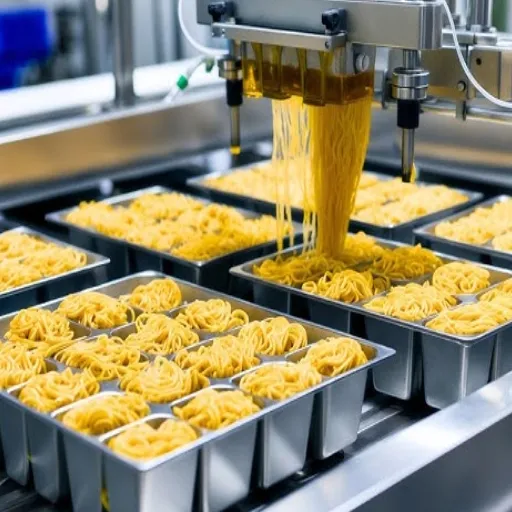
The packaging of instant noodles serves the dual purpose of accessory functions and marketing tools within the industry. To begin with, it is responsible for ensuring that the product is safe and fresh, particularly in the case of instant noodles – which are oftentimes shipped far away and preserved for a long duration. The primary means of this includes the rationale to have barriers against oxygen, moisture, and light in order to avoid decaying of the noodles and maintain the feel of the noodles. As a matter of fact, such materials as multi-layer plastics, an aluminum layer, and laminates are used for good reason as they better help in protecting the contents. This also follows the food safety and hygiene regulations with minimal possible contamination risks.
Referring to hi-tech factors, growth of this field is stimulated. For instance, the so-called Modified Atmosphere Packaging (MAP) technology is created to fit the entire packing by keeping the constituent composition of the gas to an appropriate level to increase the food’s shelf life and taste experience. On the other hand, vacuum sealing is an approach that is commonly applied in the production of instant noodles and ensures that noodles are not soggy or broken due to additional air. The reason why sustainability in packaging becomes so essential in this case is when manufacturers focus on the design so as they can make the most of the package content and make it easy to handle during distribution, by reducing the amount of raw materials used. These newest tactics have also seen the integration of intelligent packaging systems that use QR codes to allow the consumer access the nutritional content, date of manufacture etc.
Consumers’ connection with brands can be effectively achieved through colorful and attractive textures and words while at the same time using unique sets of colors which may be used for emphasis as a product feature. Importance is also attached to the environment; hence, many designers these days will use recyclable, or biodegradable materials in packaging due to the demand for eco-friendly designs among many consumers. This unusual blend of fashion, concept, and the needs of the customer, again confirms the need for noodle packaging in the production of instantly cooked meals. Hence, within the production and distribution divisions it emerges to be a core strategic area of concern concerning packaging.
Types of Packaging Materials
Materials for packaging expose and cause distribution of instant sustenance, may present an attribute in the range of three classes that include: petroleum plastic, paper and biodegradable natural origin materials. Every such material is dedicated to particular application and bears on quality and environmental friendliness, as well as consumer value of the product.
- Paper-Based Materials: Plastic and paper materials such as High-Density Polyethylene (HDPE), Low-Density Polyethylene (LDPE), Polyethylene Terephthalate (PET), in addition to Aluminum Foil and the corresponding Others are an example of Packaging bursting which is helpful. Good blowing materials which are moisture proof, have a stopping impact on oxygen permeability, and extending the shelf life of the ready to cook materials are highly used, PE and PP being among them. This can be attributed to the fact that multilayered plastic film/ structures are less restrictive in terms of mold than paper based products and PE, however, provides materials properties which are fit for the intended application. Even though these plastics are efficient, there are concerns pertaining to their prolonged waste disposal and how the end users will sufficiently handle the matter.
- Print & Writing Paper: The successor of Kraft and pulp papers, paperboard and kraft paper are emerging trends in the promotion of eco-friendly style of consumption. Paper based boxes are very commonly covered with thin layers of PE or other food grade materials and in general, this material is very useful in retaining the cherished use and growing popularity of recyclable options in their packaging. Packaging such as cup noodles is made up of combinations of paper and plastics in order to ensure that the product fits nicely and also remains intact. Material technologies have made their progress too, such that degradable coatings have been developed to the already sustainable paper packaging.
- Developments in Tree Free Paper Industry: Owing to regulatory changes and enhanced consumer awareness regarding sustainable productions. There is an increasing need for developers to come up with new approaches. For example, many are now considering other polymer materials such as polylactic acid, starch-based bioplastics, and edible films. These are eco-friendly materials which completely decompose eliminating negative impact to the environment and they are grown from crops or plants for example. The final products usually come out of the process quite expensive; however, some of the processes are under developments so as to make the innovative materials and other designs effective and affordable in mass production.
When carefully considering and persistently improving these materials, the essential objectives of the quality and provision of the goods as well as the aspect of control and the preservation of the environment ensuring the existence of these goods and the remaining apace with the changing preferences of the customers or market can be met all at once.
References
-
Feasibility of Commercial Instant Noodle Production in Argentina
A study from Kansas State University exploring the potential for instant noodle production in Argentina. -
Comparative Life Cycle Assessment of Deep Frying and Tunnel Drying
A scientific assessment comparing two thermal processing methods used in noodle production. - Click here to read more.
Frequently Asked Questions (FAQ)
Q: How Mainly Recirculating Type Instant Noodles Are Made?
A: The step in making instant noodles is best defined as processing of wheat flour is typically steps in making a batch of ramen and other variants; wherein the flour is mixed with water and components to process a dough, the dough is regioned, sheeted and cut to size as in the case of the said noodles, the dough is then subjected to steaming/cooking to form noodles which are taken further dry or fried depending on the necessary conditions to make the new noodles, which can remain stable while in packing.
Q: What particular processes of making noodles need to be in place for the efficient production of noodles.
A: There are defined measures which are followed to produce noodles at their best and they include following particular steps always, namely, well-crafted processes, which entail mixing wheat flour with water and preparing dough in the right proportions and if necessary, cut into sheets and strips, cook-cut and de-water, and fried; so that it can be packed as and when needed, instant noodles.
Q: In what ways are fresh noodles different from dried or fried instant noodles?
A: Whereas lots of oil is used to cook instant noodles, fresh noodles are only steamed. This popularity is mostly restricted to peanut calories which are the most important components of instant noodles: boiled is 14 biscuits contains only 13 marshmallows made with radiation. One can get many more on innocent diets see reasons noble mugs in shop or feed themselves.
Q: How does the hydration of dough influence noodle texture?
A: The water used to hydrate or even the water-absorbing capacity of the flour used can have a great impact on the texture of the noodle. Other soft sweet items, such as cakes, buns, cupcakes and or flapjacks was gobbled up within seconds.
Q: What is the difference between cupped noodles and a method for pack formats?
A: Ottogi Cut Noodle and Its Manufacturing Method does not require cutting noodles to fit the serving container, lump seasoning or block seasoning. Also very few par cooked noodles that come with certain moisture and are dried or fried that facilitate re-hydration and or pour in boiling water are used in the production of the cups and Autoloading thermoformer film assisted filling system for flavor and improves stability of the product while it is on the shelves of any of the billion hands served.
Q: Why do some Instant Cup Noodle require boiling up to 8 or 12 minutes, whereas others cook even in less than 2 or 3 minutes?
A: Differences in production methods such as air dried noodles vs fried noodles, size of the noodle, or even formulation forth make some really cook for less or more time: Air dried noodles simply take water well and are not fatty and yet they are often dense and for a longer period of re-hydration; whereas fried cooked noodles are really quick thereafter poured hot water.
Q: How do manufacturers ensure that billions of portions are both safe and satisfying to the palate?
A: Instant noodles consist of millions of cups, bowls, blocks and pouches, pasteurized rice and oriental noodles, and fried wheat and corn-based snacks with nuts and seeds. Each of these quick meal items leaves its own unmistakable taste and texture impact on consumers’ senses.